Why birthstones still feel personal, and June offers three choices
Birthstones endure because they turn identity into a simple, wearable code. June stands out with pearl, alexandrite, and moonstone, three stones that cover different looks and budgets.
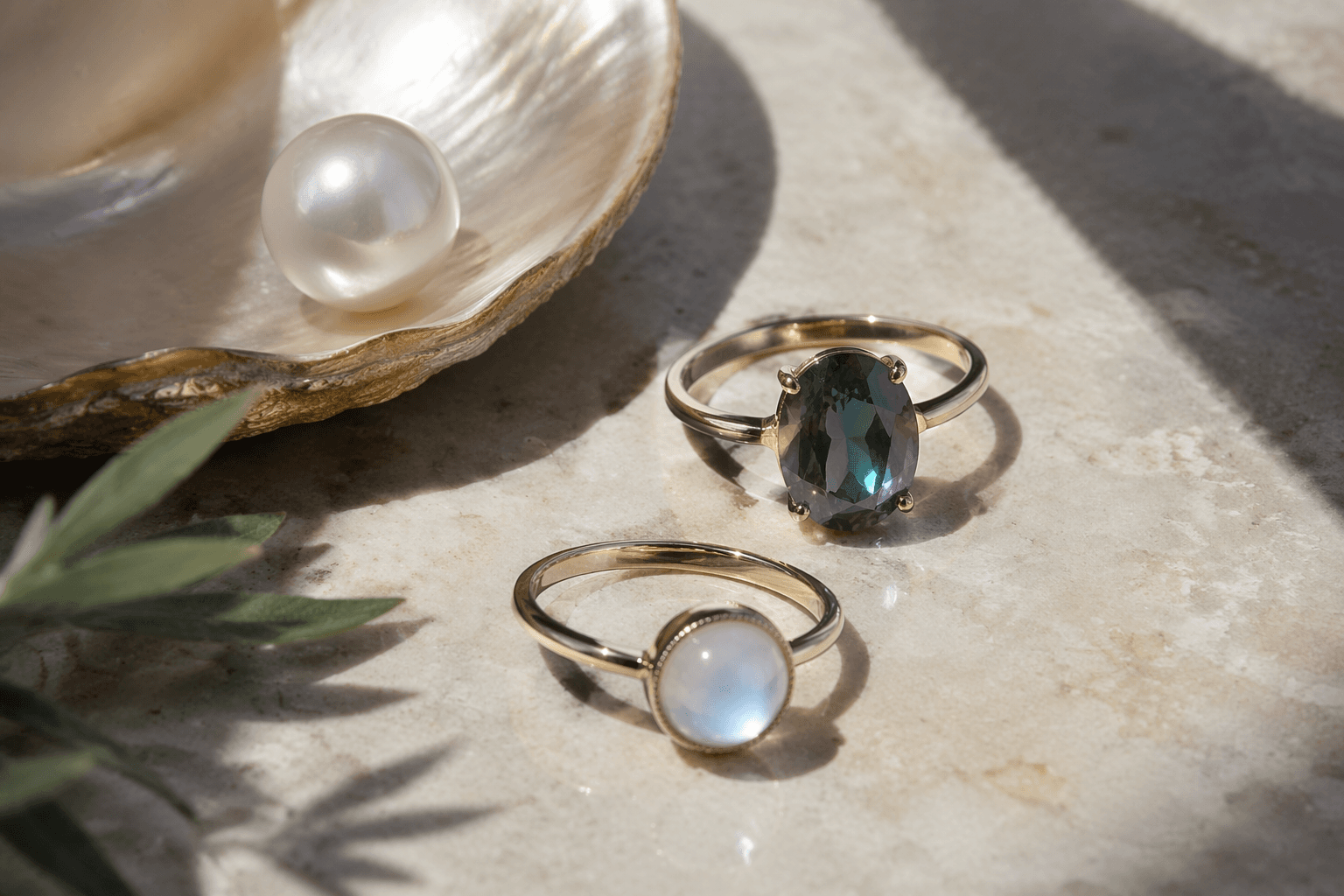
Birthstones keep their hold on jewelry because they do something rare: they make meaning instantly legible. A month becomes a marker, a gift becomes personal, and a stone carries a name, a family line, or a milestone without needing any extra explanation. June sharpens that appeal because it does not offer just one answer. It offers pearl, alexandrite, and moonstone, three official choices that let the same birth month read as classic, uncommon, or luminous depending on the wearer.
Why birthstones still feel personal
The birthstone idea is older than modern retail, but it has always depended on interpretation. The American Gem Society traces the tradition to the breastplate of Aaron, which held twelve gemstones representing the twelve tribes of Israel. Britannica adds an important corrective to the romantic version of the story: the month-by-month chart only loosely reflects those ancient beliefs, because availability and cost shaped the modern list, and the system was later expanded in the 20th century with synthetic alternatives and broader choices meant to make it more acceptable to both sexes.
That history matters because it explains why birthstone jewelry does not feel generic even when it is widely recognized. The official U.S. list dates to 1912, when the American National Retail Jewelers Association established a standard after a patchwork of inconsistent lists. Jewelers of America, the organization that grew from that trade body and was founded in 1906, still uses that date as the anchor for the American chart. In other words, birthstones are both cultural shorthand and a jewelry-trade invention, and that combination is exactly why they endure.
June’s three-stone advantage
June is one of only three months with three official birthstones, alongside August and December. That gives the month a flexibility most birth months do not have. GIA says June birthstones can suit different moods and budgets because they differ in color and price point, which makes the category especially useful for gifts and self-purchase alike.
Pearl is the classic choice, and it brings softness immediately. Alexandrite is the rarer, more surprising option, prized for its color-changing character. Moonstone offers the most ethereal look of the three, with a luminous, light-on-the-surface effect that feels modern even when set in traditional forms. The point is not that one is better than the others. It is that June allows the jewelry to match the person, rather than forcing the person to fit the stone.
For a buyer, that flexibility becomes practical very quickly:
- Pearl works when the look should feel refined, understated, or connected to family jewelry.
- Alexandrite suits a wearer who wants a birthstone with rarity and a more visibly distinctive personality.
- Moonstone is the natural choice when a softer, glowing, more contemporary feel matters most.
How to choose a June birthstone piece
Jewelers of America’s advice is simple and useful: choose the gemstone you find beautiful, then compare several stones because color tone and saturation vary. That is especially relevant with June, where the right answer is often visual rather than doctrinaire. A pearl can be cream, white, or subtly silvered; moonstone can appear milkier or more translucent; alexandrite can shift dramatically depending on the light.
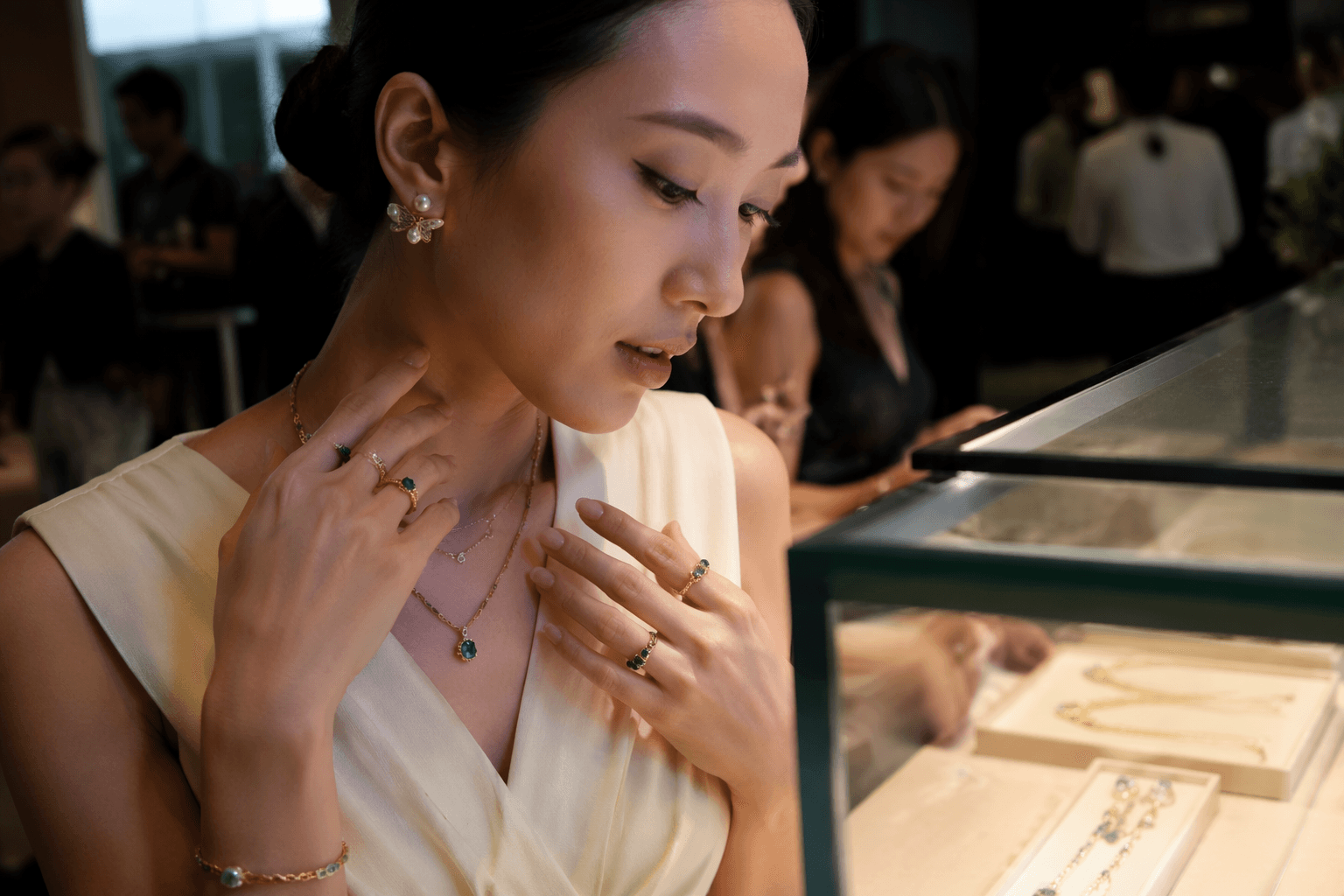
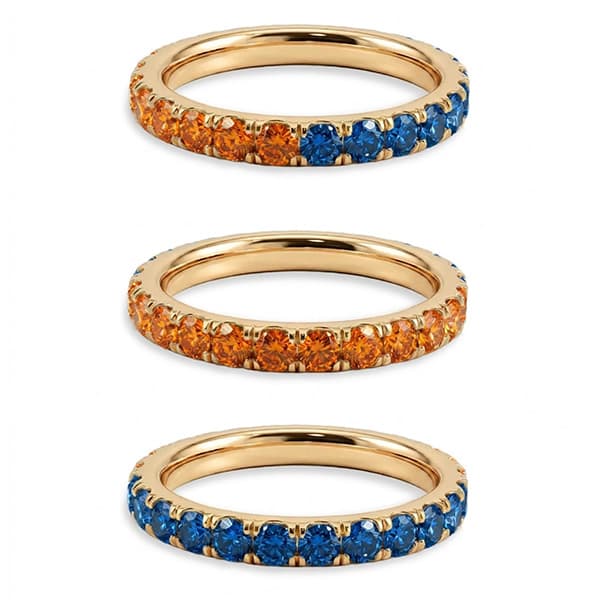
That is also where setting and scale matter. A single pearl pendant reads differently from a trio of small stones set into a ring or bracelet, and a reset vintage mount can turn a familiar gem into something that feels newly personal. For readers building meaning into a piece, the strongest choices are usually the ones that connect the stone to a real life moment: a maternal stack with multiple birthstones, a partner pairing that combines two months, or a family jewel that collects siblings’ or children’s stones in one setting.
The chart keeps changing, and that is part of the story
The birthstone list looks fixed from a distance, but it has changed more than many shoppers realize. GIA’s August chart lists peridot, spinel, and sardonyx, and its spinel overview notes that spinel was recently added as an August birthstone, sharing the month with peridot and sardonyx. National Jeweler has also noted that tanzanite entered the list in 2002 before spinel later joined August. Those additions show that the chart is not frozen in folklore. It evolves with gem availability, retail taste, and the trade’s willingness to broaden the menu.
That evolution is one reason birthstone jewelry still feels current. The tradition carries enough history to feel anchored, but enough flexibility to stay useful. A rigid system would have lost younger buyers long ago. Instead, the category has absorbed new stones, new preferences, and new ideas about who gets to wear what.
What makes the most meaningful gift
The best birthstone jewelry is not the loudest piece in the case. It is the one that makes the wearer feel seen. That can mean a pearl for a June birthday because it connects to a parent’s strand, an alexandrite ring because rarity feels right for a milestone, or a moonstone pendant because its glow suits someone who wants symbolism without formality.
Birthstones work because they are easy to decode but hard to reduce to cliché. The old chart, standardized in 1912, now sits comfortably next to family stacks, partner pairings, and modern resets of classic gems. June simply makes the case more elegantly than most months, because it gives you three distinct answers and lets the meaning come from the choice.
This article was produced by Prism’s automated news system from verified source data, official records, and press releases, then run through automated quality and moderation checks before publishing. The system is built and supervised by the people who set the standards it runs under. Read our full AI policy.
Know something we missed? Have a correction or additional information?
Submit a Tip