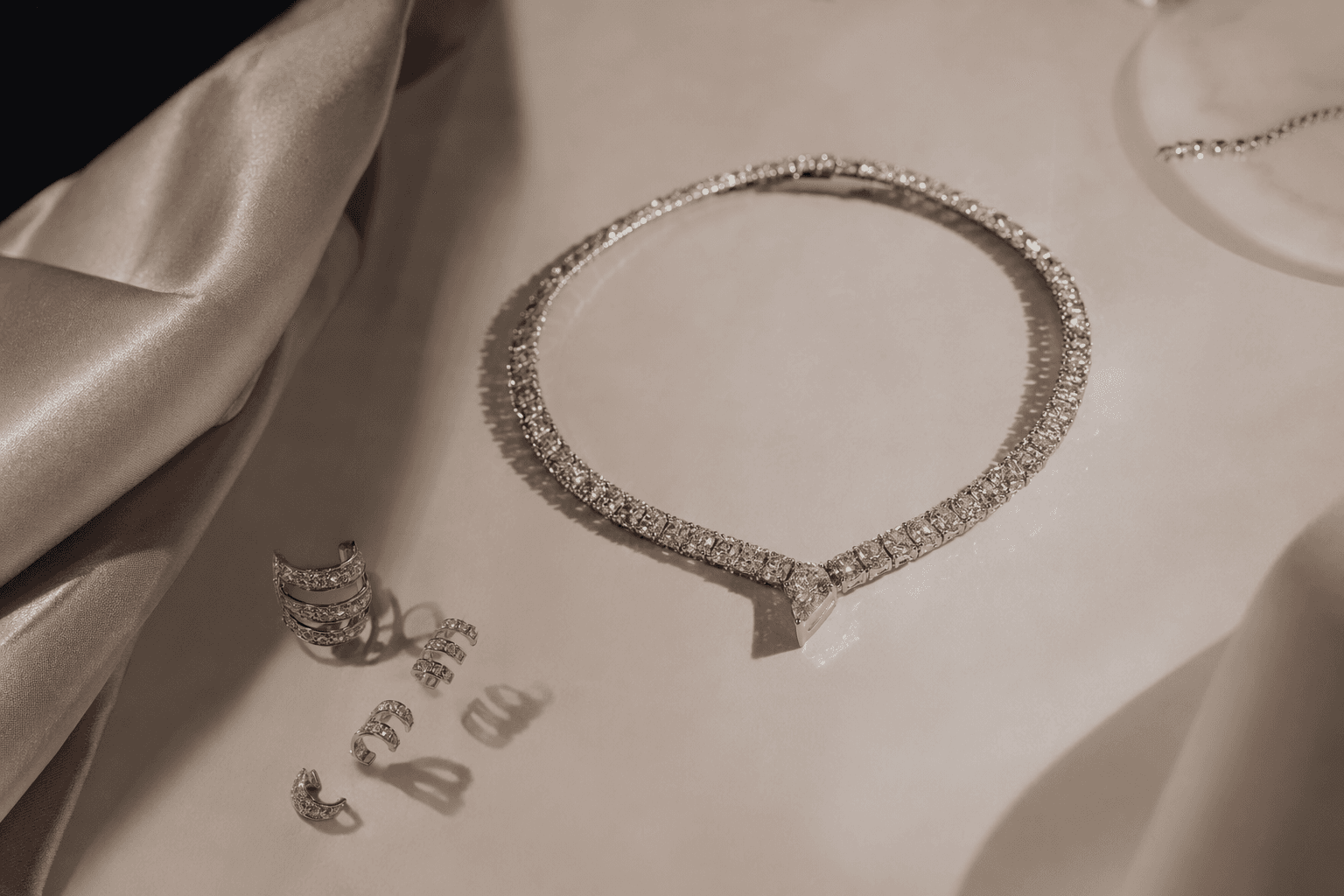
Chanel’s 85-piece high jewelry collection reimagines Gabrielle Chanel’s symbols
Chanel turns Gabrielle Chanel’s icons into collector signals, with the lion, comet and camellia refreshed for a new wave of fine-jewelry buyers.

1. The collection’s real power is recognizability.
Chanel’s 85-piece Signes & Symboles high-jewelry collection leans on symbols that already belong to the house’s visual language, which is exactly why collectors pay attention.
2. The scale matters.
An 85-piece launch signals a serious high-jewelry program, not a one-off showcase, and that kind of breadth gives Chanel room to refine its codes across multiple forms.
3. Scarcity still drives the story.
These are limited-edition creations, which means the value proposition rests on rarity as much as on design, a familiar luxury formula that feels sharper when the symbols are this clear.
4. The lion remains one of Chanel’s strongest assets.
It is a symbol of authority and self-possession, and in Chanel’s jewelry vocabulary it works because it feels less decorative than declarative.
5. The number 5 is Chanel’s most concise emblem.
It is graphic, memorable, and instantly legible, the kind of motif that can anchor a piece without crowding it.
6. The comet carries the deepest historical charge.
Chanel traces it back to Bijoux de Diamants in 1932, which gives the motif a direct line to Gabrielle Chanel’s first and only high-jewelry collection.
7. The ribbon softens the architecture.
It gives the collection movement and fluidity, a useful counterweight when a house is working with strong symbols that could otherwise feel static.
8. The feather brings lightness into the mix.
In a collection built on identity, the feather reads as a visual breath, one that keeps the icons from becoming too rigid.
9. The camellia remains Chanel’s most polished flower.
It has long served as one of the house’s most enduring emblems, and its appeal lies in how it can feel both controlled and romantic.
10. The collection’s color harmonies are part of the refresh.
Unexpected pairings help the familiar motifs avoid repetition, which matters when a heritage code needs to look current without losing its lineage.
11. Layering gives the symbols new depth.
Instead of isolating a single motif, Chanel stacks references so the pieces feel like chapters in the same story rather than separate anecdotes.
12. This is minimalist jewelry, but with high-jewelry discipline.
The strongest signal is not excess, but precision, with each emblem doing more work because the visual language is so disciplined.
13. Gabrielle Chanel is not treated as background here.
She is the authorial center of the collection, and that ownership gives the pieces more authority than a generic tribute ever could.
14. Bijoux de Diamants still functions like a founding text.
Chanel says Gabrielle Chanel created the world’s first high-jewelry collection in 1932, and the new line keeps returning to that starting point.
15. The fact that it was her only high-jewelry collection matters.
Collectors understand singularity, and the rarity of that original work gives every later Chanel jewelry chapter a heavier historical burden.
16. The 1932 release changed the industry’s mood.
Chanel says Diamond Corporation Limited’s stock jumped two days after the launch, a detail that captures how disruptive the collection was at the time.
17. The comet is the clearest bridge between past and present.
Because Chanel explicitly ties it to Bijoux de Diamants, it reads less like a revival than a continuation.
18. La Pausa gives the collection a specific geography.
The presentation at Gabrielle Chanel’s villa in Roquebrune-Cap-Martin on the French Riviera roots the launch in place, not just in brand mythology.
19. The villa’s 1928 date is part of the appeal.
Built when Chanel was at the height of her independence, La Pausa adds architectural proof to the house’s story of self-authorship.
20. Chanel calls La Pausa her only fully imagined house.
That detail matters because it mirrors the jewelry collection’s logic: a complete world built from her own symbols and decisions.
21. The house was also a retreat from Paris life.
That distance from the capital gives the collection a less urban, more contemplative mood, which suits symbols meant to endure.
22. La Pausa was a social stage as well as a refuge.
Chanel says artists and guests gathered there, reinforcing the sense that her world was always shaped by conversation between art, life and style.
23. Frédéric Grangié sits at the center of the present-day strategy.
As Chanel’s watch and jewelry president, he is the executive voice carrying these symbols into the next chapter.
24. Gabrielle Palasse-Labrunie’s line still hangs over the house.
The recollection that Chanel had “invented a myth based on signs and symbols” captures how the brand thinks about its own longevity.
25. That myth is not vague branding.
It is a repeated system of emblems that can be reworked without losing identity, which is why Chanel keeps returning to the same visual grammar.
26. Signatures de Chanel is the broader framework.
The jewelry division has been reworking founder-linked motifs across collections, and Signes & Symboles reads as a deliberate continuation of that approach.
27. Continuity is the real investment thesis.
Collectors often respond to pieces that feel like part of a recognizable lineage, and Chanel’s emblems already have that built in.
28. The lion, number 5 and comet are the strongest anchors.
They are the most legible symbols in the set, and the easiest to imagine surviving beyond this launch cycle.
29. The ribbon, feather and camellia provide balance.
Together they soften the harder emblems, giving the collection a wider emotional range without abandoning Chanel’s core codes.
30. The collection avoids logo fatigue.
Instead of leaning on obvious branding, it turns to symbols that feel cultured, personal and deeply embedded in the founder’s image.
31. That makes the pieces easier to live with over time.
Symbolic jewelry tends to age better when the motif has meaning beyond trend, and Chanel’s emblems have decades of cultural memory behind them.
32. The lion also carries a particular kind of confidence.
It suggests power without shouting, which is part of why it remains such an effective luxury symbol.
33. The number 5 works because it is almost architectural.
Its simplicity gives it staying power, especially in a field where clean graphic forms often outlast ornate novelty.
34. The comet brings motion into an otherwise formal vocabulary.
Its curling line suggests momentum, which is one reason it has survived across Chanel’s fine-jewelry histories since 1932.
35. The ribbon gives the collection a wearable softness.
It translates Gabrielle Chanel’s signature elegance into a form that can feel light rather than ceremonious.
36. The feather adds a sense of air.
It keeps the collection from becoming too monumental, which is crucial when a high-jewelry launch wants to feel precise rather than heavy.
37. The camellia remains the most restrained of the icons.
Its appeal lies in control, and that control is part of what makes it a reliable Chanel code across generations.
38. The bold color harmonies modernize the archive.
They let the house refresh old symbols without changing their meaning, a subtle move that seasoned collectors tend to notice.
39. Layered motifs suggest a more editorial way of wearing jewelry.
The pieces feel built from thought, not just ornament, and that intellectual structure is part of their draw.
40. The collection reads like a response to icon fatigue.
When every luxury house is chasing a new code, Chanel doubles down on symbols that already have cultural weight.
41. That restraint feels especially current.
Cleaner symbolic jewelry often lands hardest when it knows exactly what it wants to say, and Chanel’s emblems already do.
42. Provenance is not an abstract concept here.
The collection is tied to Gabrielle Chanel, to La Pausa and to Bijoux de Diamants, which gives it a layered origin story collectors can follow.
43. The French Riviera setting deepens that provenance.
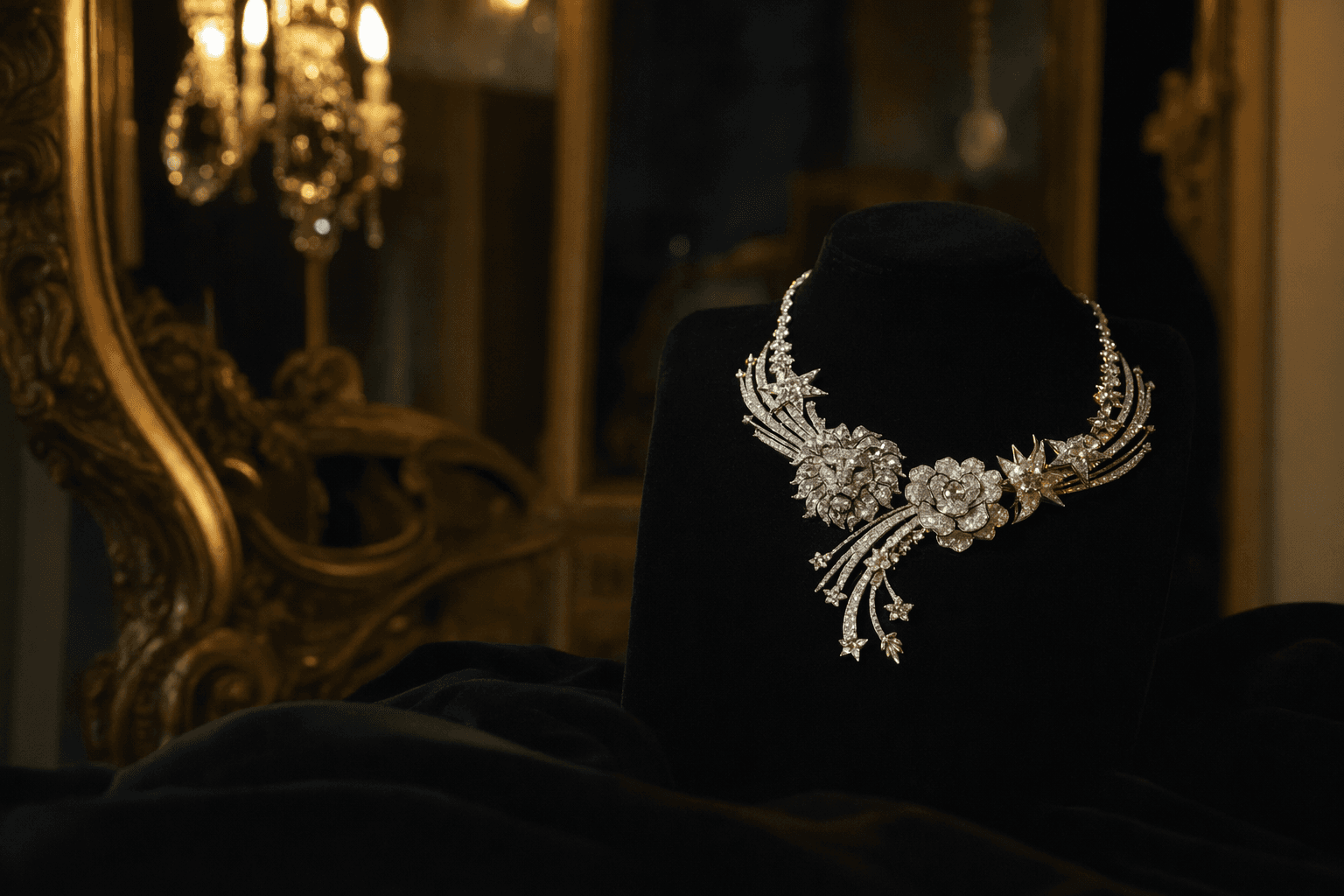
Roquebrune-Cap-Martin is not just scenic backdrop, it is part of the Chanel mythology that the jewelry is meant to inhabit.
44. Paris appears by contrast, not by accident.
La Pausa was Chanel’s retreat from Paris, so the collection’s presentation outside the city underscores her independence from its expectations.
45. The house’s heritage feels lived-in, not staged.
That matters in fine jewelry, where stories can become theatrical unless they are tied to real places, real dates and real design decisions.
46. The collection also benefits from its own consistency.
Repeated motifs across Chanel’s jewelry lines build a sense of continuity, which makes each new launch feel like part of a longer archive.
47. Collectors tend to trust that kind of repetition.
When a motif returns with discipline rather than laziness, it becomes a signature instead of a cliché.
48. Chanel has enough distance from the original symbols to rework them.
That distance lets the studio refresh the pieces without turning them into nostalgic replicas.
49. The house is not selling novelty for its own sake.
It is selling recognition sharpened by variation, which is a much stronger long-term proposition in high jewelry.
50. The collection’s strongest pieces are likely to be the simplest reads.
The symbols with the clearest outlines, especially the lion, 5 and comet, have the most obvious staying power.
51. Color pairing is doing more work than decoration.
Unexpected combinations make familiar motifs feel newly considered, and that is often how a heritage collection avoids staleness.
52. The collection invites repeat viewing.
Layered symbols reveal themselves in stages, which is exactly the sort of detail-driven design that keeps high jewelry relevant after the first look.
53. The limited-edition framework raises the stakes.
Once a symbol appears in a controlled edition, it becomes more like a reference point than a product cycle.
54. That is why founder-linked jewelry keeps resonating.
It gives buyers something emotionally legible and historically grounded, two qualities that matter when the category gets crowded.
55. Chanel understands the power of icon systems.
Rather than inventing from zero, it returns to Gabrielle Chanel’s signs, then edits them for a contemporary eye.
56. The line between jewelry and identity is thin here.
These pieces do not merely decorate the body, they extend a house language that already exists in fashion and culture.
57. The collection’s heritage is unusually specific.
It is not just “Chanel history,” but the history of a woman who built her own house, her own retreat and her own high-jewelry statement.
58. That specificity gives the pieces weight.
Collectors do not just buy a motif, they buy the confidence of knowing exactly where it came from.
59. Chanel’s own archive supports the argument.
The house has already established the comet as a recurring fine-jewelry icon since 1932, which strengthens the case for its future relevance.
60. The camellia and feather keep the language from hardening.
They are gentler emblems, and they help the collection speak in more than one register.
61. The lion and number 5 give the collection its spine.
Both are instantly readable, which is a rare advantage in high jewelry, where complexity can sometimes obscure identity.
62. The ribbon and comet provide movement between the heavier symbols.
They make the whole collection feel less static, more like a series of gestures than a series of trophies.
63. This is where symbolic jewelry becomes collectible.
When motifs are this embedded, buyers are not chasing a trend, they are buying into a visual code with historical depth.
64. The collection’s durability lies in its editorial restraint.
Chanel does not overexplain the symbols, because the symbols themselves already carry the story.
65. That restraint is part of the modern appeal.
In a market crowded with louder declarations, a clearly coded piece can feel more sophisticated than a maximal one.
66. The 85-piece count also implies range.
Chanel has room to explore different balances of force and softness while still staying inside the same founder-led vocabulary.
67. Range matters when a house wants staying power.
It allows the symbols to shift across forms and moods without losing their core meaning.
68. The collection’s heritage framing is deliberate, not decorative.
Every reference, from Bijoux de Diamants to La Pausa, reinforces the idea that these symbols are inherited rather than invented overnight.
69. That makes the launch feel less seasonal.
A launch tied to a founder’s visual system can outlast the news cycle because its relevance is built into the brand itself.
70. The best luxury stories are often the most specific ones.
Here, the specifics are a villa, a 1932 collection, a stock jump, and six emblems that keep returning with new polish.
71. Chanel has turned those specifics into a contemporary proposition.
The result is a collection that feels less like a retrospective and more like a recalibration of what house symbols can do now.
72. The pieces should be read as symbols first, adornment second.
That order is what gives them collector interest, because meaning is doing as much work as materials.
73. The collection also rewards a minimalist eye.
Its intelligence lives in the way the motifs are edited, paired and repeated, rather than in obvious display.
74. The lion, comet and camellia look especially resilient.
Each one has enough cultural recognition to survive beyond this launch, and each one already feels native to Chanel.
75. The number 5 has the clearest shorthand value.
It compresses the brand into a single form, which is rare and powerful in jewelry.
76. The feather and ribbon are the more fluid codes.
They provide movement and grace, qualities that help the collection stay wearable in the imagination even at high-jewelry scale.
77. The collection’s colors may prove just as important as its symbols.
Unexpected harmonies are often what keep a familiar motif from becoming predictable.
78. That is how Chanel refreshes legacy.
It changes the atmosphere around the symbol, not the symbol’s identity.
79. The result should interest collectors who prize continuity.
They are getting a new chapter in an old language, which is usually where lasting luxury lives.
80. Gabrielle Chanel’s presence is strongest when the symbols are most restrained.
The less the collection strains for drama, the more clearly her design logic comes through.
81. The house’s mythology is working because it is specific enough to test.
La Pausa, Bijoux de Diamants and the recurring emblems all have dates, places and histories that can support the story.
82. That specificity is what protects the collection from vagueness.
It gives the symbols provenance instead of mere branding language.
83. In the end, the collection is about inheritance.
Chanel is not just repeating Gabrielle Chanel’s signs, it is demonstrating that they still have room to grow.
84. That is why collectors should care.
Pieces built on enduring emblems are easier to believe in, easier to remember and more likely to keep their relevance as tastes shift.
85. Chanel has made the case that its strongest jewelry is not about novelty, but about symbols that can keep returning with meaning intact.
That is the kind of continuity the next wave of cleaner, more purposeful fine jewelry will keep chasing.
Know something we missed? Have a correction or additional information?
Submit a Tip