Choosing Metals, Chain Gauges, Layering, Scale and Care for Minimalist Jewelry
Choose the right metal and chain thickness first, then layer by scale and care for longevity; the smallest decisions define how minimalist pieces live on your body.
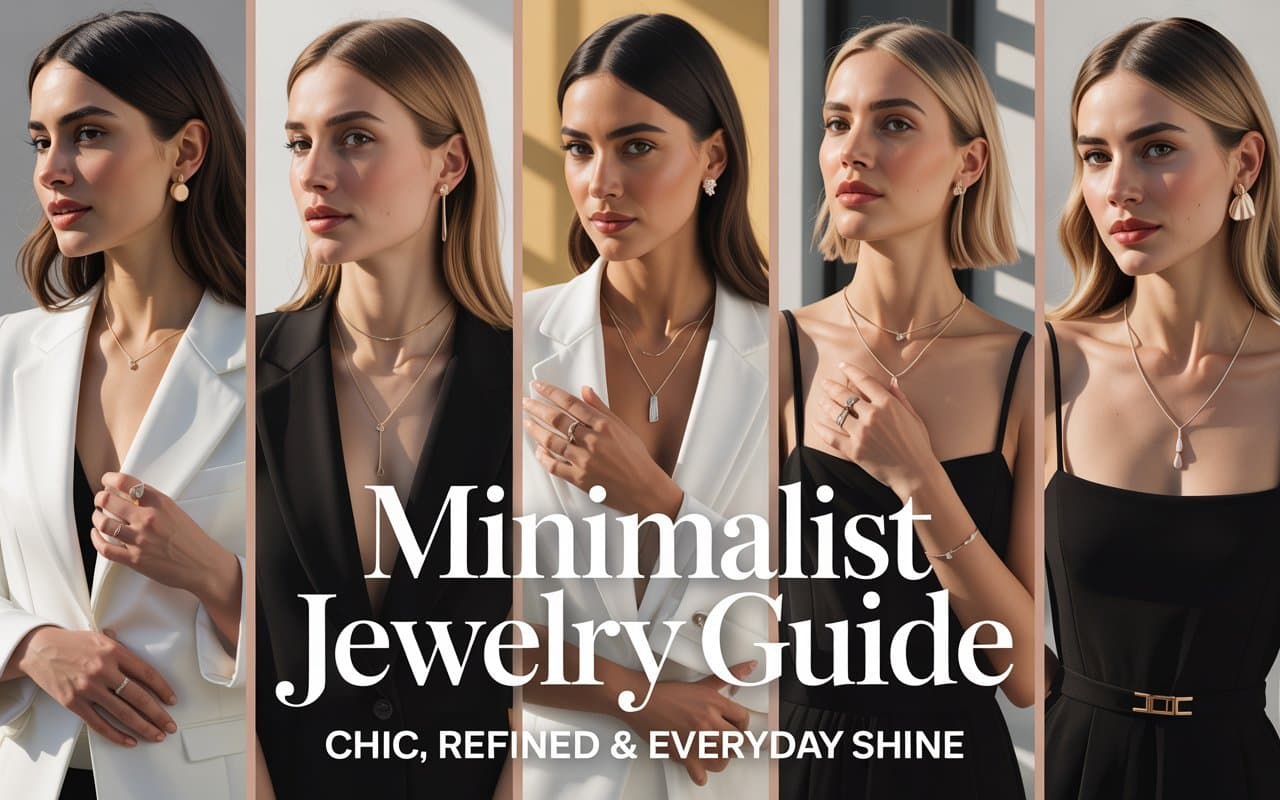
1. Choosing metals: solid gold, vermeil, and gold-filled
Solid gold remains the reference for durability, resale value, and hypoallergenic wear, 14k (58.3% gold) and 18k (75% gold) are the workhorse choices. A solid 14k chain or ring resists daily knocks and polishing without exposing a different base metal; it will patina differently than higher‑karat pieces but will not flake or reveal a substrate. Vermeil is sterling silver coated in gold and is identified by a silver base with a gold layer, true vermeil uses a heavier plating by industry standards (commonly cited as at least 2.5 microns) and therefore wears longer than thin electroplating; it’s an excellent way to get a gold look at a lower price but will require replating over time if worn constantly. Gold‑filled pieces are made by mechanically bonding a substantial layer of gold to a base metal (often brass) and typically contain a thicker gold layer than standard plated jewelry; gold‑filled survives daily wear far longer than plated vermeil and can last decades if cared for, making it the best value proposition for gold look without the cost of solid gold. When choosing among them, weigh allergy sensitivity, lifetime expectations, and whether you want the piece to remain untouched by replating, those priorities should determine whether you spend more up front for 14k/18k or opt for vermeil or gold‑filled.
2. Picking the right chain gauge for daily wear
Chain gauge, commonly referenced by wire diameter in millimeters, dictates both look and longevity. Very delicate chains (about 0.3–0.6 mm) read featherlight and are ideal for single-stone pendants or layered chokers, but they are the most vulnerable to breakage at jump rings and clasps; reserve them for occasional wear or protective layering. Everyday necklace gauges typically fall between 0.7–1.0 mm: these offer a tactile presence, handle the pull of small pendants well, and translate into reliable clasps (lobster clasps paired with 0.8–1.0 mm chains are a robust combination). Heavier chains, 1.2 mm and above, are suited for weight-bearing pendants, men’s minimalist looks, or when you want the jewelry to hold its own visually against thicker fabrics. Also consider link type: box and curb links distribute stress differently than fine trace or cable chains and will resist kinking; always choose a soldered jump ring on daily pieces to eliminate the common failure point.
3. Layering: lengths, spacing, and metal mix
Minimalist layering is less about abundance than about choreography, spacing, length increments, and contrast are everything. Use length increments of roughly 2 inches so each chain falls cleanly: a common minimalist trio might be 16" (choker/neckline), 18" (princess), and 20" (short matinee) so the eye reads three distinct lines without tangling. Contrast chain gauges and textures, pair a 0.5–0.6 mm delicate chain with a 0.9–1.0 mm midweight chain and a slender pendant on the longest strand, to create depth while keeping the overall silhouette restrained. Mixing metals works if you commit to a dominant tone (for example, two gold chains and one silver accent) or if the pieces share a common finish (all matte or all high polish); subtle repetition of a shape (tiny discs, bar links) across lengths unifies mixed metals into an intentional composition. For bracelets and rings apply the same rules: vary width (1.5–2 mm bands against a 3–4 mm signet) and keep a single focal piece rather than equal-weight multiples.
4. Scale: proportion for necklaces, rings, and earrings, and setting choices
Minimalist scale is a study in small measures: for necklaces, pendants between 6–12 mm maintain a refined presence on most necklines, with 14–20 mm reserved for a quiet focal point that still reads minimalist. Stud earrings in the 3–6 mm range (or diamonds approximately 0.10–0.50 carat depending on cut) sit comfortably for daily wear; hoops of 15–25 mm diameter keep the look minimal while providing motion. For rings, band widths of 1.5–2.5 mm are the purest minimalist statements; wider bands (3–4 mm) read more assertive and should be balanced with slimmer stacking pieces. Setting choice is critical to both scale and wearability: bezel settings hug a stone’s girdle with a rim of metal, offering low profile, protection from snags, and a modern, graphic silhouette ideal for daily minimalist pieces, whereas prong settings lift the stone to maximize light and sparkle but introduce points that can catch on fabric and may require more regular inspection. Choose bezel for active lifestyles and prong for pieces where optical brilliance is the priority.

5. Care and longevity: cleaning, storage, and maintenance
A minimalist piece’s restraint makes its finish and condition more visible, care dictates its elegance over time. Store necklaces flat or hung separately to prevent tangles; use soft pouches for vermeil and gold‑filled items to keep surfaces from rubbing and abrading. Clean with lukewarm water, mild soap, and a soft toothbrush for chain links and settings; a jeweler’s polishing cloth restores shine for solid gold and gold‑filled pieces, while vermeil benefits from gentler rubs to preserve the plated layer. Avoid chlorinated pools, hot tubs, and prolonged perfume contact, chemicals accelerate plating wear and can darken alloys; gold‑filled tolerates moisture better than vermeil, while solid gold is the most forgiving. Inspect clasps, jump rings, and prongs every few months, solder split rings and repair worn prongs promptly to prevent loss. Finally, plan for service: vermeil may need replating after one to a few years of daily wear; gold‑filled can often be worn for decades before surface restoration is necessary, and solid gold will retain its metal integrity indefinitely though it may require resizing or polishing.
Closing thought Minimalism in jewelry is not the absence of detail but the disciplined choice of proportion, material, and finish. Pick the metal that fits how you live, match chain gauge to intended use, layer by measured intervals and contrast, respect scale for the body, and follow straightforward care, those decisions will keep minimalist pieces both inconspicuous and indispensable for years to come.
This article was produced by Prism’s automated news system from verified source data, official records, and press releases, then run through automated quality and moderation checks before publishing. The system is built and supervised by the people who set the standards it runs under. Read our full AI policy.
Did this article answer your question?


