Couture 2026 Design Atelier spotlights minimalist stacking and refined gold work
Design Atelier's new class leans into stacking, sculptural gold, and daily wear, with provenance-heavy names like Ashaha and Ashna Mehta leading the quiet-luxury turn.

The new face of quiet luxury
The sharpest room at Couture is not the ballroom but the sun-filled corridor just outside Cristal, where Design Atelier turns emerging jewelers into the fair's most closely watched names. During the May 27 to 31, 2026 run at Wynn Las Vegas, the section works as a three-year runway: brands begin toward the end of the hall and move up the aisle as they build momentum.
That structure matters because Design Atelier is not simply a showcase, it is a filter. Couture says applicants must have been in business for two to eight years and must bring a creative perspective not already represented at the fair. The point is to surface an original point of view, but also to foster mentorship, friendship, and community building. In a year when Couture is leaning harder into intimacy and curation, the corridor becomes a decisive discovery zone for editors, retailers, and buyers looking for the next language of modern luxury.
Why this class feels different
WWD's preview treats the freshman class as a tightly edited group, while National Jeweler counts 17 newcomers in Design Atelier this year. Those names are Ashaha, Ashna Mehta, Baetyl Fine Jewelry, Camille Beinhorn, Clara Chehab, Cultus Artem, Daniel Yu Jewelry, Dorothee Potocka, Itä, Jack Ferrero, Juliana Xerez Fine Jewelry, Orly Marcel, Pen Mané, Shola Branson, U Los Angeles, Yé Brand, and 12th House.
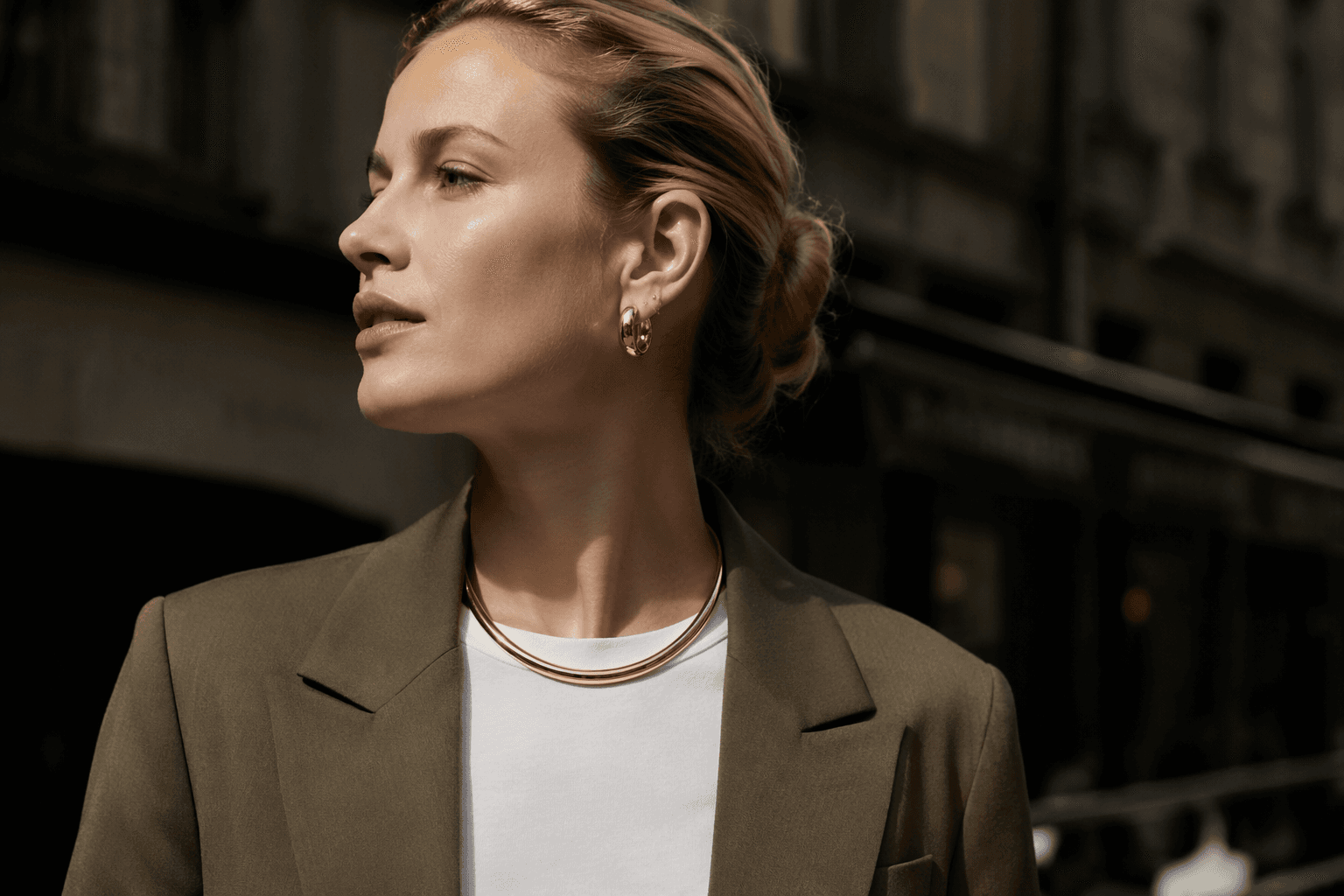
What links them is not a single look, but a shared movement toward refined gold work, stacking, modularity, sculptural form, and pieces that feel personal enough for daily wear. That is the fresh edge here: the jewelry reads as composed rather than decorative, a quiet-luxury language built on proportion, finish, and repeat wear instead of loud display.
Couture's broader 2026 setup reinforces that shift. The show is also introducing Time to Watches partnerships and updated networking formats, a reminder that the fair is tightening its focus on conversation, curation, and relationship-building. In that environment, Design Atelier is less about spectacle than about spotting which designers can translate a clear aesthetic into a real market voice.
The names already carrying weight
A few of the new exhibitors arrive with notable provenance, which gives the class more depth than a standard debut roster. Ashaha was founded in Paris by Oumaima Benharbit, previously showed in a multi-brand showroom at Couture in 2024, and won a Couture Design Award for the 'Shiraz' choker. Ashna Mehta launched her eponymous brand in 2022, and her 'Barbie' pendant was later included in the American Museum of Natural History's 2024 exhibition, Ice Cold: An Exhibition of Hip-Hop Jewelry.
Those details matter because minimalist jewelry can become generic fast if the workmanship is weak or the story is thin. Here, the strongest names already have evidence of staying power: one carries award recognition, another has museum exposure, and both suggest a design vocabulary that is rooted in more than trend language. For readers who want beauty without compromise, that provenance is part of the allure.
How the minimalist direction is evolving
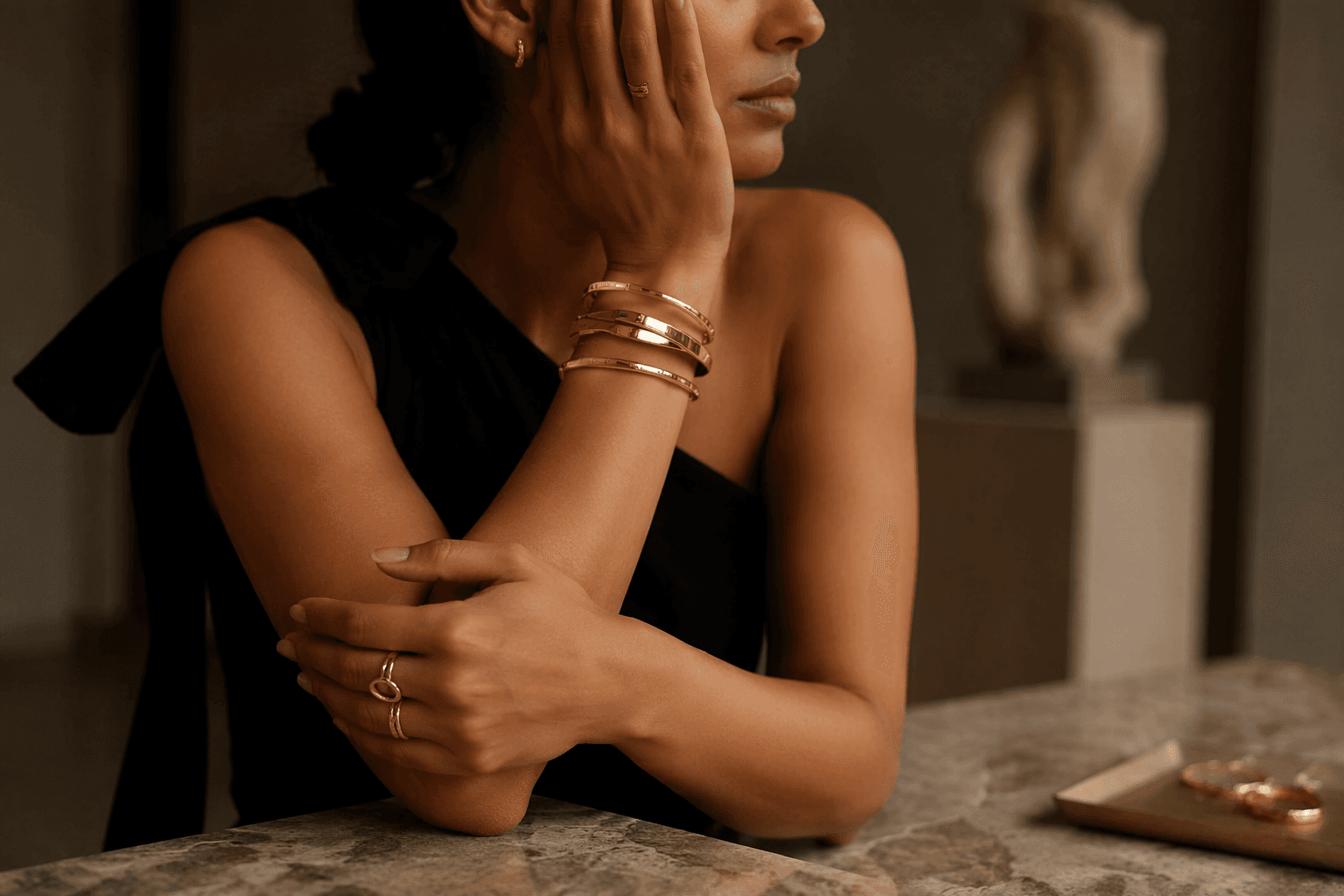
The current minimalist wave is not about plainness. Across 2025 and 2026, industry coverage has pointed to stacking, modularity, sculptural gold, and understated everyday jewelry as durable directions, while Paris Fashion Week jewelry coverage has shown minimal lines sitting comfortably beside chunkier volumes. The result is a quieter kind of statement piece, one that looks deliberate in a single layer and even better once it becomes part of a stack.
That is why the Design Atelier crop feels like a useful barometer for the market. The most compelling pieces here are likely to be the ones that can sit close to the skin, age well, and move easily from one context to the next. Think of a band that nests cleanly, a chain that holds its line, or a small gold form that does not need scale to feel finished.
In this part of the fair, minimalism works best when it is specific. A successful piece does not disappear into the background; it shows restraint through construction, finish, and balance. The best designers in this class are using that restraint to make jewelry that can be worn every day without losing its identity.
What to watch for on the floor
The brands worth lingering over are the ones that make small gestures feel intentional. Look for stacking rings with enough contour to layer cleanly, gold surfaces that catch light without looking overworked, and silhouettes that can be worn alone but still hold their shape inside a larger composition. The promise of this category is not versatility in the vague sense, but durable design that stays readable over time.
Couture's own structure helps explain why this matters now. By giving emerging designers a defined place to grow, then moving them forward through the hall as they mature, Design Atelier turns the show floor into a live study of market development. That makes the newest class especially useful for tracking where quiet luxury is going next: less about volume, more about precision; less about flash, more about the kind of workmanship that makes a small piece feel inevitable.
By the end of the week in Las Vegas, the names that linger will likely be the ones that make refined gold work look effortless and stacking feel personal. That is where the next wave of minimalist jewelry is heading, and Couture has placed it in clear view.
This article was produced by Prism’s automated news system from verified source data, official records, and press releases, then run through automated quality and moderation checks before publishing. The system is built and supervised by the people who set the standards it runs under. Read our full AI policy.
Know something we missed? Have a correction or additional information?
Submit a Tip