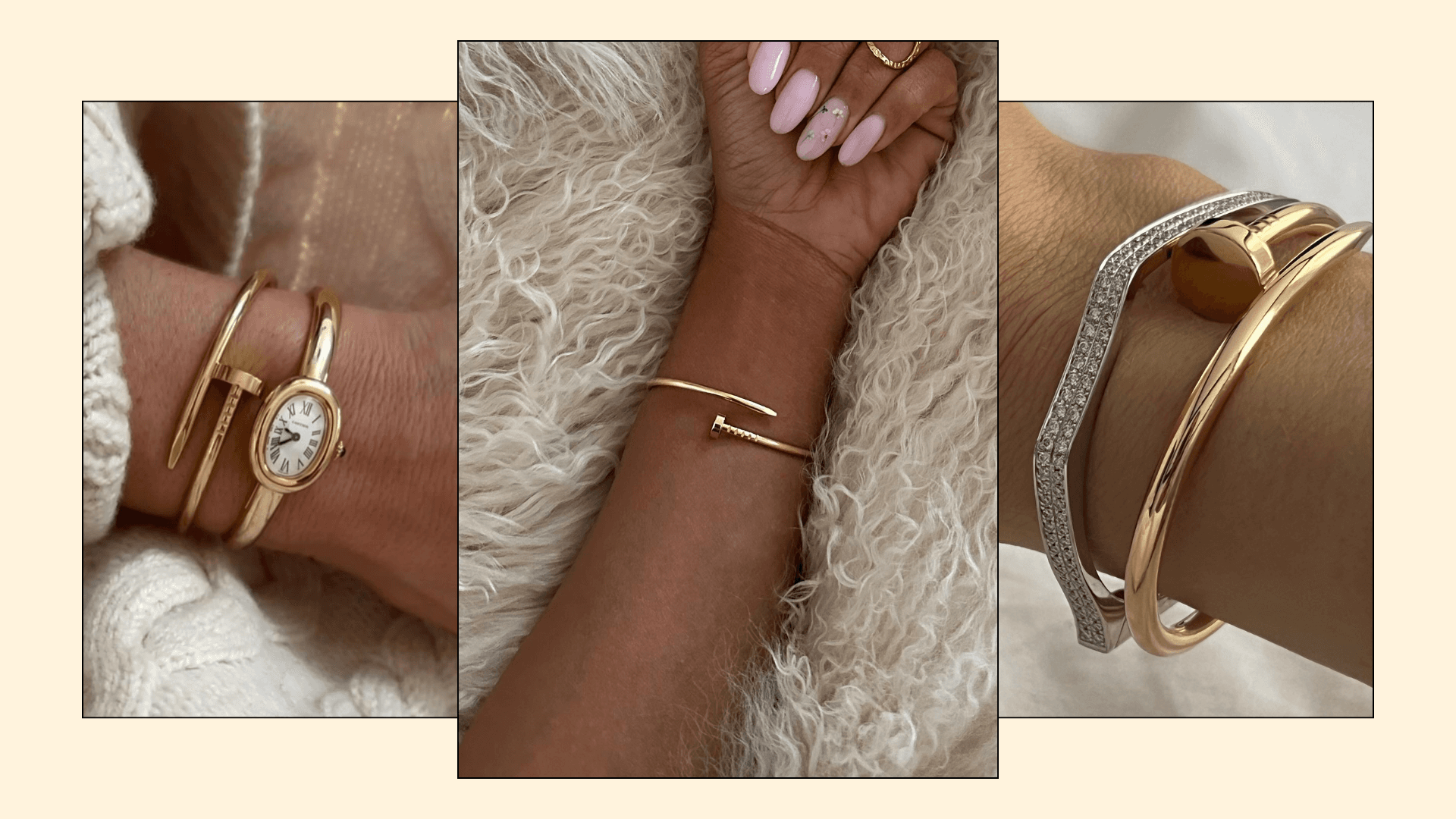
How diamond cuts shape minimalist jewelry, from bezels to rose cuts
The cut is what makes minimalist jewelry feel crisp, soft, architectural, or classic, especially when a bezel or prong setting changes the stone’s outline.
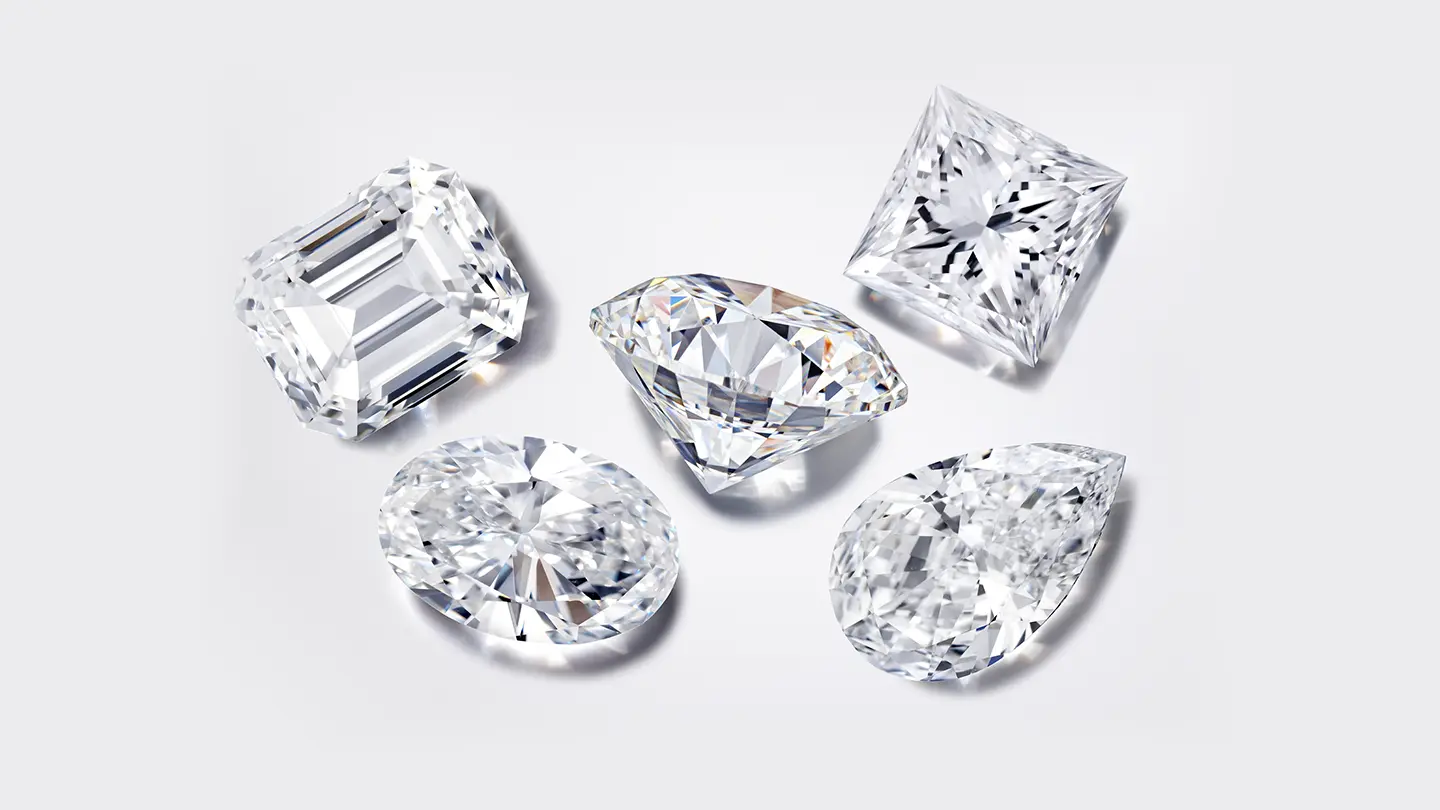
In minimalist jewelry, the diamond cut is never neutral. A round brilliant reads calm and classic, a princess cut turns a clean bezel into a sharp frame, and a rose cut replaces high sparkle with a lower, quieter glow. GIA’s shape guidance is useful because it shows that the stone and the setting work together, especially when the design is stripped back to a solitaire or a bezel.
How the setting changes the stone’s voice
A minimalist ring depends on proportion, not ornament. In GIA’s setting terminology, the head secures the diamond, while prongs leave the stone more open to light. A bezel does the opposite in visual terms: it draws a continuous border around the diamond, tidies the outline, and makes the whole piece read as one smooth form.
That difference matters because minimalist jewelry often lives or dies on silhouette. A bezel can make a stone feel graphic and controlled, while prongs can make it feel lighter and more exposed. GIA notes that a bezel setting helps prevent the center stone from falling out and protects the girdle against bumps, bangs and other accidents, which is why it suits daily-wear pieces that need a disciplined, no-fuss profile.
Round brilliants: the classic minimalist solitaire
The round brilliant remains the most balanced choice when the goal is restraint without austerity. Its symmetry keeps the look uncomplicated, and in a solitaire it has a familiar, almost architectural steadiness that does not rely on decoration to feel complete. In a minimalist ring, that balance is the point.
GIA’s round-diamond guidance adds a useful detail for modern tastes: a four-prong setting covers up less of the setting and can make round diamonds look somewhat squarer, which reads more minimalist and modern. That subtle shift changes the mood of the stone without changing its identity. If you want a round diamond to feel less bridal and more design-led, four prongs can make the outline feel cleaner and a little more graphic.
When a round stone feels most minimal
- In a prong setting, the round brilliant looks open and airy, with more of the diamond visible.
- In a four-prong setting, the shape can feel slightly squarer and more contemporary.
- In a bezel, the same round stone becomes more contained, with a smooth perimeter that softens its sparkle into a clearer, simpler form.
Oval cuts: softness with length
Oval diamonds bring a different kind of minimalism, one built on line rather than symmetry alone. Their longer, softer shape creates a more elongated read on the finger, which can make a solitaire feel elegant without becoming ornate. The visual effect is quiet but not static, especially when the stone is mounted low.
That low-profile setting matters because it keeps the oval close to the hand, where the shape reads as part of the ring’s architecture rather than a raised centerpiece. In minimalist jewelry, that can be a major advantage: the stone covers more visual ground without needing a large, flashy profile. The result is refined rather than showy, with a gentler silhouette than a round brilliant or princess cut.
Princess cuts: the sharpest minimalist geometry
Princess cuts bring the most explicit architectural energy to a stripped-back ring. Their crisp corners and square geometry already supply structure, so they pair naturally with clean lines and spare metalwork. GIA says princess cuts can be set in bezel settings for maximum protection, and that combination is ideal for minimalist, Art Deco, or vintage-inspired settings.
That is the strongest argument for princess cuts in minimalist design: the shape does part of the design work before the setting even enters the picture. A bezel reinforces the stone’s geometry with an uninterrupted rim, so the ring reads as a single, deliberate object rather than a cluster of parts. If round brilliants are classic and ovals are soft, princess cuts are the most architectural choice in the minimalist palette.
Why the bezel suits a princess cut so well
- The square outline becomes sharper and more legible.
- The bezel protects the stone and creates a smooth border.
- The finished ring can lean minimalist, Art Deco, or vintage-inspired without additional ornament.
Rose cuts: quiet sparkle with old-world character
Rose cuts answer a different minimalist brief. GIA describes them as a beautiful alternative for those drawn to old-world romance, minimalist sparkle and unique design. Their flatter profile and subdued glow make them feel less like a spotlight and more like a whisper, which is exactly why they work so well in pared-back settings.
This is not the high-voltage brilliance of a modern round brilliant. It is something softer and more atmospheric, the kind of light that sits on the surface rather than throwing flashes across the room. In a minimalist ring, that restraint becomes the design language itself. A rose cut can make the piece feel intimate, distinctive and quietly luxurious, especially when paired with a bezel that keeps the look clean.
Choosing the shape that matches your version of minimalism
Minimalism in jewelry is not one aesthetic. It can mean crisp, soft, architectural or classic, and the cut determines which of those moods takes over. If you want a ring that feels balanced and familiar, a round brilliant gives you the most classic read. If you want length and softness, an oval shifts the eye along the finger and feels gentler in profile. If you want straight lines and modern structure, a princess cut brings the clearest geometry. If you want a low-glow, more atmospheric piece, a rose cut offers understatement with personality.
The setting should sharpen that decision rather than blur it. Bezel settings create a smooth, continuous outline and add protection, which is why they are so effective in minimalist jewelry. Prong settings keep the stone more open to light, and GIA notes that prongs allow a diamond to catch the most light. That means a prong-set solitaire often feels airier, while a bezel-set solitaire feels more contained and exact.
The best minimalist ring is the one whose proportions stay honest when the ornament disappears. A four-prong round diamond can look square and modern. A princess cut in a bezel can feel disciplined and graphic. A rose cut can turn the entire piece into a study in soft light. Each choice changes the visual language of the jewel, and that is what makes cut so important in clean, pared-back design.
That lineage also explains why solitaires remain so influential. GIA’s history coverage places the modern diamond engagement ring tradition in the United States in 1939, when De Beers launched its “A Diamond Is Forever” campaign. From there, the solitaire became a kind of cultural shorthand, and minimalist jewelry still borrows that clarity: one stone, one setting, one line of thought, executed with enough precision to make restraint feel complete.
This article was produced by Prism’s automated news system from verified source data, official records, and press releases, then run through automated quality and moderation checks before publishing. The system is built and supervised by the people who set the standards it runs under. Read our full AI policy.
Did this article answer your question?