How to Clean Gemstone Jewelry Safely: Minimalist Methods and Care
Clean most gemstone jewelry with warm, soapy water and a soft brush, but treat pearls, opals, emeralds and coated stones with gentler, non‑soaking care and get periodic professional inspections.
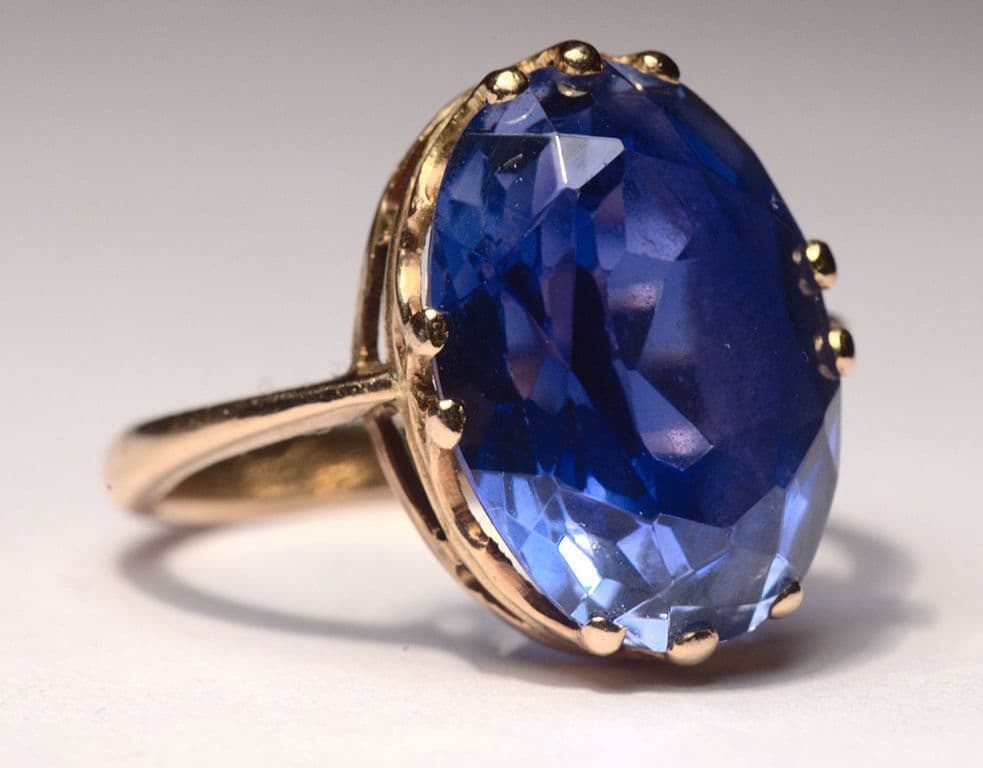
Minimalist care begins with a simple truth: most fine jewelry needs nothing more exotic than a mild detergent, warm water and a soft brush. Multiple expert guides — including AmericanGemsociety, Bestbrilliance, Borsheims and a longstanding IGS how‑to — converge on that baseline, while other advisories single out pearls, opals, emeralds, moonstone and certain treated stones for gentler handling or professional treatment.
General cleaning steps
Follow a clear, sequential routine each time you clean jewelry. Start by visually inspecting the piece to ensure stones are secure in their mountings, a step Borsheims explicitly recommends before any at‑home cleaning. When you work over a sink, close the drain to prevent a lost stone from disappearing. For most pieces the practical routine is:
1. Prepare warm or lukewarm water with a small amount of mild dish soap or a specially formulated jewelry cleaner, as AmericanGemsociety suggests.
2. Submerge only pieces that tolerate soaking, then gently dislodge grime with a soft‑bristled toothbrush or specialized jewelry brush.
3. Rinse thoroughly under running warm or lukewarm water to remove residue.
4. Pat dry with a soft, lint‑free cloth and allow the piece to air dry completely before storing or wearing.
These steps reflect the consensus in the IGS guide and explicit instructions from AmericanGemsociety, Bestbrilliance, Nelsoncoleman and Borsheims.
- Mild dish soap or a “specially formulated jewelry cleaning solution,” as AmericanGemsociety names as an option.
- A soft‑bristled toothbrush or a dedicated jewelry brush for crevices, recommended by AmericanGemsociety, Bestbrilliance and Nelsoncoleman.
- Soft, lint‑free cloths for patting dry and polishing, cited by AmericanGemsociety and Bestbrilliance.
- A silver polishing cloth and, when appropriate, gentle silver cleaner; Borsheims and AmericanGemsociety advise caution and label‑reading before using commercial products.
- A clean soft cotton cloth for polishing gold, per Borsheims.
Tools and supplies
Keep a pared down kit on hand:
Keep the kit minimal; abrasive cloths or household cleaners are explicitly off limits.
Rinsing and drying
Rinse under warm or lukewarm water to remove any soap residue, as AmericanGemsociety and Bestbrilliance advise. After rinsing, “Gently pat your jewelry dry with a soft, lint‑free cloth to avoid water spots and tarnish,” AmericanGemsociety instructs, and Bestbrilliance adds that diamonds can be rinsed and allowed to air‑dry. Always let the piece dry completely before storing, and avoid rubbing porous gems while wet.
Metal‑specific instructions
Gold and sterling silver require different finishing steps. AmericanGemsociety recommends a mild soap and water solution for gold, followed by polishing with a soft cloth. Borsheims cautions that gold and sterling silver “are delicate and can be scratched, so always polish with a clean, soft cotton cloth and never use abrasive cleansers.” For silver, AmericanGemsociety suggests a silver polishing cloth or a gentle silver cleaner, but Borsheims is more restrictive: do not use commercial silver cleaners on gemstone pieces because they may damage stones, and reserve those products for all‑metal pieces that are badly tarnished.
Gemstone‑specific care Diamonds Bestbrilliance’s step‑by‑step approach is precise: “Soak diamond jewelry in warm, soapy water with a mild detergent. Using a soft‑bristled brush, like a baby toothbrush, loosen dirt and debris. Rinse with warm water and allow to air‑dry.” Diamonds tolerate gentle soaking and brushing well.
Sapphires and rubies
Bestbrilliance recommends the same gentle soak‑and‑brush method used for diamonds, but explicitly warns that “these gemstones should not be subjected to an ultrasonic steam cleaner, which may damage stone treatments.”
Emeralds
Bestbrilliance is firm: “A soft cloth dampened with tepid water and mild soap is all you need. No soaking or ultrasonic cleaners on emeralds please - these stones may become compromised.” Treat emeralds as delicate, non‑soaking pieces.
Garnet
Nelsoncoleman gives a clear, conservative routine: “Use warm water, mild soap, and a soft brush to clean garnet jewelry. Gently scrub the surface to remove dirt and rinse thoroughly. Pat dry with a lint‑free cloth to avoid water spots. Avoid using abrasive cleaners or ultrasonic devices, which can damage the stone.” They also note that while most garnets are untreated, some rare varieties may be enhanced and should be handled per jeweler guidance.
Moonstone
Nelsoncoleman’s guidance for moonstone is cautious: “Clean moonstone gently with a damp cloth. For more thorough cleaning, use warm water and mild soap, wiping carefully with a soft cloth or brush. Avoid ultrasonic and steam cleaners, which can damage its internal structure. Rinse thoroughly and pat dry with a soft, lint‑free cloth.” Moonstones may also carry coatings that require extra care.
Pearls, amber, coral, opal and turquoise
Jim’s Jewelers gives a strict rule: these porous and organic materials “need extra care: wipe gently with a damp cloth, never soak, and keep away from cosmetics and sprays. Store flat in a soft pouch to prevent scratches.” Nelsoncoleman echoes the need to avoid thermal shock for opals and pearls and to keep them away from chemicals and sprays.
Amethyst and other soft gems
Bestbrilliance classifies amethyst and similar soft stones as suitable for cleaning with a dampened soft cloth or mild soap, and warns, “Never use harsh chemicals and cleaners.”
Treated or enhanced stones
Treatments change the care equation. Nelsoncoleman notes that some garnets and moonstones “may be enhanced,” and you should “consult a jeweler for specific care instructions.” Bestbrilliance warns that treated sapphires and rubies can be vulnerable to ultrasonic or steam cleaning. Borsheims recommends asking a gemologist at purchase for the best cleaning procedure for your specific piece. When in doubt, treat the stone as if the surface or color is enhanced and avoid soaking, heat and harsh solvents.
Ultrasonic and steam cleaner cautions
Several sources place explicit limits on mechanical cleaning. Nelsoncoleman warns against ultrasonic devices for both garnet and moonstone. Bestbrilliance specifies that sapphires, rubies with treatments and emeralds should avoid ultrasonic or steam cleaning. Borsheims gives the practical safety angle: ultrasonic cleaners can damage fragile stones and an insecurely set gem could be dislodged and lost during the process. Use these machines only when a jeweler has verified both the stone type and the security of the setting.
Professional care and inspection
Professional cleaning and inspection are not optional extras. Nelsoncoleman says, “Professional cleanings help maintain your garnet’s brilliance and polish. Jewelers can also inspect and tighten settings to ensure your jewelry remains in excellent condition.” Bestbrilliance similarly advises periodic professional inspection for loose stones or missing prongs. Borsheims recommends consulting a gemologist or jeweler at purchase for the best cleaning procedure for that particular piece.
Wearing and storage habits
Routine behavior prevents most cleaning headaches. Bestbrilliance and Nelsoncoleman advise removing jewelry for sports, gardening and household cleaning and applying makeup, hairspray and perfume before dressing. Store pieces separately in soft pouches or compartmentalized boxes to prevent scratching, and for delicate items such as pearls and opals follow Jim’s Jewelers’ guidance to store them flat in a soft pouch.
Safety and preparatory steps
Before any cleaning, visually inspect mountings and secure loose stones; Borsheims emphasizes this check. Close the sink drain when you clean over a basin. Avoid sudden temperature changes, a specific Nelsoncoleman caution for opals, emeralds and pearls which can crack under thermal shock.
Consensus and source differences
The core consensus is clear: mild soap, warm water and a soft brush are safe for most pieces, a point shared by AmericanGemsociety, Bestbrilliance, Borsheims and the IGS excerpt. Differences appear in wording and limits: AmericanGemsociety uses “lukewarm,” Bestbrilliance and Nelsoncoleman use “warm,” but both temperatures are functionally similar. On silver cleaners there is a real divergence: AmericanGemsociety allows “a gentle silver cleaner,” while Borsheims warns, “Do not use commercial silver cleaners on gemstone pieces.” On ultrasonic cleaners the lists differ by source, so follow the specific stones named by Nelsoncoleman, Bestbrilliance and Borsheims before you run a machine.
- The IGS guide describes itself as “Evergreen, expert how-to guide for cleaning and caring for gemstone and delicate jewellery. The IGS guide explains: general cleaning steps (mild detergent, warm water, soft brush), why different gems and settings require tailored approaches (porous or treated stones, soft gems like opal or pearl), t” — the sentence is truncated in the available text.
- AmericanGemsociety opens with “Gentle Cleaning Solutions: When it comes to cleaning jewelry, you want to avoid harsh chemicals or abrasive cleaners that can damage delicate metals and gemstones.”
- Nelsoncoleman’s specific clean‑and‑dry instruction for garnet reads, “Use warm water, mild soap, and a soft brush to clean garnet jewelry.”
- Jim’s Jewelers includes the UI snippet lines “Don’t have an account? Sign up now” and “Jim's Jewelers logo.”
- Borsheims’ short metadata includes “Reading Time: 3 minutes.”
Source excerpts and notable fragments preserved here
Several verbatim lines appear in the source material and are worth noting:
Explicit gaps and truncations
The IGS excerpt ends abruptly with a truncated fragment; several source excerpts include ellipses that indicate omitted additional tips. Where the original texts left off, I have not invented further claims.
Keep it simple, keep it careful
The minimalist regimen for gemstone jewelry is pragmatic: use warm, soapy water and a soft brush for most stones, rinse and dry with lint‑free cloths, and reserve soaking, ultrasonic machines and commercial silver cleaners for pieces that are confirmed safe by a jeweler. When a stone is porous, treated or historically fragile, err on the side of gentleness and professional care. That small discipline preserves both beauty and provenance, and it keeps your pieces wearable for the long term.
This article was produced by Prism’s automated news system from verified source data, official records, and press releases, then run through automated quality and moderation checks before publishing. The system is built and supervised by the people who set the standards it runs under. Read our full AI policy.
Did this article answer your question?


