Jackie Ansell's Hysteria turns Victorian restraint into empowered jewelry
Jackie Ansell’s Hysteria gives Victorian restraint a sharper meaning, pairing a $575 padlock necklace with cameo jewelry and corset references that still read as everyday wear.
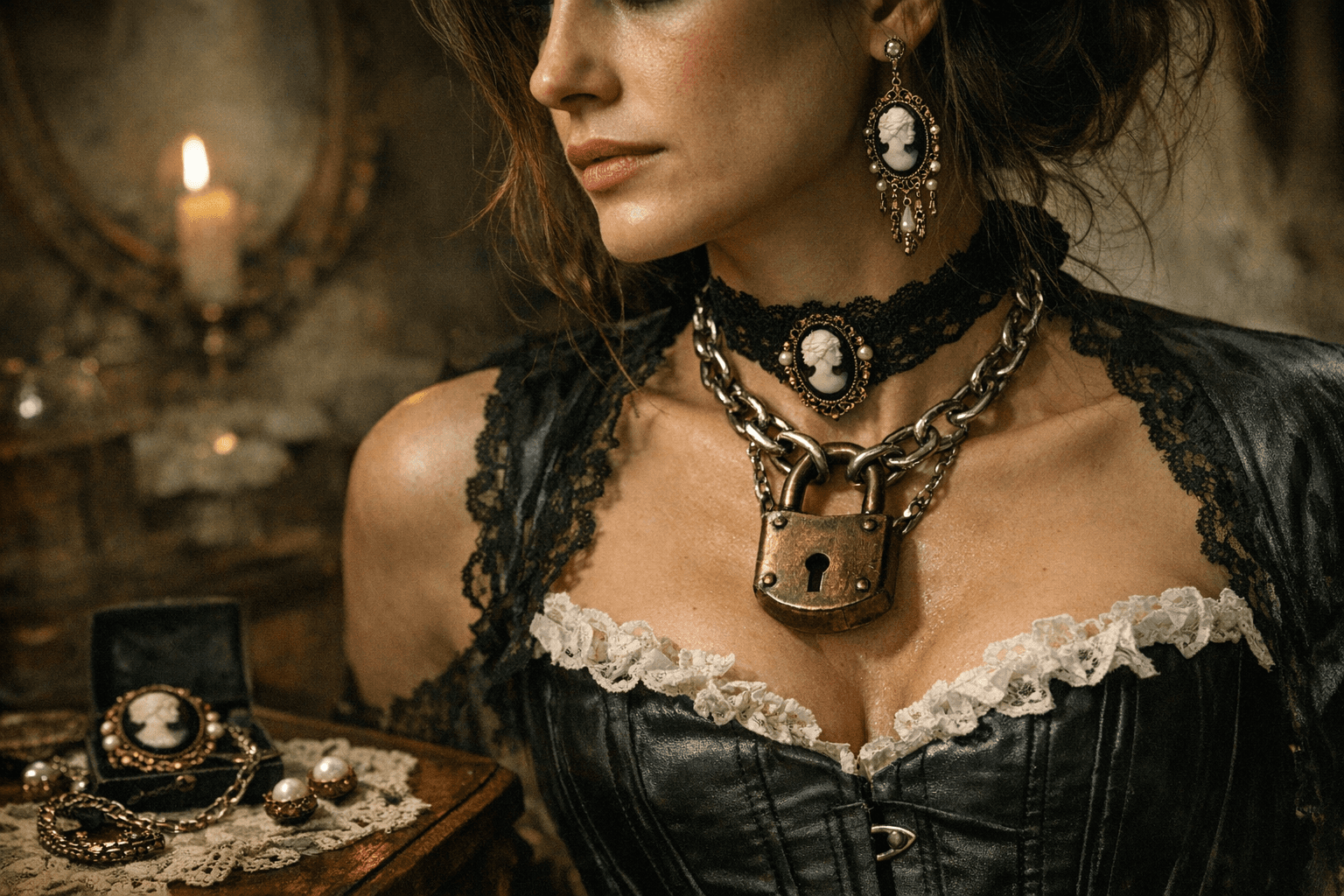
Jackie Ansell has made restraint feel subversive. With Hysteria, the designer turns corsets, etiquette rules, and the old label of “hysteria” itself into jewelry that is small in scale but heavy with meaning, starting with a $575 Shackle of Ophelia necklace that looks more like a private code than a costume piece.
A brand built from family history and reclamation
Hysteria is not a minimalist brand in the empty, all-surface sense. It is a demi-fine jewelry label built around a personal argument: that the things once used to police women, from tightly bound corsets to the demand to “speak gently, laugh softly,” can be reworked into symbols of elegance and quiet power. Ansell has said the idea also comes from home, especially her sister’s diagnosis of myalgic encephalomyelitis/chronic fatigue syndrome and the medical history in which women’s symptoms were dismissed as hysteria.
That reclamation gives the brand its charge. Rather than flattening the word into a gimmick, Ansell uses it as a lens for family memory, psychology, and the emotional pressure placed on women across generations. The result is jewelry that does not shout, but still lands with intent.
The career path behind the collection
Ansell’s point of view did not come from fashion alone. She grew up in Cincinnati, Ohio, spent weekends at a local bead shop, studied art history at Colgate University, graduated in 2014, worked at VaynerMedia for two years, and later earned a master’s in design management from Pratt Institute in New York City. Her background spans art, design, psychology, and technology, which helps explain why Hysteria feels conceptually layered without becoming academic.
She also balanced the brand with a full-time corporate job for years before Walmart asked her to relocate from New York City to Arkansas. That move pushed the project from side hustle to serious business. Ansell had already been working on Hysteria in 2025, but the momentum sharpened from there: the brand officially debuted its first collection, The Awakening, in January 2026, and exhibited at Brand Assembly in New York City later that month.
Why the jewelry reads as wearable, not theatrical
The smartest thing Hysteria does is keep the symbolism within a restrained silhouette. The Shackle of Ophelia necklace is the clearest example. At $575, it is the hero piece, but the idea is less medieval drama than modern armor, with a padlock-inspired form that suggests protection rather than imprisonment. That is the design trick here: the object carries a story, yet it remains close enough to the neck to work with a white shirt, a knit turtleneck, or a clean black dress.
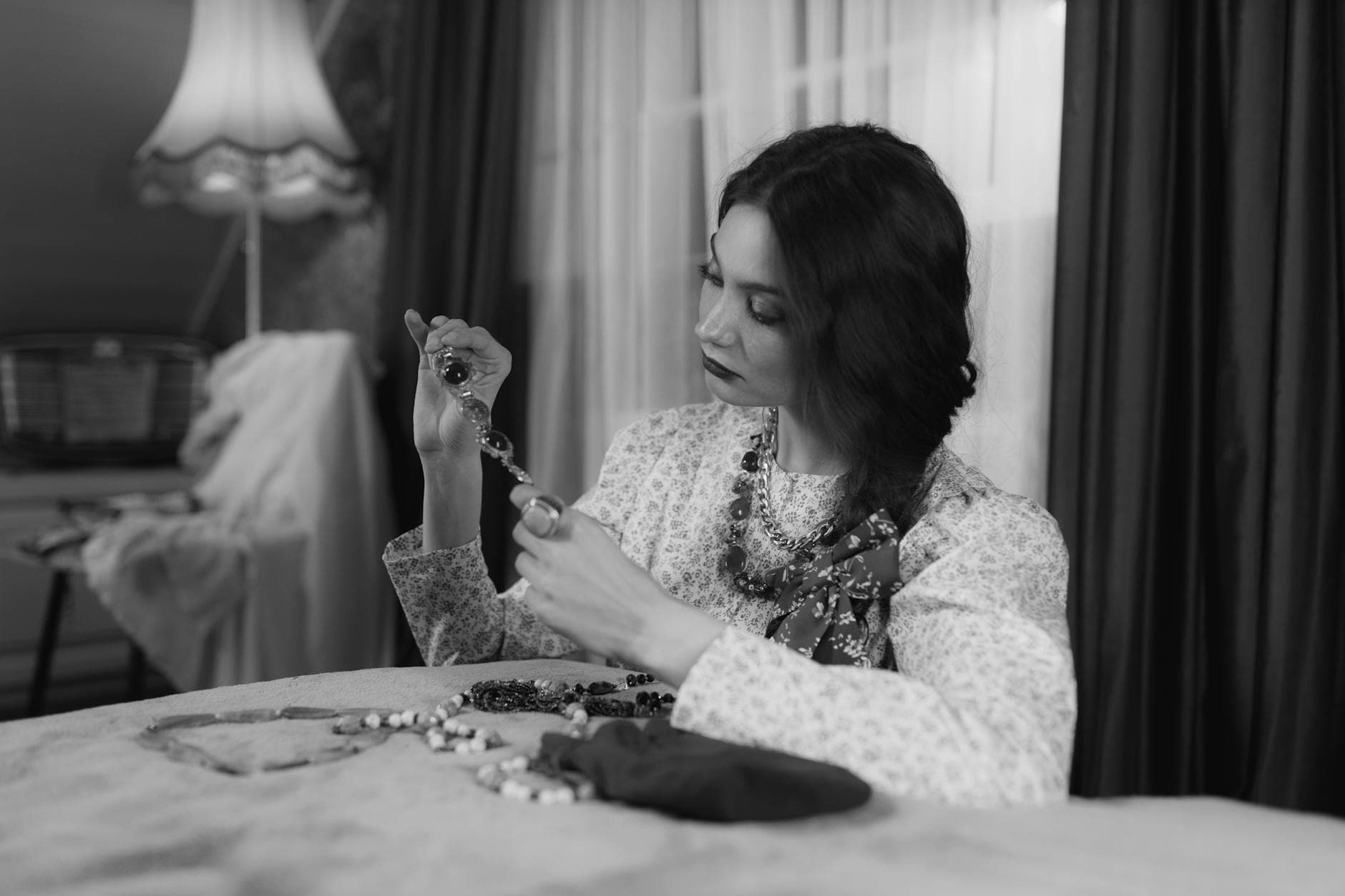
The same balance shows up in the Cinched Cameo necklace, priced at $450. Cameos can veer precious or overly referential, but Ansell treats them as a vehicle for pressure and release, tying the form back to the idea of cinching and containment without making the piece feel heavy. The Warm Cascade chandelier earrings, at $550, bring in movement and a little glamour, while the Cinched Cameo earrings, at $345, translate the collection’s ideas into a smaller, easier daily gesture. Together, these pieces prove that symbolic jewelry does not have to abandon wearability to say something.
Materials and making matter here
Hysteria’s craftsmanship story is part of its appeal. The brand says its jewelry is designed in New York and hand-crafted in Rhode Island, a combination that gives the line a clear design center and a domestic production base. It also says its bone-carved stones are ethically produced by skilled female artisans in Bali, a detail that matters because the source of the ornament is as central to the brand as the form itself.
That specificity keeps the collection from drifting into vague romance. The brand is not simply invoking “heritage” and “artisanal” as marketing adjectives. It names where the work happens, who makes it, and how the materials are handled. In a category crowded with hazy claims, that kind of clarity is what makes symbolic jewelry feel worth the asking price.
Why cameo jewelry fits the moment
Ansell has said cameo jewelry is gaining momentum because consumers are moving beyond minimalism and want more intention, drama, and personality. That tracks with the shape of Hysteria’s first collection. The pieces are antique-leaning, but they are not museum pieces, and they are sentimental without becoming saccharine. They speak to a customer who wants jewelry to carry a point of view, not just polish an outfit.
That is why Hysteria’s strength is not maximalism, despite the theatrical references. The brand works by trimming the story down to a few charged forms: the lock, the cameo, the cinched line, the softened chandelier. Each piece suggests a larger history, but each one still sits lightly enough to wear without ceremony. In that sense, Ansell has done something unusually elegant: she has taken the visual language of confinement and turned it into jewelry that feels like agency.
Know something we missed? Have a correction or additional information?
Submit a Tip