Minimalist Jewelry Brands Embrace Sustainability, Versatility, and Timeless Everyday Design
Minimalist jewelry works best when it solves a daily wardrobe problem, with pieces built for layering, office wear, sensitive skin, and traceable sourcing.
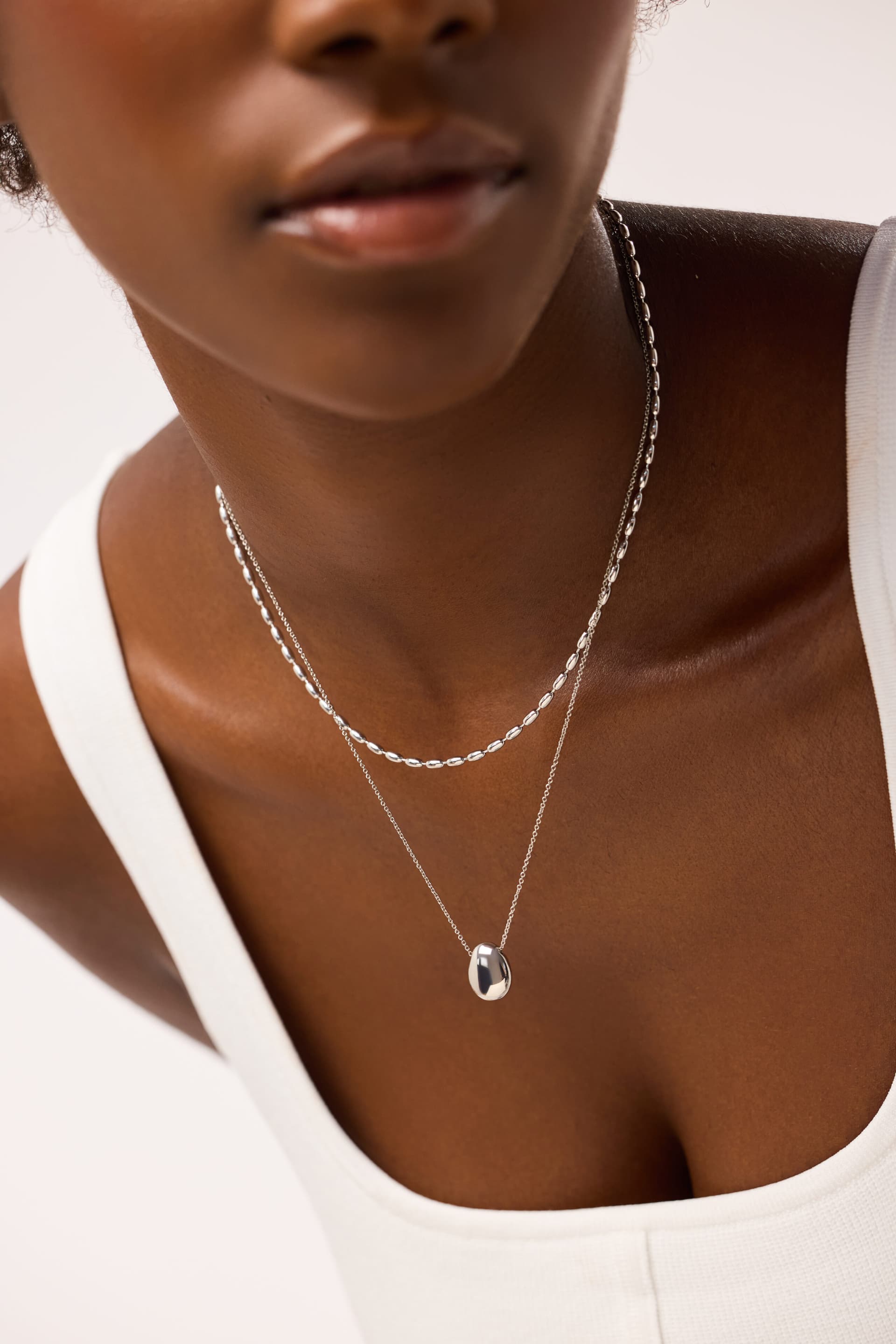
The thin chain that disappears against a T-shirt is often the first piece that proves minimalist jewelry has real staying power. The best labels in this space are not chasing novelty; they are making pieces that can be worn to work, on weekends, and with formal clothes, which is why minimalist jewelry is often treated as an investment in versatility rather than a passing trend.
Why minimalist jewelry keeps earning a place in the box
The Good Trade’s January 27, 2026 roundup reflects a clear shift in how readers shop: with more attention to durability, sustainability, and how often a piece will actually leave the drawer. The editors say they have researched, tested, and worn sustainable jewelry for years, and that hands-on experience matters because minimalist jewelry succeeds or fails on wearability, not on a styled photograph.
That broader appeal is tied to the industry’s sustainability debate. The Responsible Jewellery Council was founded in 2005 by 14 organizations including De Beers, Tiffany & Co., and Cartier, and now unites more than 2,000 companies across the global watch and jewelry supply chain. At the same time, CIBJO recommended a clearer definition of recycled gold in March 2025, a sign that sourcing language has become central to how people judge value. WWF has also said current mining activities pose major challenges for nature and local communities, which helps explain why traceability and ethical sourcing now sit at the center of the minimalist category.
Best for layering: pieces that build quietly, not loudly
Layering is where minimalist jewelry shows its intelligence. The strongest brands in this lane tend to favor slender chains, small pendants, fine rings, and clean links that can sit close to the skin without tangling into a mess by midday. What separates a thoughtful label from a merely delicate one is construction: a chain that drapes well, a clasp that stays closed, and proportions that let one piece support another instead of competing with it.
In real wear, layering works best when one item brings just enough contrast. A smooth pendant against a plain chain, or a tiny hoop paired with a finer stud, creates depth without weight. The appeal is not abundance; it is precision, the kind that makes a simple white shirt or knit sweater feel finished without looking dressed for the occasion.
Best for the office: staples that read polished, not precious
For workdays, the right minimalist jewelry needs to survive a full schedule. Think low-profile hoops, stud earrings, slender bangles, and rings that sit close to the hand rather than snagging on sleeves or laptop keys. Office-appropriate pieces should feel considered from across a conference table and unobtrusive enough that you forget they are there until the end of the day.
This is where restraint matters most. A bezel-set stone, for example, tends to wear more smoothly than a prong setting because the metal edge wraps the gem and keeps the profile low, which can be a practical advantage for daily use. The best minimalist brands understand that polish is not the same as sparkle; often, the lasting impression comes from a clean line, a steady proportion, and a finish that survives frequent wear.
Best for sensitive skin: comfort is part of luxury
Minimalist jewelry becomes especially appealing when the skin is reactive, because simple pieces usually mean fewer irritants and less fuss. The safest bets are often nickel-free metals, well-made sterling silver, and higher-karat gold pieces chosen for their purity and longevity. Clean construction matters here too, because a smooth post, a well-finished edge, and secure closures can make the difference between a piece that gets worn and one that sits in a box.
This is also where material transparency becomes more than marketing language. If a brand can explain exactly what its metals are, where they came from, and how they were processed, it signals a level of care that sensitive-skin buyers tend to appreciate. In a category built on everyday intimacy, comfort is not a minor feature; it is the thing that determines whether a piece becomes part of your routine.
Best for sustainable sourcing: when the story behind the metal matters
Sustainable minimalist jewelry earns trust by being specific. Recycled gold, traceable supply chains, and responsible standards mean more when they are paired with clear definitions and verifiable practices, especially now that CIBJO has called for greater consistency around recycled gold. That matters because the market is crowded with claims, and the most credible brands are the ones that can explain their sourcing without drifting into vague language.
The larger context is hard to ignore. WWF has linked current mining activities to serious challenges for nature and local communities, and Harvard Business School’s David Ager has noted that younger Gen Z consumers appreciate diamonds but also carry environmental and ethical concerns about mining. That tension explains why minimalist and ethically minded jewelry brands have gained so much visibility: they offer the emotional appeal of fine jewelry with a cleaner conscience and a more practical daily footprint.
Best for giftable entry-price pieces: easy to give, easy to wear
The most giftable minimalist pieces are usually the ones with the least learning curve. Small hoops, petite studs, slim rings, and understated pendants tend to work because they do not require exact styling knowledge or an elaborate occasion to make sense. A good entry-price piece should still feel finished, though, with enough polish in the clasp, setting, and surface treatment to make it feel intentional rather than merely inexpensive.
This is where minimalist jewelry has a real advantage over louder categories. A person does not need a large collection to wear it well, and that makes the right piece feel more personal than extravagant. The best gift is often the one that slips naturally into everyday life, whether it is worn alone or folded into a longer stack later on.
Minimalist jewelry endures because it is built around use. The labels that matter most are the ones that understand daily life, from the way a chain lays against a collarbone to the way sourcing language now shapes confidence in a purchase. In a market increasingly defined by traceability, restraint, and repeat wear, the quietest pieces often prove to be the most persuasive.
This article was produced by Prism’s automated news system from verified source data, official records, and press releases, then run through automated quality and moderation checks before publishing. The system is built and supervised by the people who set the standards it runs under. Read our full AI policy.
Did this article answer your question?


