Navajo silversmith Enoch Platero wins 2026 Halstead Grant
Enoch Platero became the first Native American jeweler to win the Halstead Grant, taking a $7,500 prize that spotlights Navajo silversmithing in sterling silver and turquoise.
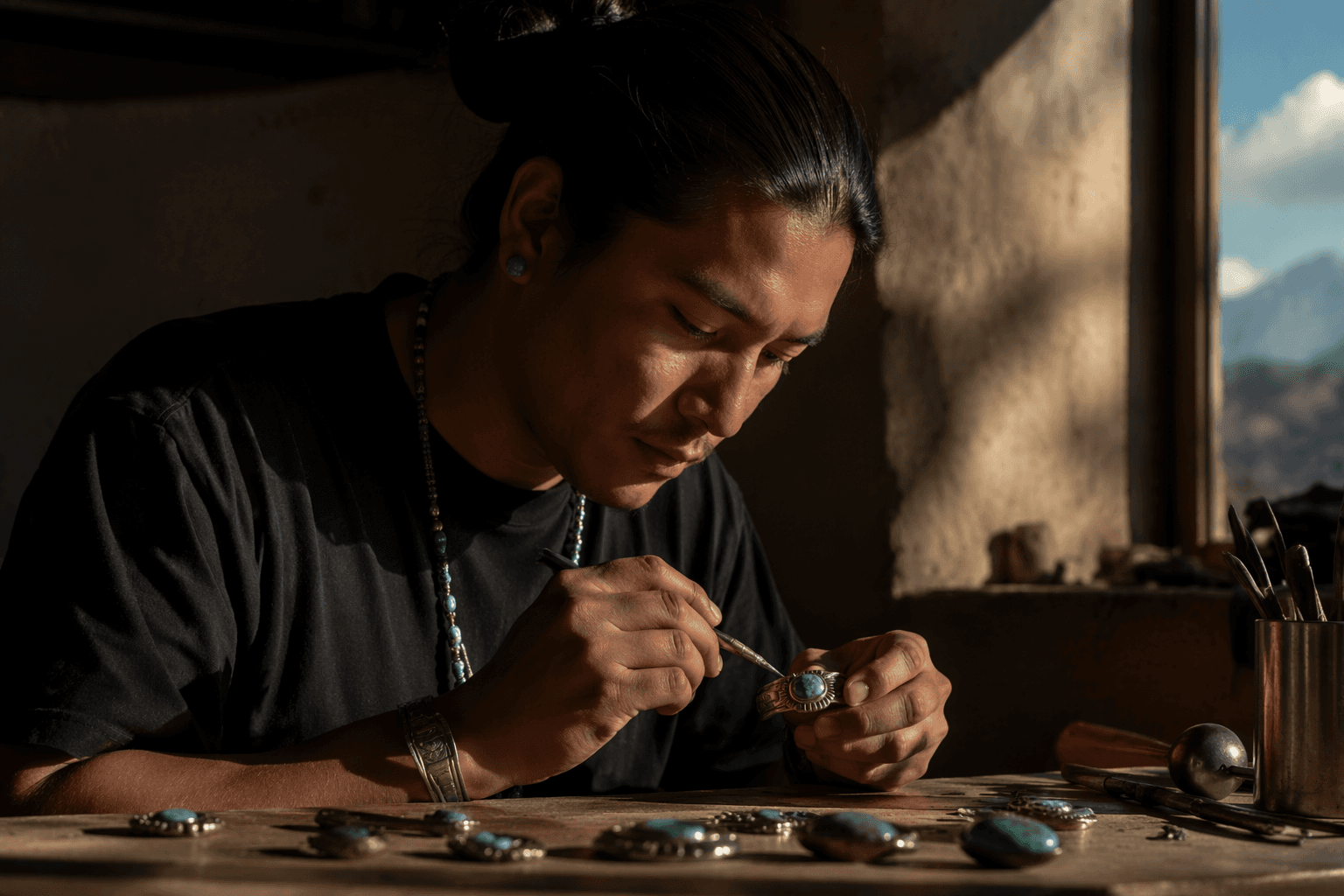
Enoch Platero has become the first traditional Native American jewelry artist to win the 2026 Halstead Grant, a recognition that pairs a $7,500 cash award with $1,000 in merchandise and a trip to Prescott, Arizona. His work is built in sterling silver and turquoise, with hand-fabricated forms that lean on structure, symmetry and balance rather than ornament for its own sake.
Halstead created the grant in 2006 to support emerging silver jewelry artists, and the 2026 award marks its 21st year. Applicants submit answers to 15 business questions along with design portfolios, a format that makes the program as much about entrepreneurship as aesthetics. The prize package also includes critique and feedback, press-release promotion, free Halstead JBF events for one year, free shipping for one year and a display trophy.
Halstead identifies the winner as Enoch Michael, a Navajo silversmith living in Utah whose designs translate traditional Native American jewelry into a contemporary vocabulary without severing it from its roots. That balance is central to the appeal of his pieces: the metalwork is disciplined, the silhouettes are clean, and the turquoise sits within the composition rather than overpowering it. His jewelry is sold in small batches online and at select events, a distribution model that matches the pace of hand fabrication.
Platero was also a finalist for the 2025 Halstead Grant, a detail that underscores how closely the award tracks both craft and persistence. His broader practice extends beyond finished jewelry into Indigenous fashion, metalsmithing instruction and tool making, all of which point to a maker deeply invested in the mechanics of the trade as well as its visual language.
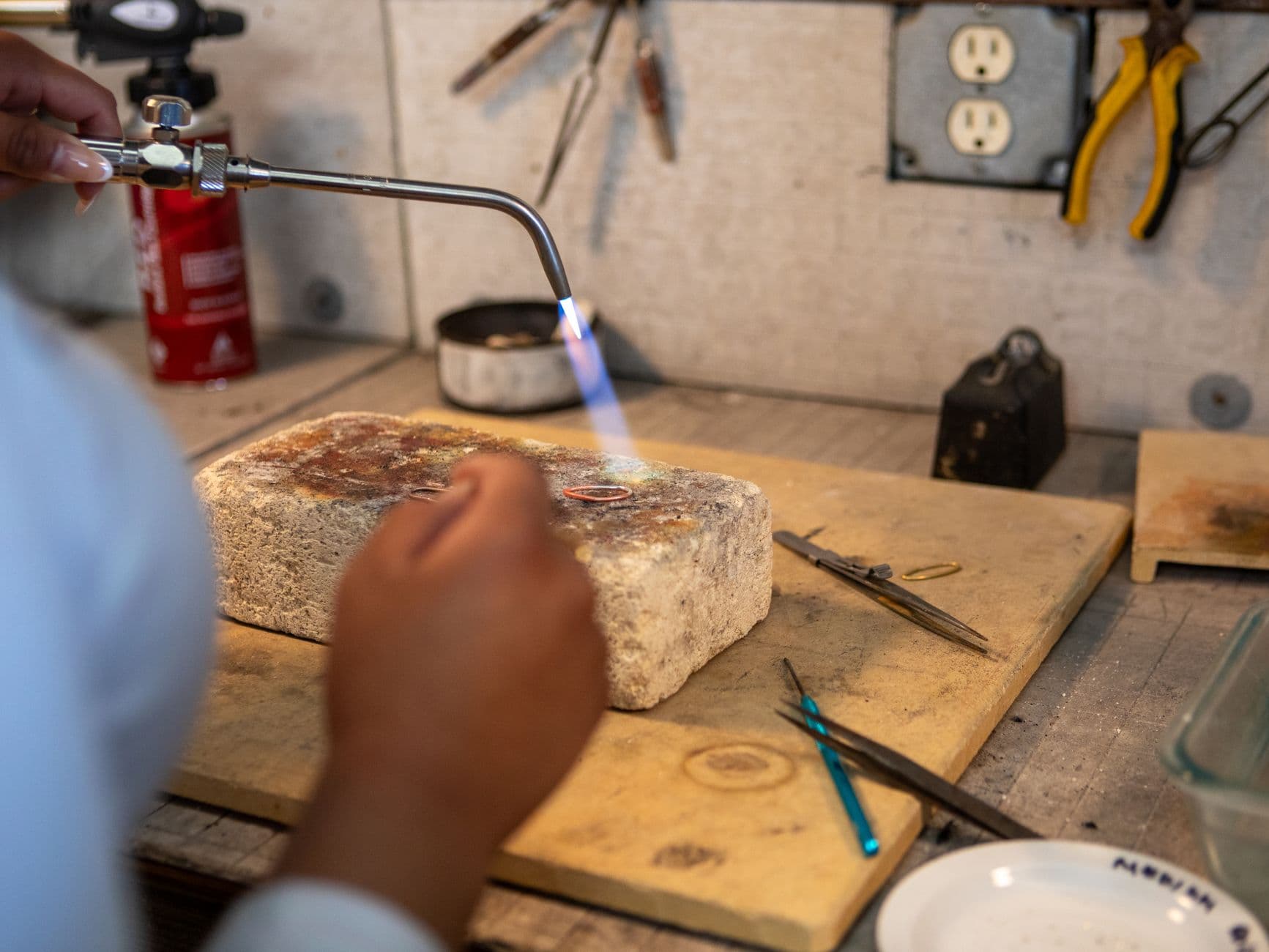
For Halstead, the grant has long been framed as a way to give new jewelry entrepreneurs startup capital while helping them build the business habits needed to survive beyond a single collection. In Platero, that mission lands on an artist whose Navajo identity is not a marketing gloss but the foundation of the work itself, carried through sterling silver, turquoise and a geometry that reads as both exacting and lived-in.
This article was produced by Prism’s automated news system from verified source data, official records, and press releases, then run through automated quality and moderation checks before publishing. The system is built and supervised by the people who set the standards it runs under. Read our full AI policy.
Did this article answer your question?

