White metals make a comeback as platinum gains new appeal
After years of yellow-gold dominance, platinum, silver and white gold are looking newly sharp, with everyday silhouettes leading the switch.
The new cool in jewelry is polished, not loud
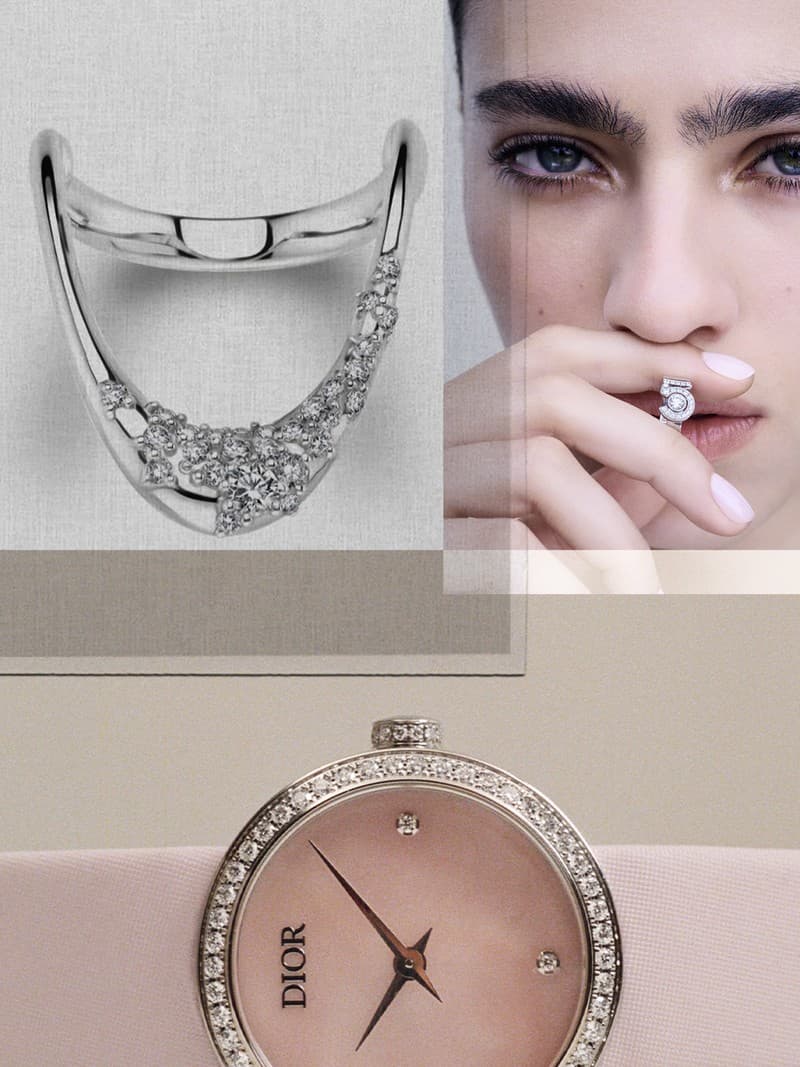
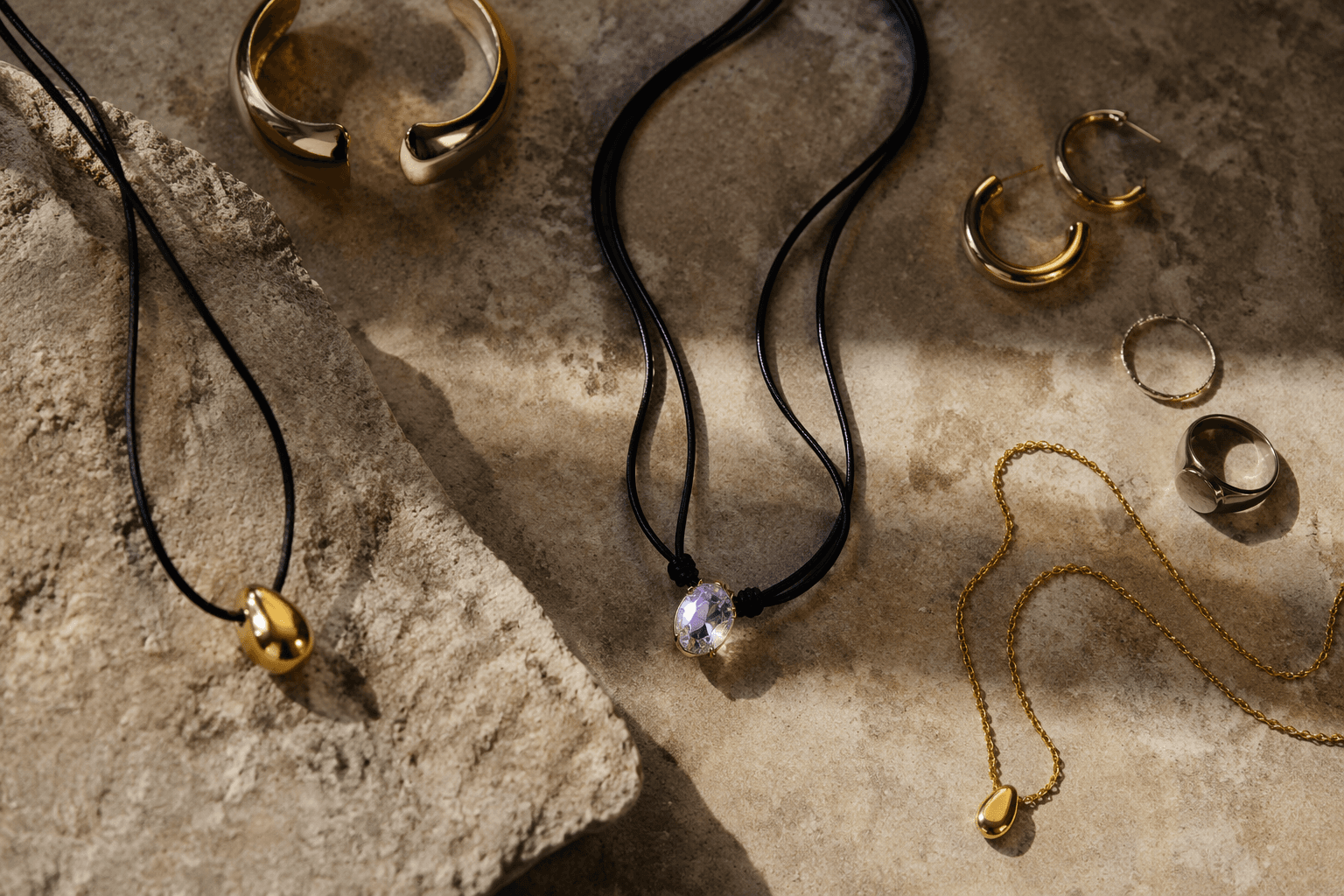
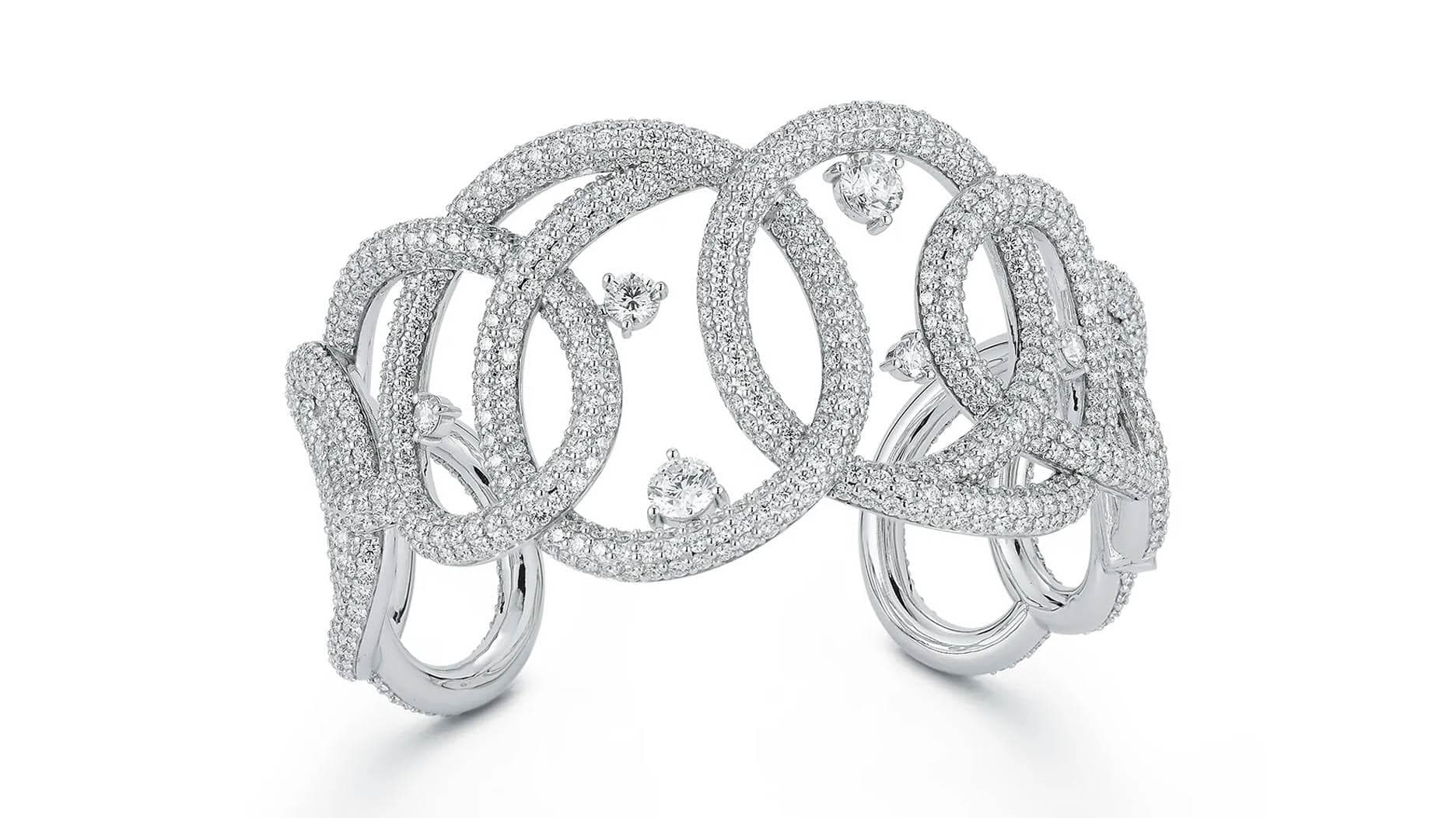
White metals are back in the conversation because they do what minimalists want best: sharpen a look without overworking it. National Jeweler’s Amanda Gizzi frames the shift as a cooldown after the long yellow-gold cycle, and the appeal is easy to see in the pieces leading it, a diamond climber, a mini pyramid ring in sterling silver, a moonstone necklace and white-gold bracelets. These are not statement jewels in the old sense; they are the kind of pieces that sit close to the body, catch light in small flashes and make an everyday stack feel edited.
The turn feels especially fresh because white metal has not vanished, it has simply been waiting for a new context. Platinum, silver and white gold now read as a cleaner, more architectural alternative to the warmth that has dominated for years. In a minimalist wardrobe, that matters: a cool-toned chain can look crisper against a white shirt, a silver ring can give a stack definition, and a platinum bracelet can make soft layers of pearl, moonstone or brushed metal feel intentional rather than accidental.
Why platinum suddenly feels broader than high jewelry
Platinum’s renewed appeal is not only aesthetic. The price gap between gold and platinum has made the metal more attractive outside the rarefied world of high jewelry, where it has always had a foothold. That shift is important because it changes platinum from a special-occasion material into something that can live in the daily rotation, especially in pieces built for constant wear, such as bracelets, slim bands and small diamond accents.
The numbers support that change in tone. The World Platinum Investment Council forecast platinum jewellery demand to rise 5% in 2025 to 2,114 koz, after demand increased 9% year-on-year in the first quarter of 2025. Europe was expected to post a 7% gain, North America 8% and Japan 5%, while China was projected to grow 15% as elevated gold prices and platinum’s discount encouraged fabricators and retailers to shift inventory. In January 2025, the council estimated the global white-gold market at 1.7 Moz, noting that even a 5% conversion of that demand into platinum could add about 100 koz a year from 2025 to 2028.

That is a meaningful signal for anyone watching jewelry style and not just commodity charts. Platinum is gaining traction because the market is quietly reorganizing around it, not because it has been reinvented.
What the new minimalist silhouette looks like
The strongest white-metal pieces right now share a clear visual language. The diamond climber is all line and movement, tracing the ear with a narrow arc of sparkle rather than hanging in a heavy drop. The mini pyramid ring in sterling silver brings a small hit of geometry, which is exactly what makes minimalist jewelry feel designed rather than plain. Moonstone necklaces soften the palette, but the cool glow of the stone is amplified, not dulled, by a white-metal setting. White-gold bracelets, meanwhile, sit at the center of the trend because they are discreet enough for daily wear but refined enough to register.
These silhouettes work because they are compact and precise. They do not compete with clothing, and they do not ask for a matching set. A single platinum bracelet can replace a stack that feels too busy; a slim white-gold band can break up a yellow-gold run; a silver ring with a sharp pyramid profile can make a softer collection feel more architectural. That is the quiet power of the comeback: the pieces are not trying to be the center of the story, but they change the whole sentence.
How to wear white metals now
There are three modern ways to approach the shift, and each has a different effect on a wardrobe.
- Switch fully if you want clarity. A fully white-metal stack feels the most distilled. Platinum and white gold read especially well in a wardrobe built around black, gray, ivory and navy, where the tone-on-tone effect lets shape and finish do the work.
- Mix with yellow gold if you want contrast. White metals can act like punctuation. A platinum bracelet next to a yellow-gold cuff, or a silver ring amid gold bands, creates a sharper rhythm than a single-metal stack ever will. The trick is to keep the proportions deliberate, not scattered.
- Use white metals to sharpen softer pieces. Moonstone, pearls, brushed surfaces and rounded bands can all benefit from a cooler edge. One white-metal element can prevent a stack from drifting too sweet or too polished, and that is where platinum and white gold are particularly useful.
The point is not to erase yellow gold. It is to use white metals the way an editor uses a sharp sentence, to tighten the whole composition. Platinum in particular brings that feeling because it has both visual restraint and material presence, which makes a bracelet or ring feel quietly substantial.

Retailers and designers are backing the shift
The trade is already moving in the same direction. Platinum Guild International’s Retail Barometer, which surveyed 300 fine jewelry retailers, found that non-bridal platinum sales grew more than 24% in 2025, and more than three-quarters of the retailers polled planned to add platinum inventory in 2026. The same survey also showed jewelers converting part of their white-gold business to platinum, while white gold continued to lose ground in Japan.
Designers are reinforcing the pivot with pieces that make platinum feel modern rather than ceremonial. Atelier VM added platinum to its 2025 lineup and described it as a material for understated, high-quality jewels. Among the new pieces were a platinum ring with a vintage note and a laser-welded bracelet that became a permanent accessory, the kind of detail that matters because it turns metal choice into lifestyle rather than category. That is the real story here: platinum is being positioned not as a relic of tradition, but as a permanent part of the everyday jewelry wardrobe.
The broader market suggests the move has room to grow. The World Platinum Investment Council said the platinum market recorded a third consecutive deficit in 2025, the largest in its time series back to 2013 at 1,082 koz. Total demand reached 8,297 koz, jewellery demand rose 9% and investment demand jumped 65%. When supply tightens and jewelry demand rises at the same time, the argument for platinum becomes stronger, not weaker.
White metals are returning because they answer a specific mood in jewelry right now: less display, more definition. Platinum, silver and white gold make a stack look cleaner, a silhouette look sharper and a daily piece feel more considered, which is exactly why this comeback looks less like a fad and more like a reset.
This article was produced by Prism’s automated news system from verified source data, official records, and press releases, then run through automated quality and moderation checks before publishing. The system is built and supervised by the people who set the standards it runs under. Read our full AI policy.
Know something we missed? Have a correction or additional information?
Submit a Tip