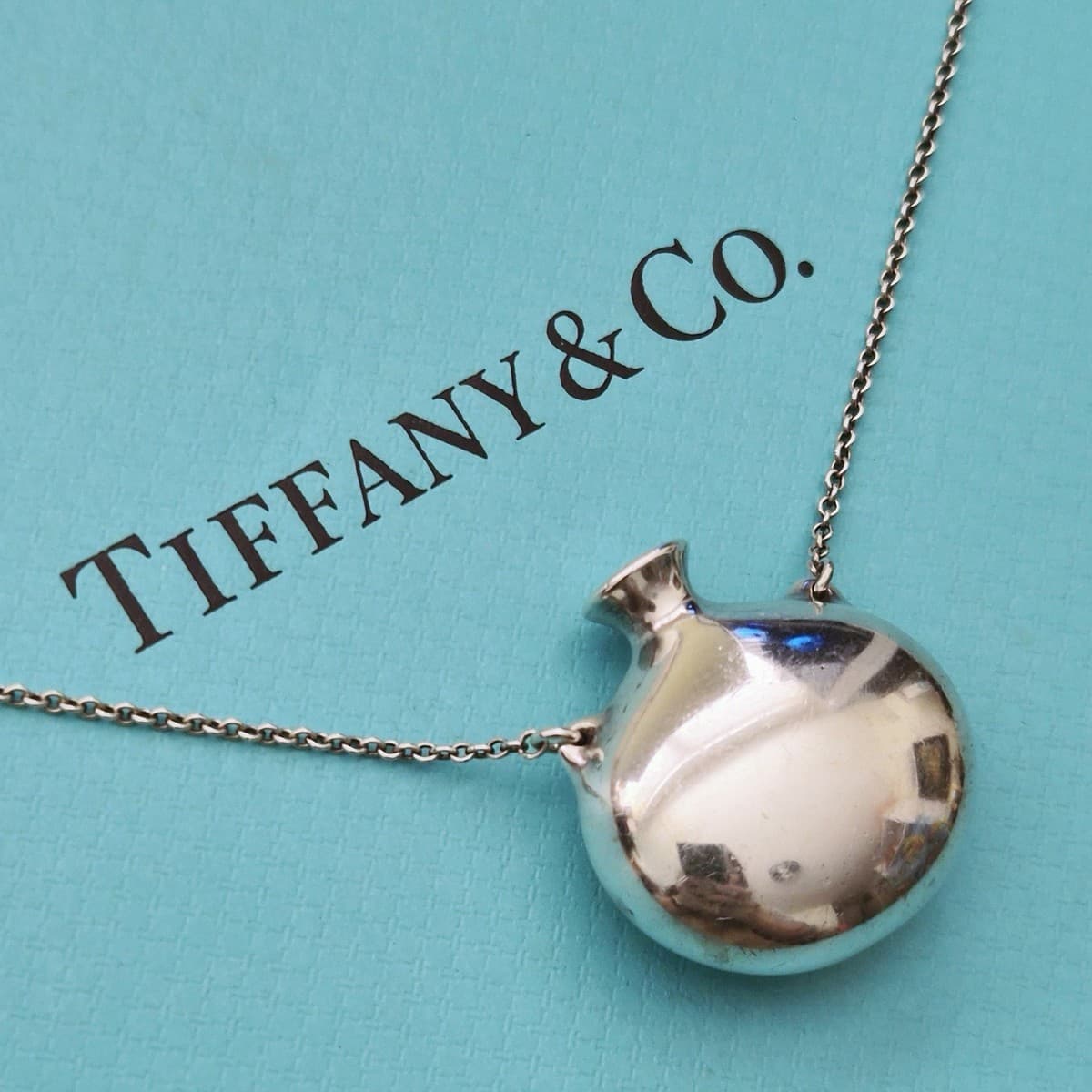
Why minimalist jewelry feels serene, imperfect, and timeless
Minimalist jewelry feels calm when it favors asymmetry, brushed metals, and quiet settings. Its real power comes from wabi-sabi, not generic calm-luxury branding.
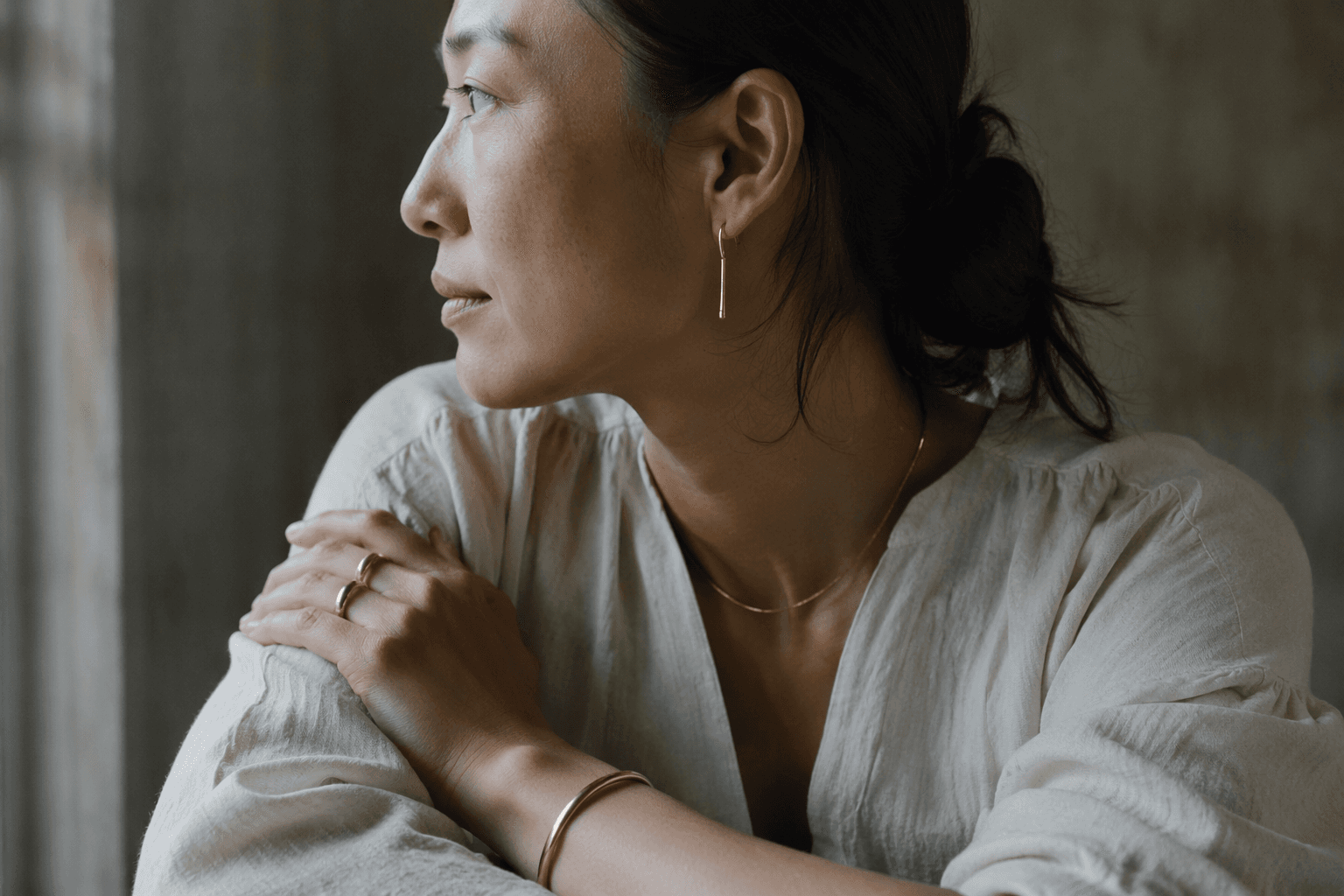
A slim silver pendant, a stone left slightly uneven, a diamond held with barely visible metal: that is the language of minimalist jewelry when it works. The look feels serene because it leaves room for the eye, but it never has to feel empty. The best pieces balance restraint with texture, and that balance is what keeps them from reading as simply plain.
What gives minimalist jewelry its Zen charge
Zen style works as a visual antidote to the pace of modern life, and the appeal crosses cultures because people in different cities and settings are drawn to jewelry that feels serene rather than crowded. The style is not built on absence alone. It is built on deliberate choices about line, weight, and spacing, so a small form can still feel complete.
The visual cues are easy to name once you know what to look for: asymmetry instead of rigid symmetry, organic texture instead of a mirror finish, imperfect geometry instead of hard repetition, and quiet finishes that soften reflection rather than amplify it. This is where the style parts ways with generic Western “calm luxury” marketing, which often reduces serenity to neutral colors and expensive minimal branding. Authentic Japanese aesthetic ideas are more exacting than that. They are less about empty space as a status signifier and more about the way an object holds tension between simplicity, material truth, and time.
Why wabi-sabi is the key, not just minimalism
Sabi is the beauty of imperfection, impermanence, and age, closely linked to wabi, which emphasizes simplicity and tranquility. Zen Buddhism’s emphasis on simplicity and the natural world generated a distinctive aesthetic expressed through wabi and sabi. In jewelry, that philosophy gives permission for surfaces that are not polished to a high gloss and forms that do not need to be perfectly regular to feel resolved.
That is why a softly worn ring can look more poetic than a heavily ornamented one. Tarnished metal, weathered wood, and faded color are all part of sabi’s visual vocabulary, and they translate cleanly into jewelry. A brushed silver pendant, a band with patina, or a stone left intentionally irregular can carry more feeling than a piece trying too hard to look “clean.”
The craft hiding inside restraint
Minimalist jewelry is often mistaken for something easy to make because it looks spare. The opposite is usually true. John Walsh’s Zen Bundle brooch is a river stone set in a silver bezel with silver sticks and a pearl, while ChiGallery’s necklace uses a special glazing technique to create a weathered look. Those are not casual gestures. They depend on precise material decisions, from how the stone is seated to how the surface is finished.
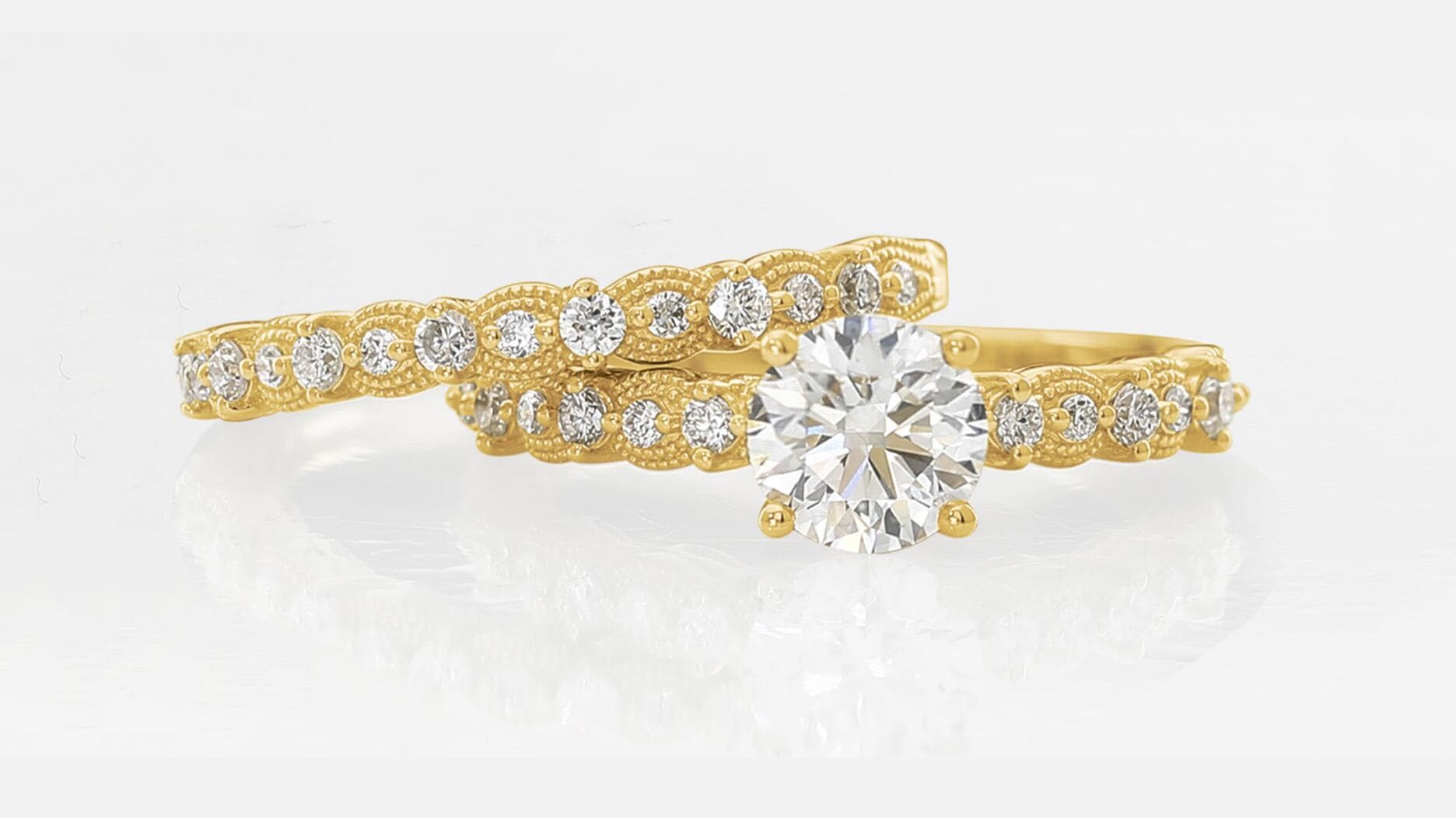
Steven Kretchmer’s Omega Round ring is a round brilliant diamond tension-set in platinum. Minimalism often depends on engineering as much as style. When a piece appears to float, or when a stone seems to be held by almost nothing, the maker has usually done more, not less.
How to read the look when you are choosing pieces
If you want minimalist jewelry that feels rooted in Zen or wabi-sabi rather than trend-driven restraint, look for pieces that preserve a trace of nature or process. River stones, brushed metal, bezel settings, tension settings, and patina finishes all speak the same visual language. So do small variations in shape, a band that narrows slightly by hand, or a pendant that refuses perfect symmetry.
A bezel around a stone feels settled rather than showy; a tension-set diamond feels distilled rather than crowded by prongs; a weathered surface suggests time rather than shine.
The Museum of Fine Arts, Boston’s Arts of Japan gallery introduces major forms of Japanese art and explores the creative traditions in which they were made, while its jewelry collection stretches from ancient Egyptian broadcollars to contemporary studio jewelry. Minimalist jewelry belongs to a broad history of objects made with intention, not a narrow trend cycle. The museum’s renovated Japanese galleries were also designed to prompt deeper exploration of familiar objects.
Why the category has become such a large market
The restrained look is not just an art-historical idea. It is also a sizable business. One industry estimate places the minimalist jewelry market at USD 4.6 billion in 2024 and projects USD 8.5 billion by 2032. Another estimates USD 3.8 billion in 2025, rising to USD 7.4 billion by 2034. Those figures are market projections, not audited public totals.
This article was produced by Prism’s automated news system from verified source data, official records, and press releases, then run through automated quality and moderation checks before publishing. The system is built and supervised by the people who set the standards it runs under. Read our full AI policy.
Did this article answer your question?