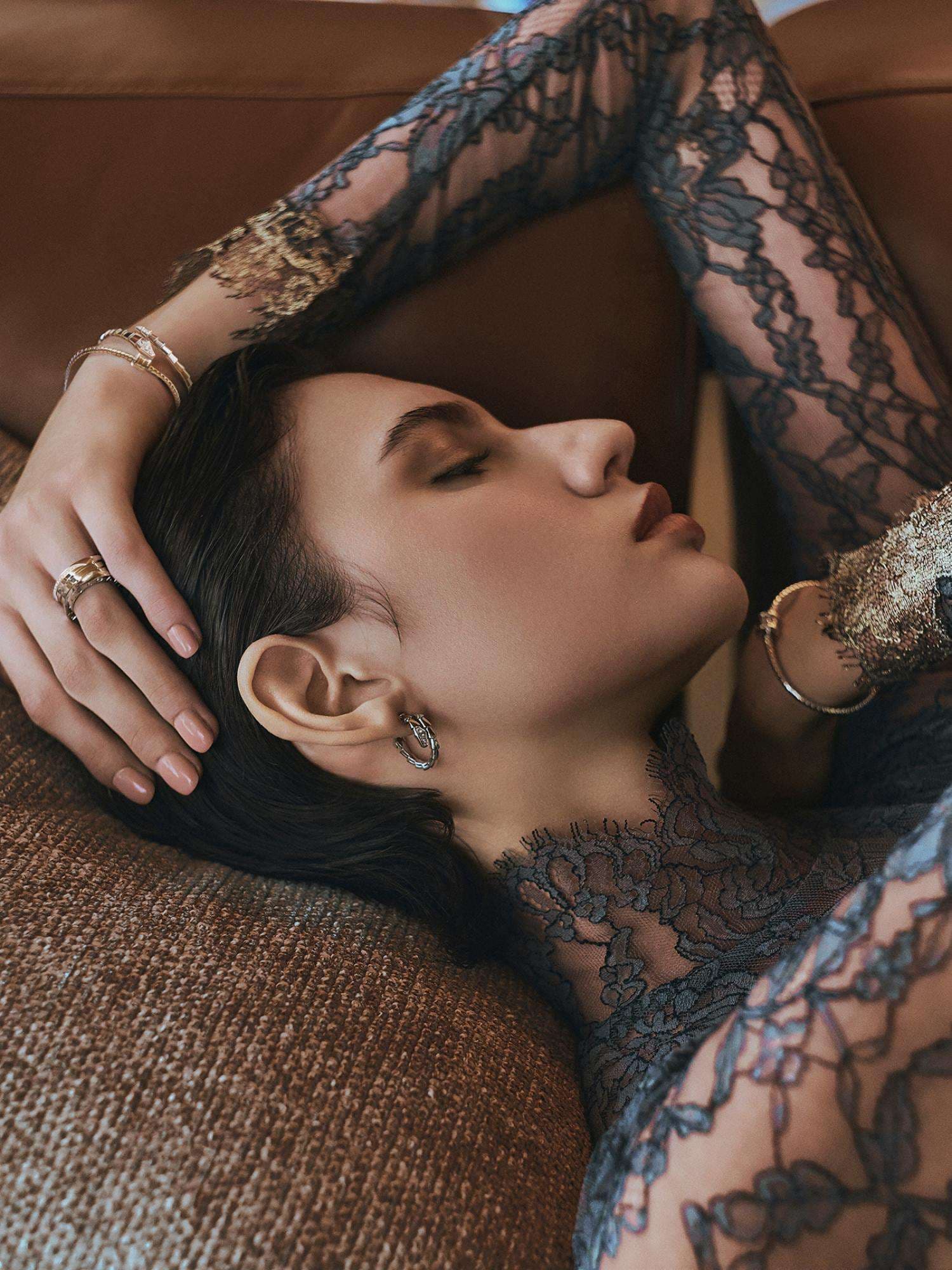
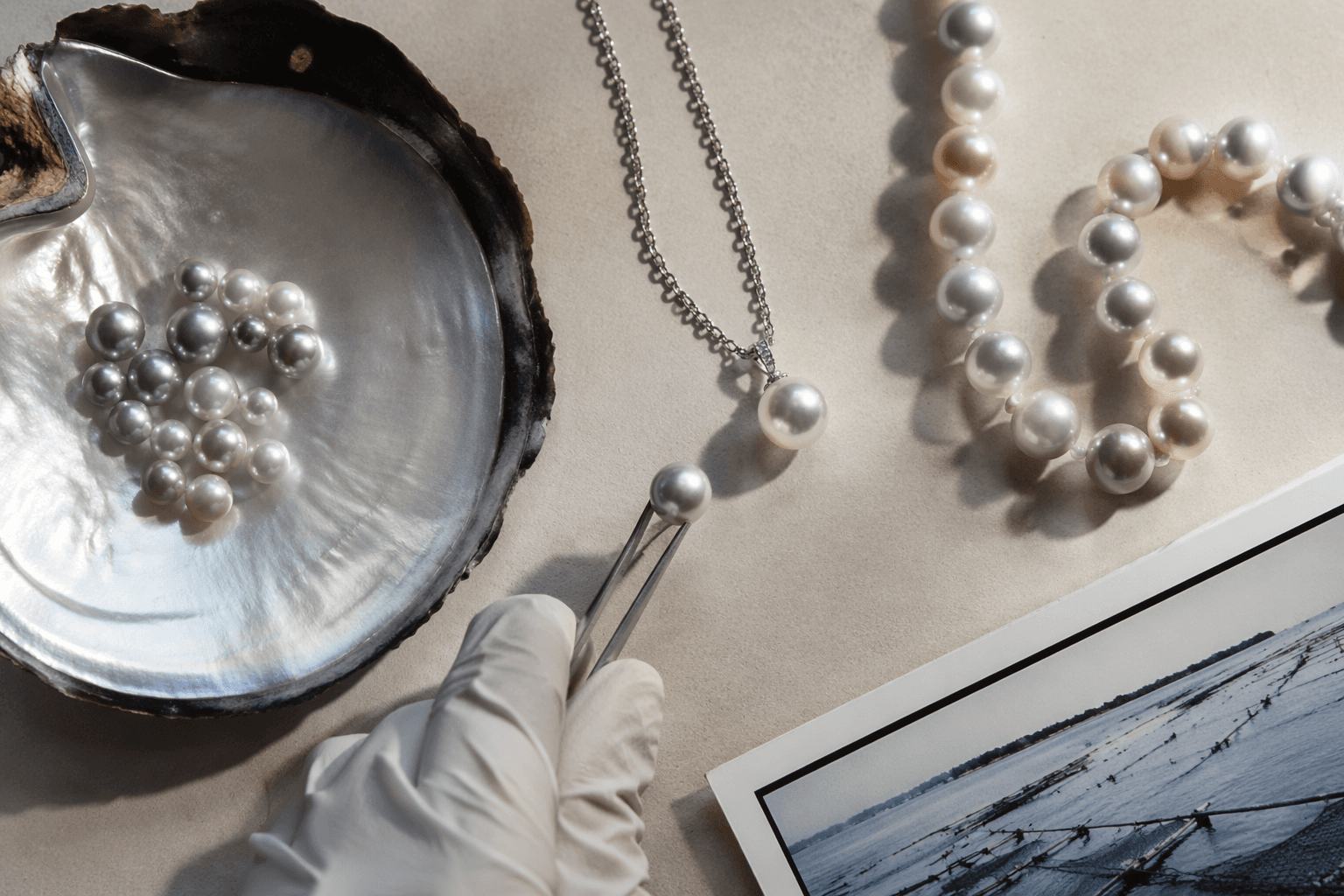
Carolina Herrera’s Madrid show spotlights luminous pearls and artisan craft
Pearls at Carolina Herrera’s Madrid show acted as a bridge between Spanish romance and modern luxury, glowing beside porcelain and handblown glass.
Madrid as the stage, not the backdrop
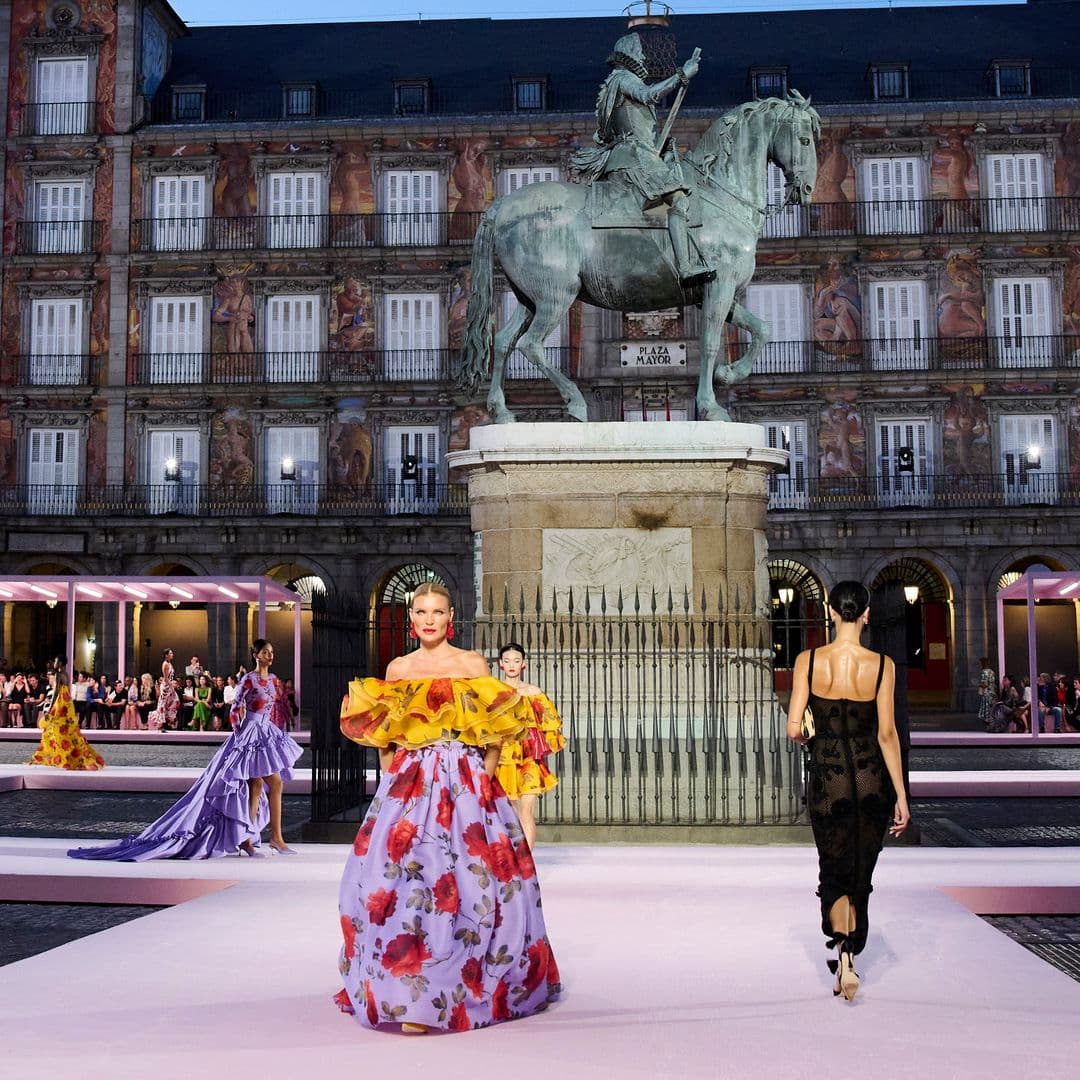
Carolina Herrera did not simply dress Madrid in pearls. It turned the city itself into the setting for a pearl-lit argument about how history can look modern when the craft is right. Staged in Plaza Mayor, the Spring 26 show was framed by the house as a “love letter to Madrid,” and the jewelry followed that logic with quiet confidence: luminous, reflective, and steeped in local meaning rather than generic decoration.
The collection drew on Madrid’s contrast, precision, boldness, and beauty, and that tension showed up in the accessories. Pearls and pearl-like translucence worked because they softened the architecture of the clothes without dulling their line. Instead of reading as formal nostalgia, the jewelry felt like a translation device, carrying Spanish romance into a sharper, more contemporary register.
A runway built for scale and memory
The show carried the kind of scale that gives accessories real power. Wes Gordon’s presentation featured 77 looks, stretched across a 450-meter runway, and drew 1,500 guests, making it the first main Carolina Herrera collection shown outside New York since the brand’s founding in 1981. That move alone gave the jewelry extra weight: every earring and necklace had to register in a room that was part couture presentation, part civic spectacle.
The references were equally layered. The collection reached back to Madrid’s 17th-century Golden Age and forward to the La Movida movement, a pairing that helps explain why pearls felt so current here. Rather than being coded as conservative, they were placed in a world of historical memory, artistic rebellion, and modern polish. The guest list, which included Pedro Almodóvar, Alexa Chung, Olivia Palermo, Becky G, Blanca Padilla, and Esther Cañadas, underscored that cultural range with unusual clarity.
Why the jewelry felt different
The most compelling jewels were not heavy, ornate statements. They were translucent drop earrings and necklaces that caught the light with a soft, liquid finish, the kind of glow that makes pearls feel less like tradition and more like atmosphere. In a season crowded with metallic excess and hard-edged shine, this was a subtler proposition: luminosity over flash, surface over spectacle.
That distinction matters. Pearls have always depended on luster, but here the effect was sharpened by pairings with porcelain and glass, materials that share the pearl’s fascination with light. The result was not a classic bridal vocabulary, nor a simple resort flourish. It was a polished, almost painterly accessory language, one that let the jewelry breathe alongside the tailoring rather than compete with it.
Craft as the real luxury signal
The house made the craftsmanship explicit through its collaborators. Madrid-based artisans Andrés Gallardo and Marina Casal created porcelain carnation jewelry, while Mar del Hoyo, founder of Levens Jewels, made handblown glass pieces that captured the light of Plaza Mayor. Those details matter because they move the conversation away from ornament and toward authorship.
Carolina Herrera also referenced carnations, violetas, and Retiro roses, motifs that bloomed in embroidery and jacquard across the collection. Seen in that context, the jewelry becomes part of the same material ecosystem as the clothes. The porcelain petals and blown glass surfaces echoed the softness of the floral references, while the pearls extended the theme of luminosity into a more classic luxury register.
The broader roster of Spanish collaborators, including Sybilla, Alejandro Gómez Palomo, Andrés Gallardo, Levens, and Casa Seseña, reinforced the show’s intention to treat craft as the main event. This was not local color layered onto an international brand. It was a deliberate assertion that Spanish makers can supply the kind of refinement, wit, and finish that luxury fashion increasingly needs.
What this means for pearls in 2026
The message for pearl jewelry in 2026 is clear: the most relevant pieces will not be the most obvious ones. Expect pearls to lean toward sculptural silhouettes, translucent finishes, and unexpected pairings with ceramics, glass, embroidery, and sharply tailored clothing. The old rules, where pearls were confined to ladylike symmetry or evening formality, feel too narrow for a market that now prizes narrative and material intelligence.
Carolina Herrera’s Madrid show suggests that pearls are moving into a more expressive phase, one where provenance and craft matter as much as size or uniformity. The best versions will not ask to be worn as a symbol of refinement alone. They will function as small works of architecture, carrying history in their glow and modernity in their restraint.
This article was produced by Prism’s automated news system from verified source data, official records, and press releases, then run through automated quality and moderation checks before publishing. The system is built and supervised by the people who set the standards it runs under. Read our full AI policy.
Did this article answer your question?