Emily Blunt's Mikimoto Pearl Body Necklace Steals 2026 Met Gala Spotlight
Emily Blunt turned pearls into the dress itself, pairing a Mikimoto body necklace with custom Ashi Studio tailoring and a pearl-heavy Met Gala statement.

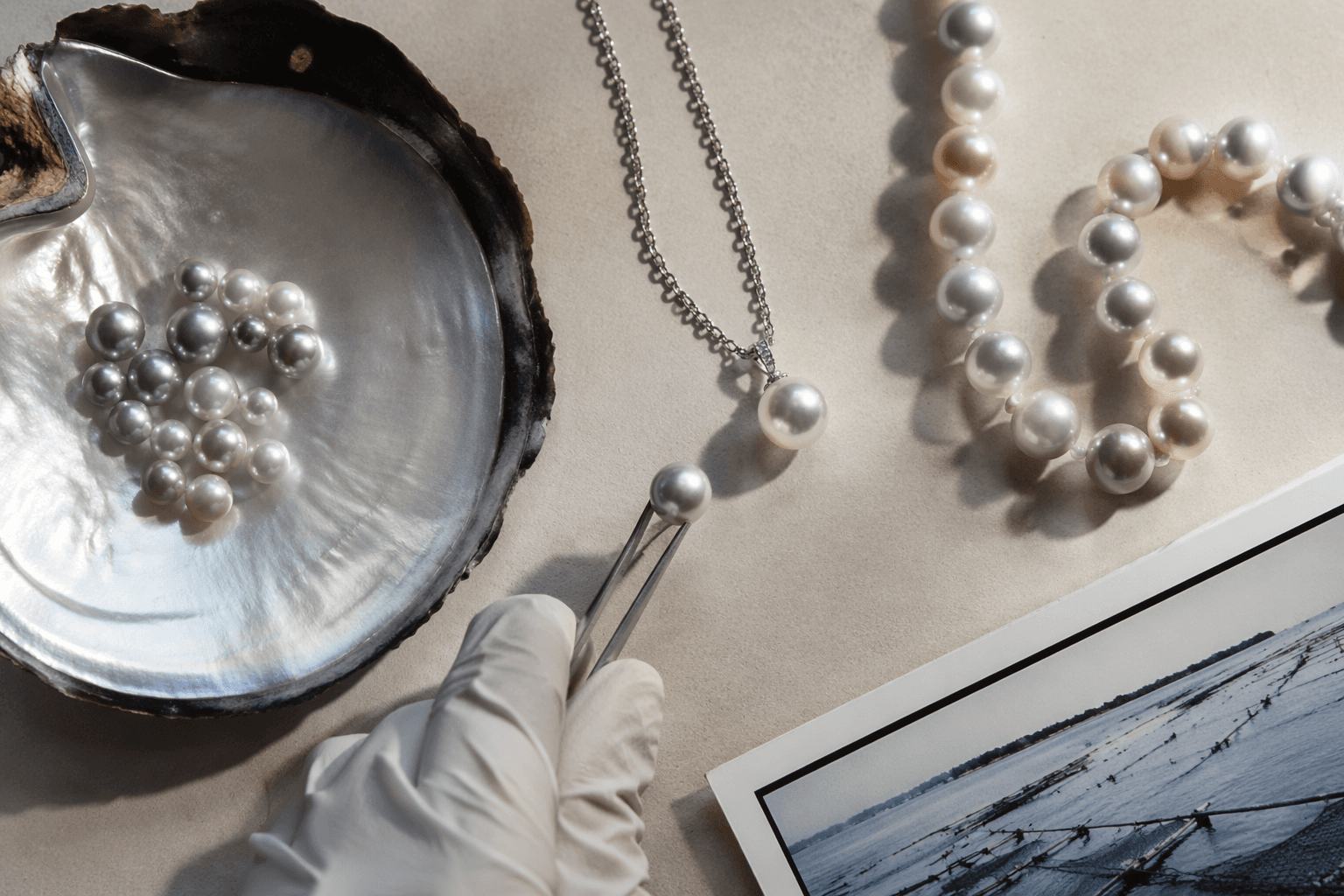
Pearls move from finishing touch to fashion architecture
Emily Blunt did not wear pearls as punctuation. She wore them as structure, and that is exactly why her Mikimoto body necklace landed with such force at the 2026 Met Gala. Set against a custom Ashi Studio black look styled by Jessica Paster, the half-million-dollar piece made the old hierarchy feel obsolete, with jewelry taking over the silhouette instead of merely decorating it.
That shift mattered because the gala itself was built around fashion as art. Held on Monday, May 4, 2026, at The Metropolitan Museum of Art in New York City, the event launched the Costume Institute’s spring 2026 exhibition, Costume Art, and the dress code, “Fashion Is Art,” gave guests permission to think beyond conventional eveningwear. Blunt’s answer was emphatic: pearls were no longer demure, and they were certainly no longer confined to a strand at the collarbone.
A body necklace that behaved like a garment
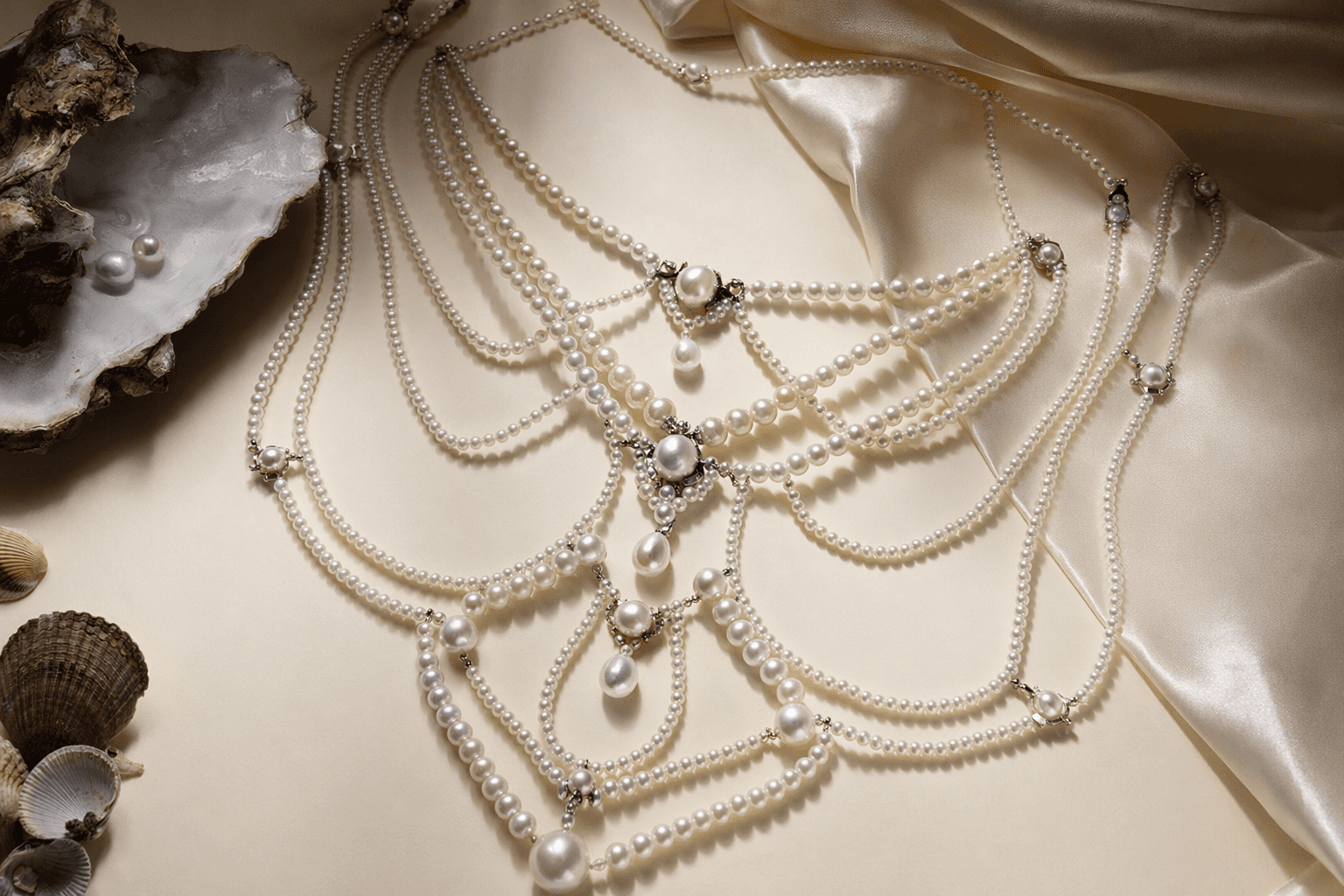
The Mikimoto piece was reported to feature thousands of Akoya pearls, a 21.85-carat pear-shaped morganite at the center, 45.97 carats of diamonds, and 18-karat white gold. Those details matter because they show the necklace as more than a pretty surface. It was built like high jewelry meant to command the body, not just sit on top of it.
Paster said the team intentionally reversed the usual Met Gala relationship between clothing and jewelry so the body necklace would define the silhouette. That idea played out in the look’s proportions: the necklace sat over a custom Ashi Studio black ensemble, and its scale made the pearls feel architectural rather than ornamental. Blunt called it “wearable art,” a phrase that fits because the jewel did not finish the outfit, it became the outfit.
The rest of the styling reinforced that logic. Blunt wore Mikimoto Bows Akoya Pearl Earrings and ring pieces, extending the brand’s pearl language across the whole look without softening its impact. The effect was polished, but not delicate. It was pearl dressing with muscle.
Why this Met Gala look hit harder than a classic pearl moment
Pearls have long carried a language of refinement, but the 2026 carpet showed how dramatically that language is changing. Harper’s Bazaar Singapore grouped the night’s standout jewelry into a wider field of archival diamonds, emeralds, sculptural chokers, and pearl-draped drama, and Blunt’s appearance sat squarely inside that larger shift. Pearls were not isolated in a classic or nostalgic lane. They appeared as part of a bigger high-jewelry spectacle, alongside hard-edged settings and maximalist stone combinations.
That is the story behind the body necklace. Its power came from contrast: soft Akoya pearls against black tailoring, organic repetition against the precision of diamonds and white gold, and a romantic material used to create a hard, almost corseted line across the body. In other words, the pearl was not behaving as a symbol of restraint. It was performing as a modern luxury material with range.
The inclusion of morganite at the center sharpened that reading. Instead of relying on pearls alone, the design mixed in a colored center stone and diamond volume, turning the necklace into a mixed-gem centerpiece rather than a single-note statement. That kind of composition is exactly why pearls are showing up in more assertive settings now: they can hold their own beside archival stones and sculptural metalwork without losing their identity.
The craftsmanship story behind the spectacle
The reported 250 hours of meticulous work gives the look a crucial layer of meaning. High jewelry may read as instant glamour on a carpet, but pieces like this depend on labor, calibration, and patience. A pearl body necklace has to manage drape, balance, and movement across the torso, which makes the engineering as important as the carat count.
The choice of Akoya pearls also matters. Akoya pearls are prized for their roundness and luminous skin, which makes them especially effective when used in dense, body-skimming construction. In this case, their volume gave the necklace a textile-like effect, almost as if Mikimoto translated a pearl fabric into jewelry form. That is a very different proposition from the single-string pearl look that once defined the category.
Blunt’s attendance with The Devil Wears Prada 2 castmates Stanley Tucci and Felicity Blunt only heightened the cultural impact. The cameo of a major film family at a gala already built around fashion and performance helped turn the necklace into a headline moment, not just a styling choice. It also made the pearl look feel less like nostalgia and more like a confident public statement.
What the 2026 carpet says about pearl jewelry now
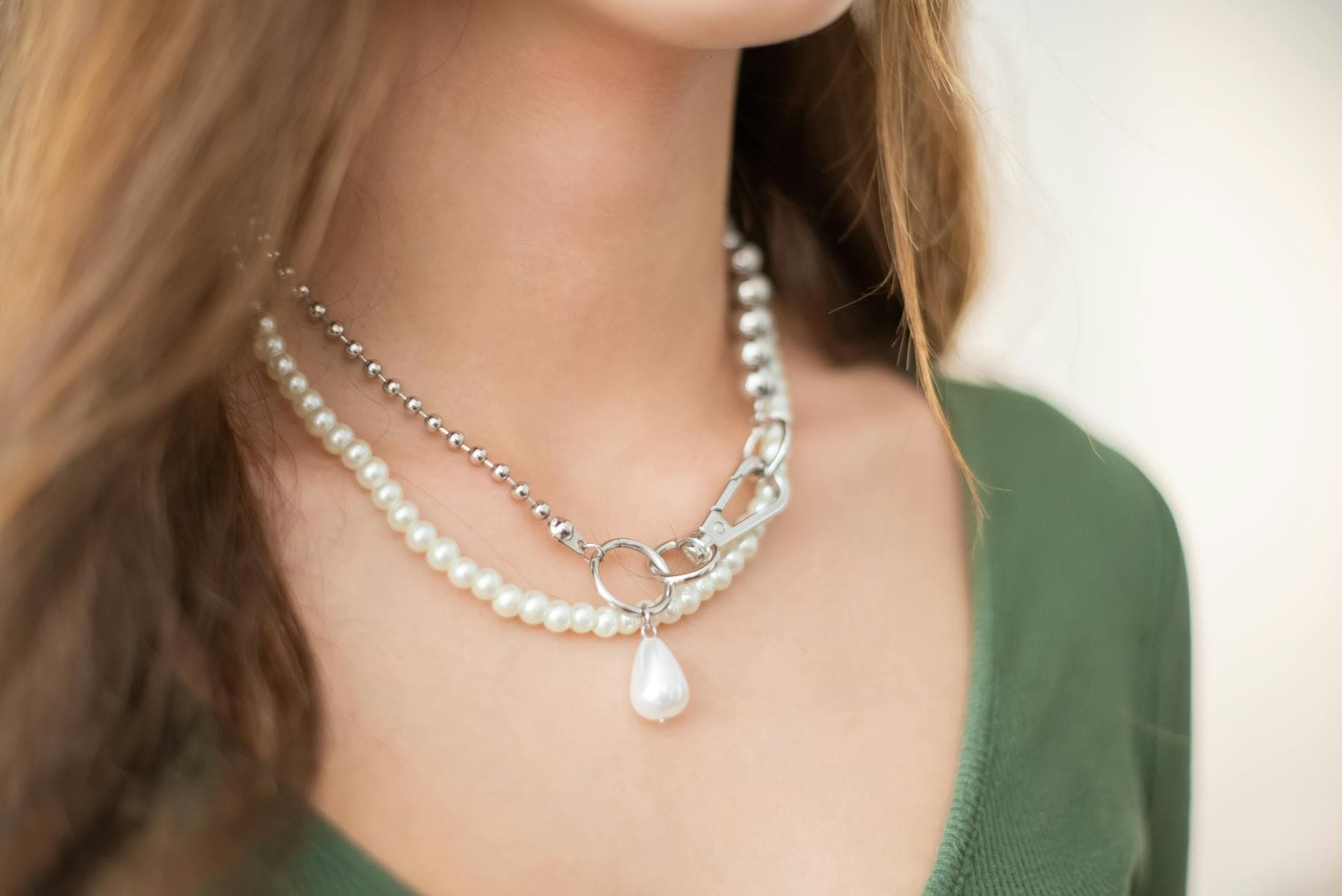
The broader lesson from the night is that pearls have moved into a more flexible fashion register. They can be draped for softness, built into architectural shapes, layered for impact, or mixed with diamonds and colored stones for red-carpet force. That range gives pearl jewelry a new kind of status, one that sits comfortably between couture romance and high-drama modernity.
Blunt’s Mikimoto look captured the transition best because it refused to treat pearls as secondary. The necklace was the garment, the centerpiece, and the point of view. With Costume Art opening to the public on May 10, 2026, and running through January 10, 2027, the Met Gala’s fundraising launch made sense as a staging ground for exactly this kind of jewelry: pieces that do not simply accompany fashion, but help define what fashion means now.
Pearls are no longer waiting at the edge of the frame. In 2026, they arrived at the center, wrapped around the body, and demanded to be read as full-on fashion architecture.
This article was produced by Prism’s automated news system from verified source data, official records, and press releases, then run through automated quality and moderation checks before publishing. The system is built and supervised by the people who set the standards it runs under. Read our full AI policy.
Did this article answer your question?