Freshwater Pearls Gain Status as Sustainable, High-Quality Luxury Choice
Freshwater pearls have moved past the old budget-label. The real test now is luster, nacre, matching, and whether a sustainability claim can survive scrutiny.
Why freshwater pearls now read as luxury
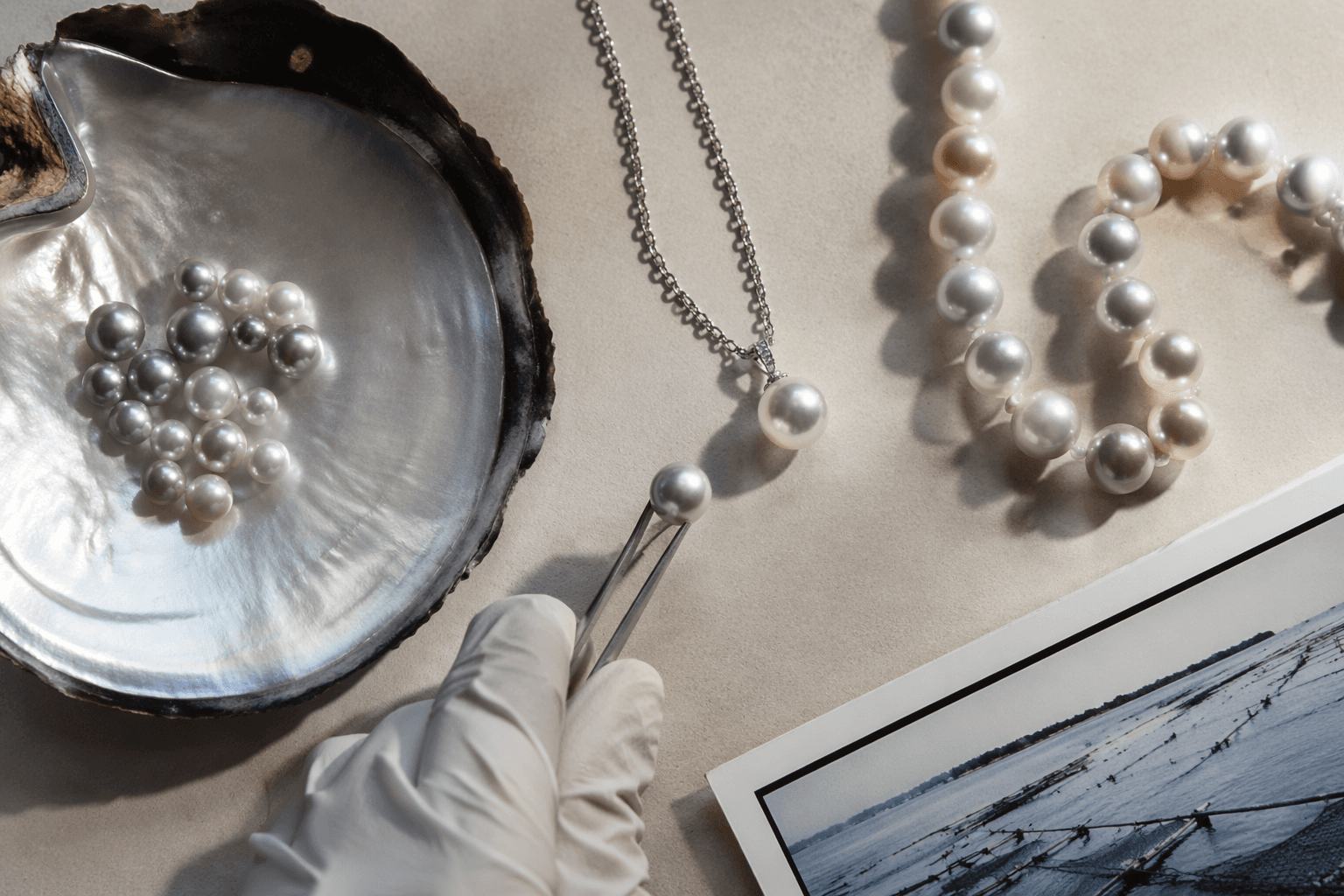
Freshwater pearls are no longer the quiet fallback behind akoya or South Sea strands. They belong in the luxury conversation because value has shifted from origin snobbery to the qualities you can actually see: luster, surface, shape, nacre, and how well a piece is matched. GIA’s framework makes that plain, and it is the right way to shop if you want beauty without paying for a story that does not hold up.
The most interesting part of the case for freshwater is that it is not just aesthetic. Pearl quality is tied to the health of the environment where the mollusk grows, so the gemstone’s appeal now sits at the intersection of craftsmanship and ecology. That is why freshwater pearls have become so compelling to buyers who want luxury with a harder-edged provenance conversation behind it.
How pearl value is really judged
If you want to understand whether a freshwater pearl strand is fairly priced, start with the seven factors GIA uses to assess value: size, shape, color, luster, surface quality, nacre quality, and, for multi-pearl jewelry, matching. Those seven details matter more than marketing language about rarity or “heirloom” appeal. A beautiful pearl can be modest in size and still command respect if the luster is crisp and the surface is clean.
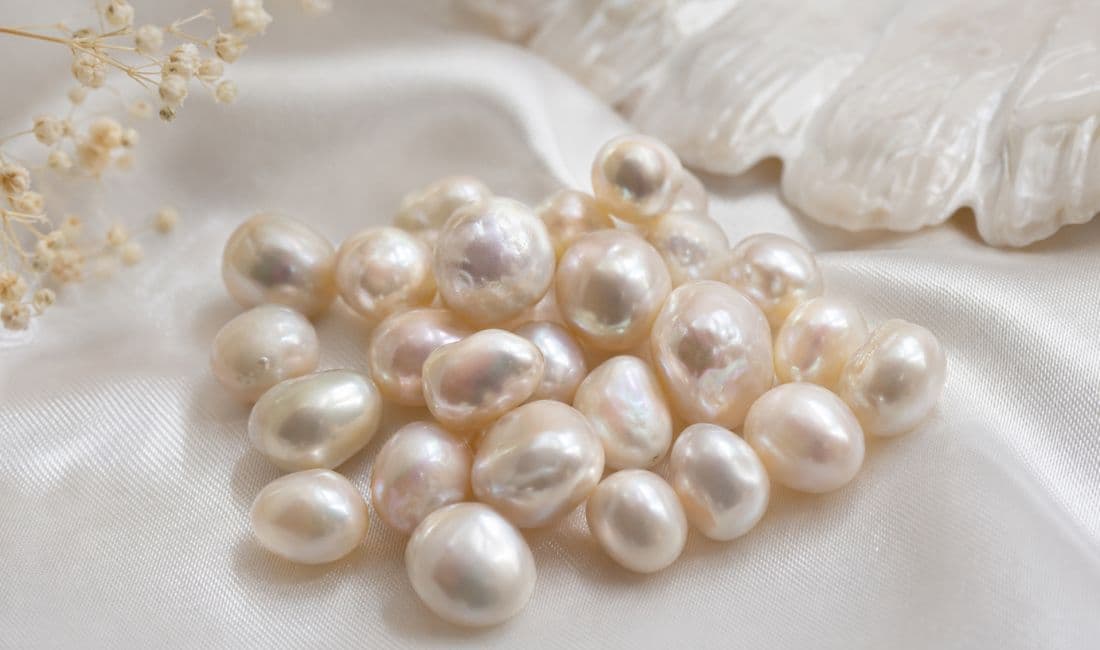
Luster is the first cue most shoppers notice, even when they do not have the vocabulary for it. Good pearls throw back light with depth and sharpness rather than a dull glow, and that effect is what gives a strand its life. Surface quality is the next filter: tiny blemishes are normal, but the fewer distracting marks you see, the more composed the pearl looks on the neck or wrist.
Shape changes the mood and the price. Round pearls usually command the strongest premium, but freshwater pearls often appear in baroque and near-round forms that can be just as desirable when the luster is excellent and the design is modern. Nacre quality matters because it affects both durability and the sense of inner glow. In matched strands or earrings, evenness across the set becomes part of the value equation, and poor matching can make an expensive piece feel careless.
Why the market moved away from the old hierarchy
The idea that freshwater pearls are automatically “second-tier” no longer fits the market. By the mid-1990s, the best Chinese freshwater cultured pearls were already rivaling mid-range akoyas in quality, and that matters because it changed expectations permanently. Today, freshwater cultured pearl production is mostly dominated by Chinese products, which means the category is not fringe, it is central.
The history is deeper than many shoppers realize. Japanese freshwater pearl cultivation began in 1935, and Lake Biwa in Shiga Prefecture supplied freshwater cultured pearls until 1982. That timeline shows how long freshwater pearls have been part of serious jewelry production, not just a recent fashion reset. The broader cultured-pearl story also runs through figures such as Kokichi Mikimoto, Dr. Nishikawa, Mise, Joyce Wing Yan Ho, Sally Chan Shih, and Ahmadjan Abduriyim, whose work and scholarship sit within the long arc of how pearls moved from natural scarcity to cultivated sophistication.
There is also a practical reason the category is rising now: supply. GIA reported in 2023 that the pearl industry was still dealing with COVID-era shortages across South Sea, Tahitian, akoya, and freshwater categories. When supply tightens across the board, buyers start paying closer attention to the actual quality of the pearl in front of them, not just the label attached to it.
How to judge luster, surface, shape, and price in the real world
Luster should be the first thing you inspect, because it tells you whether the pearl looks alive or merely shiny. Under daylight or a clean white light, a strong freshwater pearl should reflect a clear, focused brightness. If the sheen feels flat or waxy, the price should come down accordingly.
Surface quality is where trend premium often gets exposed. Fashion can make a baroque pearl look fresh, but it cannot rescue a heavily marked surface. Look for surfaces that feel calm and intentional rather than busy or pitted. A small irregularity may be acceptable in a natural-looking strand; widespread texture should only be tolerated when the design and price make that trade-off explicit.
Shape is not just about taste, it is about value logic. Round and near-round pearls usually cost more because matching and production are more demanding, while drop, oval, and baroque shapes can offer more expressive design at a lower price point. If a baroque freshwater pearl is being priced like a perfectly matched round strand, the burden is on the piece to prove itself through exceptional luster, color, or design.
How to tell real freshwater pearls from imitations
Real freshwater pearls should show variation. Even when they are beautifully matched, they rarely look mechanically identical, and that slight individuality is part of the charm. In a strand or pair, inspect whether the pearls share the same general body color and luster while still retaining subtle differences in shape or surface, which is often a sign you are looking at cultured pearls rather than imitation beads.

Imitations often reveal themselves in the overall feel of the piece: the visual sameness is too exact, the shine can look surface-deep, and the strand may lack the layered depth that makes real pearls convincing. Freshwater pearls also earn their value through nacre, so a trustworthy piece should look substantial rather than thin-skinned. When a seller leans harder on vague language than on specifics about luster, nacre, and matching, treat that as a warning sign.
What sustainability claims should actually mean
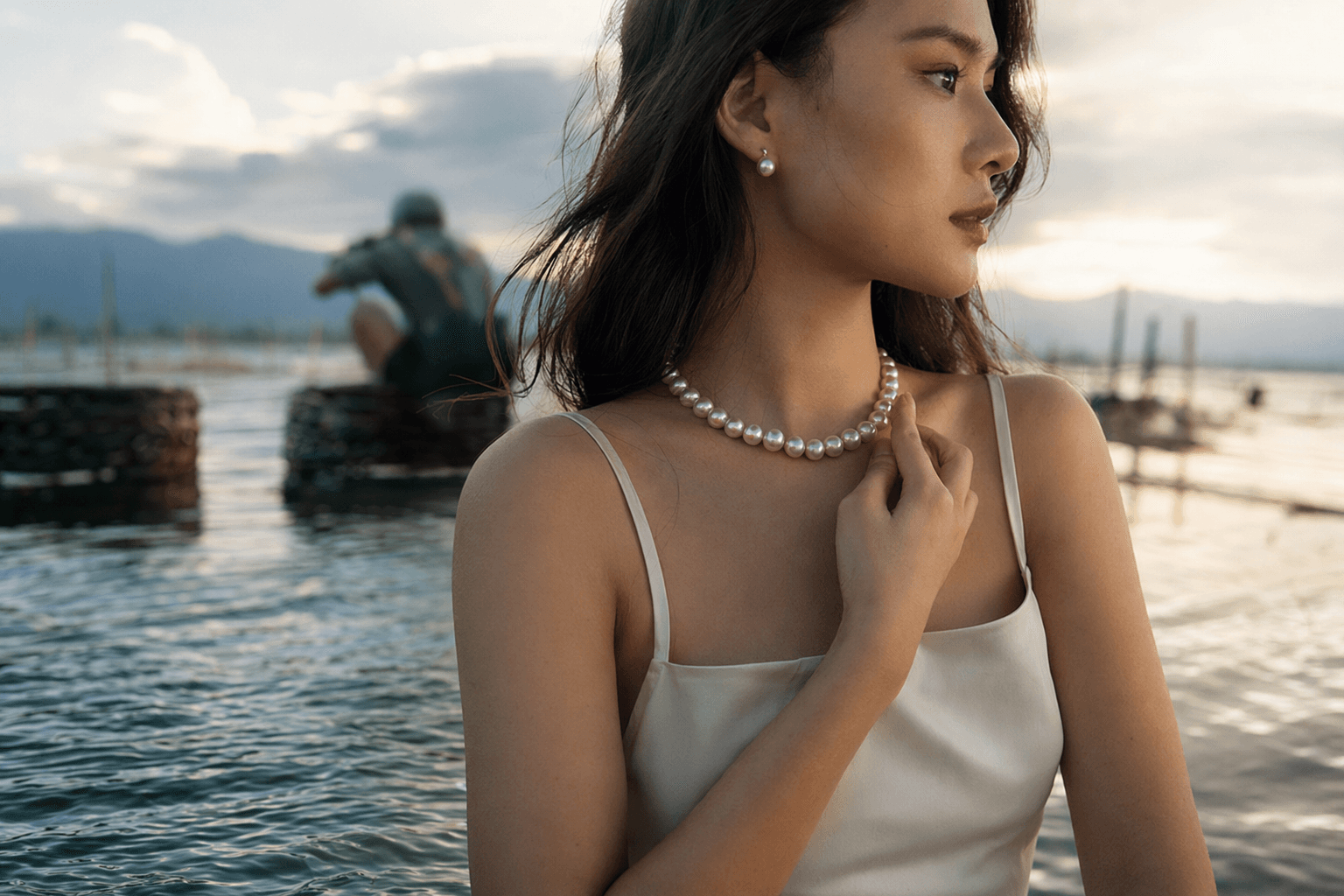
This is where the story gets more interesting, and more delicate. GIA has been working on pearls as a sustainable gem through a three-year project funded by the Tiffany & Co. Foundation, and the questions it is asking are the right ones. The research is exploring whether pearl farming can improve water quality, support coral reef conservation, and reduce overfishing.
That kind of language is more credible than generic “eco-friendly” branding because it names measurable outcomes. Still, buyers should press beyond the slogan. A sustainability claim is only meaningful if it connects to farming practices, water conditions, and the actual environmental role of the mollusk habitat. In other words, the pearl is not automatically sustainable because it comes from water. The value of the claim depends on how the farm operates and what it leaves behind.
The new luxury standard for freshwater pearls
Freshwater pearls are winning status because they satisfy a modern buyer’s hardest questions at once: What is it? How good is it? Where did it come from? And does the environmental story hold up? With Chinese production now dominant, Japanese cultivation part of the category’s history, and supply disruptions still shaping the market, the strand on the table is carrying more context than ever.
That is exactly why freshwater pearls deserve their current prominence. Their luxury is no longer inherited from old hierarchies. It is earned through luster, nacre, matching, and an increasingly serious conversation about provenance and sustainability.
This article was produced by Prism’s automated news system from verified source data, official records, and press releases, then run through automated quality and moderation checks before publishing. The system is built and supervised by the people who set the standards it runs under. Read our full AI policy.
Did this article answer your question?