Genome study could help revive Japan’s pearl oyster industry
Japan’s Akoya pearl supply is shrinking, and genome mapping may offer a way to breed hardier oysters, steadier yields and more resilient prices.
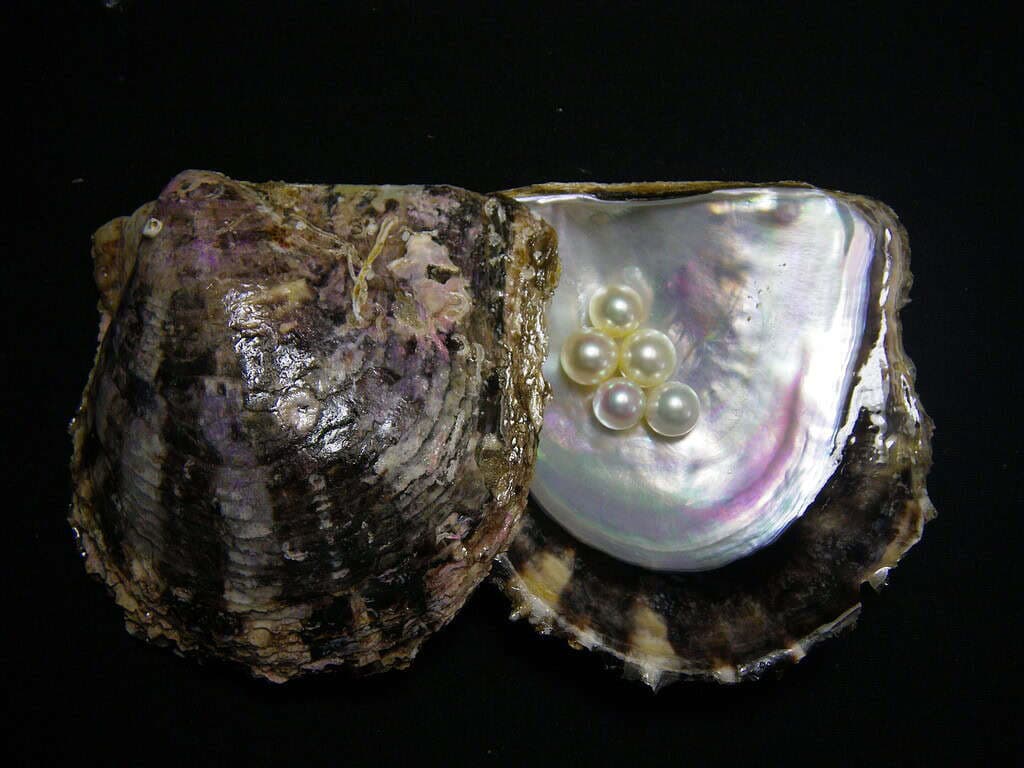
Japan’s pearl trade is being reshaped by biology as much as by beauty. After two decades of disease and red tides cut annual production from about 70,000 kilograms to about 20,000, researchers are turning to the Japanese pearl oyster’s own genome for answers that could help stabilize supply for jewelers, brands and farmers alike.
At the center of that effort is Pinctada fucata, the oyster that produces Akoya pearls, the small round classics that built Japan’s reputation in cultured pearl jewelry. In the early 1990s, the country’s pearl aquaculture industry was bringing in about 88 billion yen a year. Today, the commercial picture is tighter, with a limited labor force and output that industry figures expect to remain low in the near term unless farms can raise healthier, more resilient oysters.
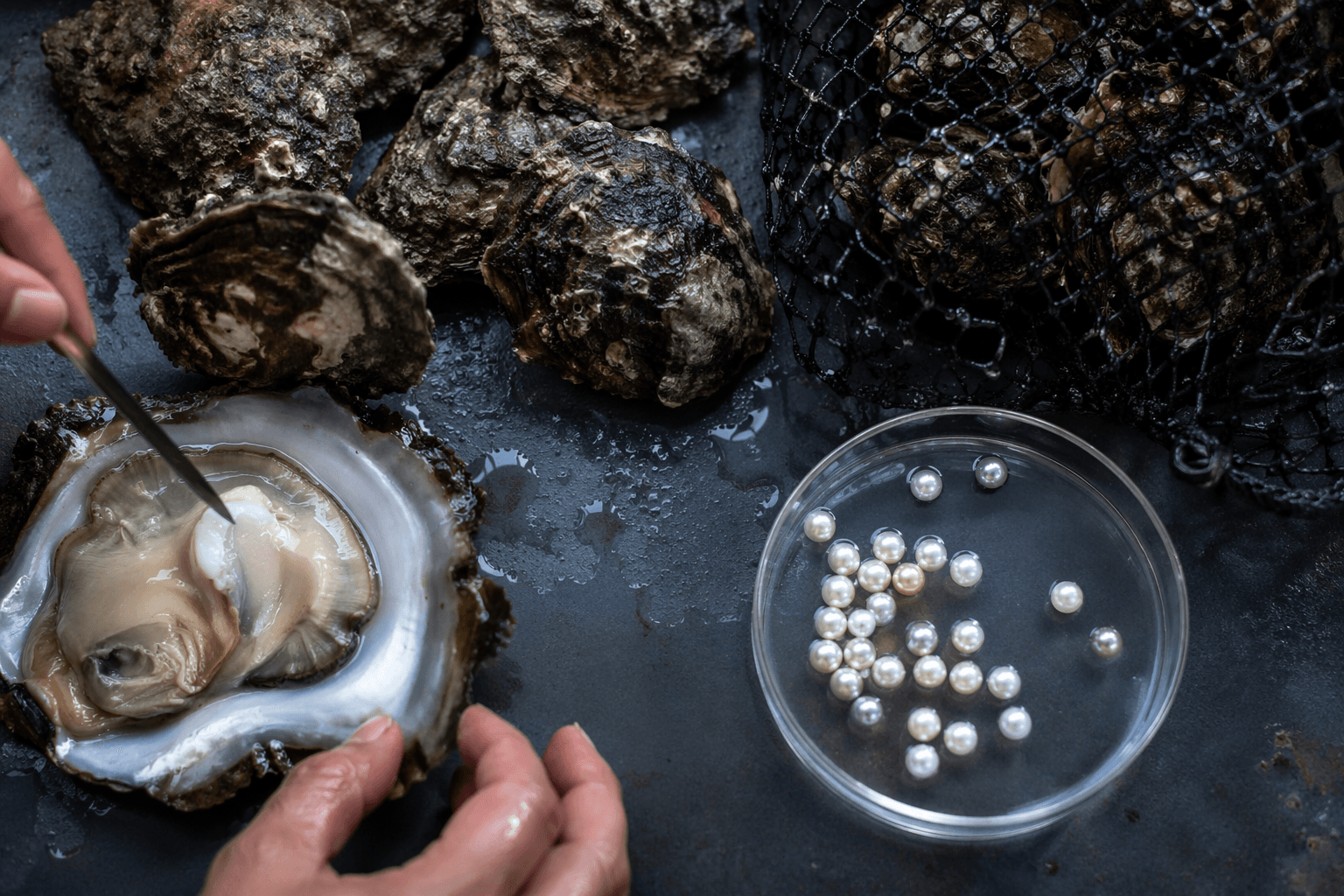
A team at the Okinawa Institute of Science and Technology, working with K. MIKIMOTO & CO., LTD., the Pearl Research Institute and the Japan Fisheries Research and Education Agency, assembled a high-quality, chromosome-scale genome of the Japanese pearl oyster to identify strains better suited to survival, immunity and pearl formation. A 2022 DNA Research study went even deeper, producing a near-complete, haplotype-phased genome with 14 pairs of long scaffolds corresponding to chromosomes, or 2n = 28, and reporting 99.99997% accuracy by k-mer analysis.
The scientific signal matters because the genome did not just read like a map of pearl formation. It pointed to expanded immunity-related gene families in some chromosomal regions, including NACHT, DZIP3/hRUL138-like HEPN and immunoglobulin domains. Researchers said those regions may help explain innate immune capability, and that preserving genetic diversity could strengthen broodstock immunity and improve yields. For a sector vulnerable to bacterial disease and algal blooms, that is more than an academic insight. It is a production strategy.
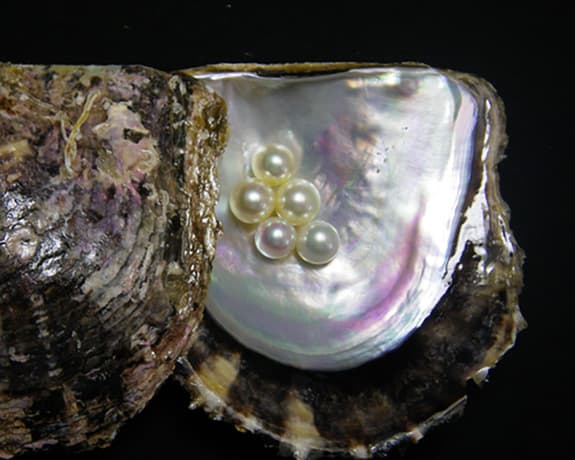
The concern is also genetic, not just environmental. Researchers warned in 2020 that introduced Chinese pearl oysters in Japanese waters threatened the diversity of Pinctada fucata, adding another pressure on a species already exposed to climate stress and farm losses across mainland Japan, Okinawa, the Nansei Islands, Honshu, Shikoku and Kyushu. That is why Japan’s industry began aligning farming strategy with genomic findings, with a December 2024 report saying the country would implement results from a 10-year genomic research program on Akoya oysters from 2024 onward.
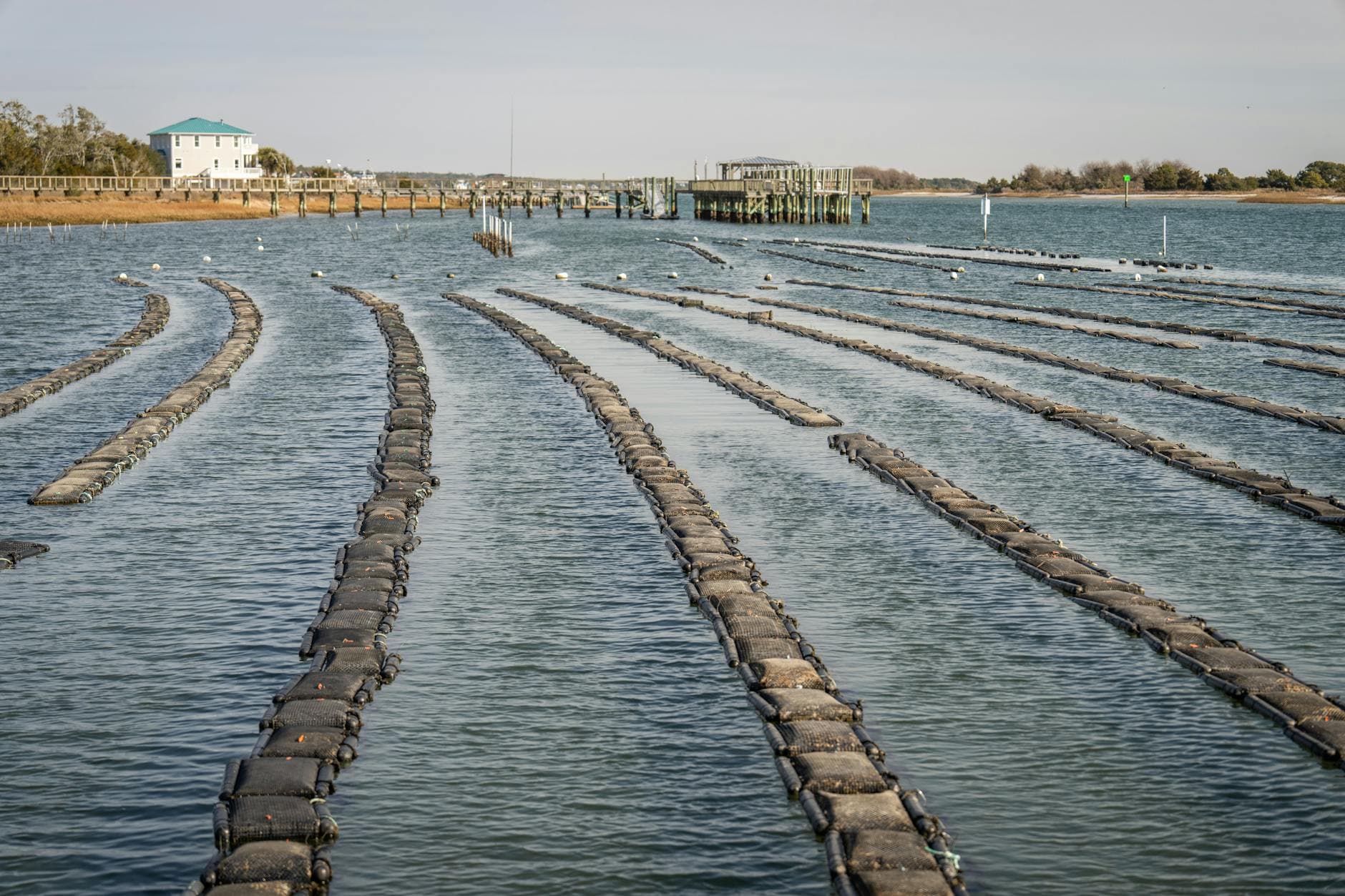
For buyers and brands, the implication is clear: the future of Japanese pearls may depend less on nostalgia than on selective breeding. If the new genetics can deliver healthier oysters, finer pearls and steadier harvests, the next competitive edge in Akoya may come from the lab as much as the lagoon.
Know something we missed? Have a correction or additional information?
Submit a Tip