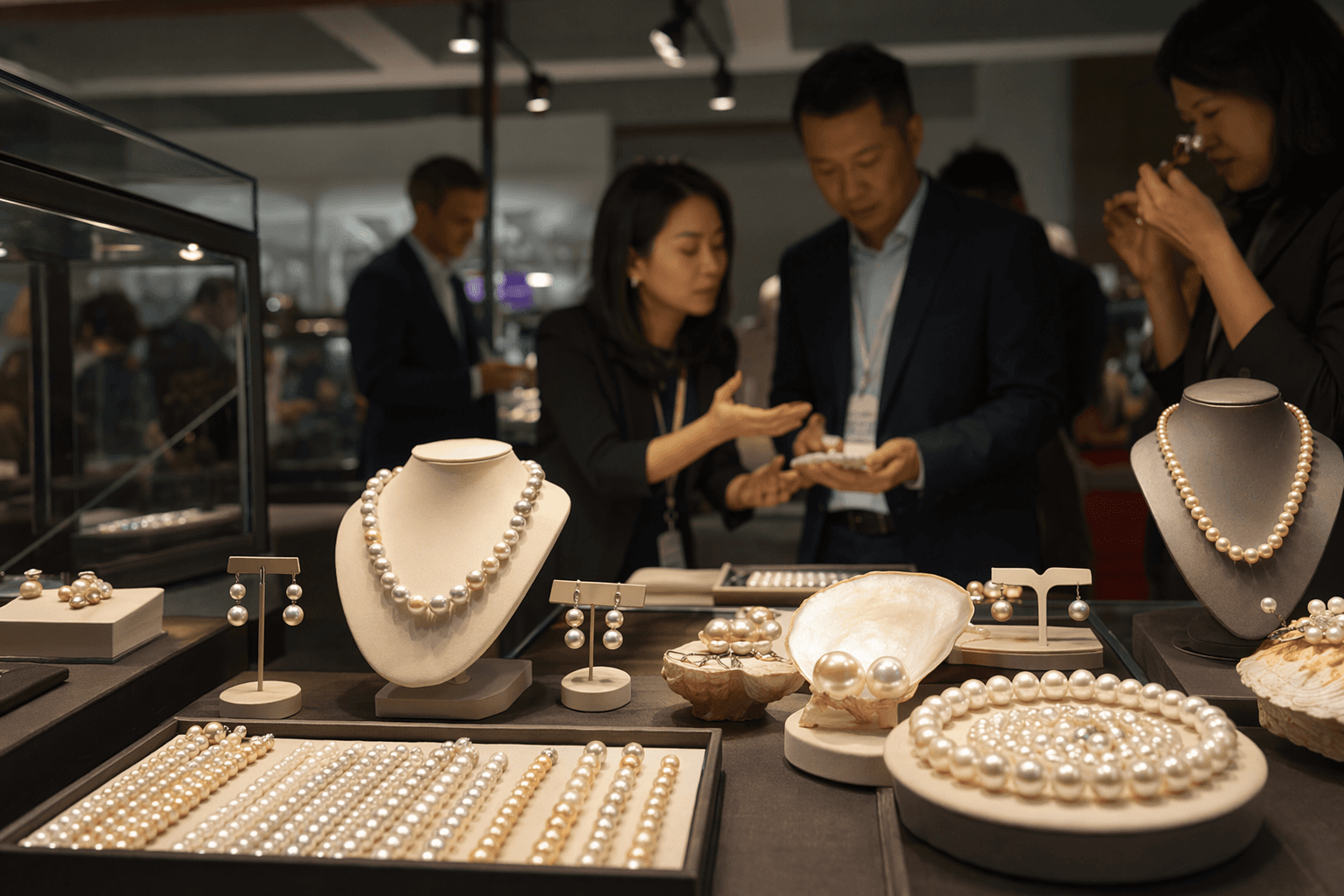
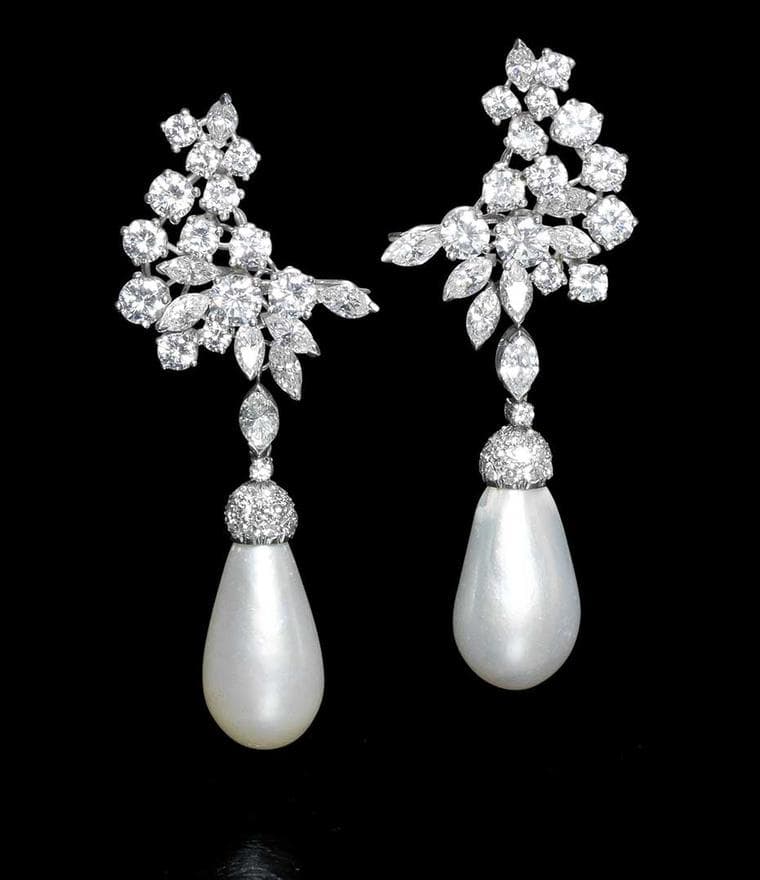
Japan Pearl Seminar spotlights Akoya quality, sustainability and standards
Japan's pearl trade is using a formal seminar to define "responsible Akoya", tying quality, treatment disclosure and sustainability to the Pearl Standard 2025.
A standards shift, not just a style moment
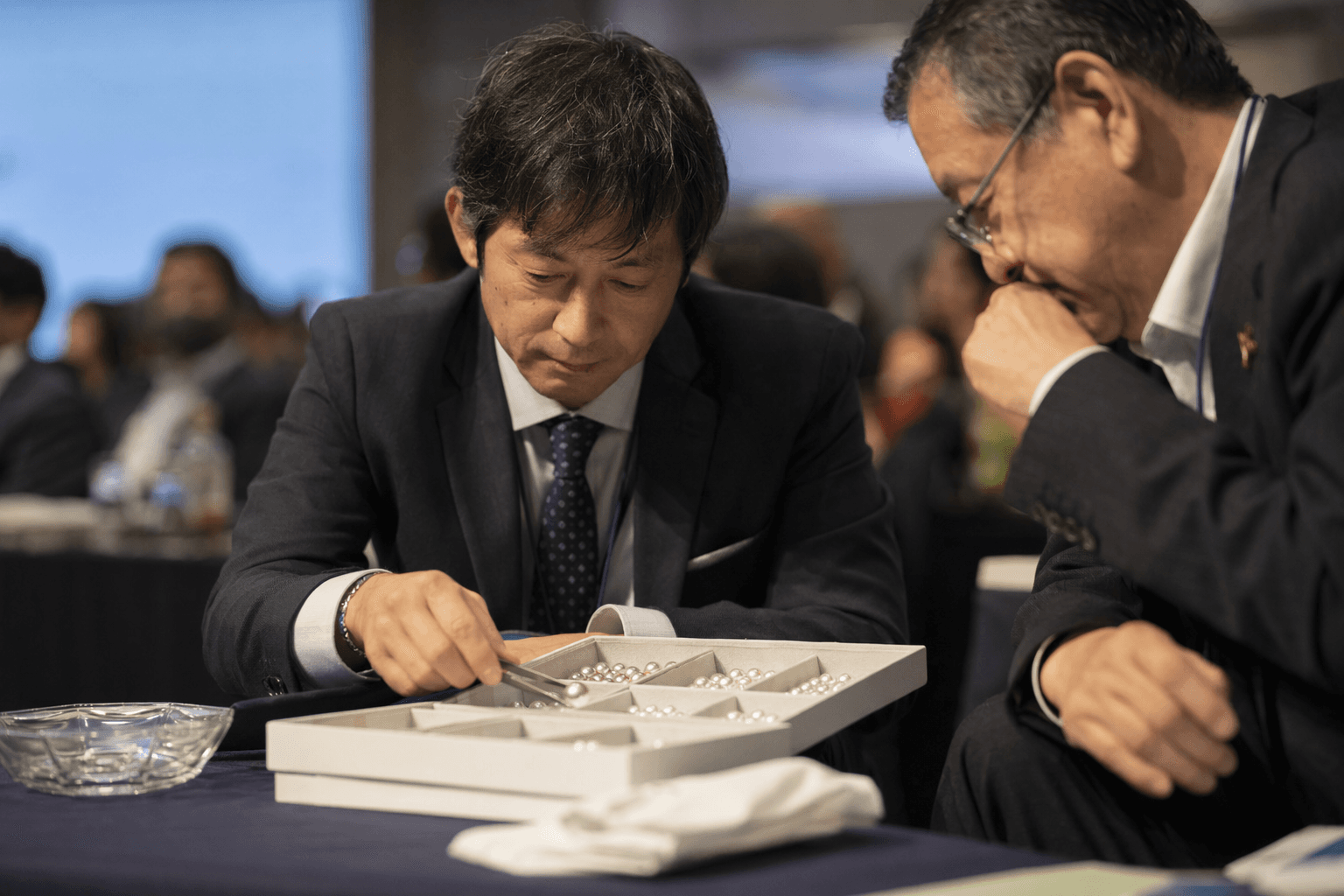
The Japan Pearl Seminar is taking aim at the part of pearl buying that too often stays fuzzy: what, exactly, makes an Akoya pearl trustworthy. Scheduled for June 20, 2026 and titled “Japan Akoya Pearls - History, Quality and Sustainability,” the session is organized by the Japan Pearl Promotion Society and is built around a clear industry message: beauty now has to be defended by proof.
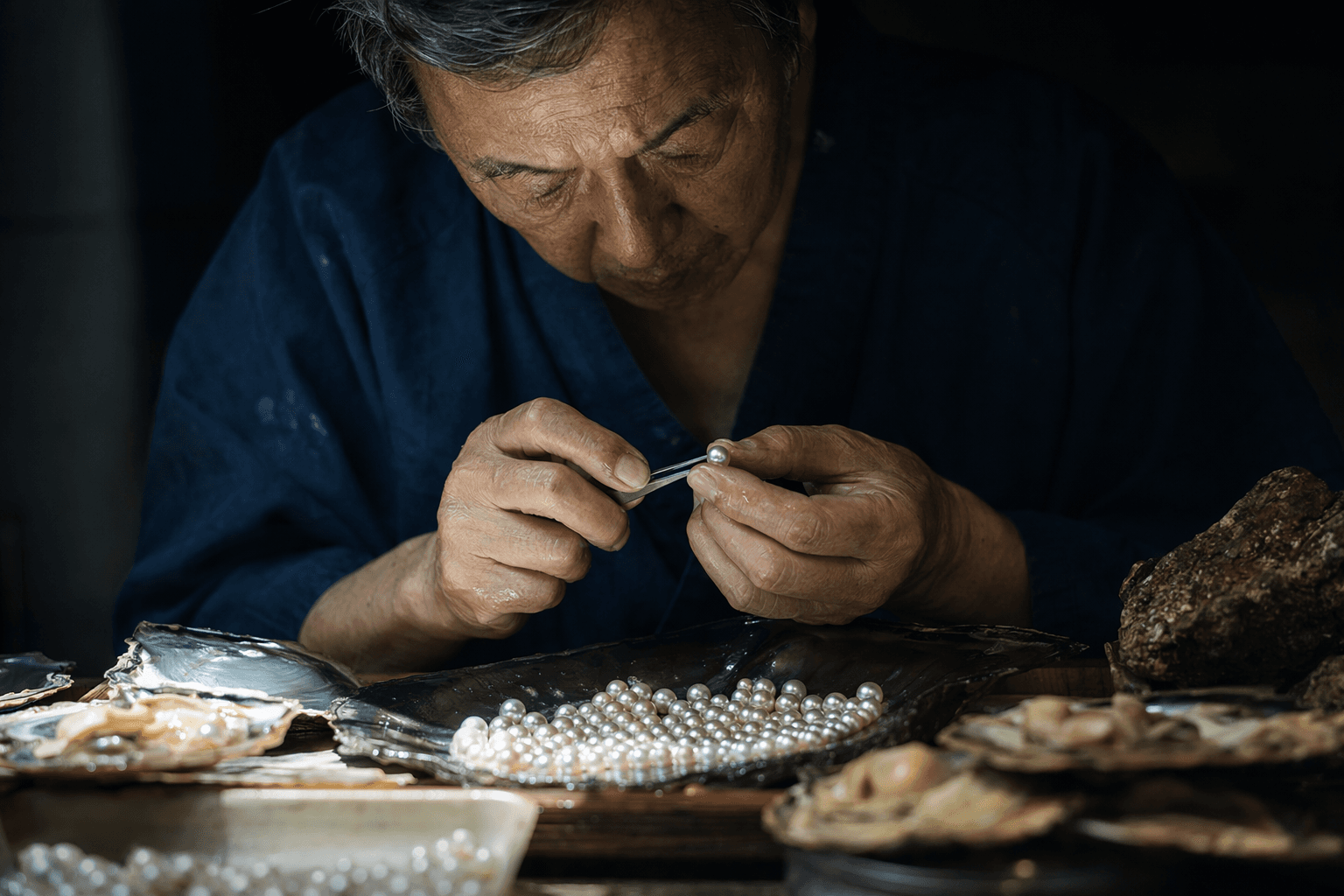
That matters because pearls trade on narrative as much as luster. In this case, the story is being sharpened into something more practical for buyers and collectors, with sustainable pearl farming, environmental protection, responsible Japanese Akoya cultivation, pearl quality standards, and processing and treatment guidelines all folded into one agenda. The result is less like a style preview and more like an attempt to define what “responsible Akoya” should mean when the market is crowded with sustainability claims.
What Pearl Standard 2025 is trying to fix
The strongest signal in the seminar is the revised Pearl Standard 2025, which is being prepared by the Japan Pearl Promotion Society. Its editors are not treating this as a minor refresh. They are responding to major changes after Pearl Standard 2020, including COVID-19 disruption and the accelerating globalization of supply chains, both of which made old assumptions about pearl trade less reliable.
The revision also has a clear consumer-facing edge. It is meant to reinforce correct historical understanding, cover recent issues not addressed in the 2020 edition, promote disclosure of treatments, add sustainability content, and organize nomenclature. For anyone buying Akoya pearls, that combination is important because it pushes the category away from vague sales language and toward descriptions that can actually be checked: origin, treatment, farm practice, and the language used to describe the pearl itself.
That is where standards become more than paperwork. If a retailer says a strand is “responsibly sourced” but cannot explain the cultivation method, disclose treatments, or place the pearls within a consistent naming framework, the claim starts to look thin. Pearl Standard 2025 is trying to give the trade a common vocabulary that makes those claims harder to inflate.
Why the history lesson matters
The seminar’s history theme is not decorative. It is there to explain that Akoya cultured pearls were invented in Japan from the late 19th century to the early 20th century, a lineage that still shapes how Japanese pearls are marketed today. In a category where provenance is part of value, history is not just romantic context; it is the basis for legitimacy.
That emphasis also helps separate genuine origin from branding shorthand. Japanese Akoya has long carried a premium because of the country’s pearl-farming heritage and its technical influence on the cultured pearl industry. By tying history to quality and sustainability in the same seminar, the Japan Pearl Promotion Society is making a broader argument: the origin story of Akoya only retains its power if the modern trade can prove that farming methods, terminology, and disclosure still deserve confidence.
The sustainability signals that actually matter
The most useful part of this discussion for buyers is not the language of sustainability itself, but the practices behind it. Japan began implementing findings from a 10-year genomic research program on Akoya pearl oysters from 2024, a move intended to support healthier oysters and finer-quality pearls. That is the kind of development that can change the category from the inside, because breeding and stock health affect not only output but also nacre quality, consistency, and the long-term stability of supply.
There is also a separate sustainable-pearl project focused on responsible farming, marine conservation, and supply-chain transparency. Taken together, these efforts suggest that sustainability in Japanese pearls is no longer being framed as a soft branding idea. It is being tied to oyster health, environmental management, and the ability to trace how pearls move from farm to market.
The Japan Pearl Exporters’ Association adds another layer to that picture. The group says human rights respect and legal compliance are top priorities in international trade, while also pointing to environmental activities such as beach cleanups and circular recycling schemes for pearl-farming materials. For buyers, that broadens the definition of responsible sourcing. It is not only about what happens in the water, but also about labor standards, export practices, and whether the industry can show that its waste and materials loops are being handled with care.
What this means for pearl quality and pricing
The trade backdrop helps explain why the seminar matters now. The Japan Pearl Exporters’ Association says Japanese Akoya pearl production volume is likely to remain low for the next two to three years, with smaller quantity but finer quality. That scarcity can change how grading is perceived, because when supply tightens, the market tends to reward the best farms, the best sorting, and the clearest documentation.
Demand is not softening either. The association says 40% to 50% of sales at international jewelry shows in Hong Kong and Japan came from Asia, led by China, in 2023 and the first half of 2024. It also says pearl prices rose 30% over the previous three years, driven by strong Asian demand. In practice, that means the buyers most likely to shape the future of Akoya are already rewarding quality, and the pressure is on producers to justify higher prices with better traceability and better standards, not just prettier marketing.
For collectors, that changes the buying conversation. Smaller production and stronger pricing make disclosure more valuable, especially when a pearl is sold with a treatment history, a clear term for its farmed origin, and a description that fits the new standard rather than a loose, legacy label.
Japan Pearl Fair gives the story its trade context
The seminar is not happening in isolation. The 8th Japan Pearl Fair is scheduled for June 8-10, 2026, in Kobe, with more than 100 Japanese pearl businesses set to exhibit. Overseas buyers can also arrange online meetings, which tells you this is a serious B2B effort, not a niche educational event tucked away from the market.
Seen together, the fair and the seminar mark a coordinated push: sell Japanese pearls through trade, education, and sustainability messaging, while making the category more legible to international buyers. That is the real significance of the Japan Pearl Seminar. It is not simply celebrating Akoya. It is trying to harden the standards around it, so quality, origin, and responsibility can be judged with more confidence and less spin.
Know something we missed? Have a correction or additional information?
Submit a Tip