Rare natural pearl drop earrings sell for €340,000 in Dublin auction
A pair of natural pearl drop earrings surged from a €25,000 to €35,000 estimate to €340,000, signaling renewed hunger for top-tier pearl jewels.
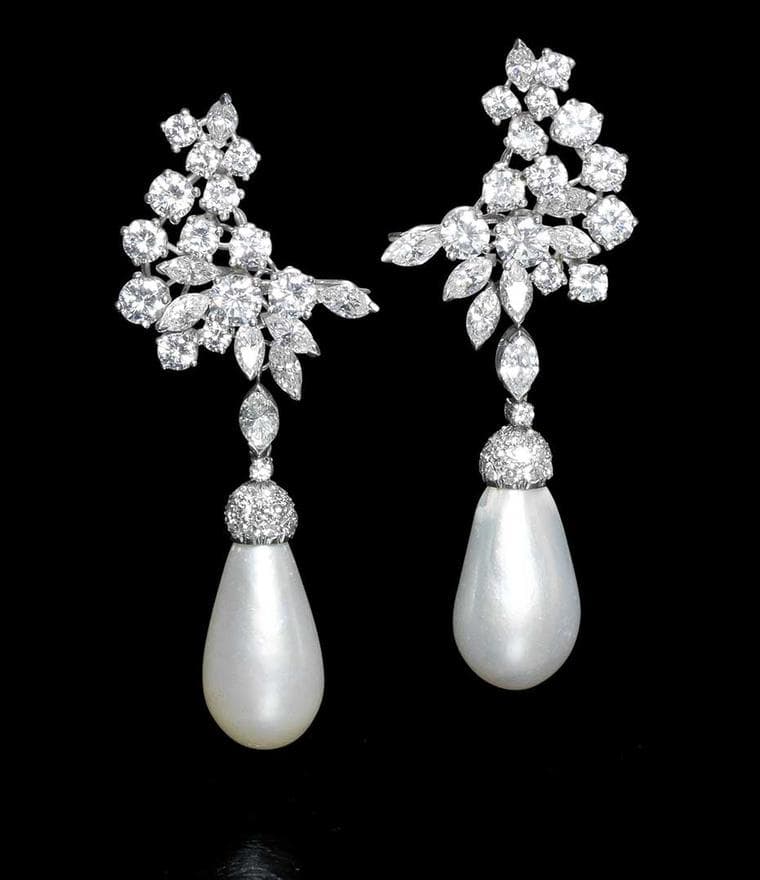
The most important number in Dublin was the gap: €340,000 for a pair of early 20th-century pearl drop earrings that had been estimated at just €25,000 to €35,000. That result, in Adam’s Fine Jewellery & Ladies Watches sale on Tuesday, May 12, 2026, shows how aggressively buyers are pursuing exceptional pearl jewels when rarity, period character, and proof of natural origin all align.
Adam’s catalogued the lot as a rare and important pair of early 20th-century pearl and diamond pendent earrings from the private collection of a Continental Lady. The earrings measured 3.9cm long and were built with grey pearl drops, pierced rose-cut diamond caps, and old-cut diamond surmounts. In a market where design alone rarely carries a seven-figure argument, the strength of the result lay in the combination of refined workmanship and material scarcity.
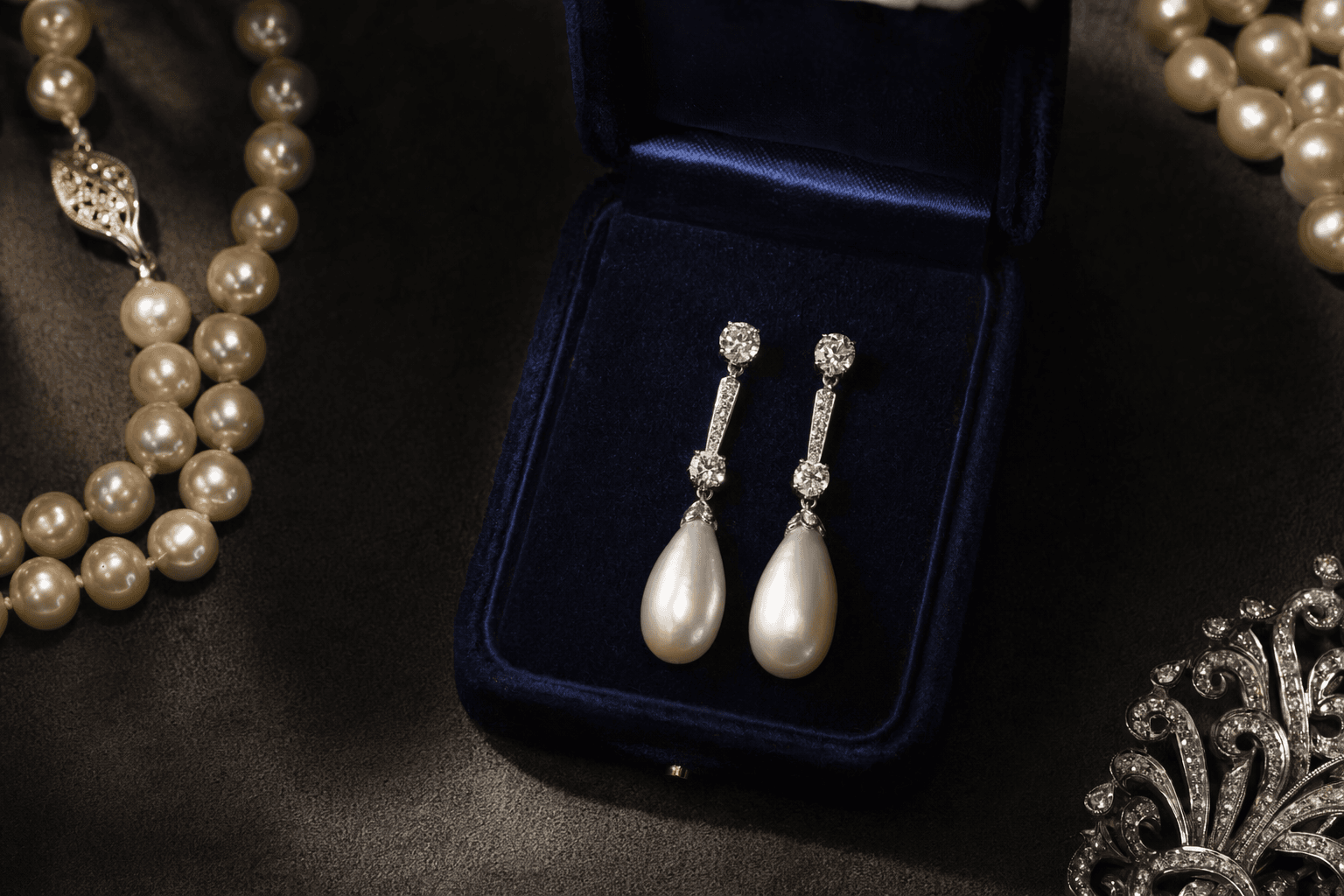
A Paris LFG laboratory report dated March 9, 2026 gave the pair its sharpest commercial edge. It stated that both pearl drops are natural, saltwater-origin pearls with no indications of treatment. For collectors, that kind of documentation matters because natural pearls sit in a category apart from cultured pearls: they are finite, historically prized, and far scarcer in the wild. Adam’s notes placed them in the long history of pearl collecting, pointing out that the Persian Gulf was the principal historic source of natural pearls until the 1920s.
That provenance story still has pull at the top end of the market. Adam’s also invoked the 1917 Cartier natural pearl deal for the Morton Plant mansion in New York, a reminder that important pearl jewels have long been bought not just for beauty, but for their place in luxury history. Claire-Laurence Mestrallet, the jewellery specialist associated with Adam’s, has been working in a market where buyers increasingly pay for the full package: period construction, documented natural origin, and condition that allows the piece to read cleanly on the hand and under the loupe.
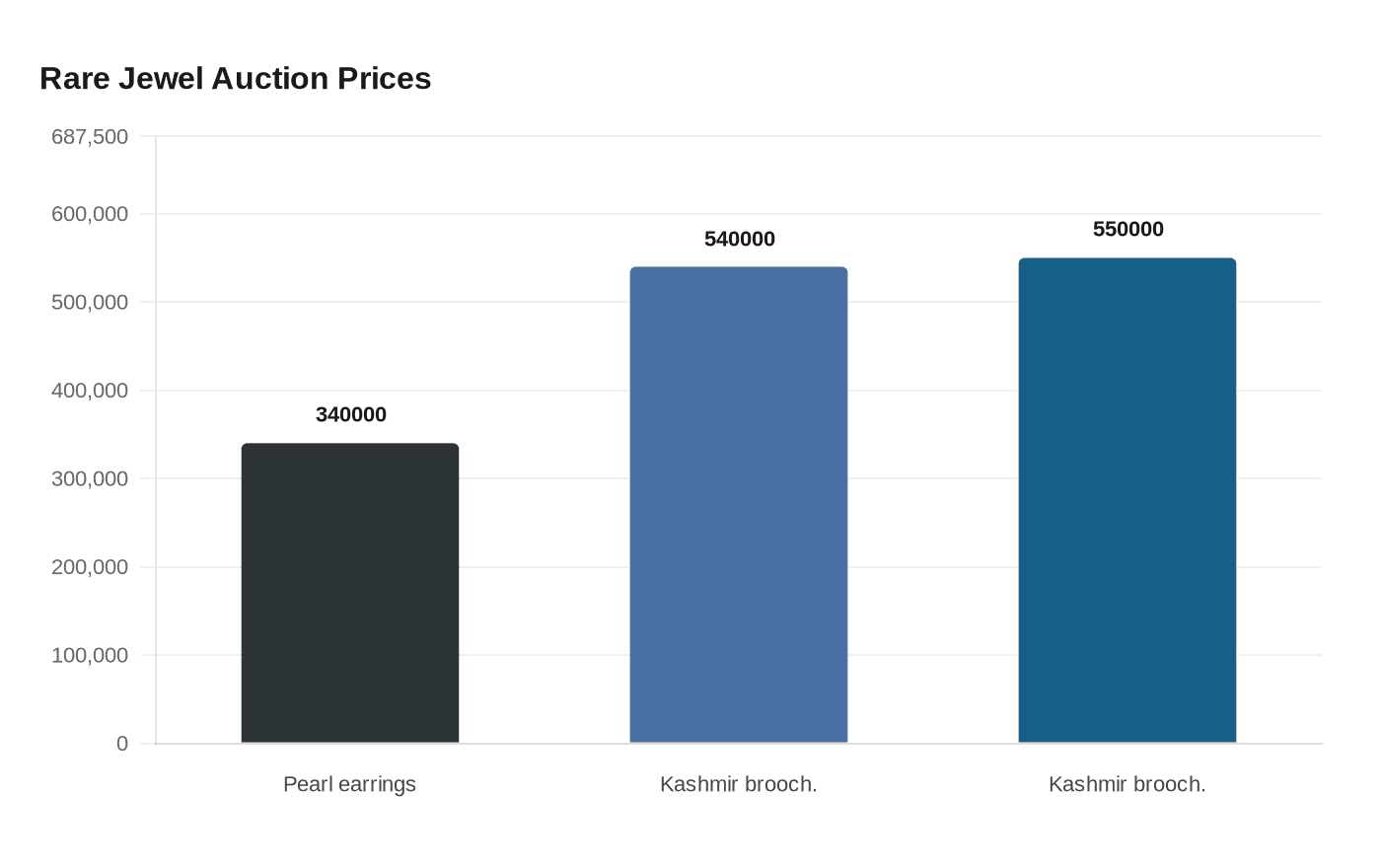
The pearl result also fits a wider run of strong Irish auction performances for rare jewels. In 2025, Adam’s sold two Kashmir sapphire brooches for €540,000 and €550,000, well above estimates of up to €300,000 and €250,000. For dealers and collectors, the lesson is clear: the highest prices are going to jewels that can prove what they are, where they come from, and why they matter, and natural pearl earrings with old-world craftsmanship are still capable of shocking the room.
Know something we missed? Have a correction or additional information?
Submit a Tip