Pearl specialists bring Akoya strands and rings to JGA 2026
Akoya strands and rings are driving JGA's pearl story as specialists lean on classic inventory with sharper, contemporary settings. The category's value now rests on consistency, not novelty.
Fine pearls are reclaiming the sourcing spotlight as specialists head to JGA 2026 with Akoya strands, pendants and rings, a mix that signals discipline rather than nostalgia. The fair will run from June 18 to 21, 2026, at the Hong Kong Convention & Exhibition Centre, and HKTDC positions it as Asia’s No. 1 mid-year jewellery sourcing destination for global trade buyers and suppliers.
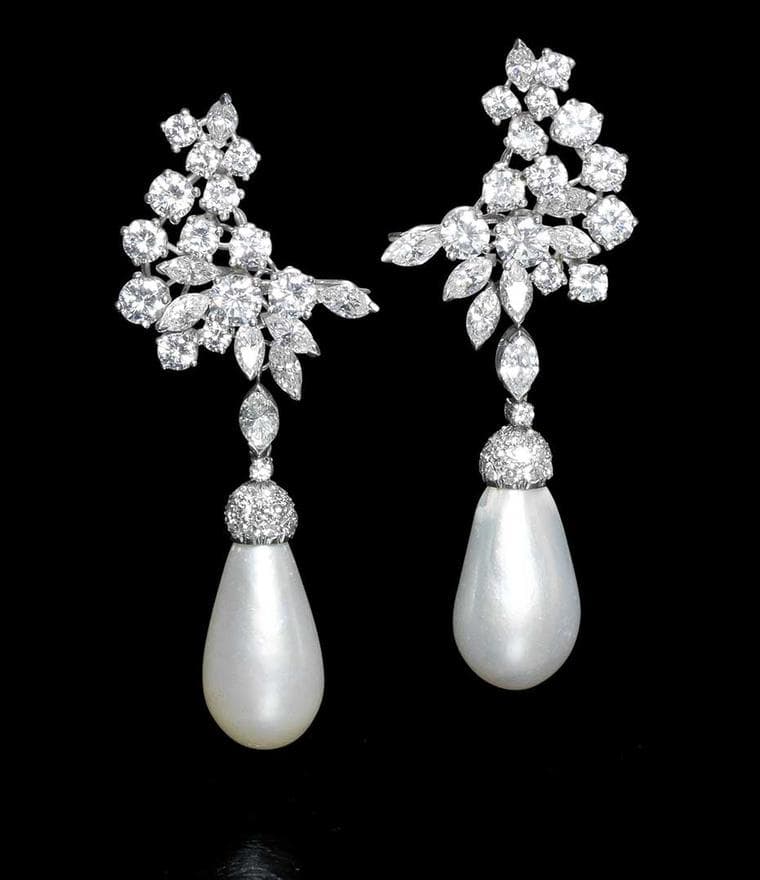
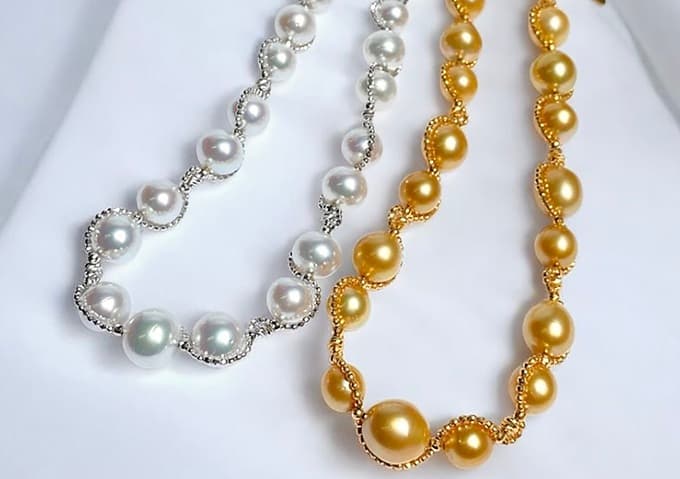
The clearest message from the pearl offerings is that the trade is betting on recognizability with a twist. Exhibitors are bringing wide runs of luscious Akoya pearl strands alongside the Sunshine Akoya pearl pendant and the Turnip Akoya pearl ring in silver, while other showcases lean into a Golden South Sea pearl ring set with diamonds, Japanese Akoya pearls in 18-karat gold, a heart-shaped golden South Sea pearl and diamond collection, and loose Japanese Akoya pearls. In other words, the market is not abandoning classic pearl language; it is refining it through format, setting and metal choice.
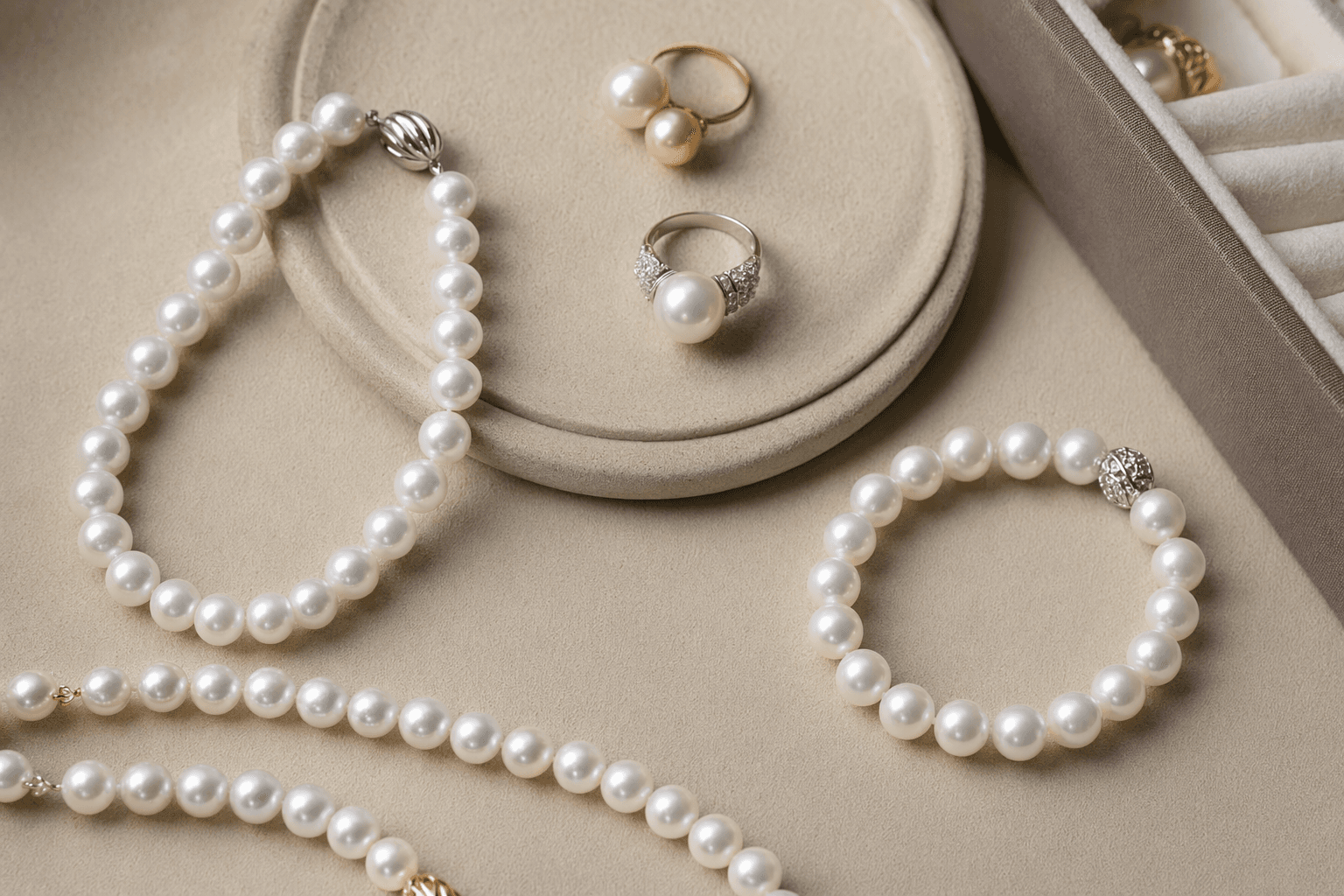
That matters because pearl buyers are shopping with caution. HKTDC’s survey of 1,507 buyers and exhibitors at its 2026 twin jewellery shows found that respondents expected it could take one to two years before confidence was fully restored. Stylish fashion jewellery and precious jewellery emerged as the most in-demand segments, a combination that helps explain why pearls continue to hold their ground. They offer the familiarity of a known gemstone family, but also enough design flexibility to move between commercial basics and higher-ticket pieces.
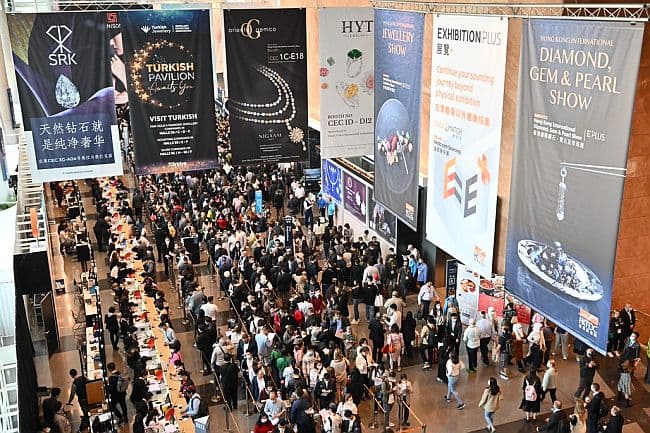
The numbers underline why the category still commands attention. Global pearl trade reached about US$1.08 billion in 2024, down 13.8 percent from 2023, yet the market has still grown at an annualized 6.01 percent over the past five years. Akoya remains the reference point inside that market because of its white-to-cream color, mirror-like luster and round shape, traits that keep it at the center of strand buying even as contemporary tastes push designers toward pendants, rings and mixed-metal settings.
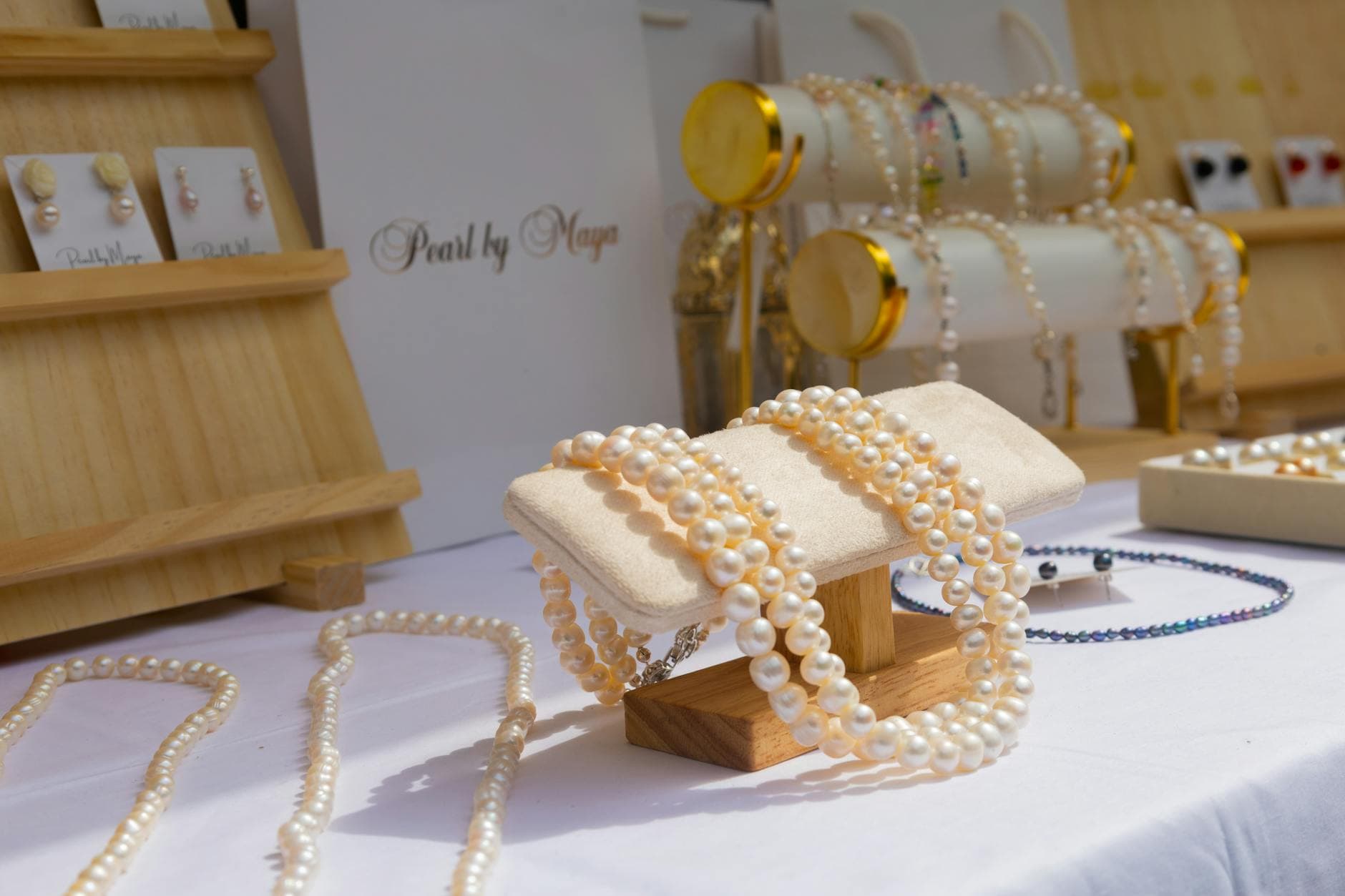
Prices have climbed in recent years, helped by stronger demand for modern designs and increased buying from Chinese consumers. Production has also widened beyond Japan, reaching north Vietnam and the southern coast of China, while Kokichi Mikimoto’s cultured-akoya breakthrough in Japan more than a century ago still anchors the category’s heritage. CIBJO’s 2025 Pearl Special Report adds another layer, describing a global pearling community that spans producers, suppliers, merchants and brokers. For JGA 2026, that combination of lineage, supply pressure and design variety is exactly what makes Akoya and its South Sea cousins the most commercially interesting pearls on the floor.
Know something we missed? Have a correction or additional information?
Submit a Tip