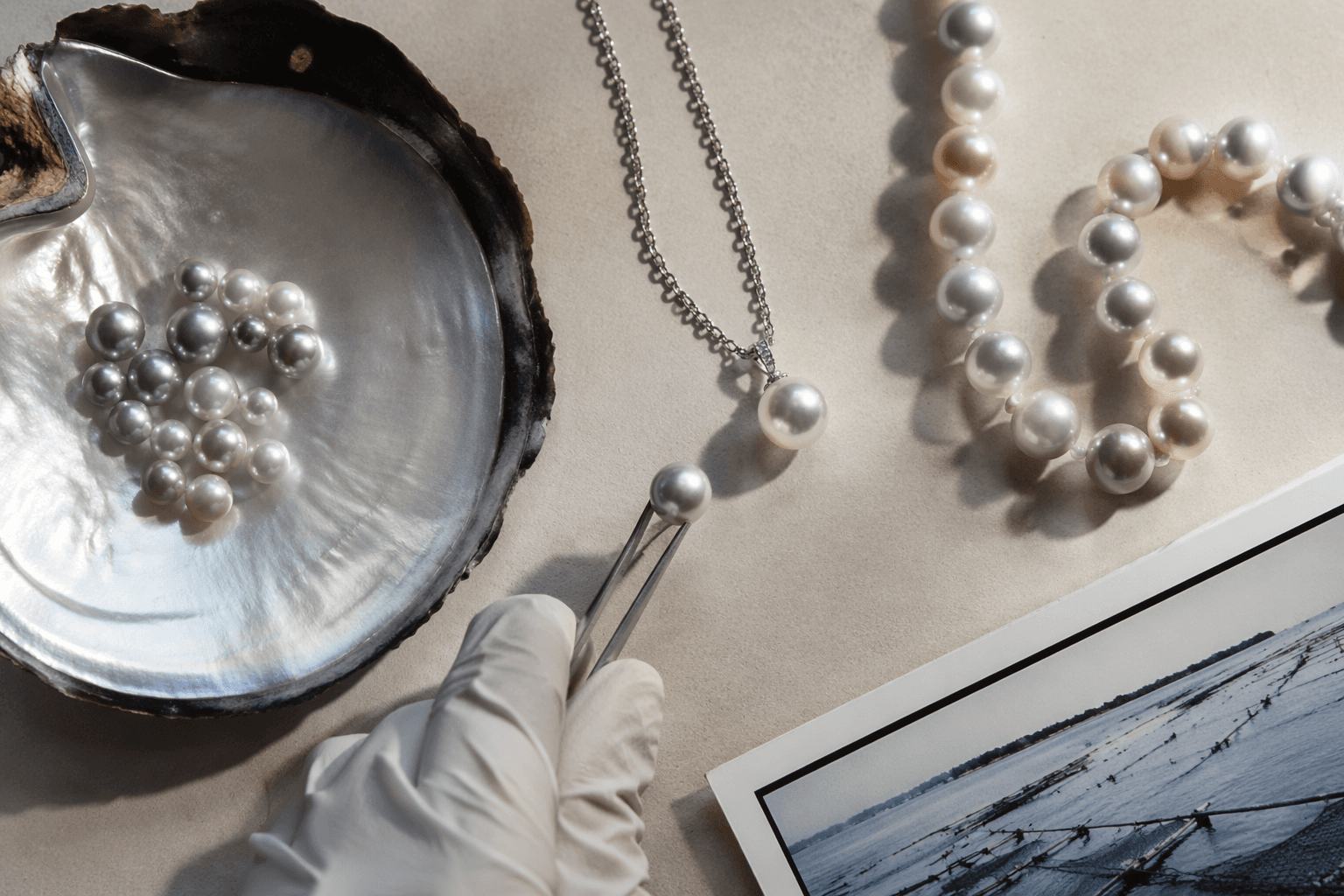
GIA expands pearl nacre grading to five-tier scale
GIA’s new five-tier nacre scale shifts many pearls from “acceptable” to “good,” changing how buyers judge durability, value and resale confidence.
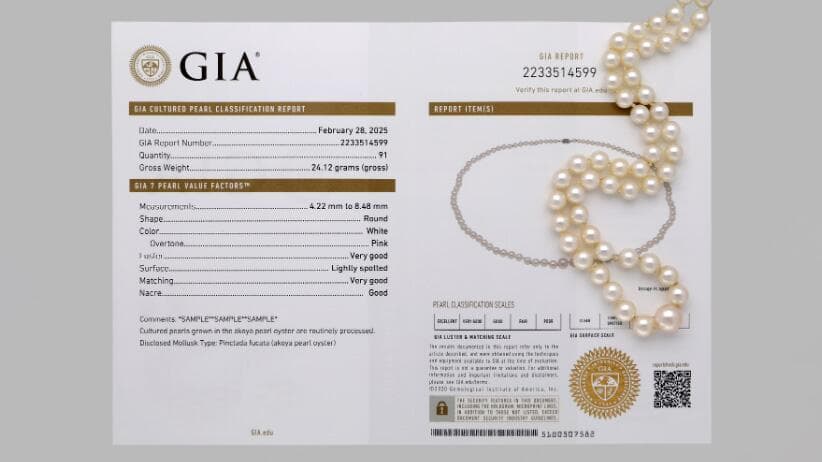
A pearl report that now reads “good” instead of “acceptable” changes more than vocabulary. It changes the way a buyer reads durability, the way a dealer frames price, and the way a collector weighs a stone that may look nearly identical on the wrist or at the ear.
The Gemological Institute of America expanded its nacre language on May 19, 2025, moving from a two-step system to five grades: Excellent, Very good, Good, Fair and Poor. Under the old wording, nacre was simply either Acceptable or Unacceptable. Acceptable covered the commercial standard for thickness, layering and condition, while Unacceptable flagged thin, chalky or damaged nacre that could threaten durability. The new scale gives far more room between those extremes, which matters because nacre is the pearl’s skin, its body, and much of its long-term value story.
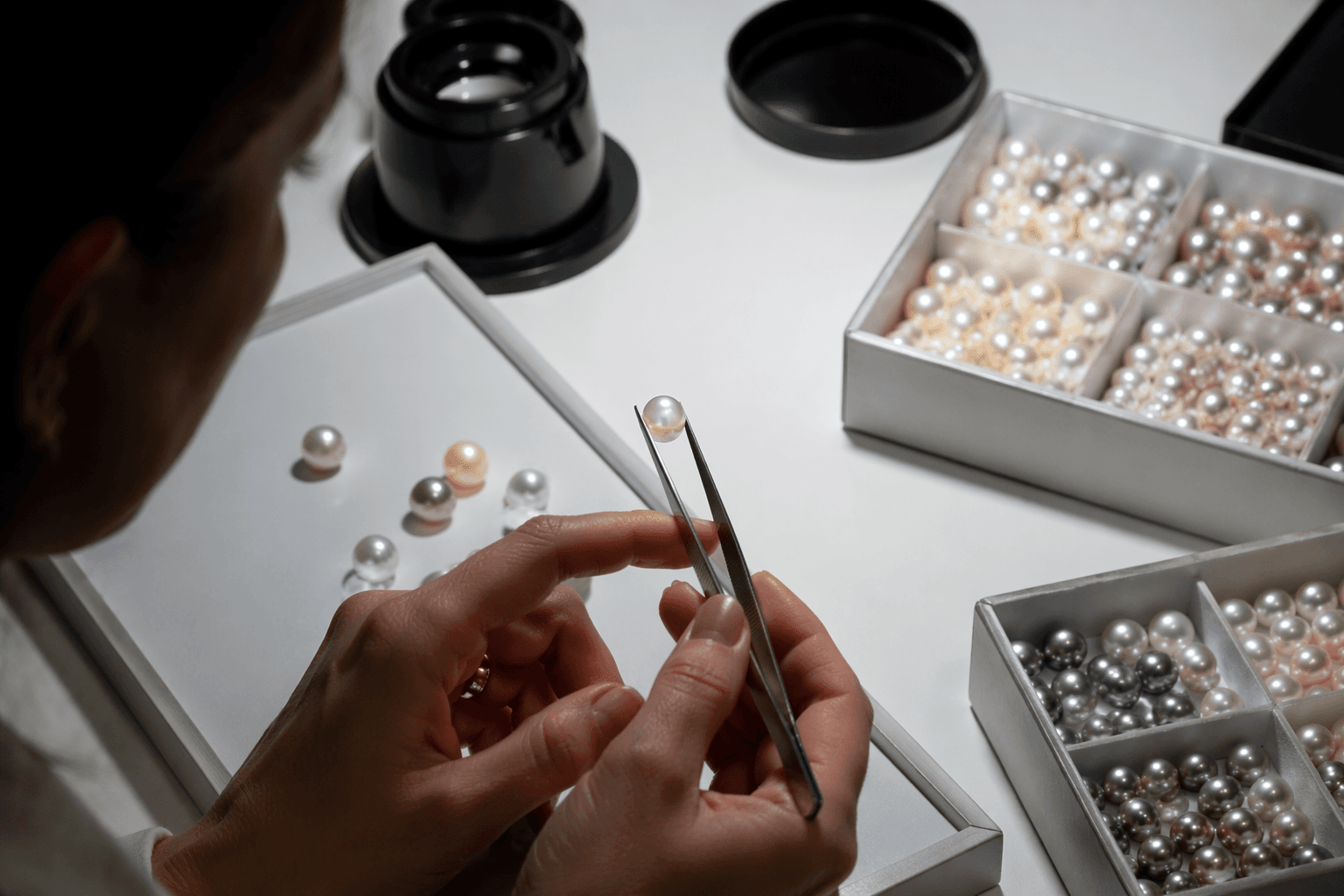
That shift also changes the buyer-protection lens. GIA’s Tom Moses said nacre formation plays a critical role in a pearl’s growth and that nacre thickness and continuity affect durability. In practice, that means a report no longer forces a pearl into a blunt yes-or-no bucket. A stone with sound nacre can now be separated from one that is merely passable, and a pearl with weak nacre can be graded down more precisely. For consumers comparing pearls at different price points, that nuance can help explain why two similarly sized cultured pearls do not command the same money.
GIA said the revision came after observations and requests from members of the global pearl trade, and it was designed to line up nacre more cleanly with the institute’s seven pearl value factors: size, shape, color, nacre, luster, surface and matching. That framework sits at the center of GIA’s cultured pearl classification report, the document many dealers and buyers rely on when comparing lots, loose stones and finished jewelry. If most pearls submitted now fall into “good” rather than “acceptable” nacre, as industry observers noted, the language on the report becomes more useful, but also more consequential in negotiations over quality and price.
The update also fits GIA’s longer role in pearl grading. The institute has described itself as a leader in pearl identification and classification since 1949, and it says its system was refined from earlier work by Richard T. Liddicoat Jr., including a 1967 proposal. GIA also says it contributed to revising U.S. Federal Trade Commission pearl guidelines. For buyers, that history matters: when a lab with that kind of influence changes a single word, the market listens, and the line between a convincing pearl and a fully defensible one gets clearer.
This article was produced by Prism’s automated news system from verified source data, official records, and press releases, then run through automated quality and moderation checks before publishing. The system is built and supervised by the people who set the standards it runs under. Read our full AI policy.
Did this article answer your question?