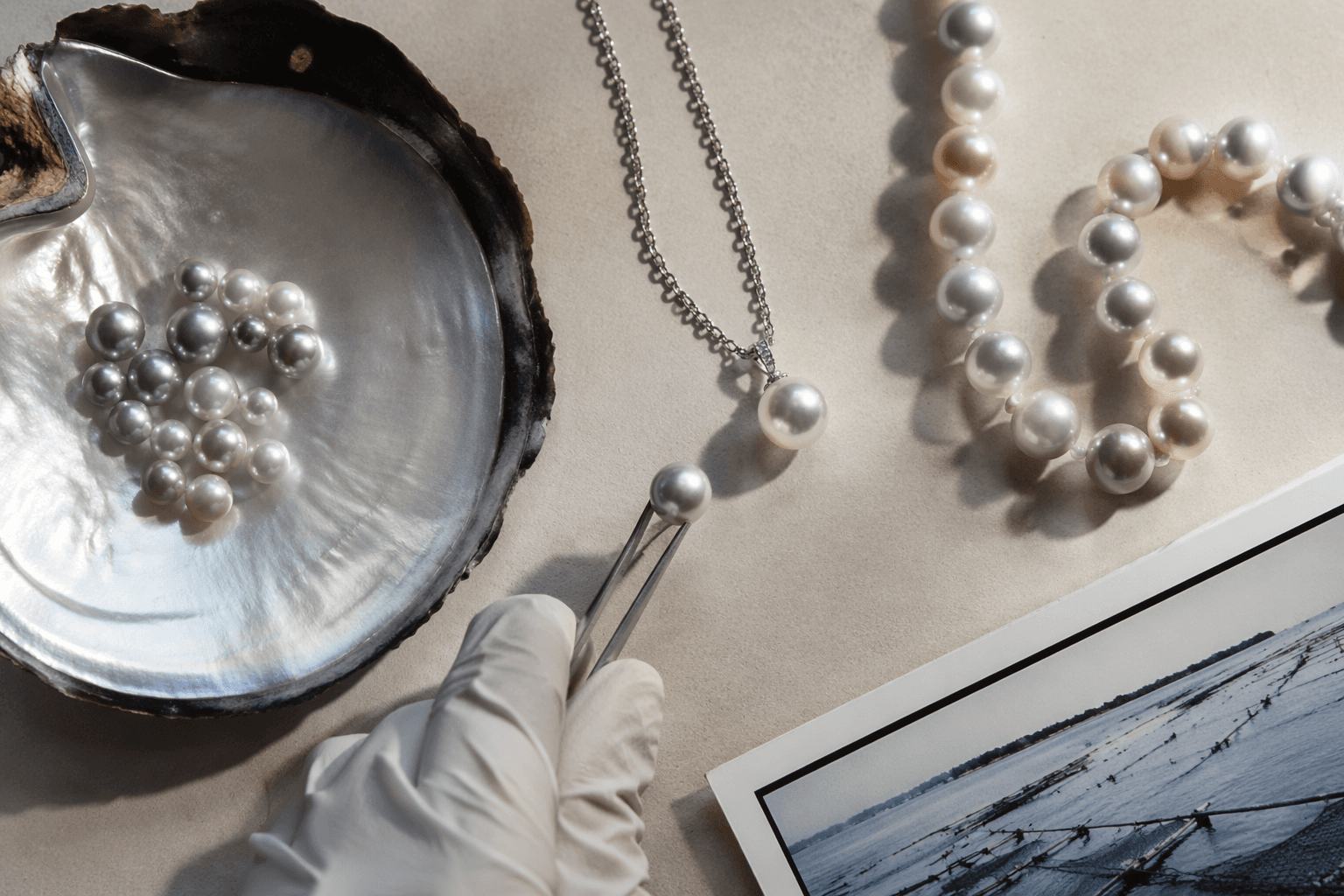
GIA explains how labs grade pearls, from Akoya to rare varieties
GIA’s 7 Pearl Value Factors turn pearl buying into a clear checklist, from luster and nacre to matching, with reports that also reveal origin and treatment.
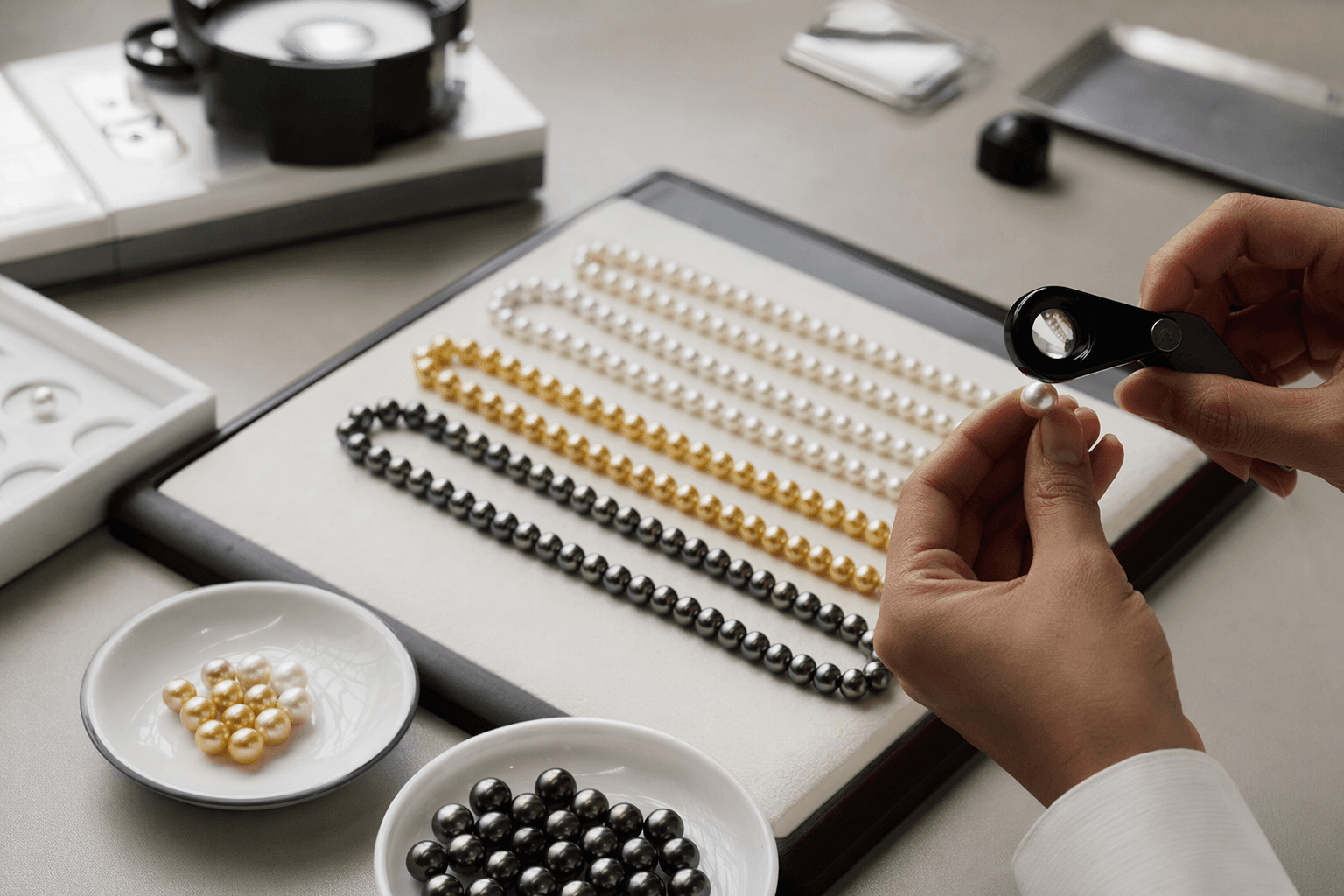
Pearls carry an old romance, but the smartest way to buy them is thoroughly modern. GIA’s grading framework gives you a practical way to judge what you are really seeing, whether you are comparing a single Akoya strand or weighing rarer pearls such as melo, conch, and abalone.
Why GIA’s pearl standard matters
Pearls have long been prized and are still often called “The Queen of Gems,” which is exactly why they can be difficult to buy with confidence. Unlike many gemstones, pearls ask you to balance beauty with structure: surface condition, nacre quality, matching, and the way a strand hangs all affect what you pay and how long the piece will wear well. GIA, established in 1931, has positioned its pearl reporting as a global standard for identification and quality evaluation, a role it says it has held since 1949.
That history matters because the pearl trade needed a reliable language long before online shopping made comparison easy. GIA traces its pearl-testing work back to the 1930s, when Japanese Akoya cultured pearls were successfully commercialized and labs needed a way to separate natural pearls from cultured ones. Over time, GIA says it contributed to revisions of the FTC’s pearl guidelines and worked with major pearl companies around the world to refine how pearls should be described.
The 7 Pearl Value Factors, translated into buying language
GIA’s 7 Pearl Value Factors are size, shape, color, luster, surface, nacre, and matching. The system was developed over a 60-year period of research and is widely adopted in the pearl industry. It applies to nacreous pearls and was originally described for the three dominant saltwater cultured pearl types: Akoya, South Sea, and Tahitian.
Size
Size is the first number most shoppers notice, and it often drives price in a very visible way. Larger pearls are typically rarer and more commanding on the neck or ear, but size alone never tells the full story. A small pearl with extraordinary luster and smooth skin can outshine a larger one with dullness or blemishes, so the real question is how the size works with the rest of the gem.
Shape
Shape influences both value and style. Round pearls remain the benchmark for classic strands and formal jewelry, while oval, drop, button, and baroque shapes can feel more characterful or contemporary. In practical terms, the more uniform the shape in a strand or pair of earrings, the easier it is to create a polished, balanced look, which is why shape is inseparable from matching.
Color
Color is one of the most personal factors in pearl buying, and it is also one of the most misunderstood. The body color and overtone can change the mood of a piece dramatically, from the crisp brightness associated with Akoya pearls to the deeper, moodier notes often sought in Tahitian pearls. The best color is not the most expensive one in the abstract, but the one that looks intentional against your skin tone, wardrobe, and the setting around it.
Luster
Luster is the pearl’s optical signature, the sharpness and depth of reflection that makes a pearl look alive rather than flat. This is often where buyers see the biggest difference between a fine strand and a merely acceptable one. GIA’s classification report can include luster details, because this quality affects both desirability and resale confidence.
Surface
Surface quality is the closest thing pearls have to clarity grading in other gems. Fewer marks generally mean a cleaner, more valuable pearl, especially when the surface looks even and well balanced under light. For shoppers, the practical question is whether the surface imperfections are minor character marks or distracting flaws that will remain visible every time the piece is worn.
Nacre
Nacre is the pearl’s layered body, and GIA says its thickness and continuity affect durability. That matters more than many buyers realize, because nacre also influences size, shape, luster, and surface quality as the pearl develops. A pearl with strong nacre is generally the safer long-term choice, especially if you want a piece that can be worn often and not merely admired from a distance.
Matching
Matching becomes crucial as soon as a piece contains two or more pearls. GIA treats it as one of the seven value factors because a pair of earrings or a strand depends on visual harmony, not just individual quality. Matching affects price, but it also affects the overall elegance of the jewel, which is why a slightly imperfect but beautifully matched strand can feel more luxurious than a collection of technically superior but discordant pearls.
What GIA pearl reports can tell you
GIA’s reports do more than rank appearance. They can identify whether pearls are natural or cultured, determine the mollusk when possible, state whether the pearls formed in saltwater or freshwater, and note whether they have undergone treatment. That combination gives buyers the kind of fact pattern that supports both price comparison and resale confidence.
The lab also offers different service tiers. A Cultured Pearl Classification Report is designed for unmodified cultured pearls, while the Pearl Identification & Classification Report adds classification details for luster, surface, and matching when applicable. Reports may also include a digital image, which helps make the paper trail more useful when you are comparing pieces side by side or revisiting a purchase later.
How to use the report at the counter
The easiest way to buy well is to turn the GIA framework into questions a jeweler can answer clearly.
- Are these pearls natural or cultured?
- If they are cultured, can you tell me the mollusk and whether they are saltwater or freshwater?
- Have they been treated in any way?
- How do size, shape, color, luster, surface, nacre, and matching affect this piece specifically?
- Is this report a Cultured Pearl Classification Report or a Pearl Identification & Classification Report?
- Does the strand or pair show strong matching, or are the differences deliberate and part of the design?
Those questions matter because pearls are not judged by brightness alone. A buyer who understands nacre and matching will know why one strand costs more than another, why one pair of earrings feels effortlessly elegant, and why a seemingly minor difference can change durability over time.
Why this language is useful now
The appeal of pearls is broad enough to include classic Akoya strands, dramatic South Sea drops, silvery Tahitian jewels, and the rarer melo, conch, and abalone varieties. That range is exactly why a shared standard matters. GIA’s system does not strip pearls of their romance; it gives that romance a dependable frame, so the beauty you see is the beauty you can justify.
In a category where subtle differences can change price, wearability, and long-term confidence, the most elegant purchase is also the most informed one.
This article was produced by Prism’s automated news system from verified source data, official records, and press releases, then run through automated quality and moderation checks before publishing. The system is built and supervised by the people who set the standards it runs under. Read our full AI policy.
Did this article answer your question?