GIA reveals how labs spot real pearls and imitations
Fluorescence, drill holes, nacre layers, and surface texture are the quickest tells. GIA’s pearl reports add the paper trail buyers need when a strand is mixed or treated.
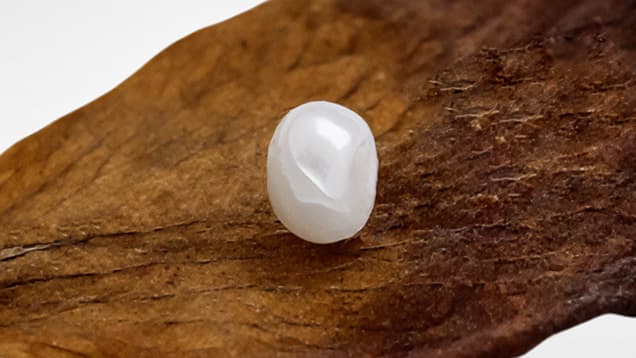
In a recent GIA examination in Mumbai, 18 strands made up of about 9,360 white to light cream pearls weighing 706.79 carats included one small white oval imitation. Labs read fluorescence, drill-hole edges, nacre layering, and surface texture to determine whether a pearl is natural, cultured, treated, or simulated. For anyone buying, collecting, or reselling pearl jewelry, those are the details worth asking to see before money changes hands.
What gem labs look for first
Pearls come in two broad structural families: nacreous and non-nacreous. Nacreous pearls have the layered glow created by aragonite platelets, while non-nacreous materials such as conch or melo have different surface character and need a different line of scrutiny. A soft, satiny luster alone does not prove a pearl is real, and a glossy surface can belong to a shell imitation or a treated stone.
The other early clue is the drill hole. In a true pearl, the hole usually behaves like the pearl itself, with clean structure around the edge rather than an oddly oversized opening or a shell-like interior. Labs also look for the expected layered nacre, not a smooth, coated, molded, or residue-like skin that suggests something manufactured.
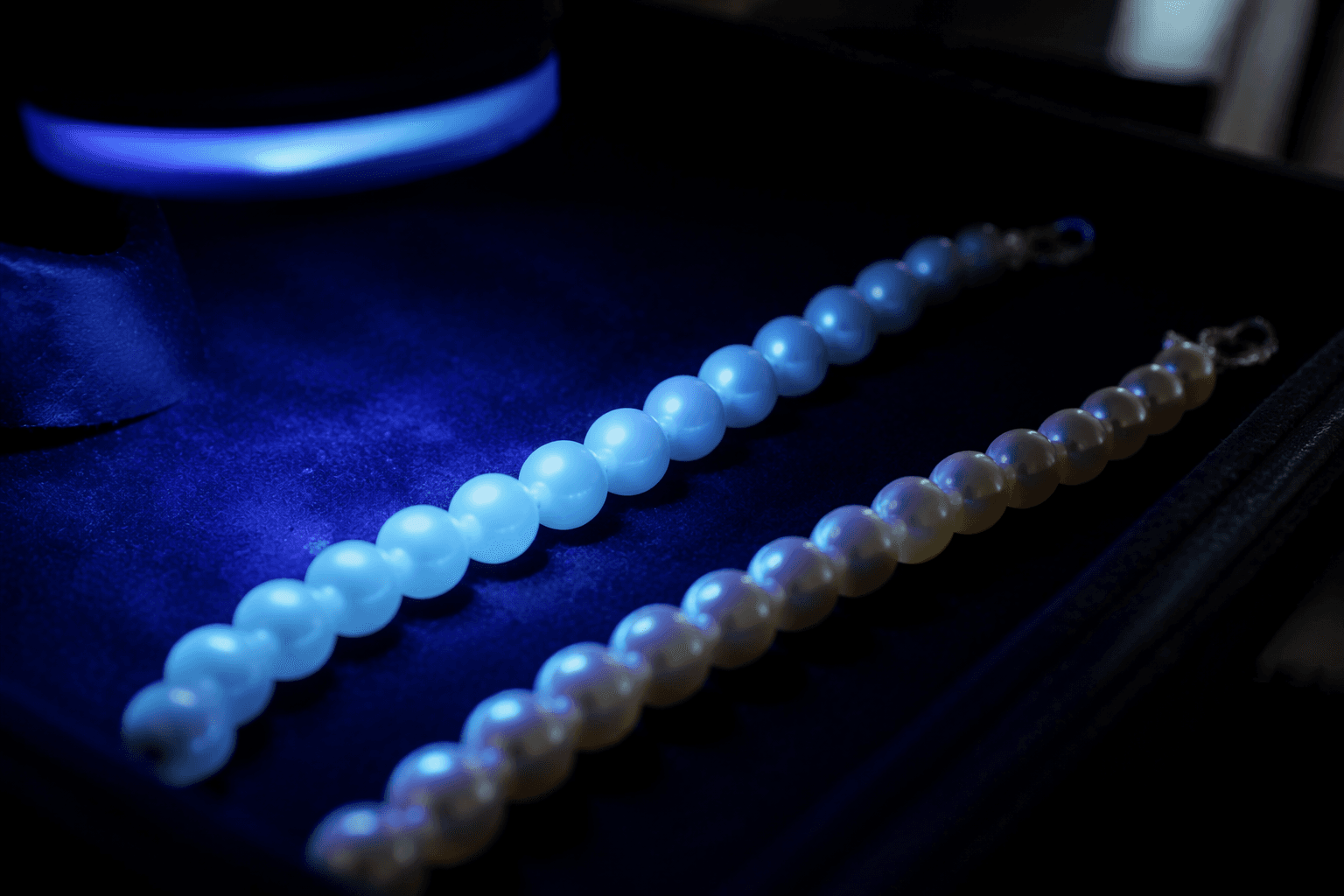
Fluorescence can add another layer of evidence. A pearl that reacts differently under ultraviolet or X-ray-related testing can signal a different origin, different composition, or a treatment. But fluorescence is a clue, not a verdict on its own, because nacre thickness and shell bead construction can change the result.
A real-world lab test, read like a buyer would read it
The Mumbai examination showed how these clues work together in practice.
Most of the pearls in that submission were inert under X-ray fluorescence, which pointed to saltwater origin. A smaller group showed strong yellowish green fluorescence, the kind of behavior associated with freshwater pearls. One small white oval item stood apart: it reacted differently under X-ray fluorescence, had an unusually large drill hole, and showed a smooth surface with liquid-like residue instead of the layered nacre expected in a true pearl. Additional testing kept pointing away from pearl structure, and GIA concluded that item was an imitation.
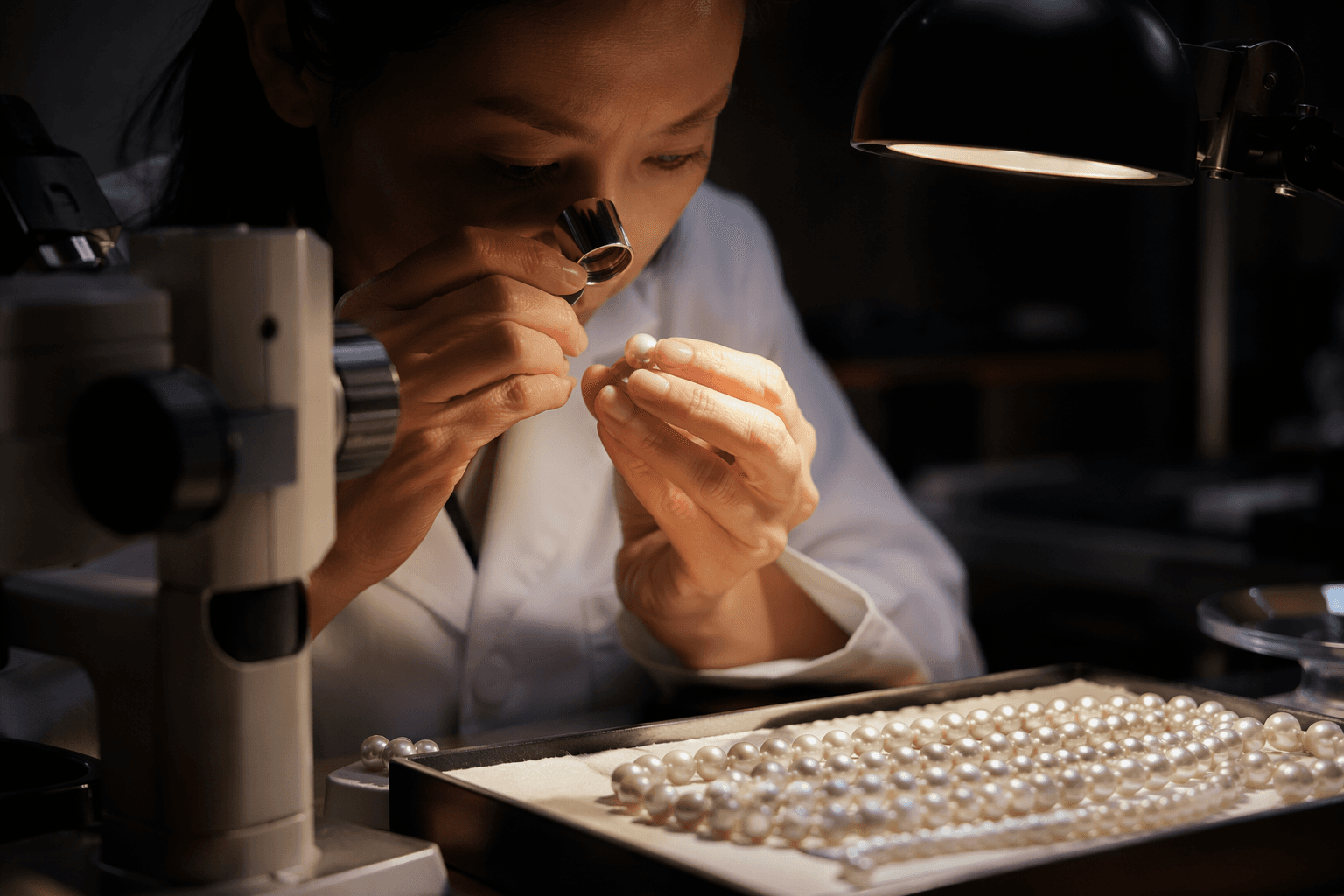
A strand can contain real pearls and a lookalike side by side. If the pearls are mixed, a seller’s broad description is not enough. That is the moment to ask for a report that identifies the actual contents piece by piece, or at least by lot.
What a GIA report should tell you
GIA Pearl Identification Reports can list quantity, weight, size, shape, color, origin, mollusk, environment, and detectable treatments. They also state whether pearls are natural or cultured, and whether treatments were detected. In some services, the reports can also classify pearls under GIA’s 7 Pearl Value Factors.
A strand described simply as “pearls” leaves out the information that changes price, care, and resale value. Natural versus cultured, freshwater versus saltwater, and untreated versus modified change price, care, and resale value.
Report verification is available through Report Check, which gives buyers a way to confirm the document they are handed.
Treatments are part of the story, not a footnote
Pearls are often altered after harvest, and treatment detection has been a core part of pearl identification since the early days of the lab. The list includes bleaching, heating, dyeing, irradiation, coating, peeling, filling, and impregnation. Some of these are subtle, some are cosmetic, and some can change how a pearl ages or how a buyer should care for it.
Color modification is the most common pressure point. Pearls can be treated into black or golden colors to imitate Tahitian and golden South Sea pearls, and the chemistry behind those changes can affect fluorescence. Dyeing and irradiation can damage or mask conchiolin in the nacre, which reduces fluorescence intensity. That is why fluorescence spectroscopy is so useful: it can quickly screen for possible color treatments without destroying the pearl.
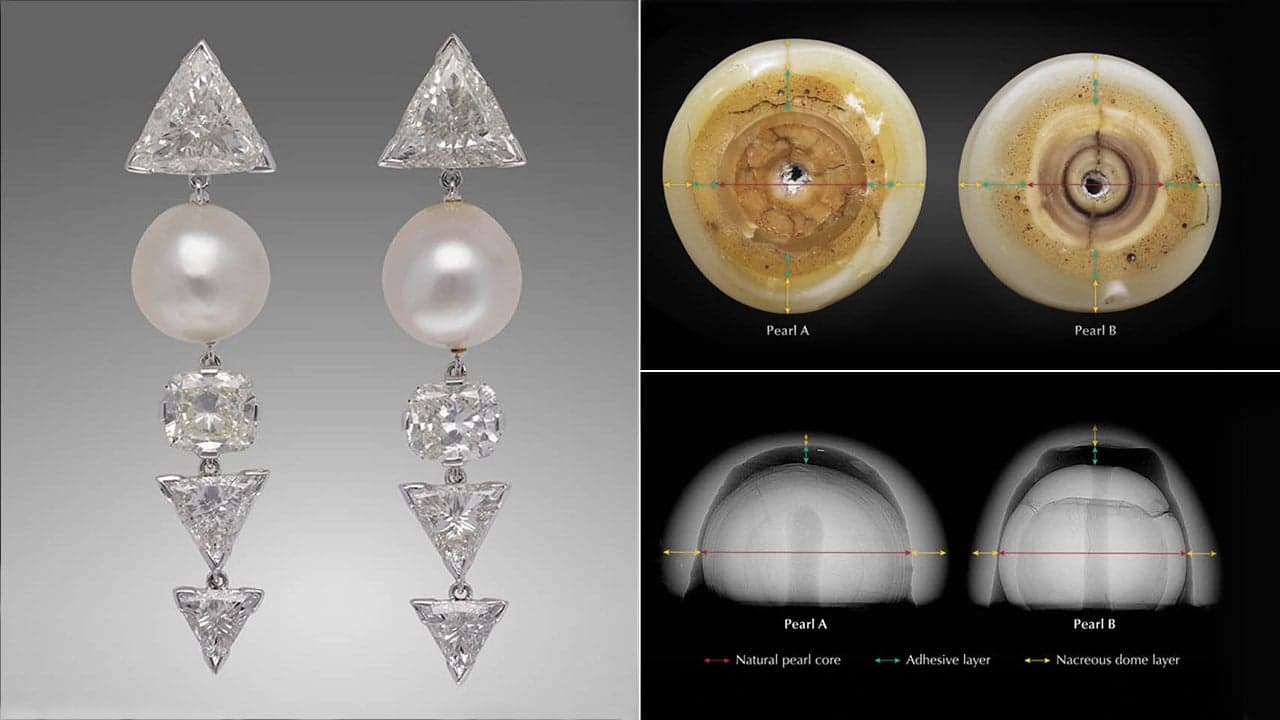
There is also a useful wrinkle in the reading of fluorescence. A saltwater bead-cultured pearl with thinner nacre may show moderate fluorescence because the shell bead underneath can shine through. In other words, a moderate reading does not automatically mean a pearl is fake, and a strong reading does not automatically mean it is untreated. The test has to be read together with structure, drill-hole behavior, and the rest of the report.
Why X-rays changed pearl testing forever
Pearl testing became a serious laboratory discipline in the 1930s, when Japanese akoya cultured pearls made separation from natural pearls a central gemological task. GIA has worked in pearl identification and classification since 1949, but the roots of pearl testing go further back, to the period when cultured pearls first moved from experiment to market force.
Kokichi Mikimoto began experimenting with pearl culturing in 1893 using the akoya oyster. Japanese pioneers later succeeded in producing whole cultured pearls around the beginning of the twentieth century, and those pearls became commercially important in the 1920s as natural production declined. The first steps toward pearl culturing also go back hundreds of years earlier in China.
X-ray imaging changed the field because it reveals the internal structures that separate natural from cultured pearls. GIA’s India natural pearl service uses real-time microradiography for exactly that reason, reading growth structures inside the pearl and comparing them to masters when color judgment is needed.
When to insist on the report
Insist on the report when the piece is expensive, when the seller claims rarity, when the strand looks mixed, or when the pearls are described as natural. It also matters when the surface looks unusually uniform, when the drill holes seem too wide or too neat, or when the color looks too even to be trusted without documentation. Natural pearls were once extraordinarily rare and expensive, and that scarcity still shapes how they are priced and sold today.
This article was produced by Prism’s automated news system from verified source data, official records, and press releases, then run through automated quality and moderation checks before publishing. The system is built and supervised by the people who set the standards it runs under. Read our full AI policy.
Did this article answer your question?