Hong Kong Pearl Fair Spotlights South Sea and Akoya Designs
South Sea and Tahitian pearls are taking a bigger share of the spotlight, while selected Akoya designs are being pushed as easier, more modern everyday pieces.
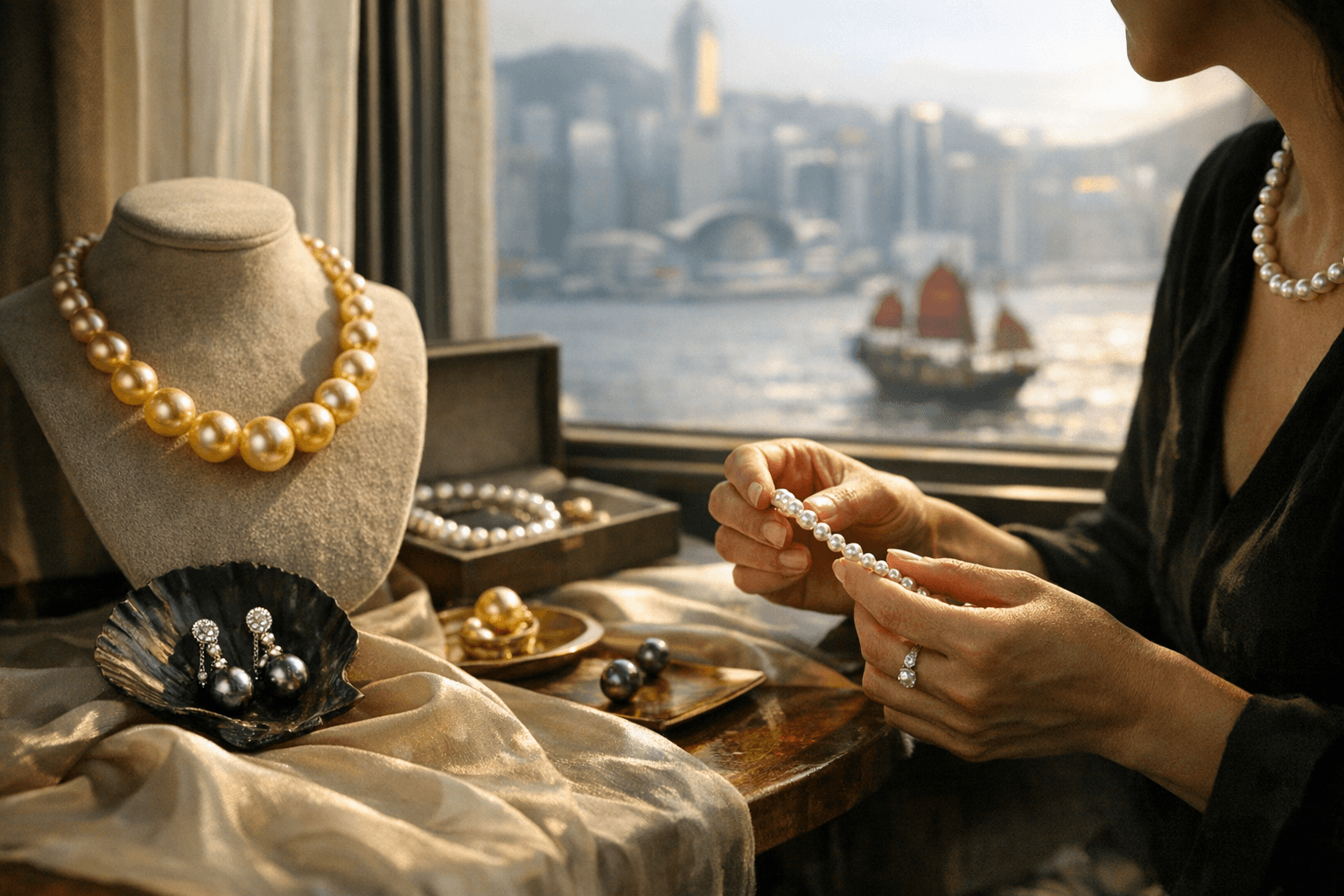
Hong Kong’s mid-year pearl buying season is leaning bigger, shinier and more wearable. At Jewellery & Gem ASIA Hong Kong, scheduled for June 18-21, 2026 at the Hong Kong Convention and Exhibition Centre, exhibitors are steering buyers toward South Sea and Akoya designs that pair classic pearl grades with sharper, more contemporary settings.
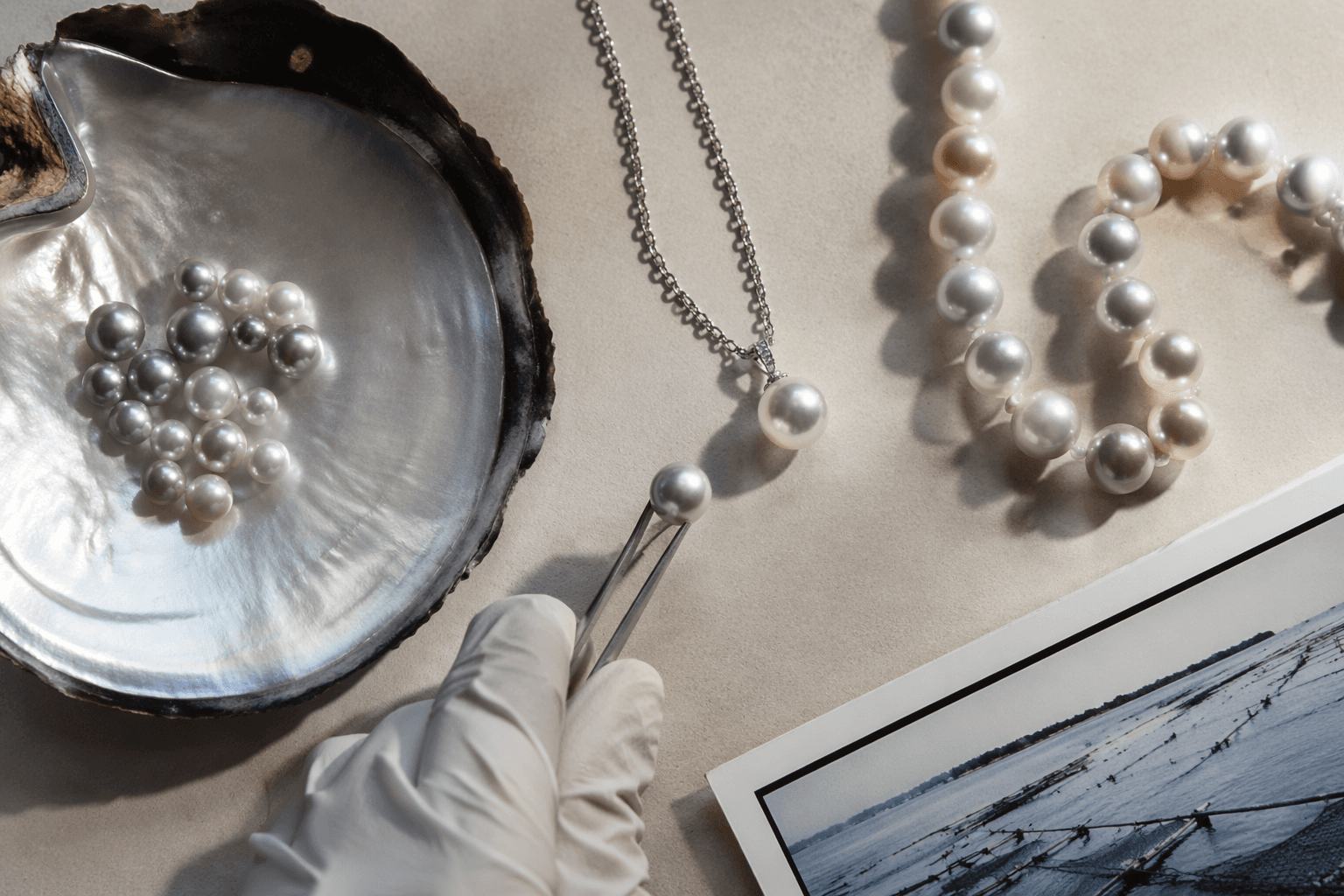
The clearest signal is a category reset: pearls are no longer being shown only as white rounds in formal strands. The fair’s Diamonds, Gemstones & Pearls+ section is set to span Akoya, South Sea, Tahitian and freshwater varieties, a mix that reflects how the market has widened beyond traditional Japanese Akoya to larger South Sea and Tahitian goods, along with more unusual shapes and colors. For shoppers, that means more choice at both ends of the pricing ladder. Akoya remains the cleaner, more familiar entry point, while South Sea and Tahitian pearls continue to carry the premium cachet.
Nagahori Corporation captured that split well. Founded in June 1962, the company says its pearl business sources from farms in Japan, Australia, the Philippines and Tahiti, giving it a supply story that reaches across the main pearl-growing regions. Its heart-shaped South Sea pearl jewellery, set in 18-karat gold, is positioned as a distinctive luxury play, and the company describes itself as the sole distributor of those heart-shaped South Sea pearls. That makes the line feel more collector-oriented than commodity-driven, especially for buyers looking for pearls with a design signature rather than a standard strand.
At the other end of the style spectrum, Nagahori’s AYA Collection uses selected Japanese Akoya pearls and is presented as a modern pearl jewelry line. The appeal here is wearability: smaller, well-matched Akoya pearls are easier to slot into daily wardrobes, especially when designers mix sizes to create volume without losing polish. That approach tracks with the broader market shift toward pearls that can leave the jewelry box and work with tailoring, knitwear and pared-back evening looks.
Wing Hang Jewellery Co Ltd points to another buying direction: matched pearl-and-diamond pieces in white gold. Its previewed white South Sea pearl earrings in 18-karat white gold with diamonds and a golden South Sea pearl ring in 18-karat white gold with diamonds show how exhibitors are using sculptural metal and diamond accents to update the pearl category without stripping away its formality. Wing Hang, a member of the Hong Kong Jewellers’ & Goldsmiths’ Association since 2008, is leaning into exactly the sort of pairing that keeps pearls relevant for both retailers and end buyers.
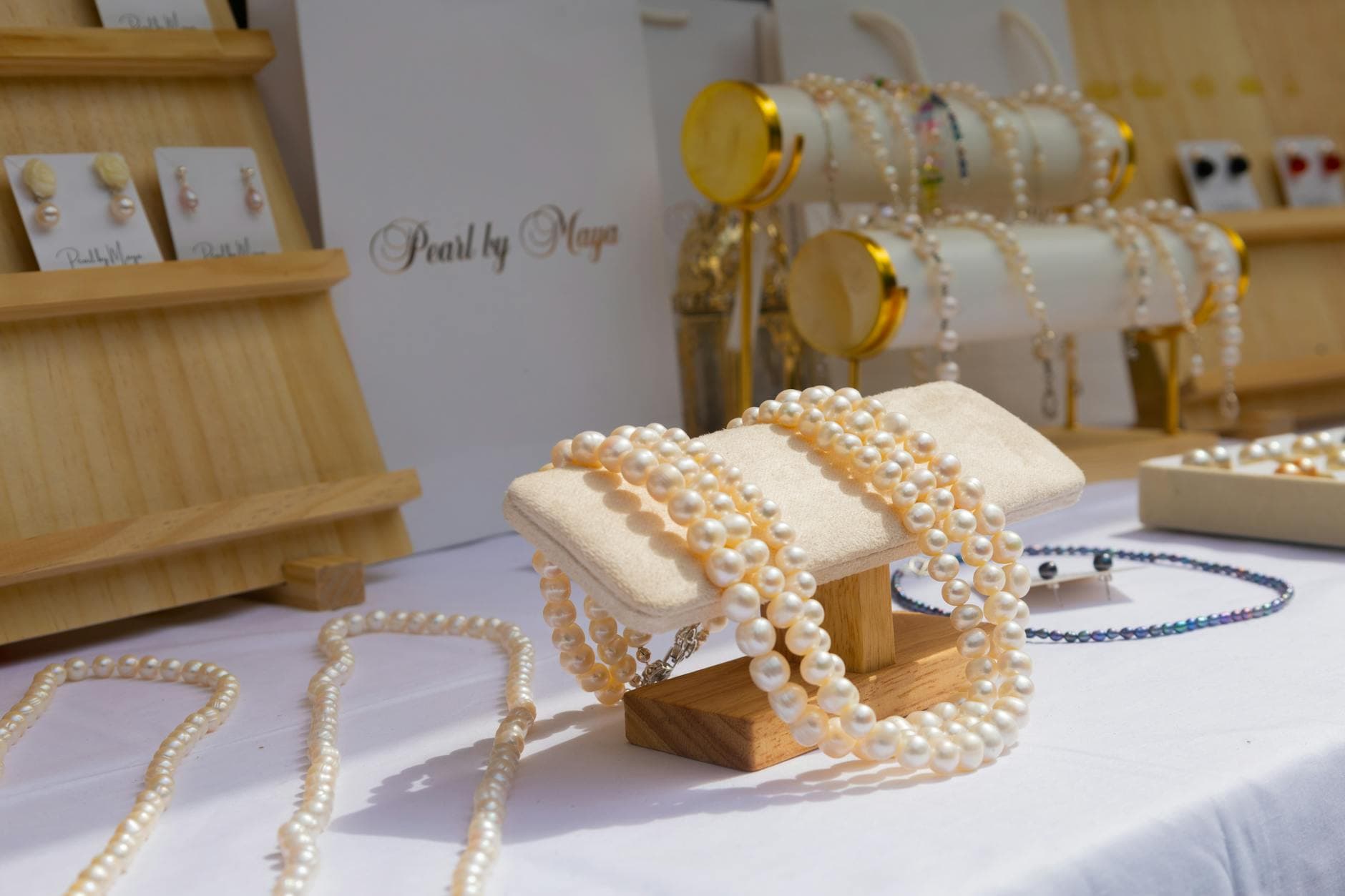
For the next 6 to 12 months, the fair suggests three practical takeaways: South Sea and Tahitian pearls will keep driving premium interest, Akoya will remain the value-and-versatility choice, and white gold with diamond accents is becoming the safest route to make pearls feel current rather than ceremonial.
This article was produced by Prism’s automated news system from verified source data, official records, and press releases, then run through automated quality and moderation checks before publishing. The system is built and supervised by the people who set the standards it runs under. Read our full AI policy.
Did this article answer your question?