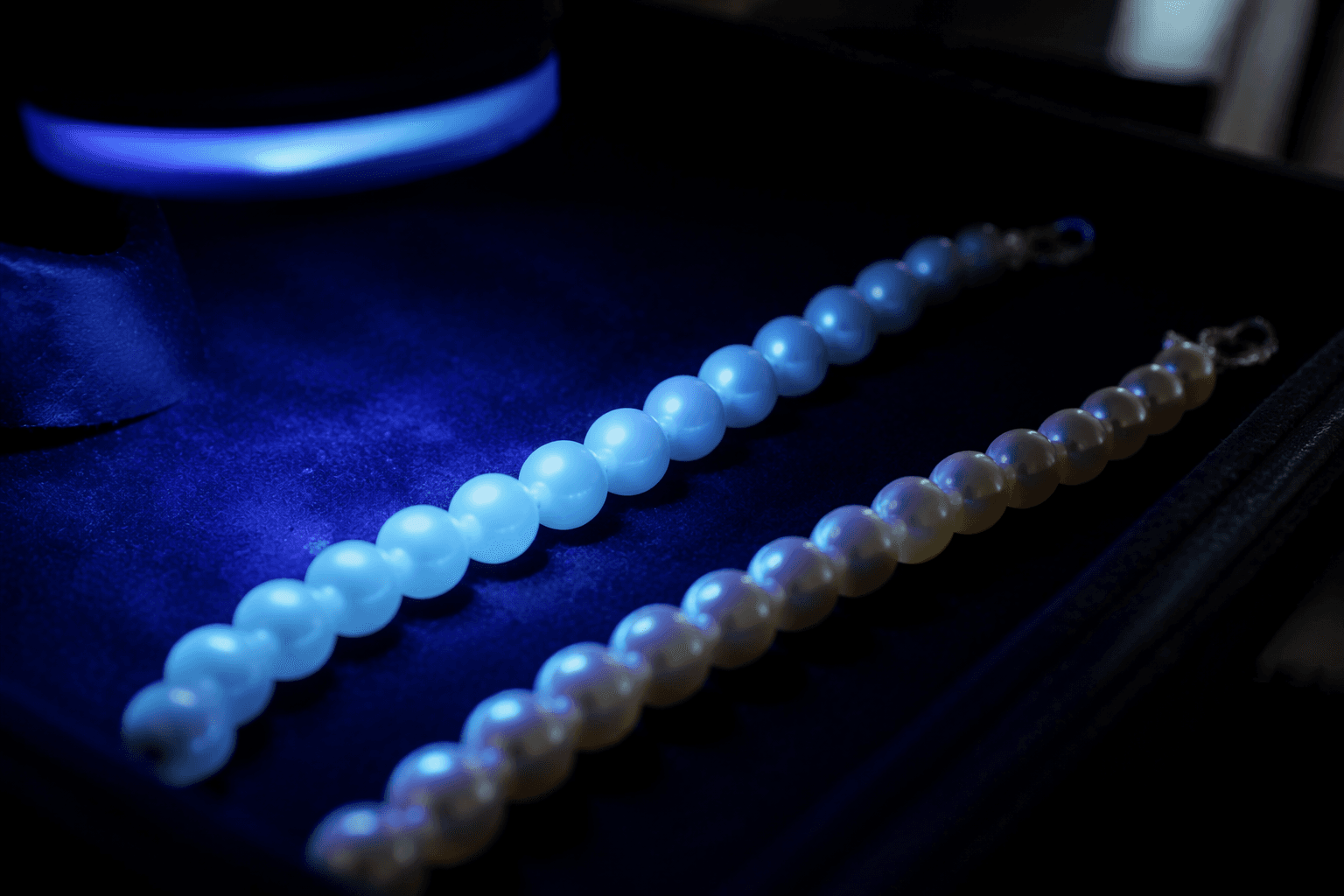
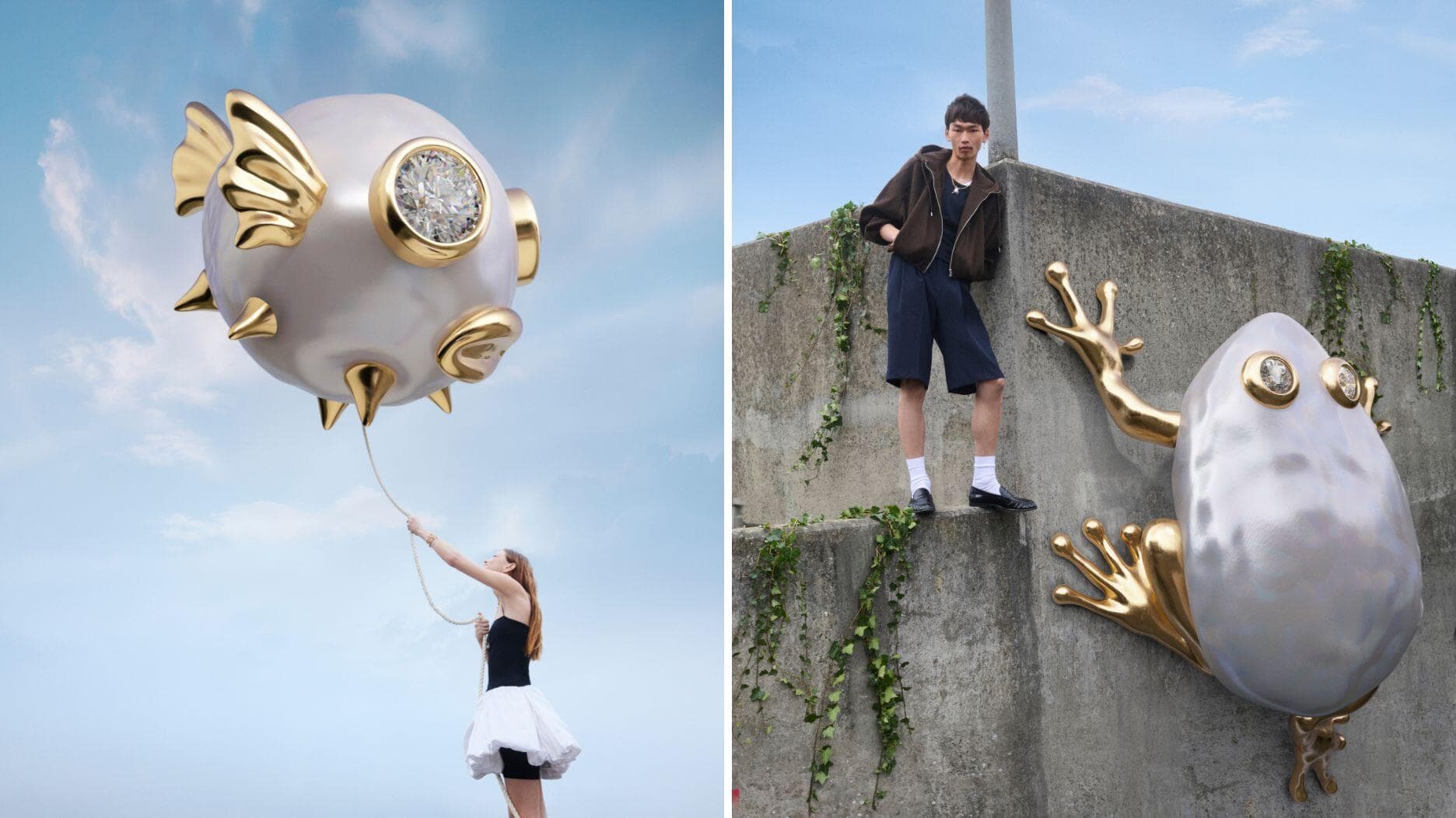
How to choose Akoya, Tahitian, South Sea and freshwater pearls
Pearls are no longer one category: Akoya reads bridal, Tahitian turns dark and dramatic, South Sea signals scale, and freshwater offers the widest entry point.
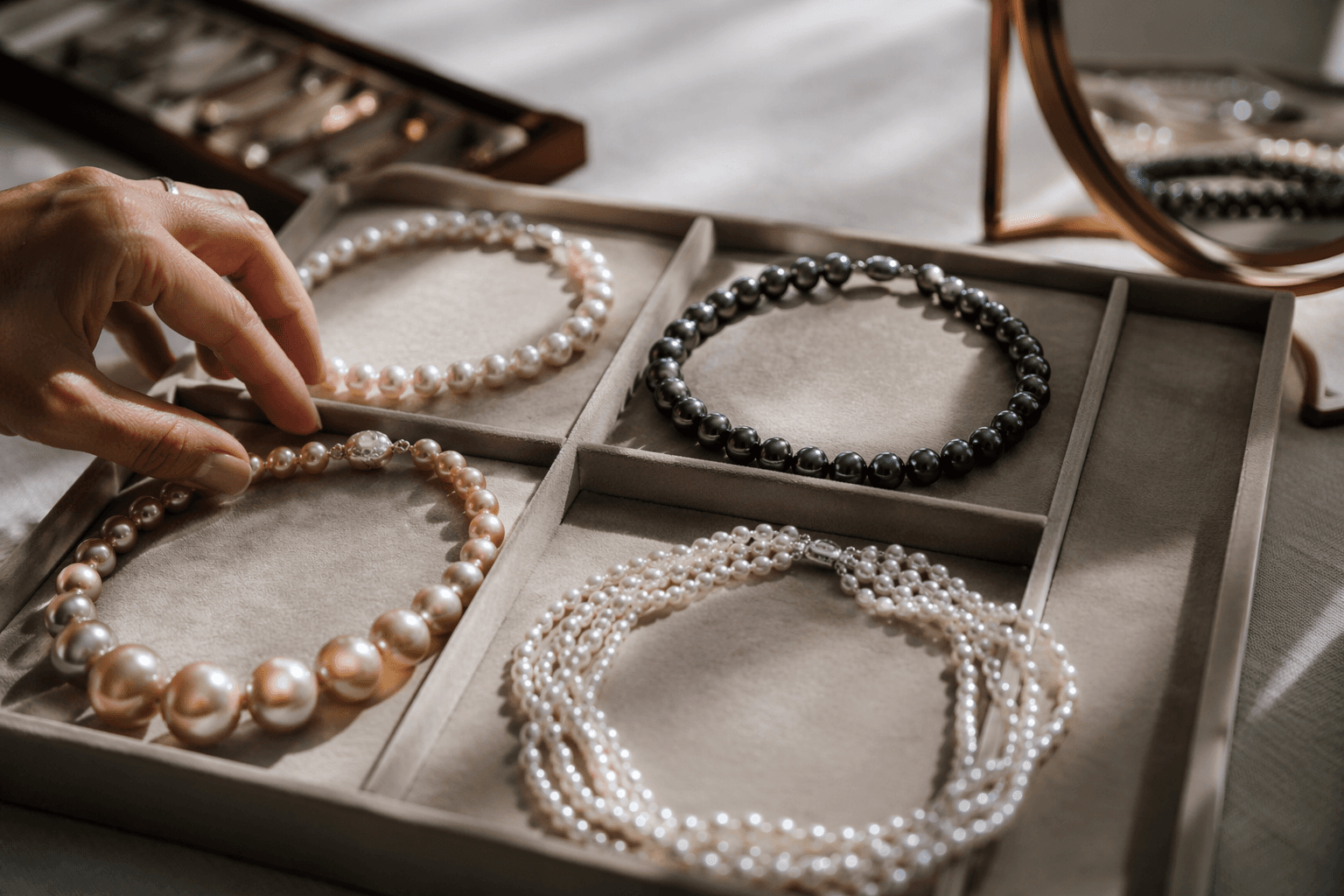
Akoya, Tahitian, South Sea and freshwater pearls each carry a different visual language, from mirror-bright classicism to inky color, oversized presence and easygoing versatility. A pearl necklace can look demure at first glance, but the category is more expressive than many shoppers realize. The smartest way to buy them is not by memorizing pearl facts, but by matching the pearl to the mood, the occasion and the level of rarity you want on the skin.
The four pearl personalities
Akoya pearls are the archetype most people picture when they think of fine pearls: white to cream, often beautifully round, with a high, mirror-like luster and attractive overtones. They come from Pinctada fucata and are usually smaller than the other major cultured types, most often between 2 and 11 mm, with an average around 6 to 8 mm. That compact scale is part of their appeal, because Akoya reads polished and formal rather than showy, the kind of pearl that slips easily into bridal jewelry, a single-strand necklace or a pair of understated studs.
Tahitian pearls move in the opposite direction. They are gray to black cultured pearls from Pinctada margaritifera, and their beauty lies in the color play: green, pink, purple or layered combinations of those tones can appear across the surface. Their common size range of 9 to 14 mm gives them a more visible, contemporary presence, and the majority of commercially produced Tahitian pearls come from French Polynesia, with production also in places such as the Cook Islands and Fiji.
South Sea pearls are the statement-makers. Cultured from Pinctada maxima, they are the largest of the major pearl types and can reach 20 mm or more in diameter. Their bodycolor runs from white to silver or golden, and their nacre is famously thick, which gives them a substantial look and a soft, deep glow rather than a hard shine. Australia, Indonesia, the Philippines and Myanmar are key sources, and South Sea pearls carry both size and a level of scarcity that makes matched pieces especially prized.
Freshwater pearls are the most flexible category, and the one most likely to surprise shoppers. They are the most commonly produced pearls, made from freshwater mussels, and they come in a broad range of sizes, shapes and colors at lower price points than the saltwater categories. Advances in culturing have also brought a surge of small, bead-nucleated freshwater pearls from China, expanding the market far beyond the familiar rice-shaped strands of the past.
How pearl value is actually judged
Pearl buying becomes much clearer once you use GIA’s seven value factors as your lens: size, shape, color, luster, surface quality, nacre quality and matching. Luster is the most important of these, because it creates the bright reflections that give a pearl its life. A pearl with strong luster looks lit from within; one with weak luster can seem flat no matter how large it is.
Size matters too, but not in isolation. Larger pearls are rarer than smaller pearls of the same type when all else is equal, which is why a bigger pearl in any category usually commands more attention and a higher price. Shape also changes the mood of a piece, and the eight basic shapes are round, semi-round, button, drop, pear, oval, baroque and circled.
Surface quality and nacre quality are where the trained eye starts to separate beautiful pearls from merely presentable ones. Clean surfaces and solid nacre usually translate into better durability and a more convincing glow. Matching becomes especially important in strands, earrings and other multi-pearl pieces, where the eye immediately notices any interruption in color, size or sheen.
Why cultured pearls define the market now
The modern pearl market exists because Kokichi Mikimoto changed the story of pearls altogether. He created the world’s first cultured pearl in 1893, later introduced commercial production and obtained a patent for his cultured pearl work in 1896. Natural pearls are exceptionally rare, with less than one in 1,000 oyster shells producing a pearl in the wild.
The result was not just a new product, but a new industry. The Cultured Pearl Association of America estimates that only about 5% of pearls created after a five-to-ten-year farming cycle meet the high quality standards required for fine jewelry.
Choosing by look, not just by name
If you want the classic bridal answer, Akoya is still the cleanest shorthand. Its white-to-cream color, round profile and high luster make it the most traditional choice for a formal strand or a pair of earrings that need to feel elegant rather than loud. The relatively short 10-to-14-month bead-culturing cycle helps explain its precisely made, closely controlled look.
If you want a pearl with edge, Tahitian delivers the most obvious shift in mood. The dark bodycolor and the secondary hues, especially when they flash green or peacock-like combinations, turn the pearl into a design object rather than a polite classic. South Sea and Tahitian pearls can be set in matched multipearl jewelry even when their colors vary, as long as luster, shape, surface quality and size are carefully matched.
If you want scale, presence and a more unmistakable investment in material, South Sea is the category that makes that statement. Its 20 mm potential changes the way a necklace sits on the body and the way a ring or pendant reads from across a room. That larger footprint, combined with thick nacre and the challenge of finding well-matched pearls, is what separates it from the rest of the field.
If you want the most room to explore, freshwater is the most generous entry point. It gives you color, shape and size range without the same price pressure as the saltwater categories, and that makes it ideal for layered looks, playful silhouettes and designs that lean more artistic than traditional.
How to inspect a piece before you commit
- Look first for luster, not just size. A smaller pearl with sharp reflections can outshine a larger one with dull skin.
- In strands, earrings and cluster designs, check matching across all visible pearls. Even slight differences stand out when pearls sit side by side.
- Read shape as a style choice. Round feels formal; baroque and circled feel more directional and current.
- Pay attention to the bodycolor and overtone. White to cream, gray to black, and golden each send a different message before the metal setting even enters the conversation.
This article was produced by Prism’s automated news system from verified source data, official records, and press releases, then run through automated quality and moderation checks before publishing. The system is built and supervised by the people who set the standards it runs under. Read our full AI policy.
Did this article answer your question?