Japan widens pearl sales beyond China as demand shifts worldwide
Japan’s pearl exporters are moving past China as U.S., European and Indian buyers return, with stable prices and shifting demand reshaping what sells.

Japan’s pearl trade is trying to loosen a dependence that has become hard to ignore. Japan Pearl Exporters’ Association president George Kakuda says export value is projected to reach about 41.2 billion yen in 2025, with shipments to Hong Kong at roughly 35.5 billion yen, more than 80% of the total. That concentration has made diversification a business necessity, and buyers from Europe, North America, South America and India are now being targeted more aggressively as weaker demand from China reshapes the flow of pearls out of Japan.
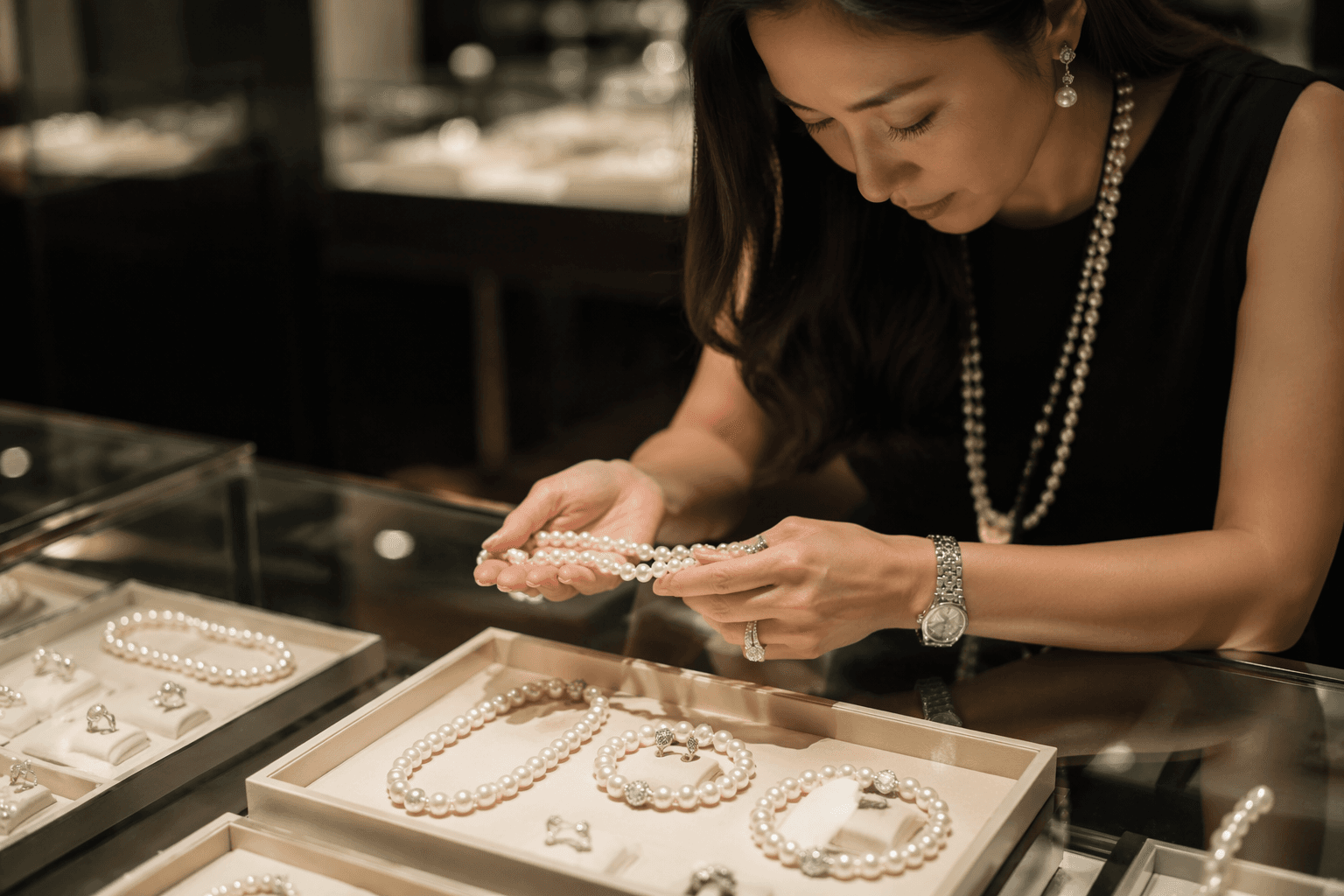
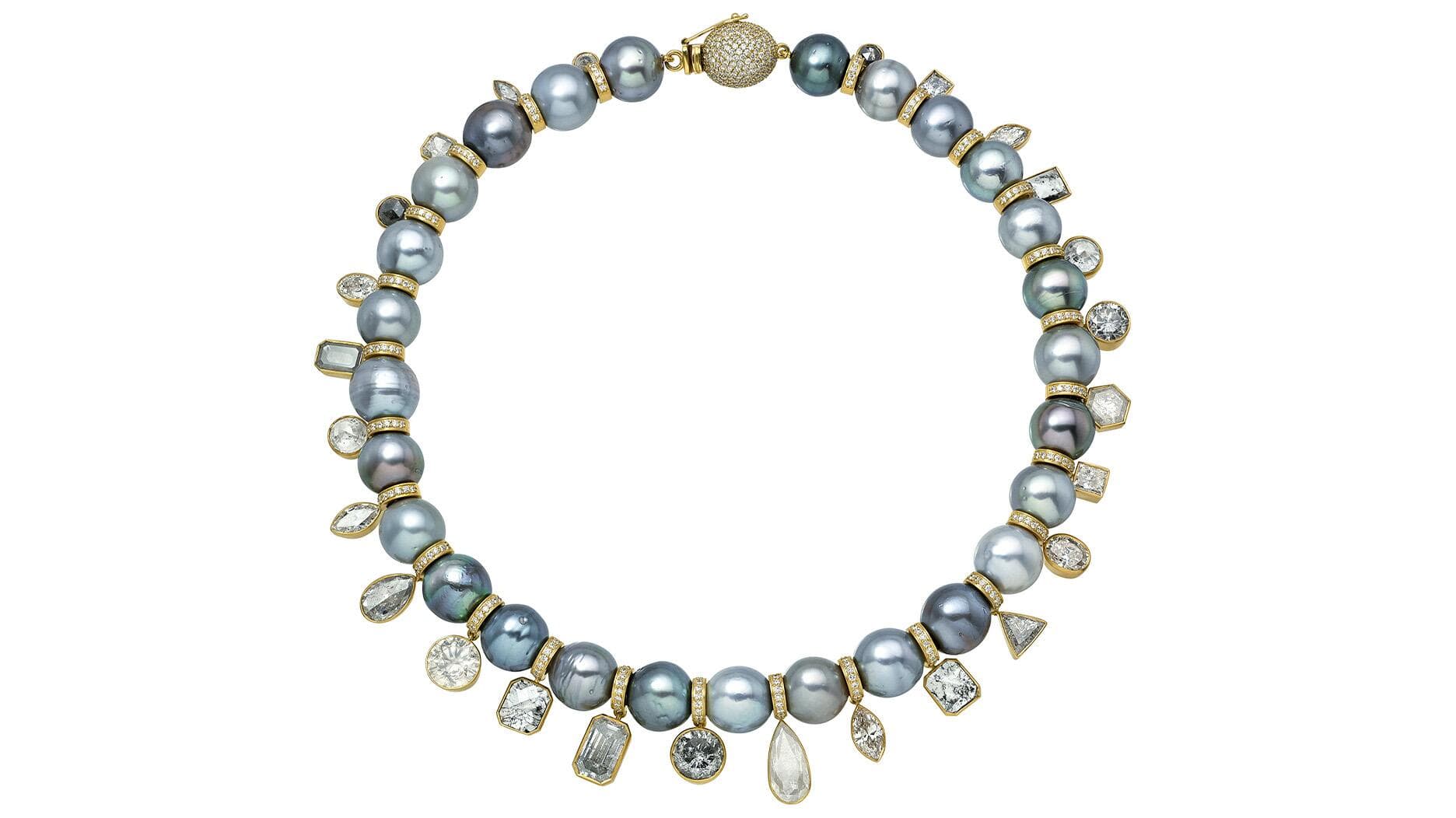
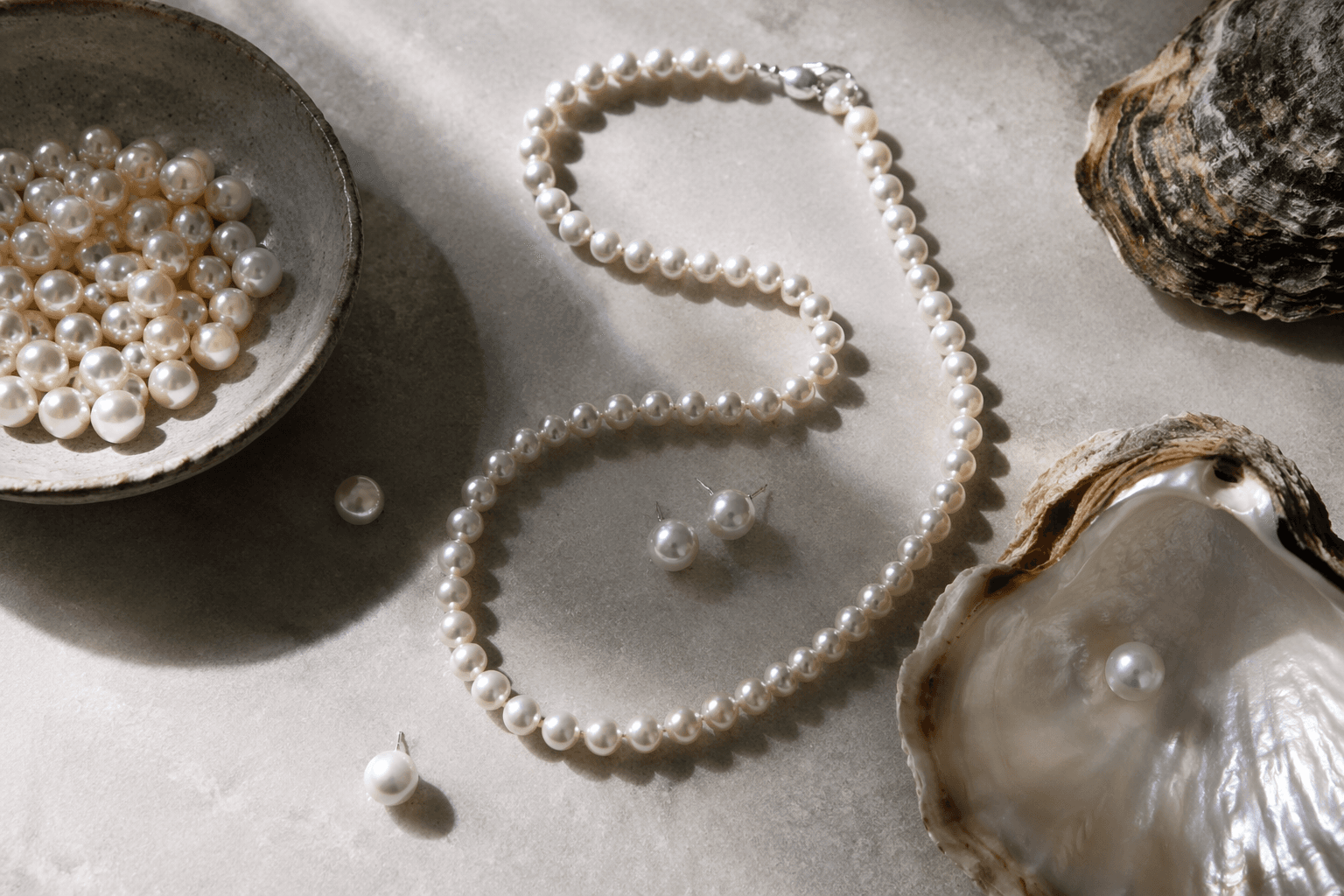
The change is already visible in what buyers want. Japan’s 16-inch akoya chokers remain a staple, and white, round akoya pearls in the 6 to 8 millimetre range, especially 6 to 7 mm, are still the mainstream. But retailers and wholesalers are also asking for baby pearls, larger 8 to 9 mm sizes, and stones that are non-round or non-white. That is a meaningful shift for the category: it suggests international buyers are looking beyond the classic Japanese akoya look and into more design-led inventory that can travel across fashion markets in the U.S. and Europe.
Pricing has helped. Japanese pearl traders have seen renewed interest from U.S. and European buyers as prices stabilised, and that buying activity has supported white Japanese akoya and South Sea pearls in particular. Mid-range pearls and commercial goods are moving too, which matters because it points to a broader recovery than a narrow luxury rebound. When the market buys across price points, not just at the top end, distributors can build a more resilient channel for independent jewellers and larger retail chains alike.
The supply side, though, is still fragile. Japan’s pearl farms were hit by mass mortality in 2019 and 2020 across major growing areas including Mie, Ehime, Nagasaki, Kumamoto and Oita prefectures, with millions of akoya oysters affected and production expected to feel the strain for years. Since 2024, Japan has begun implementing findings from a 10-year genomic research programme on akoya pearl oysters, a sign that the industry is leaning on science as much as on sales strategy to keep the category healthy.
That combination of export outreach and farm modernisation is why Japan’s pearl story now reads less like a simple trade pivot and more like a market reset. A June 2025 overseas key opinion leader tour of Uwajima and Kobe later won a 2026 Cool Japan Platform Award, underscoring how seriously Japan is pushing its pearl identity abroad. For buyers, the result may be greater visibility for Japanese akoya in Europe, the U.S. and India, but also a tighter, more selective supply chain as the industry balances resilience against pressure.
This article was produced by Prism’s automated news system from verified source data, official records, and press releases, then run through automated quality and moderation checks before publishing. The system is built and supervised by the people who set the standards it runs under. Read our full AI policy.
Know something we missed? Have a correction or additional information?
Submit a Tip