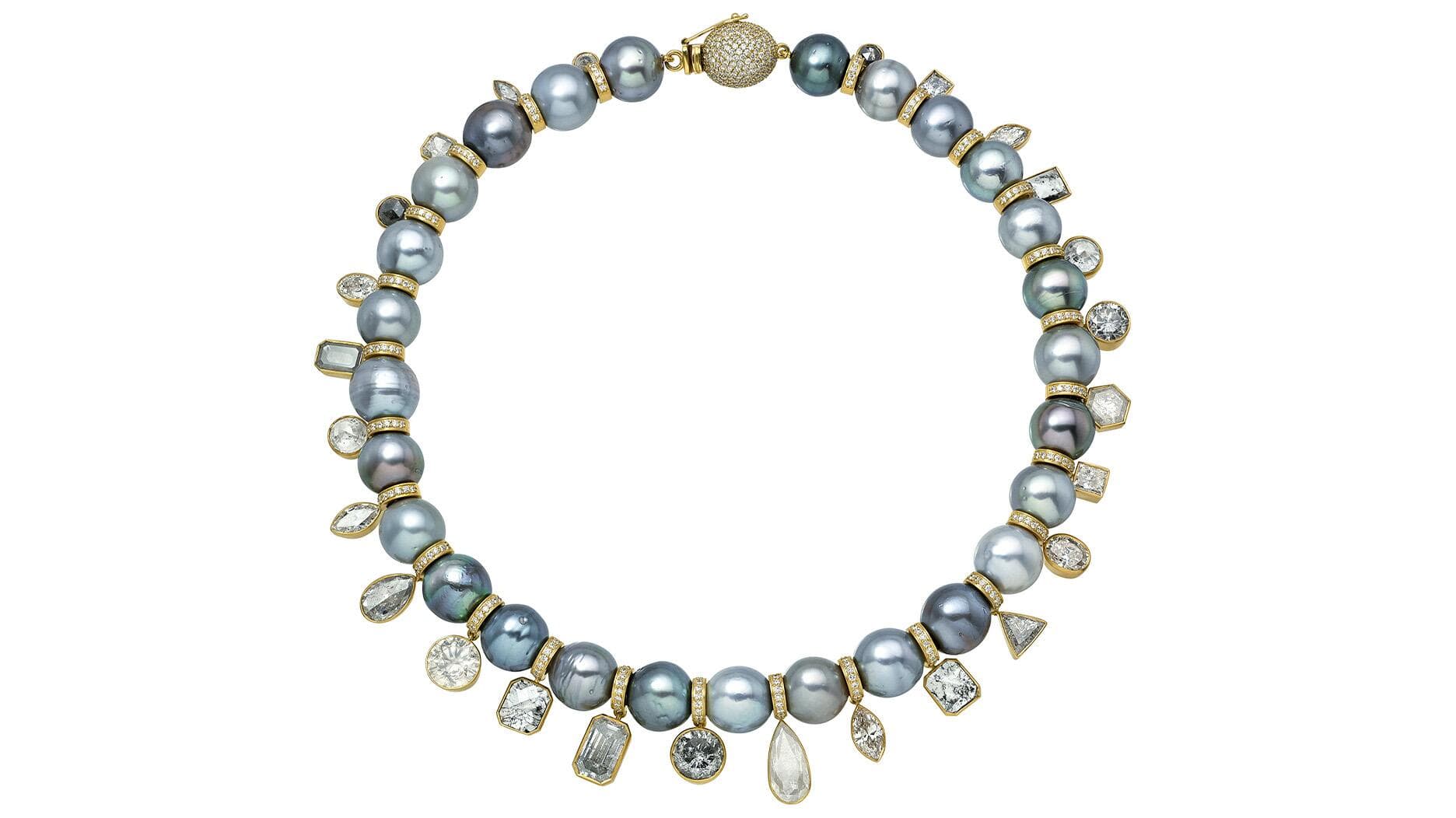
Pearl designs draw buyers at Luxury as prices stay resilient
Pearls are selling as a resilient high-end value story, with buyers still spending through firmer prices. At Luxury, the category split neatly into entry, core, and statement tiers.
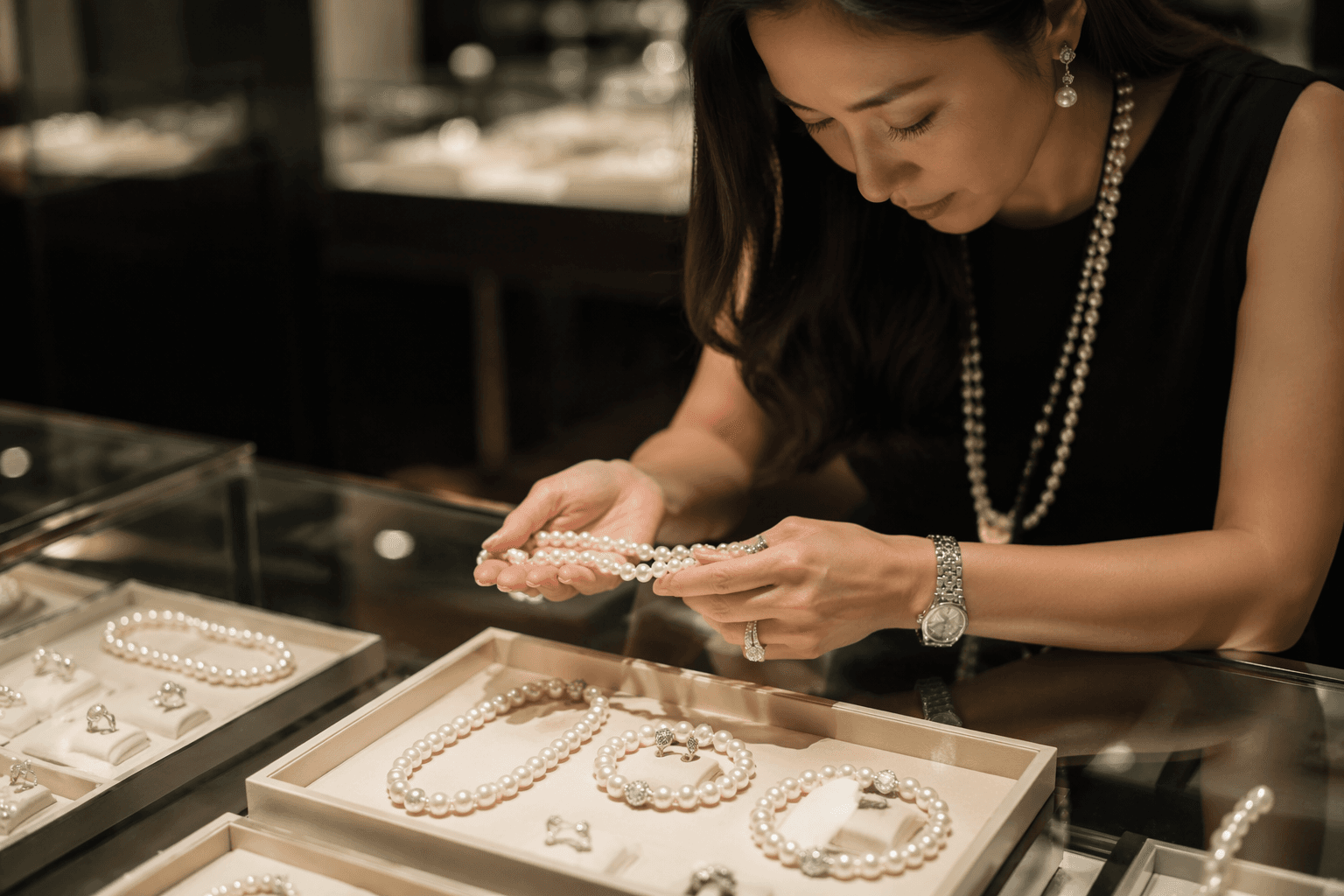
Pearls are becoming a pricing story again
Pearls are no longer the soft-focus side note on the high-jewelry floor. At Luxury in Las Vegas, they looked like one of the clearest proof points that buyers still have appetite for beautiful things with real resale logic and visible craftsmanship. The show at The Venetian Expo ran from May 29 to June 1, 2026, with by-invitation-only days on May 27 and 28, and its intimate format put exhibitors in front of more than 2,000 vetted retail buyers.
That audience matters. When a category shows momentum in a room built for serious buying, pricing stops being a barrier and starts becoming a signal. Pearls are now sitting in that rarer position: still aspirational, but no longer fragile as a business proposition.
The new price architecture of pearl jewelry
The strongest pearl assortments at Luxury were not trying to win on nostalgia. They were organized like a modern price ladder, with clear roles for entry luxury, core fine jewelry, and statement pieces. That structure is what makes pearls unusually compelling right now: the category can reach different customers without losing its identity.
At the accessible end, Maura Green’s carved mother-of-pearl and abalone charms hit a $500 to $1,000 retail band that keeps the category fresh and giftable. The materials do the talking here. Mother-of-pearl gives a clean, luminous surface, while abalone brings color play and a more tactile, almost coastal energy that feels collectible rather than precious in the conventional sense.
Move up the ladder and the language changes. Lisa Vinicur of Diane Glynn Jewelry described the market bluntly, saying, “$4,000 is the new $2,000,” while also pointing to a $2,500 sweet spot that is difficult to hit. That is the commercial center of gravity for pearl jewelry right now: a customer who is willing to spend, but wants the piece to feel edited, modern, and worth the leap.
At the top end, pearls are being positioned less as ornament and more as investment-minded design. Yoko London’s return to Luxury after a multiyear hiatus underscored that point. Its Zyyp collection combines pearls with diamonds and gold, including a diamond zipper motif, Akoya pearls, South Sea pearls, and in one design 18K white gold, brilliant-cut diamonds, Japanese Akoya pearls, and a White South Sea pearl. The effect is graphic and contemporary, but the materials keep it anchored in high jewelry value.
Why buyers are still spending
Michael Hakimian, Yoko London’s chief executive, put the mood on the floor in plain terms: “People are not resistant to prices at all.” He also said the market is not one where a $500 change makes much difference, which tells you a great deal about the luxury customer walking the aisles in Las Vegas. When the ticket is already elevated, buyers are weighing beauty, rarity, and design coherence more than small price shifts.
That is especially relevant for pearls, because the category is benefiting from both emotional and financial logic. They read as wearable, familiar, and flattering, but they also carry a market narrative that supports higher pricing. Rapaport reported in 2025 that pearl prices had increased significantly in some categories, in some cases by as much as 100% over three years, while pearl sales still held steady despite the increases. That combination of rising input costs and stable demand makes the category feel less fragile than a passing style trend.
For retailers, that is a useful equation. It suggests room for margin, room for storytelling, and room to trade customers up from smaller charms or single-pearl designs into more ambitious pieces with diamonds and better pearls. The business case is not only that pearls are beautiful, but that they can absorb pricing pressure without losing commercial traction.
Why the floor felt broader than a single trend
Pearl momentum did not appear in isolation. Luxury and NouvelleBox announced a strategic collaboration on March 31, 2026 to launch the NouvelleBox Ballroom at the show, a dedicated showcase for independent designers. NouvelleBox said its participation at JCK Luxury included seven companies, which signals how seriously the fair is leaning into design-led retail discovery.
That broader mix helps explain why materials beyond pearls also had traction. Fern Freeman and Tacit leaned into black-coated stainless steel, white ceramic, wood, and ceramic-coated silver, all of which speak to the same buyer instinct: a desire for objects that feel considered, contemporary, and distinctive enough to justify the ticket. In that environment, pearls no longer look conservative. They look adaptable.
The smartest pearl designs on the floor understood that shift. Instead of treating pearls as a standalone classic, they folded them into sharper forms, stronger contrasts, and more varied price points. The result was a category that could satisfy a first-time buyer at $500 and still make sense for a collector spending thousands, which is exactly why pearl jewelry is regaining its authority at the top of the market.
The takeaway for the high end
Pearls are gaining momentum at Luxury because they now serve three jobs at once. They are visually current, commercially resilient, and flexible enough to move from entry luxury to statement jewelry without breaking their emotional appeal. In a market where buyers are still spending and retailers are looking for dependable margin, that is not a soft trend at all. It is one of the clearest value stories on the floor.
This article was produced by Prism’s automated news system from verified source data, official records, and press releases, then run through automated quality and moderation checks before publishing. The system is built and supervised by the people who set the standards it runs under. Read our full AI policy.
Know something we missed? Have a correction or additional information?
Submit a Tip