Marine Nacre Yields Sulfated Polysaccharide with Neuroprotective Effects in Neuron Cultures
A December 2025 peer-reviewed neurochemical paper isolates a sulfated polysaccharide from marine nacre that demonstrated neuroprotective activity in neuron cultures.

A peer-reviewed neurochemical article published in December 2025 reports that researchers isolated a sulfated polysaccharide fraction from marine nacre, the biomineral matrix related to pearls, and observed neuroprotective effects in cultured neurons. The finding is specific and reproducible in vitro: the compound was extracted from nacre and tested in neuron cultures where it reduced markers of cellular stress and death.
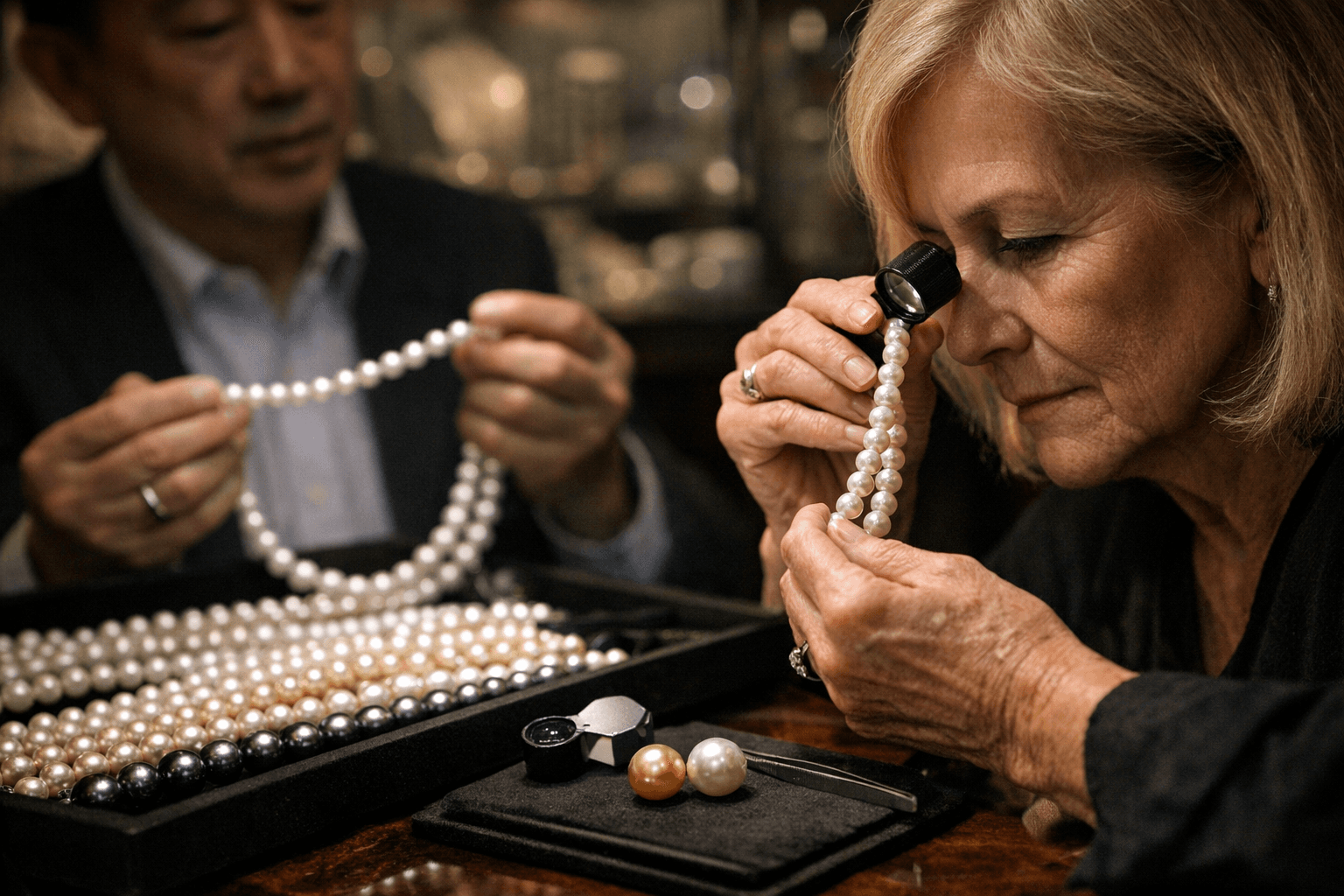
Nacre, familiar to jewelers as the iridescent layer that forms around irritants in mollusk shells and gives pearls their luster, supplied the biological material for the study. The research isolates a definable fraction, a sulfated polysaccharide, rather than attributing activity to whole-shell powder or generic extracts. That chemical specificity matters: sulfation patterns on polysaccharides influence interactions with proteins and cell membranes, and the paper documents a purified fraction rather than a crude slurry.
The experiments took place in neuron cultures, not in animal models or human trials, so the protective signal is an early-stage biomedical result. In those neuron cultures, the nacre-derived sulfated polysaccharide produced measurable reductions in neurotoxicity markers, a laboratory outcome that suggests cellular pathways were affected. Because the work is peer reviewed, methods and data were subjected to external scrutiny, but translation from cultured neurons to clinical therapy requires additional steps: dose-ranging in animals, pharmacokinetics, and safety profiling.

For the pearl and shell trade, the paper raises practical provenance questions. If nacre becomes a source of bioactive molecules, pearl farmers and shell collectors will face new demand pressures; the study’s reliance on marine nacre means supply chains and cultivation practices could determine both ethical outcomes and chemical consistency. Traceability would need to account for species, location, and husbandry methods, since nacre composition varies by mollusk species and environment, and the study’s isolation of a specific sulfated polysaccharide implies that source variation could alter bioactivity.
The discovery expands the narrative around pearls beyond aesthetics to potential biomedical value, but it also demands cautious stewardship. The December 2025 report opens a research pathway: confirmatory studies, standardized extraction and characterization of the sulfated polysaccharide, and independent replication in animal models. For jewelers and collectors who prize provenance and sustainability, the practical takeaway is clear: any future commercial interest in nacre-derived compounds should be matched with documented sourcing, species-level identification, and environmental safeguards before supply chains are repurposed from ornament to medicine.
Know something we missed? Have a correction or additional information?
Submit a Tip