Pearl shapes that define value, style and modern design
Pearl shape changes everything, from price to presence. Round and symmetrical forms signal classic luxury, while baroque and drop shapes turn pearls into modern sculpture.
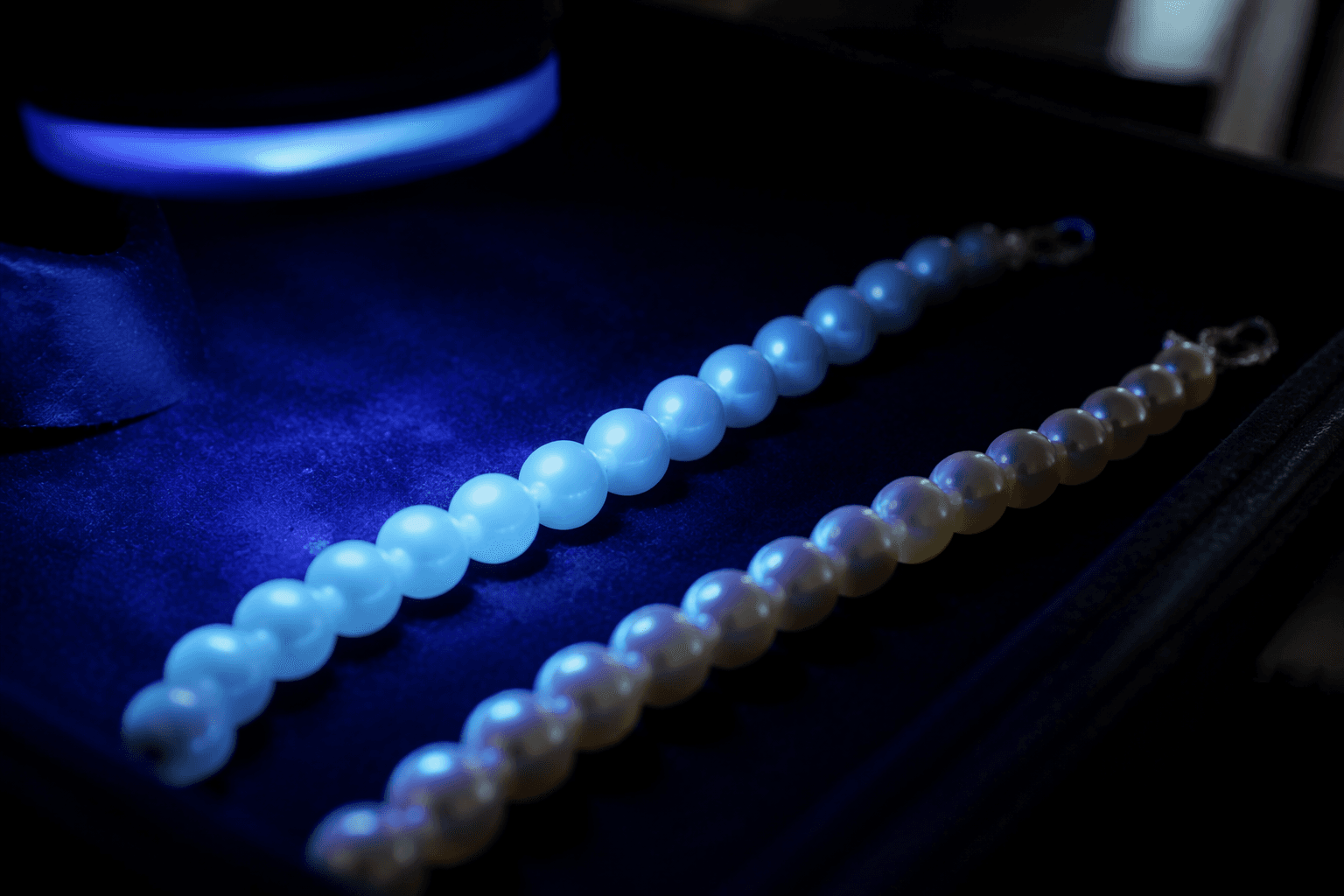
A strand of round pearls feels formal and exacting; a baroque necklace feels artistic, looser, and far more contemporary. Once you understand shape, you can choose pearls not just for beauty, but for the kind of presence you want them to have on the body.
Why shape is the first value signal
Shape is one of GIA's seven pearl value factors, alongside size, color, luster, surface, nacre, and matching. Round pearls are the hardest cultured shape to produce, which makes them the rarest cultured pearl form and, when the other factors are equal, generally the most valuable.
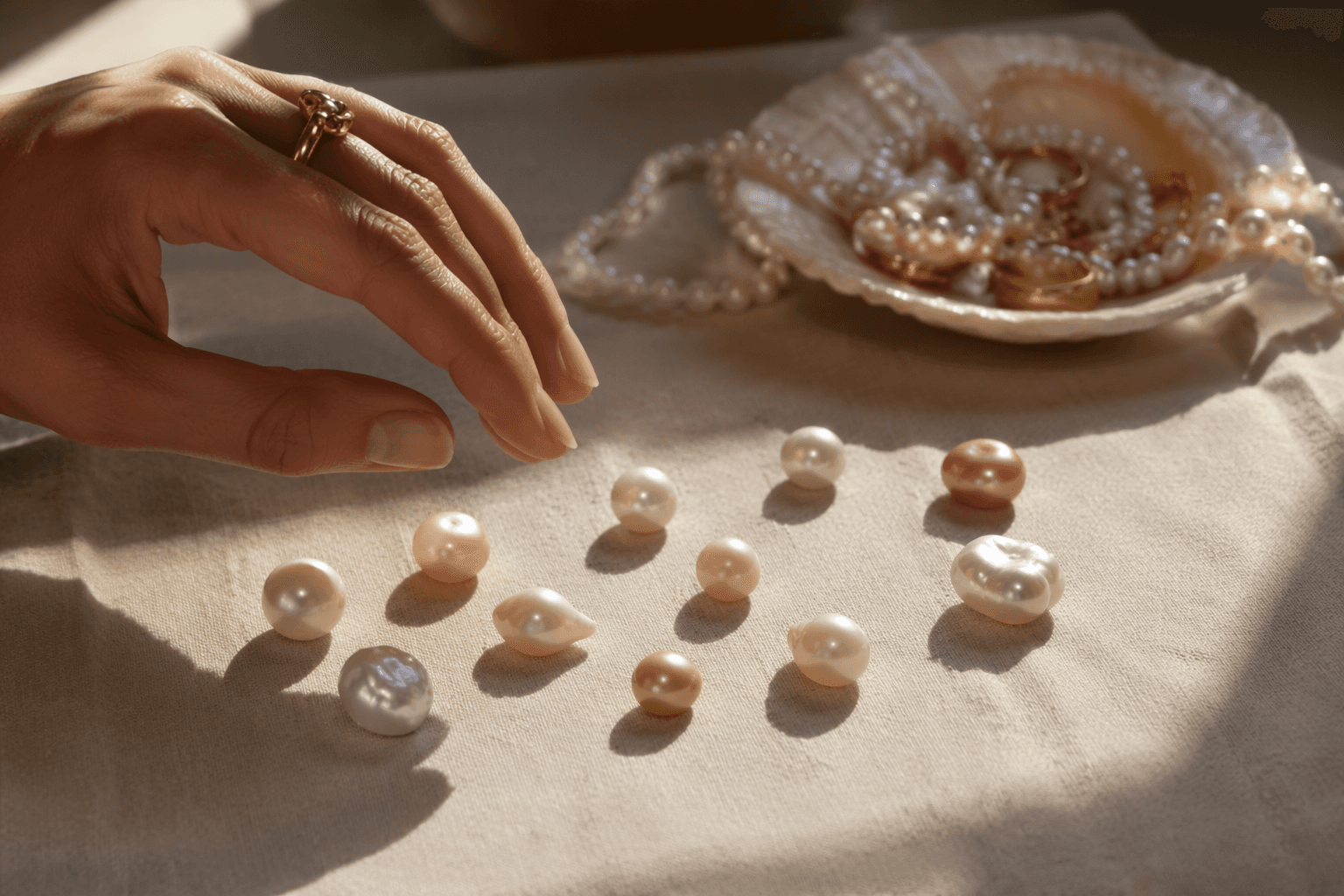
GIA’s buyer’s guide lists eight basic shapes: round, semi-round, button, drop, pear, oval, baroque, and circled. Within that group, perfectly spherical pearls and symmetrical drops carry the strongest value premium.
Round and near-round pearls: the language of formality
If you want the cleanest, most traditional look, round and near-round pearls are the safest and most authoritative choice. They are the natural fit for classic strands, where uniformity creates a polished line across the neck, and for button-style earrings that need balance more than drama.
Near-round pearls sit just a step away from perfection, and that slight softness can make them more approachable without losing the visual discipline of round pearls. They are often a smart compromise if you want the classic look but do not need the premium that comes with fully spherical pearls. In practical terms, round pearls are the shape most closely associated with investment-minded buying, while near-round pearls can offer much of the same elegance with a little more accessibility.
Button pearls: close to the ear, close to the skin
Button pearls are flatter than round pearls, and that single change affects both comfort and silhouette. Because they sit close to the ear, they are especially well suited to studs and earrings designed to hug the lobe. The result is neat and controlled rather than buoyant or dangling, which makes button pearls useful when you want pearl presence without visible height.
Their value is shaped by that flattened profile. Button pearls rarely carry the same prestige as perfectly spherical ones, but they solve a real design problem: they let pearl jewelry sit cleanly against the body.
Drop and pear shapes: movement, grace, and the earring advantage
Drop pearls are among the most naturally elegant shapes because the silhouette already suggests motion. That is why they work so well in pendants and dangles, where the point of suspension enhances the shape rather than fighting it. A symmetrical drop has a formal poise that can look luxurious without feeling stiff.
Pear shapes sit close to the same visual family, though GIA separates them from drops in its shape categories. In jewelry, both shapes can lengthen the line of the neck or face and give earrings a gentle sense of movement. They are especially effective when you want pearl jewelry to feel tailored but not static.
Oval, semi-baroque, and baroque pearls: where style becomes more sculptural
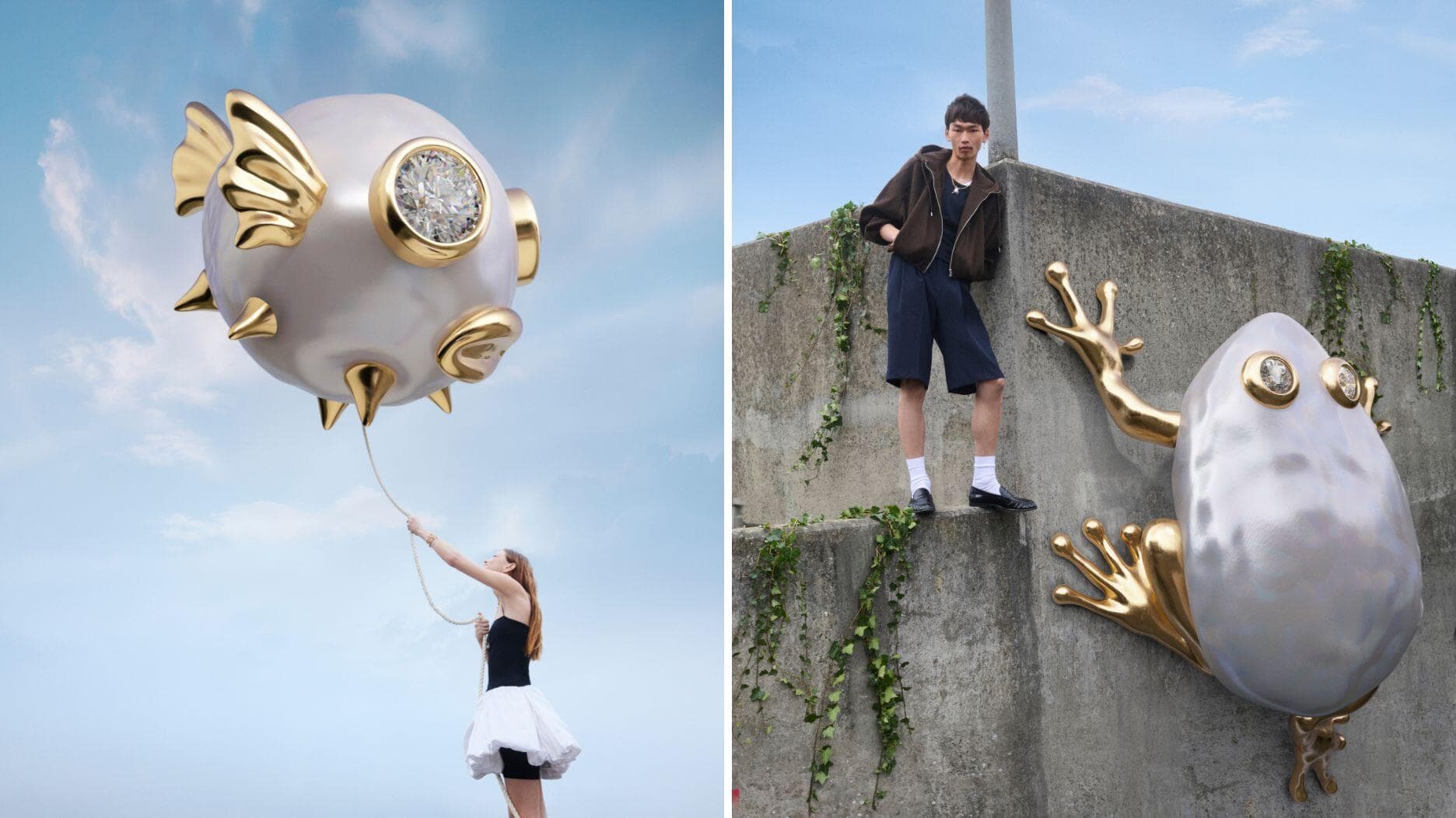
Oval, semi-baroque, and baroque pearls move pearl jewelry toward individuality. These shapes read as deliberate rather than uniform, which is exactly why they feel so current in modern design. When a designer wants a piece to look hand-shaped, textural, or slightly unexpected, these forms deliver that effect immediately.
Well-formed oval or baroque cultured pearls can be especially appealing to pearl lovers because they preserve the romance of the pearl while loosening the rules. Baroque pearls, in particular, let the designer emphasize character over symmetry. They are ideal for statement necklaces, asymmetrical earrings, and pieces that need visual tension rather than classical order.
Circled and mixed-shape designs: the modern eye wants contrast
Circled pearls are marked by visible rings, and that surface detail gives them a more graphic look than smoother pearls. They fit naturally into contemporary jewelry because they embrace irregularity instead of disguising it. When paired with mixed colors or mixed sizes, they create a fresh, less predictable composition.
Designers sometimes mix colors, shapes, and sizes for unique effects.
What to choose for everyday wear, formal dressing, or statement pieces
For everyday wear, round, near-round, and button pearls are the easiest shapes to live with. They sit neatly, read cleanly, and pair well with the kind of clothing that needs jewelry to support rather than dominate it. Button pearls, in particular, are useful when you want pearls close to the ear and minimal fuss.
For formal styling, round pearls still set the standard, especially in strands and balanced earrings. Symmetrical drops also belong here because they give you elegance with a little more movement.
For statement pieces, baroque, semi-baroque, circled, and bold oval pearls are the most compelling. Their irregularity makes them feel architectural.
How size changes the reading of shape
Shape never acts alone. A South Sea cultured pearl averages about 13 mm in diameter, which gives you a practical benchmark when you compare pearl sizes across different types. On a larger pearl, even a slight irregularity in shape becomes more visible, and the piece can feel more sculptural. On a smaller pearl, shape can disappear into a general impression of delicacy.
Shape affects wearability as much as value. A larger round pearl can look formal and substantial; a larger baroque pearl can look avant-garde and richly textural. The same category can read very differently once size enters the picture.
A longer history of irregular beauty
Pearl shape has never been a strictly modern concern. Renaissance jewelers highly prized baroque pearls and used them creatively, even figuratively, in jewelry. The largest naturally occurring pearls are baroque as well.
The modern obsession with roundness grew with cultured pearls. Mikimoto Kōkichi succeeded in inducing pearls in oysters in 1892, and he successfully cultured a pearl in 1893. The Japanese perfected the production of whole cultured pearls, with Toba in Mie Prefecture becoming central to the industry.
This article was produced by Prism’s automated news system from verified source data, official records, and press releases, then run through automated quality and moderation checks before publishing. The system is built and supervised by the people who set the standards it runs under. Read our full AI policy.
Did this article answer your question?