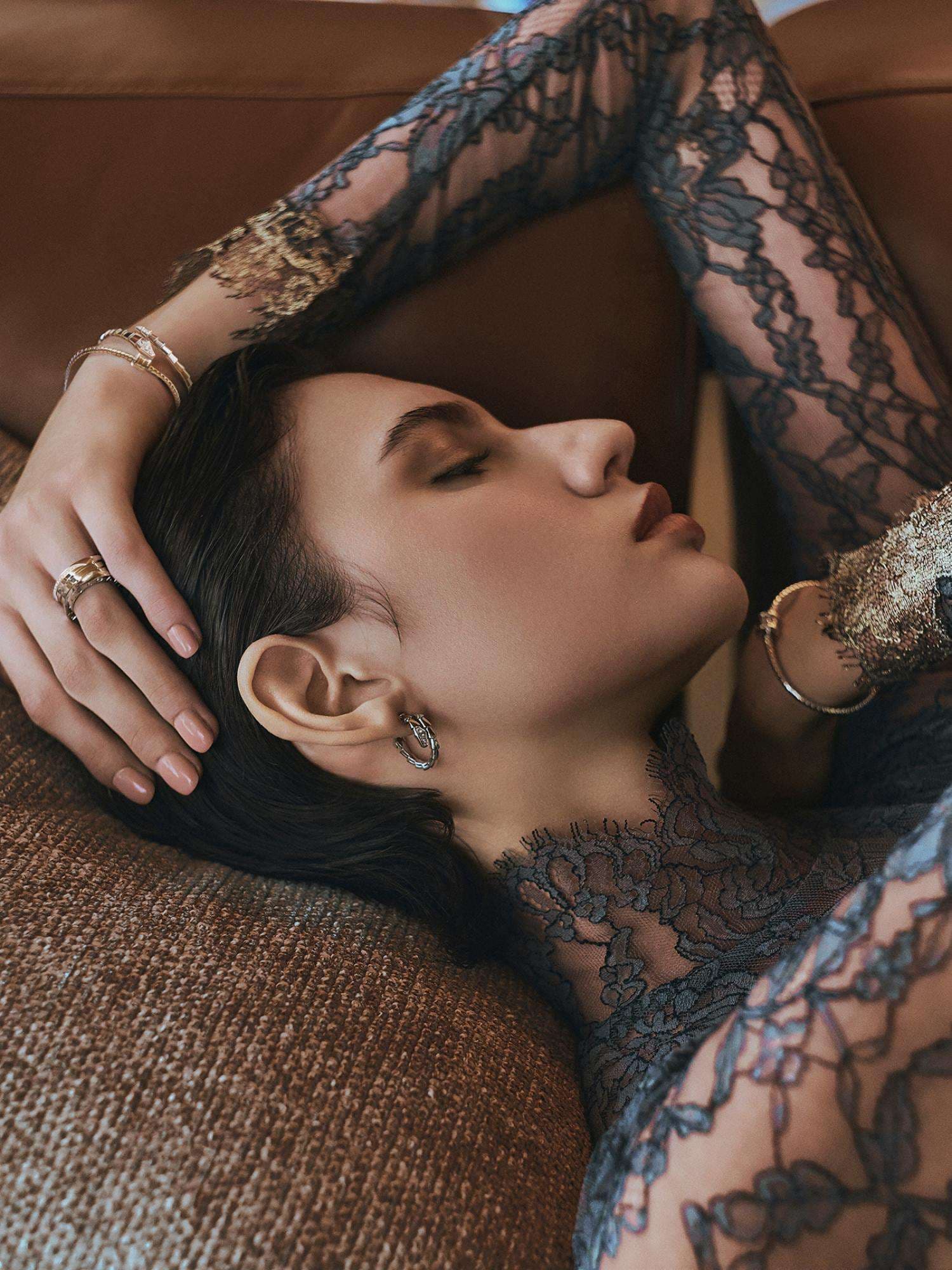
Pearls and Beaded Strands Elevate Button-Down Layering for Spring
Pearls make a spring button-down look finished fast, but the difference between chic and fussy comes down to collar shape, strand length, and layering order.
Why pearls work with a shirt now
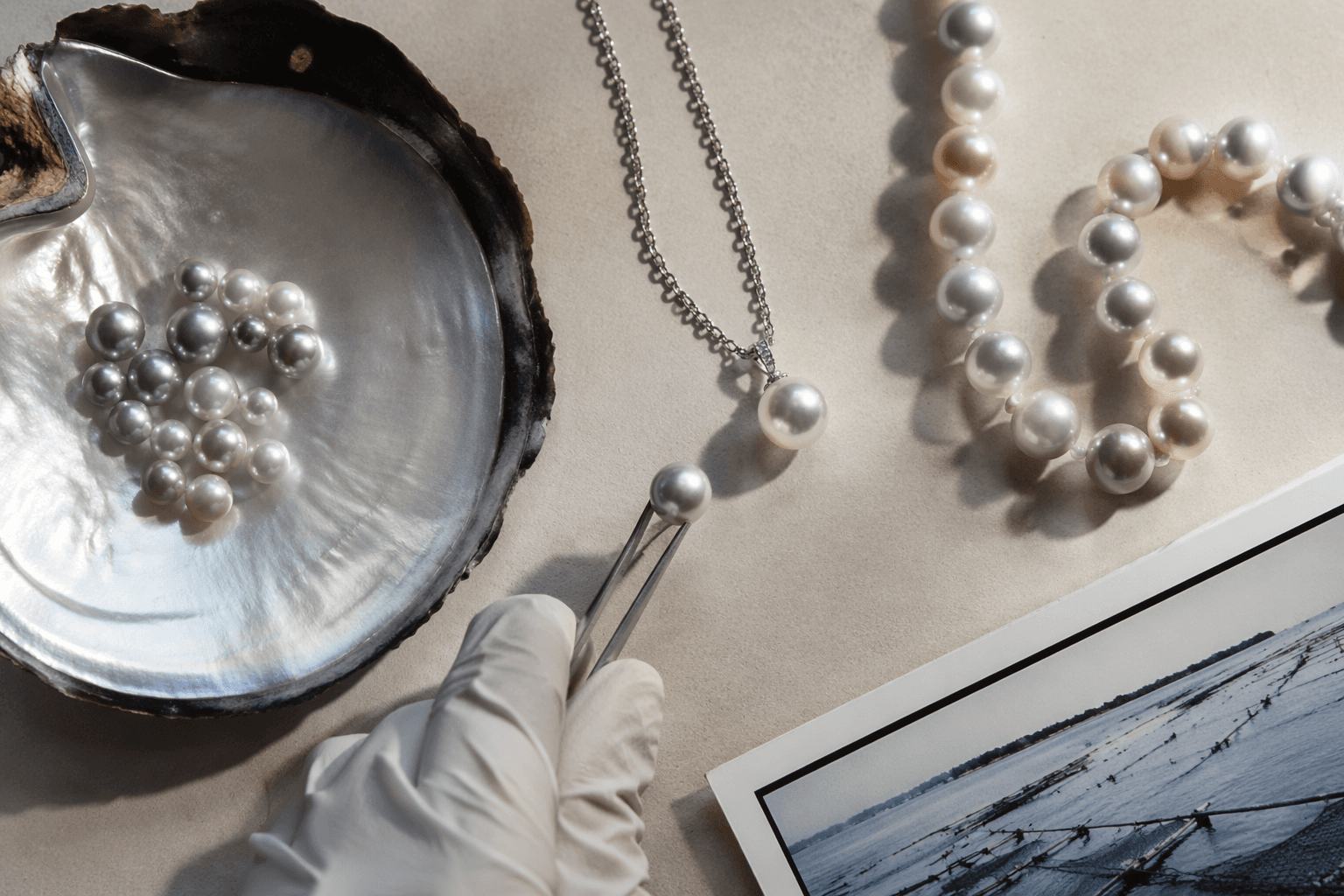
Pearls are the fastest way to turn a basic spring button-down into something that looks considered. The reason is simple: they bring shine, structure, and softness at once, and GIA’s range of pearl forms makes that possible, from classic rounds to lustrous baroque shapes in colors that run far beyond white and cream. That flexibility is why pearls no longer read as formal-only jewelry.
Their modern appeal also has a real origin story. Kokichi Mikimoto succeeded in creating the first cultured pearl in 1893, which helped open the category beyond the tiny pool of natural pearls, a material so rare that fewer than one in a thousand oyster shells produces one during its lifetime. That history matters when you are shopping now, because it helps separate a meaningful pearl from a vague, decorative bead.
Spring 2026 jewelry coverage has reinforced the point. Editors and jewelers have been treating pearls as part of a broader move toward self-expression, layering, and mixed materials, not perfectly matched sets. At Paris Fashion Week, that mood showed up in pieces described as “not-your-grandma’s pearls,” which is exactly the right lens for wearing them over a shirt today.
Start with the collar, then decide the length
The collar shape tells you where the necklace should live. A crisp point collar gives you room to frame the neck with a shorter strand, while a spread collar can handle a more dramatic drop because the points create a wider opening. Band collars are trickier: they look best with one longer strand or a single pendant-style pearl necklace, because too short a piece can crowd the neckline.
The easiest rule is to keep the necklace order clean. Put the shortest strand closest to the neck, then let the longer strand fall over the shirt placket. Gabriel & Co. has pointed out that a longer drop or a layered mix of metals changes how a piece reads, and that is exactly what makes pearl layering work over cotton. If the shirt is doing one thing, the jewelry should do another: soft against sharp, luminous against flat, deliberate against casual.
A few practical pairings make the math easy:
- Point collar, 16 to 18 inches: leave the top one or two buttons open, then wear a single pearl strand that sits just below the collarbone. This keeps the line neat and polished.
- Spread collar, mixed lengths: pair a shorter pearl strand with a longer beaded necklace that includes gold accents. The wider collar opening gives the layers room to breathe.
- Band collar, longer drop: choose one strand that falls below the collar edge, especially if the pearls are baroque or irregular. The shape adds texture without fighting the neckline.
Three formulas you can copy from your own closet
The simplest look starts with a white or pale-blue button-down, a single pearl strand, and nothing else competing for attention. Leave the collar open, tuck the necklace just outside the shirt line, and stop there. It is the kind of outfit that makes a plain shirt look intentional without appearing styled within an inch of its life.
A second formula works when you want a little more personality: a button-down, a beaded strand threaded with golds and pearls set throughout, and a shorter necklace beneath it to anchor the look. That combination feels current because it leans into mixed materials, one of the defining ideas in spring 2026 jewelry. The gold keeps the pearls from reading overly sweet, while the beads break up the shine so the necklace feels collected rather than costume-like.
The third formula is best for shirts that are slightly oversized or more relaxed in shape. Wear a longer pearl necklace with baroque stones over the shirt, then roll the sleeves and leave the top buttons open. Baroque pearls are especially useful here because their irregular shape plays beautifully against the straight seams and crisp placket of a shirt, which is exactly the kind of contrast that makes the look feel fresh.
What to look for when you buy
If you are buying pearls for this kind of styling, the first question is not “Are they fancy?” It is “What kind are they?” Natural pearls are extraordinarily rare, while cultured pearls exist because of Mikimoto’s breakthrough, and that difference matters when a seller is describing value. A strand that simply says “pearl” without clarifying whether the stones are cultured, natural, round, or baroque is telling you less than it should.
Shape matters as much as shine. GIA’s range, from classic rounds to baroque forms, gives you a useful styling shortcut: round pearls read more traditional and polished, while baroque pearls feel more textural and modern. If your shirt is sharply tailored, a baroque strand softens it; if your shirt is loose, round pearls can bring enough order to keep the outfit from drifting too casual.
That is also why the current pearl mood feels so wearable. PORTER’s March 2026 jewelry coverage placed pearls inside a larger fine-jewelry shift that favors contrast, while WWD’s spring 2026 jewelry roundup in Paris captured the broader move toward self-expression, color, and minimal but statement-making lines. Together, those signals point to the same practical conclusion: pearls are strongest now when they are styled with intention, not formality.
The finish
The best pearl-and-button-down looks do not chase preciousness. They use a familiar shirt, a clear neckline, and one or two strands with enough character to change the whole read of the outfit. That is the modern pearl lesson: choose a shape, choose a length, and let the contrast do the work.
This article was produced by Prism’s automated news system from verified source data, official records, and press releases, then run through automated quality and moderation checks before publishing. The system is built and supervised by the people who set the standards it runs under. Read our full AI policy.
Did this article answer your question?