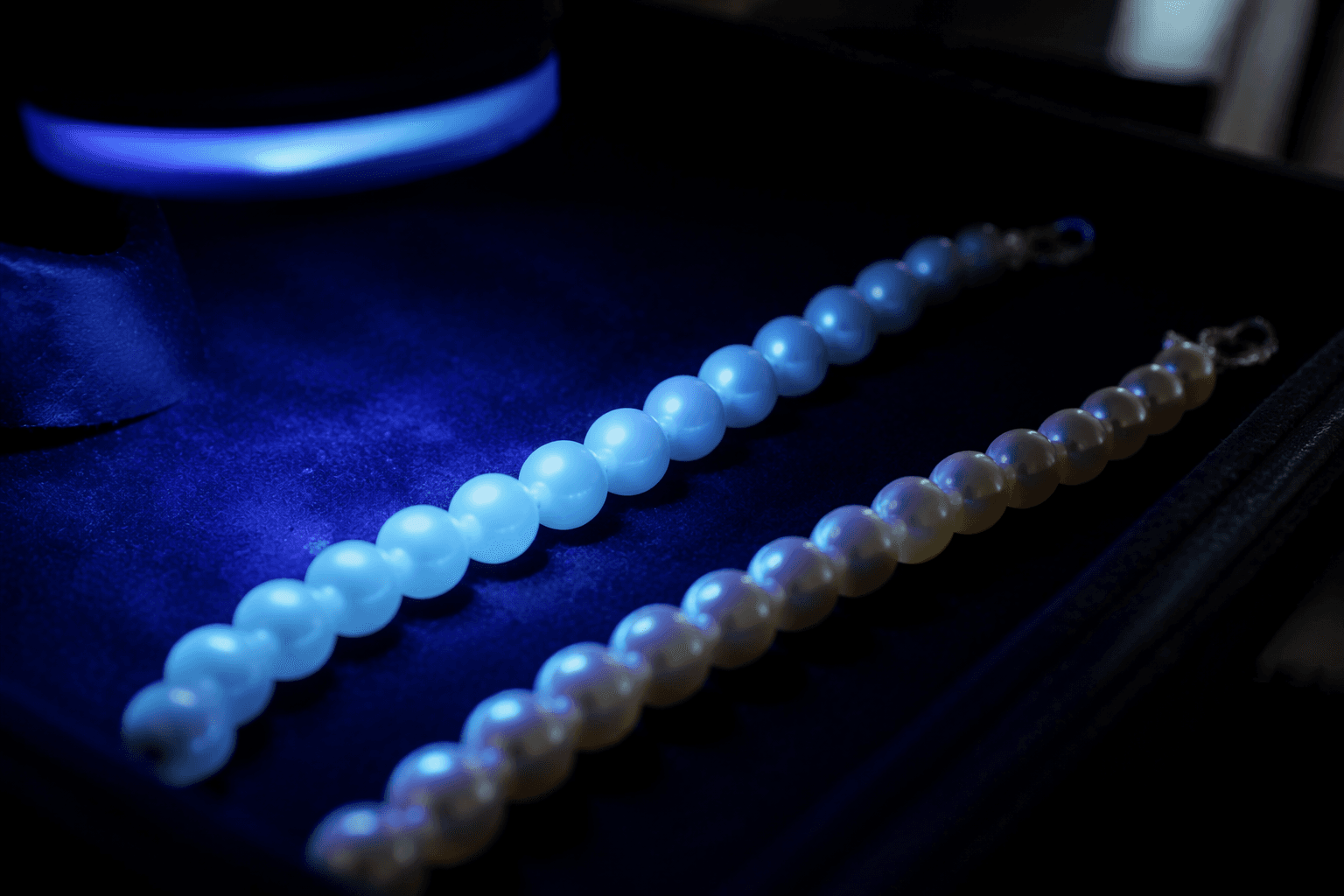
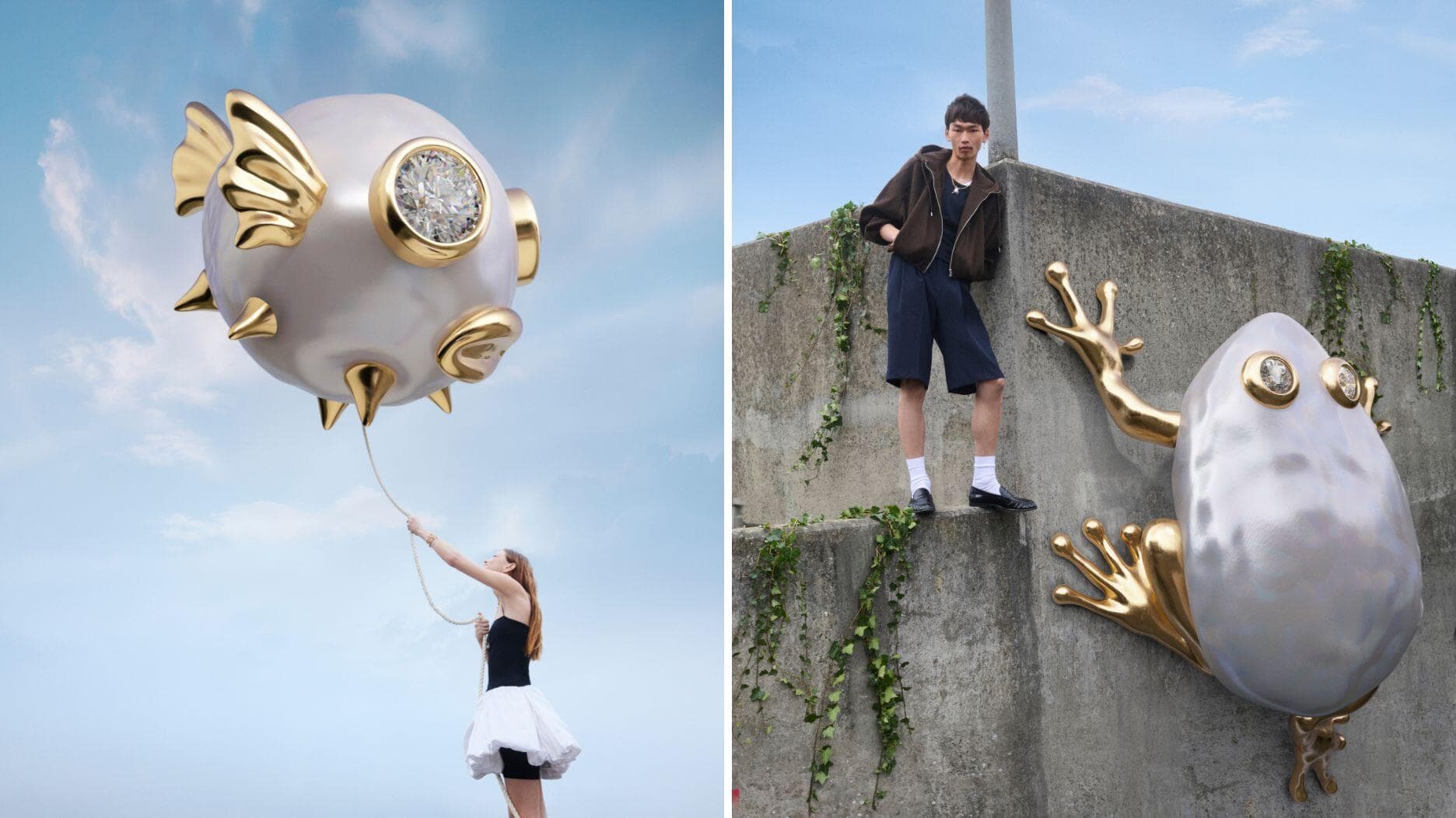
Pearls get a modern edge with sculptural, diamond-studded designs
Pearls are shedding their primness, with talismans, pink gold, and diamond accents recasting the gem for buyers who want heritage with edge.
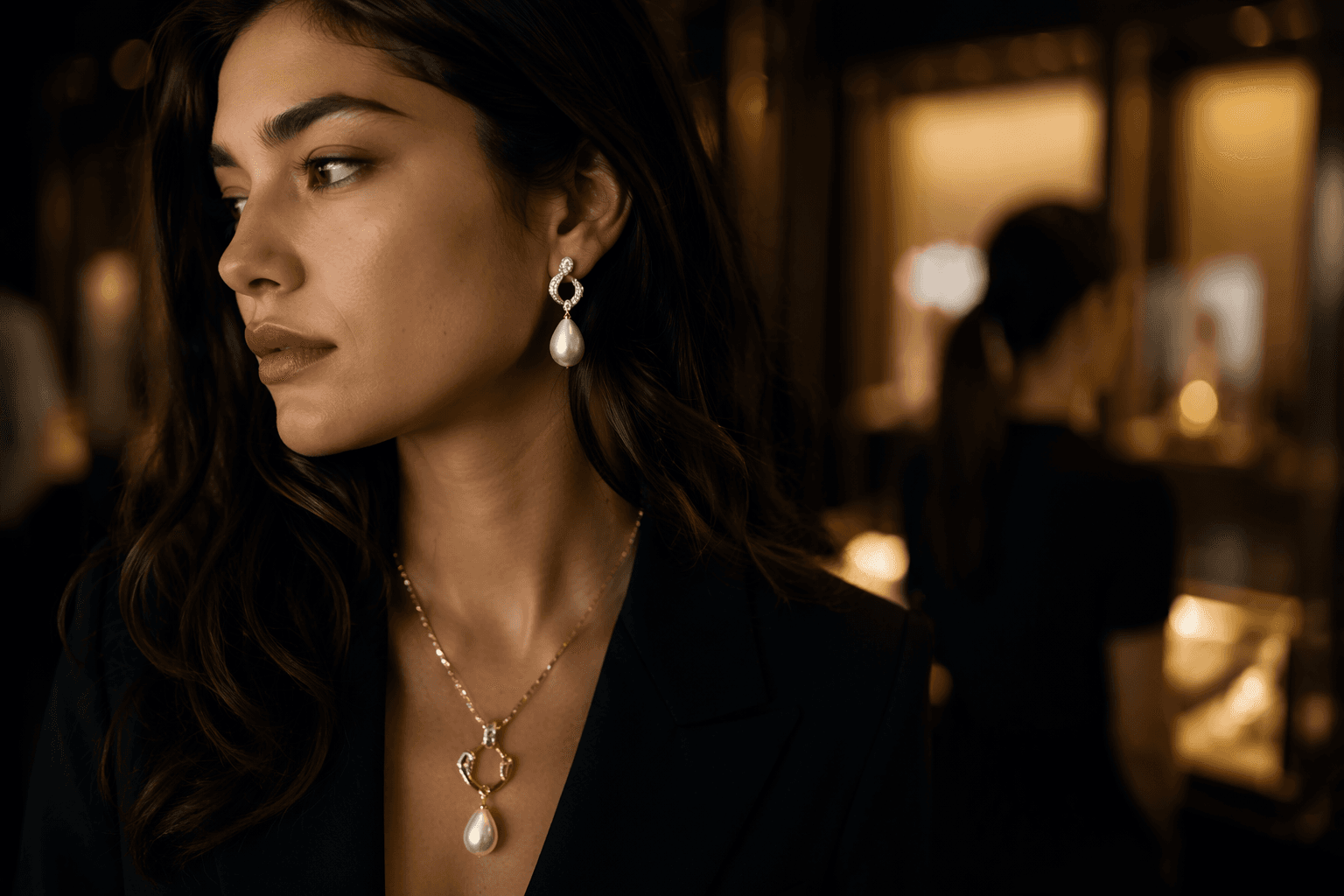
Pearls are no longer being sold as a costume of restraint. Designers are recasting them as sculptural, talismanic, and often diamond-heavy pieces that feel engineered for individuality, not etiquette. The shift is visible in Marei New York’s horn-and-pearl language, Mikimoto’s polished Les Pétales Place Vendôme Rosés designs, and Imperial Pearl’s pearl-and-lab-grown-diamond assortment.
Why pearls feel newly current
The strongest pearl jewelry right now does not try to preserve the old rules. It breaks them with sharper silhouettes, mixed materials, and settings that make the pearl feel less like a relic and more like a style decision. That is why talisman motifs, asymmetry, and pink gold are showing up alongside cultured pearls, and why diamond accents are being used not as decoration alone but as punctuation.
The broader market backdrop supports the shift. Statista projects worldwide jewelry revenue at US$408.64 billion in 2026, with a 5.10% compound annual growth rate through 2031. De Beers’ June 11, 2026 consumer research adds another useful frame: natural diamonds remain the most desired luxury jewelry product, and non-bridal occasions account for three-quarters of overall U.S. diamond demand. Together, those numbers point to a customer who still values preciousness, but increasingly wants it in forms that work beyond weddings and heirlooms.
Marei New York and the rise of the pearl talisman
Marei New York makes that argument through mood as much as material. Designer Angie Marei creates fine jewelry for women, men, and all genders, which matters because it places pearls inside a broader wardrobe rather than a narrowly coded category. The brand currently features a Damian Horn Talisman collection on its homepage, and that detail tells you everything about the house’s approach: pearls are being paired with horn forms and sculptural edges, not surrounded by sweetness.
The talismanic angle gives pearl jewelry a different energy. Instead of reading as purely decorative, the pieces suggest protection, identity, and personal symbolism, which is exactly the sort of emotional coding modern customers respond to. For a pearl to feel contemporary today, it often needs a second language, and Marei’s horn-and-pearl combinations supply one in a way that feels pointed rather than nostalgic.
Mikimoto’s polished precision
Mikimoto takes a different route, but the destination is similar: pearls that feel distinctly of the moment. Its Les Pétales Place Vendôme collection includes a Rosés sub-collection spanning necklaces, bracelets, earrings, rings, and pendants, which immediately broadens the category beyond the classic single strand. The line’s name alone hints at the shift, with Place Vendôme bringing Parisian polish and Rosés suggesting a softer, fashion-aware register.
The details are what make it compelling. One Rosés necklace is specified as Akoya cultured pearl 5.50mm-8.00mm with an 18K pink gold clasp and 5.25 carats of diamond, measuring 80.5cm and priced at ¥9,240,000. Another Rosés necklace uses Akoya cultured pearl 5.50mm-6.00mm, an 18K pink gold clasp, and 7.18 carats of diamond, with a price of ¥10,230,000. Those figures position the pieces firmly in high jewelry territory, but the design logic feels lighter than the old formal pearl formula because the pink gold and diamonds sharpen the pearls instead of cloaking them.
Mikimoto’s value here is restraint with a twist. The pearls remain impeccably round and cultured, but the surrounding architecture shifts them away from ceremony and toward modern dressing. That is the most useful lesson in the collection: when pearl jewelry looks expensive, it does not have to look static.
Imperial Pearl and the new pearl-plus-diamond market
Imperial Pearl makes the contemporary case from a more commercial angle. Its Lab Grown Diamonds & Pearls collection currently lists 68 products, and the lineup spans freshwater, Tahitian, Akoya, and Golden South Sea pearls paired with lab-grown diamonds. The listed MSRP range runs from about $508.76 to $4,876.26, which places the category in reach for buyers who want an entry point into the look without stepping into the price brackets of top-tier high jewelry.
That breadth matters because it shows how pearl jewelry is being recast for everyday and occasion wear, not only for bridal sets or inherited jewelry boxes. The mix of pearl types also signals versatility: freshwater offers softness and accessibility, Tahitian brings depth, Akoya delivers classic roundness, and Golden South Sea adds warmth and presence. When those pearls meet lab-grown diamonds, the result is a cleaner, more contemporary contrast than pearls set alone.
The lab-grown context is still in motion, which makes Imperial Pearl’s assortment especially telling. De Beers announced on May 8, 2025, that it intended to close its Lightbox lab-grown diamond jewelry brand, a reminder that the category remains unsettled even as other jewelry companies continue to use lab-grown stones in commercial collections. In pearl jewelry, that uncertainty does not weaken the story. It reinforces it: the modern pearl is being built in a market that rewards experimentation.
What these designs tell you about buying pearls now
If you want pearls that feel relevant today, look for pieces that do one or more of three things. They change the silhouette, as Marei New York does with horn forms and talismanic shapes. They update the surface language, as Mikimoto does with pink gold and generous diamond weight. Or they widen the category entirely, as Imperial Pearl does by pairing multiple pearl types with lab-grown diamonds at a spread of price points.
The old pearl hierarchy was built on formality, symmetry, and polish. The newer version is built on contrast. A pearl now looks most modern when it is offset by a sharper material, an unusual motif, or a setting that gives it a little edge. That is why these collections do more than refresh a classic. They recode pearls as personal, wearable, and visibly current, which is exactly how a heritage material stays in the conversation.
This article was produced by Prism’s automated news system from verified source data, official records, and press releases, then run through automated quality and moderation checks before publishing. The system is built and supervised by the people who set the standards it runs under. Read our full AI policy.
Did this article answer your question?