Pearls return in modern strands, as 90s jewelry resurges
Pearls are returning in tighter, sharper silhouettes, from classic strands to chokers, with runway proof, market momentum and a new gender-fluid edge.
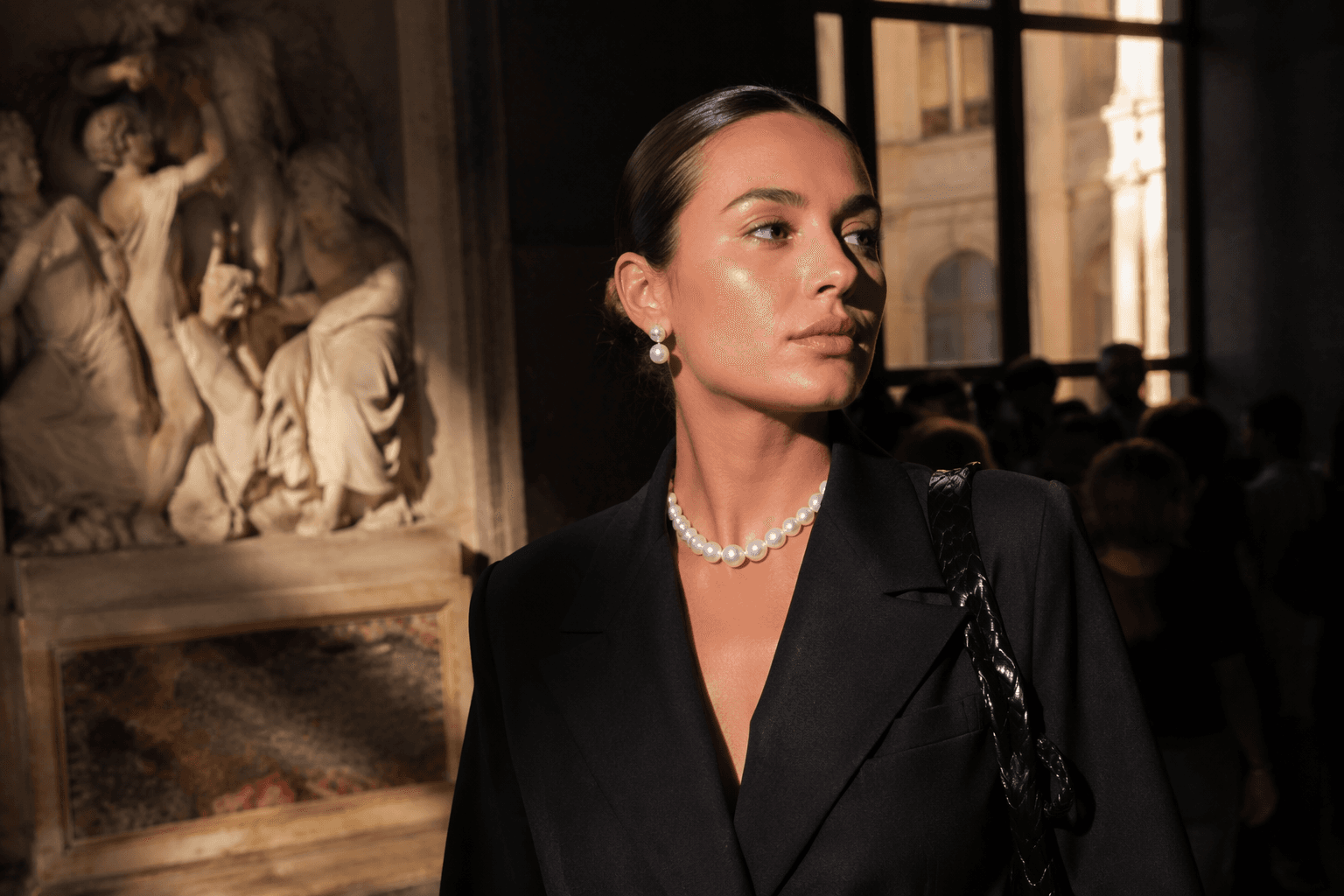
Pearls are back, but not as costume relics or country-club shorthand. The revival is centered on exact silhouettes that feel familiar and newly streamlined at once: classic strands, multi-strand collars and choker-length necklaces, all sharpened by modern styling, sculptural settings and mixed metals. What once read as formal now looks deliberate, polished and far less nostalgic than the 1990s version.
The pearl comeback is about shape, not sentiment
The strongest signal in this cycle is the return of the strand itself. On recent runways and in contemporary collections, pearls have reappeared as modern takes on traditional strands, often alongside yellow and white gold, bolder proportions and cleaner styling. That matters because the look is no longer being sold as old-world softness; it is being recast as structure, with the pearl acting as a crisp visual line against tailoring, silk and knitwear.
The same shift is visible in spring and summer collections from Chanel, Moschino and Bottega Veneta, where pearls re-entered the conversation as a classic item with renewed force. Far from a single-season impulse, the revival fits a larger jewelry cycle in which heritage references are being updated for everyday wear instead of reserved for special occasions.
The silhouettes to watch now
Classic strands are the backbone of the comeback. Worn short and neat or left to sit just below the collarbone, they now pair best with a white shirt left open at the throat, a dark crewneck sweater or a sharply cut blazer. The effect is cleaner than the grand pearls of earlier decades because the clothing around them is more minimal, and the styling often mixes in gold chain layers or a single pendant for contrast.
Multi-strand collars are the most statement-making version of the trend. Their power comes from volume and repetition, but the modern version works best when the rest of the outfit is pared back, such as a slip dress, a simple black top or a tailored jacket with no competing neckline detail. These collars feel fresher when the pearls sit close to the skin and the metals are mixed rather than matched, especially when yellow and white gold are used together.
Choker-length pearl looks are the sharpest update of all. They strip away the social-register polish that once made pearls seem formal, and they work beautifully with boat necks, ribbed knits and evening separates that expose the collarbone. A choker also reads more contemporary when it is layered with a longer chain or paired with a sculptural earring, giving the strand a fashion edge instead of a ceremonial one.
How to wear the comeback now
The modern pearl reads best when it is given a little tension. Pair a single strand with a menswear-style blazer and a crisp tee to break the old debutante association. Layer a shorter pearl collar over a fine gold chain for dimension, or let a multi-strand piece do the work against a monochrome outfit so the pearls become the texture, not the decoration.
- Wear classic strands with denim, tailoring or a black knit to keep the look grounded.
- Let choker-length pearls sit above a plain neckline so the shape stays visible.
- Mix pearls with yellow and white gold instead of matching every metal perfectly.
- Use one pearl statement at a time if the outfit already has volume, shine or print.
The most convincing styling move is restraint. Pearls look more current when they are treated like architecture, not ornament, and when the clothing around them has enough discipline to make the surface of the pearl register as luminous rather than decorative.
Pearls are no longer just feminine or formal
Part of the reason the pearl revival feels bigger than nostalgia is that the category is widening. One high-profile example is the addition of cultured Tahitian pearls to Tiffany Titan, which pushes the material into a more contemporary, gender-fluid register. That move also sits comfortably inside Tiffany’s longer design history, where pearls have been a house hallmark for generations, including a seed-pearl suite gifted to Mary Todd Lincoln in 1861.
This matters because the pearl is now being repositioned as a material with range. Cultured Tahitian pearls bring darker tones and a more modern visual weight than the traditional white strand, and they work particularly well in pieces that lean sculptural or industrial. The result is a pearl language that can read luxurious without looking precious in the old sense.
The market is backing the revival
This is not only a fashion story; it is a market story. China has seen extraordinarily strong demand for loose pearls and pearl jewellery, even amid ongoing economic pressure, and one 2025 market estimate put the global pearls market at about USD 4.15 billion, with projected growth at a compound annual rate of 5.25 percent from 2025 to 2032. Those numbers help explain why designers and retailers keep returning to pearls: the category has enough momentum to support both high jewelry and everyday pieces.
The demand side also reflects a change in buyer values. Younger consumers are driving interest in sustainable, ethically sourced jewelry, which has helped put provenance back at the center of the pearl conversation. That is where vague branding starts to fail. A serious pearl piece should tell you whether the pearls are cultured or natural, what type they are, and how the piece is constructed; claims about ethics and sustainability mean little if the brand cannot explain the material clearly.
What to look for when buying
A pearl worth investing in should feel specific, not generic. Look for the pearl type named outright, whether that is Tahitian, South Sea, Akoya or another cultured variety, and pay attention to the strand construction, clasp quality and matching between pearls if the design is symmetrical. In a market crowded with “modern” claims, the most credible pieces are the ones that can explain where the pearls came from and why the design justifies its price.
The strongest pearls in this revival do not rely on sentiment to sell the idea. They earn attention through proportion, provenance and styling that makes them feel current, which is why the strand, the collar and the choker have returned as fashion objects rather than family heirlooms.
This article was produced by Prism’s automated news system from verified source data, official records, and press releases, then run through automated quality and moderation checks before publishing. The system is built and supervised by the people who set the standards it runs under. Read our full AI policy.
Know something we missed? Have a correction or additional information?
Submit a Tip