2026 luxury personalized jewelry pivots to narrative-led designs and traceable recycled metals
Luxury personalization now centers on hidden narratives - coordinates, handwriting, and 3D-cast family symbols - paired with traceable recycled metals and lab-grown gems.
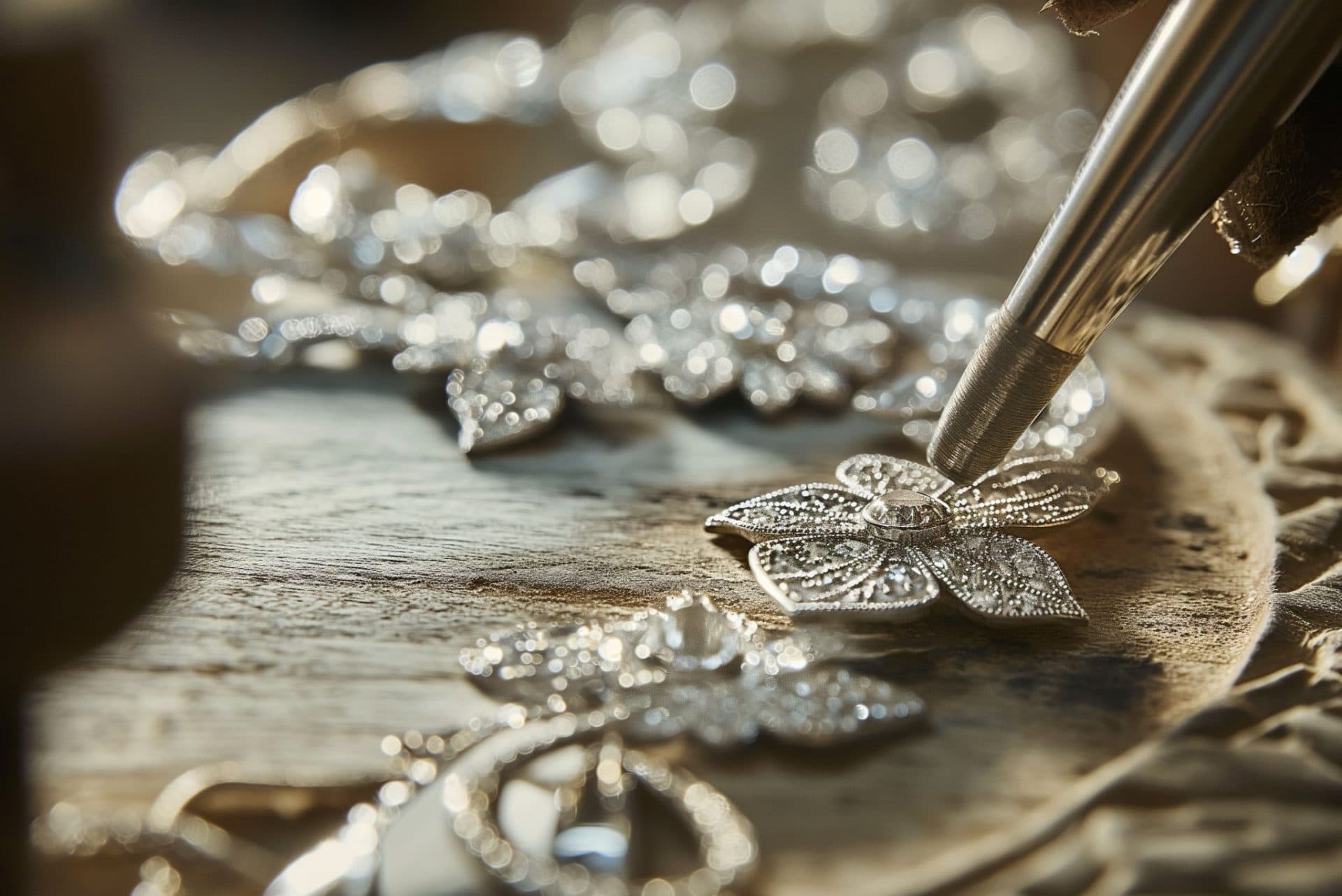
Luxury personalized jewelry in 2026 has reoriented around storytelling and provenance, with designers replacing conspicuous nameplates with objects that hold private meaning and verifiable materials. Vertu summarizes the shift plainly: “Personalization in 2026 creates a narrative piece, truly embodying bespoke jewelry,” and buyers are choosing hidden messages, coordinates, and custom artwork over simple monograms.
The techniques reading like a catalog of tiny revelations reflect that change. Modern engraving technology enables the inscription of precise coordinates of wedding venues or birthplaces; buyers can now etch handwriting samples or miniature artwork onto pendants and cuffs. Beyond surface work, designers use 3D modeling to cast unique symbols or family crests directly into a ring shank, and some artisans enclose hand-painted miniature portraits beneath rock crystal. Chris Correia captures the aesthetic arc: “The trend has shifted from overt to understated. Initials tucked inside a band, birthstones arranged in a meaningful cluster, dates engraved discreetly, these details create private resonance.”
Materials and sourcing are the other axis reshaping luxury personalization. Recycled gold, silver, and platinum sit alongside lab-grown diamonds and conflict-free stones as mainstream options. The Good Trade lists recycled metals, Fairmined or Fairtrade gold, conflict-free diamonds verified through the Kimberley Process, and lab-grown diamonds as central practices for sustainably sourced materials. Mvraki frames these choices within a material-first approach, noting that brands and consumers “increasingly prioritize recycled metals, lab-grown and ethically sourced stones, and traceable supply chains.”
Traceability has moved from aspiration to expectation, and the proof points are concrete. Mvraki advises consumers to “ask for evidence; genuine traceability often includes digital certificates, supplier names, and clear documentation from mine to market.” Industry standards named as anchors include the Responsible Jewellery Council, Fairmined, Fairtrade, and the Kimberley Process. The Good Trade’s editorial director Emily McGowan highlights a brand example and the idea behind provenance: “Bario Neal uses recycled metals and traceable diamonds and gemstones, meaning every piece they create contains many stories before it reaches your hand.”
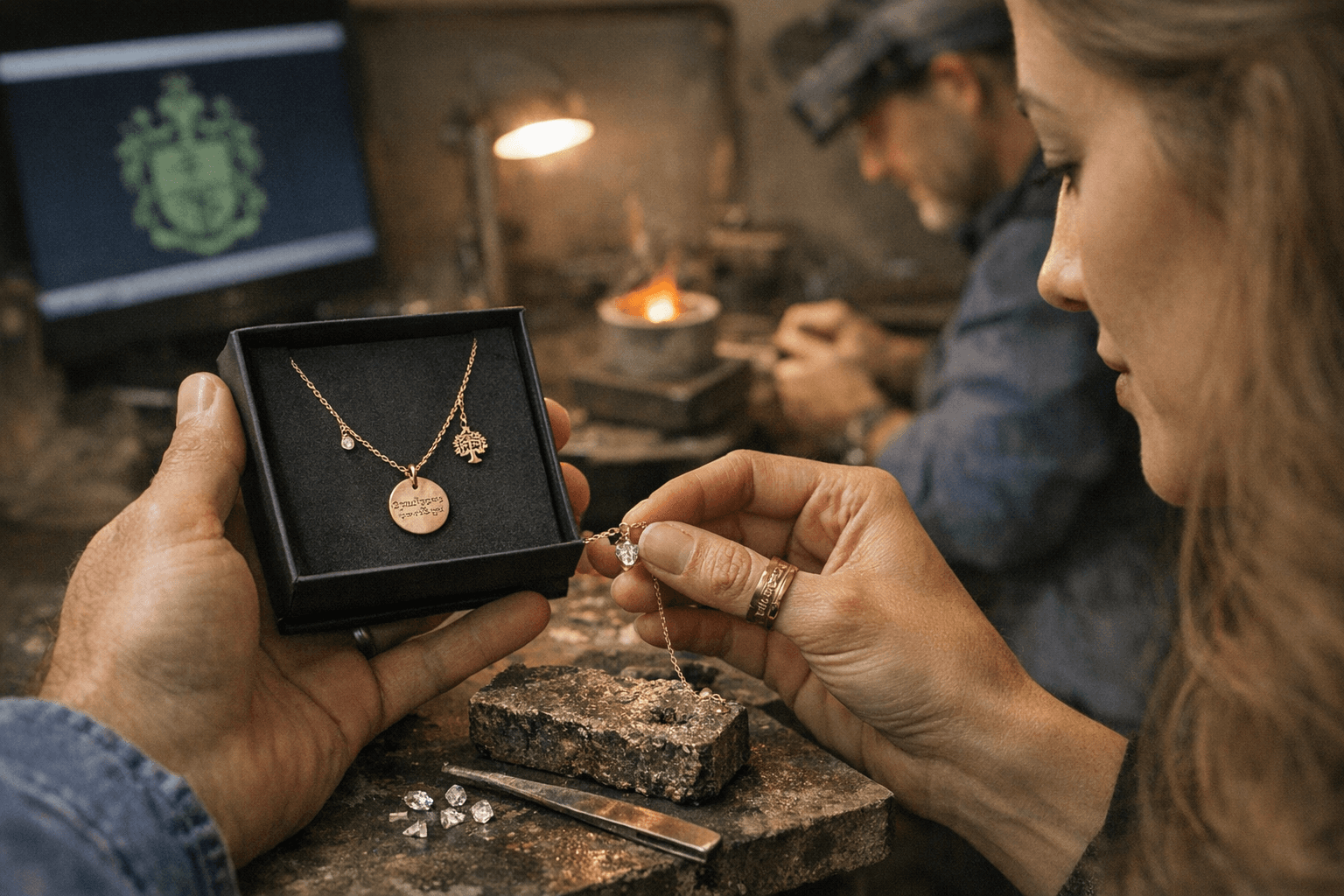
Atelier practice and logistics mirror the narrative-sourcing duet. Bespoke commissions typically require four to eight weeks for completion; complex designs involving 3D modeling or rare gemstone sourcing may take longer, so Vertu’s counsel is simple: “Always consult your jeweler early to ensure delivery by your specific deadline.” Mvraki reports that ateliers are converging on recycled metals, lab-grown diamonds, ethically mined gemstones, small-batch or made-to-order production, and upcycling or repair programs to curb waste and extend object lifecycles. Chris Correia’s New York City studio, which operates with GIA expertise, offers custom inquiries via chris@chriscorreia.com and frames the practice as one of mutual confidence: “What emerges is trust: your story meeting our craftsmanship, resulting in jewelry meant to be lived with.”
The personalization trend spans price tiers and aesthetics. The Good Trade and GLDN position accessible labels as “budget friendly” and “made to order,” while Bario Neal’s partner note lists pieces starting at $60+. At the same time Gabriel Fine Jewelers in Modesto emphasizes both bold statement trends such as chunky silver and gold chains and the quieter demand for colored gemstone engagement rings and mixed-metal minimalism, all paired with recycled gold and lab-grown diamonds.
The industry conversation, Mvraki observes, has matured “from ‘should we’ to ‘how we prove it,’” and that clarity is the practical takeaway for buyers commissioning personalized work: prioritize recycled metals and lab-grown stones when you prefer lower impact, confirm traceability claims with certificates and supplier names, consider vintage or reclaimed gems, and start conversations with your jeweler early to meet bespoke timelines. The result is jewelry that carries both a private narrative and a documented provenance, marrying intimacy with accountability.
Know something we missed? Have a correction or additional information?
Submit a Tip

