Blockchain and AI are making personalized jewelry easier to create
AI, 3D printing, and blockchain are turning custom jewelry into a faster, more exact process, from first mockup to traceable stone.
The custom piece is no longer a leap of faith
The magic moment now happens sooner. A buyer can see a daughter’s name lifted into script, a signet ring sized to the millimeter, or a birthstone pendant mapped before a single ounce of metal is committed. That is the real shift in personalized jewelry: AI design tools, 3D printing, and blockchain are making custom orders quicker to visualize, easier to refine, and far less risky to produce.
For years, bespoke jewelry carried a quiet burden of uncertainty. The idea might be beautiful, but the path from sketch to finished piece could involve slow back-and-forth, expensive handwork, and limited visibility into where a diamond or colored stone actually came from. The new digital stack changes that experience at the point of decision. It gives the shopper more confidence, and it gives the jeweler a cleaner route from concept to wearability.
AI brings the first draft closer to the final jewel
Generative AI is already reshaping the earliest stage of design, where imagination has to become something a bench jeweler can actually make. GIA’s 2024 coverage of generative AI in jewelry design recognizes the creative upside, while also flagging the ethical, legal, and regulatory issues that still surround the technology. That tension matters, because AI is most useful when it behaves like an intelligent sketching partner, not a replacement for craft.
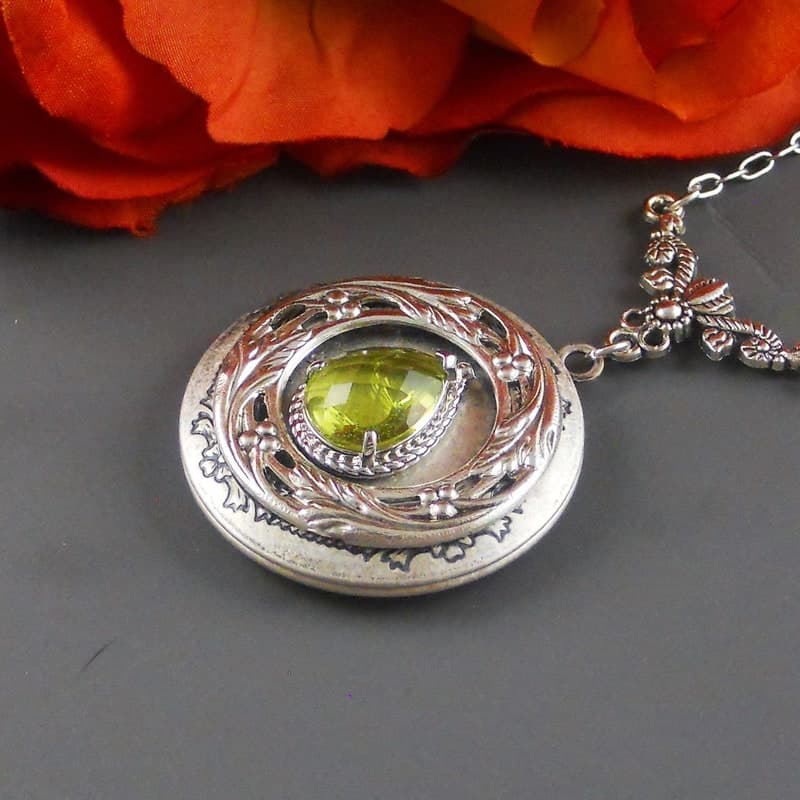
For a personalized order, that means faster mockups and more iterations before production begins. A client can test different letterforms for a name necklace, compare the weight and profile of a signet ring, or see how a birthstone reads in a bezel rather than prongs. The difference is not cosmetic. A bezel can offer a more protective, low-snag setting for daily wear, while prongs open the stone to more light and a different visual character, so early digital previews can help a buyer choose what the piece should feel like on the hand or neck.
AI also makes the design conversation more precise. Instead of describing a sentimental idea in broad strokes, a buyer can refine scale, symmetry, and proportion with far more clarity. That is especially valuable in personalized jewelry, where the smallest adjustment can determine whether a piece feels intimate and elegant or merely decorative.
3D printing turns a personal idea into a tangible prototype
Once the design is settled, 3D printing changes the rhythm of the custom order. What once required more manual trial and error can now be modeled, printed, and adjusted with unusual speed, which is a major reason the technology is drawing so much interest in jewelry manufacturing. It is not just about faster production; it is about testing the fit and silhouette of a piece before final fabrication locks in the cost.
That matters most in categories where comfort and proportion are everything. A ring, especially a signet or monogram style, has to sit correctly across the knuckle and look balanced from the top and the side. A birthstone piece has to protect the stone while still letting it read as personal, not bulky. 3D printing makes those judgments easier to make early, when changes are still inexpensive.
Market research from Grand View Research shows how central customization has become to the category. The firm says rising demand for customization and personalization is a major driver of the 3D-printed jewelry market, and it points to rings as the largest product segment, with a 33.8% share in 2023. That makes intuitive sense: rings are where fit, symbolism, and daily wear collide most visibly.

Blockchain is changing what provenance means to the buyer
The other half of the story is trust. Personalized jewelry has always been about meaning, but now buyers want the meaning of the piece to extend to its materials as well. Blockchain is helping move provenance from a vague promise to a trackable record, especially for diamonds and other high-value stones.
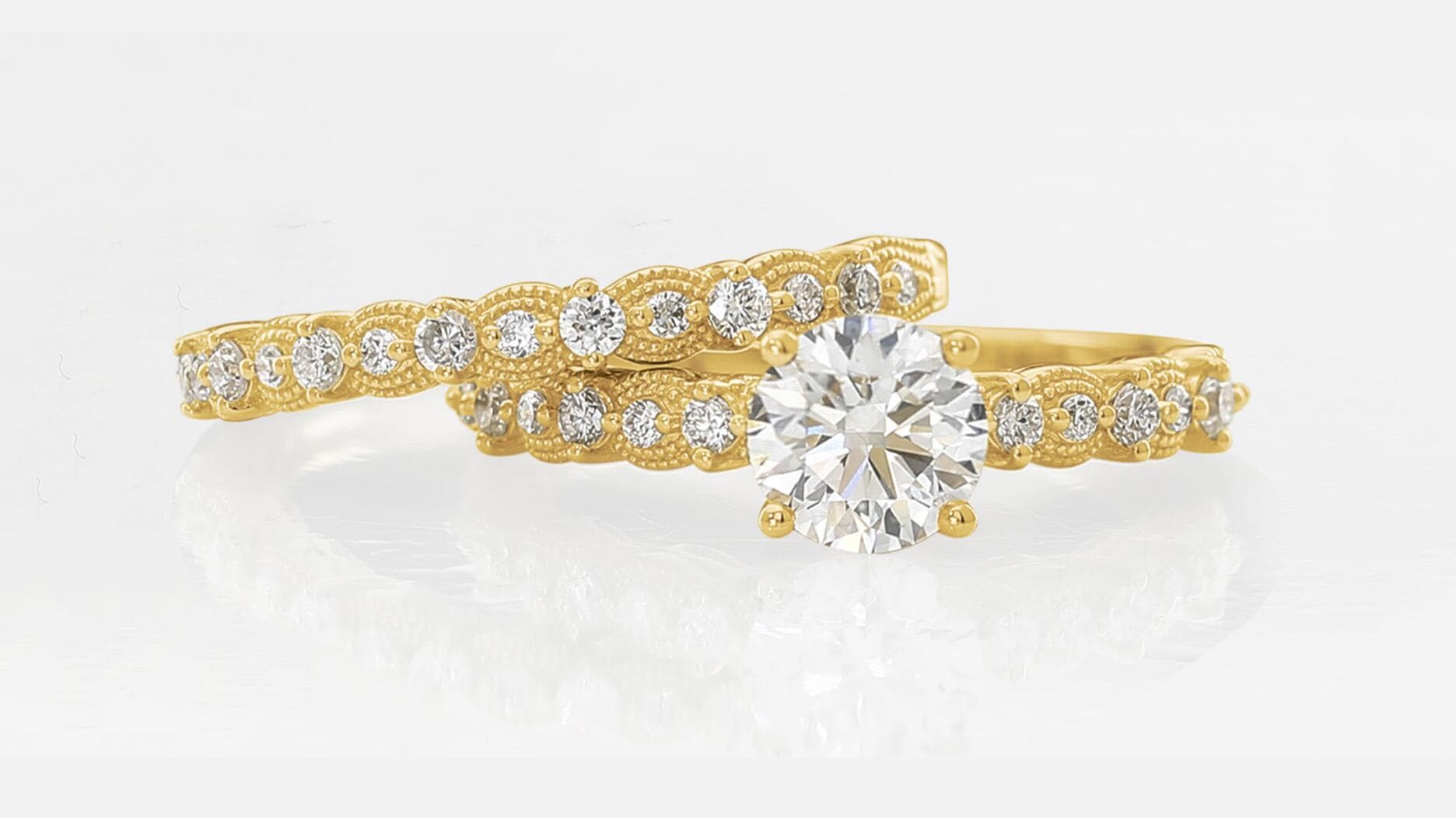
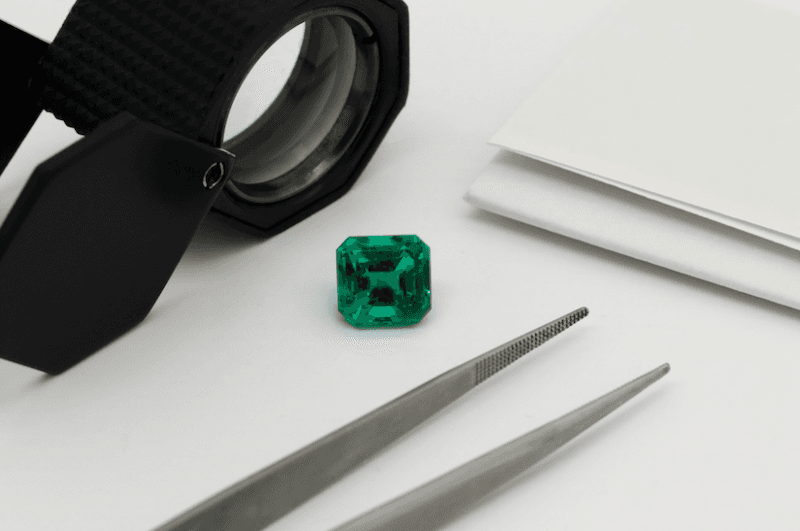
De Beers says Tracr is the world’s first fully distributed diamond blockchain platform, and it opened the platform to the broader diamond industry in 2023 after registering more than one million rough diamonds at source and 110,000 diamonds at the manufacturer level. In practice, that means a stone can carry a more legible history through the supply chain, which is increasingly important when a client is choosing a stone for an engagement ring, anniversary piece, or heirloom design.
The system is becoming more integrated, not less. On February 25, 2025, Sarine Technologies Ltd. and Tracr announced a collaboration to combine rough diamond source data with precision manufacturing data, bringing scanning and blockchain closer together across the supply chain. That pairing matters because provenance is strongest when origin data and production data reinforce one another, rather than sitting in separate systems.
The bigger signal came on May 29, 2026, when De Beers Group and GIA announced a definitive agreement for GIA to acquire a 30 percent shareholding in Tracr. GIA said the investment supports Tracr’s evolution toward an independent, industry-wide natural diamond provenance platform. For a shopper, that is a meaningful development: provenance is shifting from niche reassurance to the kind of infrastructure that could one day sit behind the custom jewelry counter as routinely as a ring sizer.
Why the market is tilting toward bespoke pieces
The scale of the personalization trend helps explain why these tools are gaining ground so quickly. Grand View Research says the Asia Pacific region held more than 38.0% of the 3D-printed jewelry market in 2023, while the U.S. accounted for 92.6% of the market in 2023, and that consumers are increasingly drawn to luxury and personalized items. It also notes that tech-savvy buyers are showing interest in 3D printing and smart jewelry, which suggests customization is no longer a niche request but a shaping force in product development.
What emerges is a new kind of custom order, one built on three supports. AI helps shape the idea; 3D printing helps test the form and the fit; blockchain helps verify the materials. Together, they make it easier to produce a piece that feels singular without making the process opaque or impractically slow.
For the buyer, that is the real luxury: not just owning something no one else has, but knowing how it was made, how it wears, and where it came from. Personalized jewelry has always been about memory, identity, and sentiment. Now it can also be about precision, proof, and the quiet assurance that the final jewel will live up to the first spark of recognition.
This article was produced by Prism’s automated news system from verified source data, official records, and press releases, then run through automated quality and moderation checks before publishing. The system is built and supervised by the people who set the standards it runs under. Read our full AI policy.
Did this article answer your question?