Couture 2026 spotlights personalized jewelry and emotional storytelling
Couture 2026 put emotional storytelling at the center of personalized jewelry, where color, hidden details, and wearable symbolism mattered more than novelty.

At Wynn Las Vegas, Couture 2026 made a clear case for jewelry that carries a memory as well as a price tag. Retail buyers described a market drawn to personal expression, individuality, and emotionally resonant design, where colorful gemstones, interactive pieces, hidden details, engravings, and symbolic motifs did the work of autobiography.
Personalization, but with a sharper point of view
The most convincing pieces at Couture were not merely customized, they felt authored. Alexandra Lippin, senior vice president of jewelry at Elyse Walker, said the fair felt “incredibly expressive,” a useful phrase because it captures what separated this year’s mood from simple monogramming or nameplate sentimentality. The underlying shift was toward jewelry that helps a wearer build a collection piece by piece, each addition carrying a distinct memory, code, or emotional register.
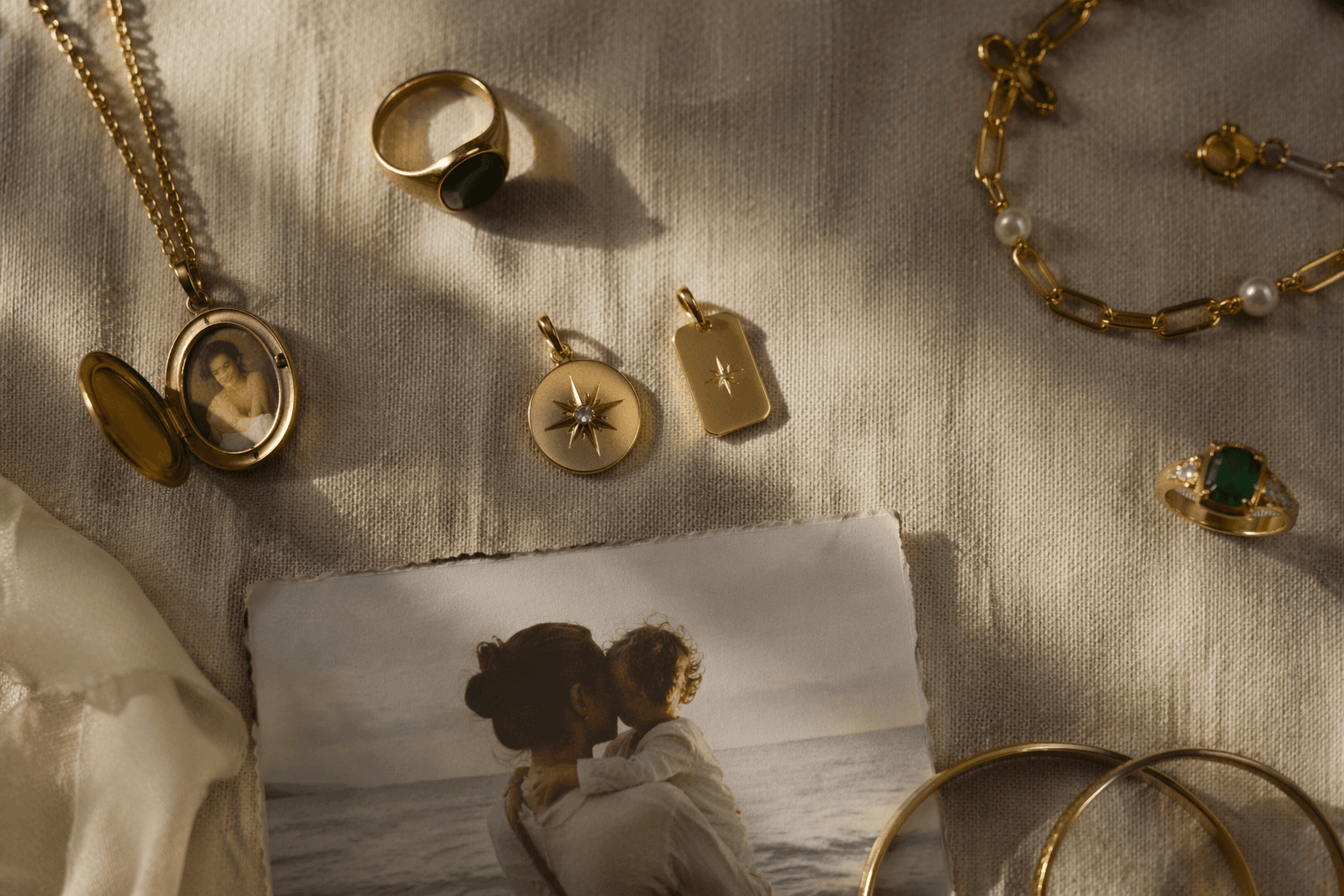
That instinct showed up across the floor in designs that leaned into color and narrative at once. Matthew Rosenheim, president of Tiny Jewel Box, pointed to engravings, hidden messages, and symbolic motifs as the strongest thread running through the show. WWD highlighted Marie Lichtenberg’s Fanions, Harwell Godfrey’s Gold Rush collection, and Retrouvaí’s Vein lockets as especially effective examples, because each one turns inscription, ornament, or form into something more personal than surface decoration. The message for buyers was simple: the most compelling personalization now feels lived-in, not literal.
Why Couture still sets the tone
Couture’s appeal lies in its scale and its edit. The show describes itself as an exclusive, intimate destination for designer fine jewelry and luxury timepieces, and that positioning matters in a market flooded with louder, broader trade events. Other coverage put the 2026 edition at about 350 jewelry designers and luxury brands, which is large enough to reveal directional change but focused enough to reward close looking.
That edit matters even more because roughly 50% of Couture’s exhibiting designers and brands are international. In practice, that makes the fair a useful barometer for global luxury jewelry rather than a strictly American marketplace. The mix of heritage houses and emerging voices also explains why the show feels so trend-relevant: it is where a highly polished idea can move from runway-like statement to orderable reality.
The show calendar underscored the trade’s center of gravity
Couture 2026 opened with an evening event on Wednesday, May 27, from 6:00 p.m. to 8:00 p.m. at Wynn Las Vegas. The show floor then ran Thursday, May 28 through Sunday, May 31, with hours of 9:00 a.m. to 6:00 p.m. on Thursday, Friday, and Saturday, then 9:00 a.m. to 4:00 p.m. on Sunday. That schedule placed the fair squarely in the middle of the industry’s busiest week in Las Vegas.
JCK Las Vegas overlapped at The Venetian Expo from Friday, May 29 through Monday, June 1, turning the city into a dense meeting point for the global jewelry trade. For buyers and editors alike, that concentration matters: ideas move quickly when luxury timepieces, designer fine jewelry, and retail decision-makers are all in the same city, moving between appointments with a sharpened eye for what will resonate next.
What to ask for when the runway language becomes a custom order
The best lesson from Couture 2026 is that personalization works when it is specific. Color is one route, especially when it is used to signal emotion rather than decoration alone. A jeweler can build a piece around a gemstone palette that reflects a family, a place, or a milestone, whether that means saturated tourmaline, luminous sapphire, or a mix of stones arranged to create a private code.
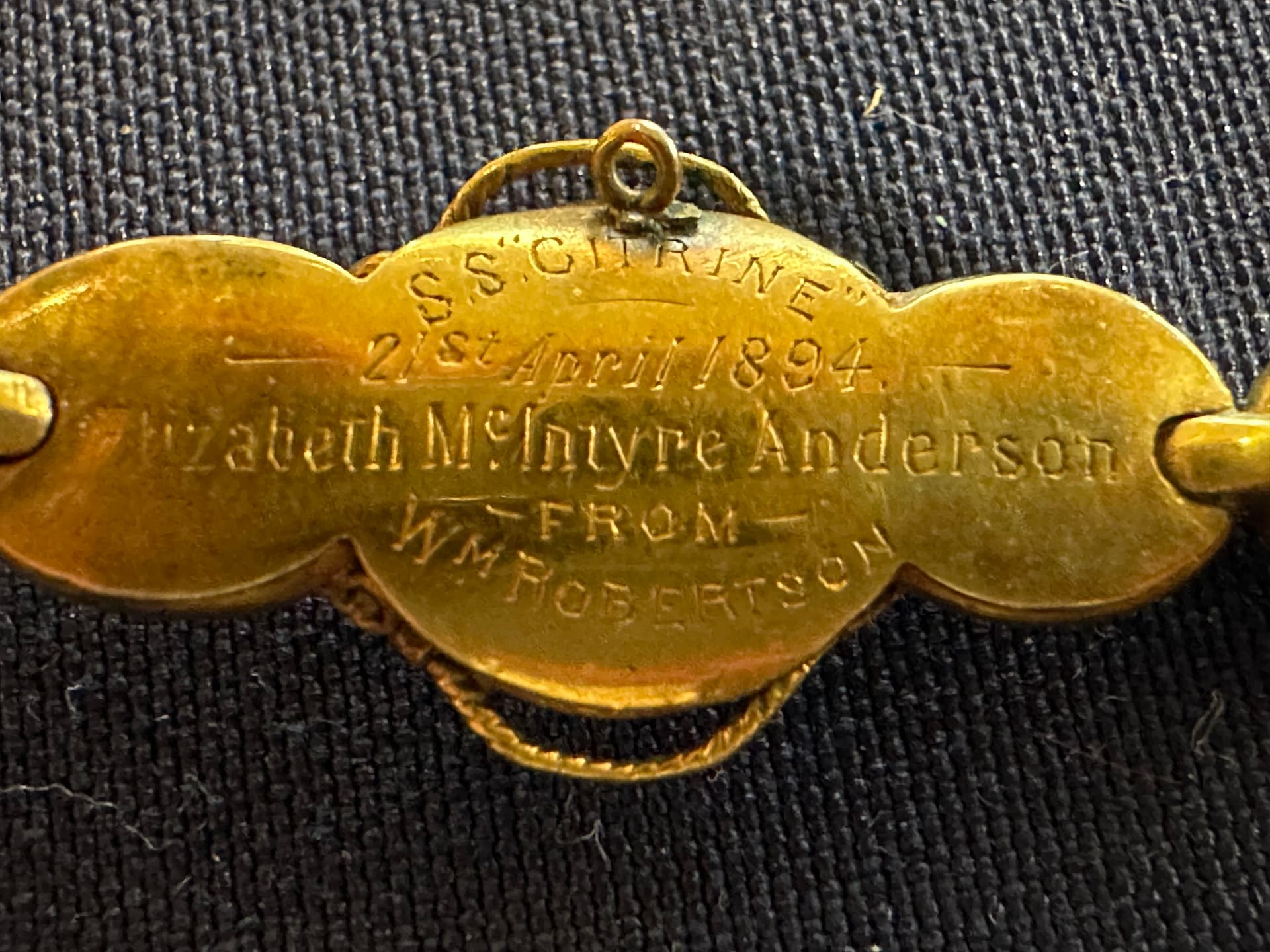
- Ask for a hidden engraving inside a shank, clasp, or locket, so the sentiment lives close to the wearer.
- Use symbolic motifs sparingly, then repeat them across a collection so the piece feels intentional rather than decorative.
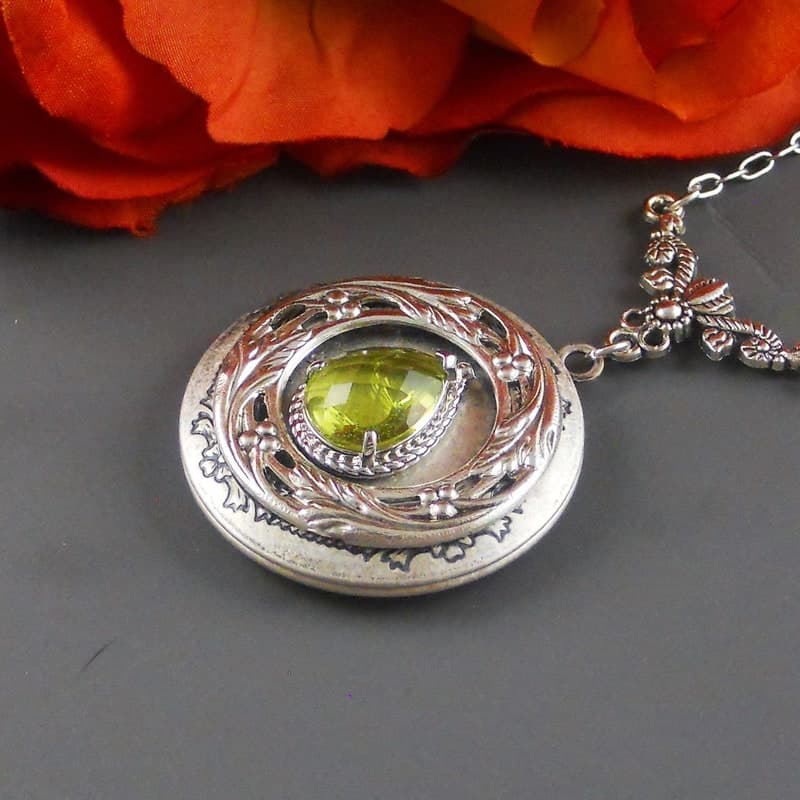
- Consider interactive construction, such as a locket that opens to reveal an inscription or a pendant that moves, flips, or nests into another element.
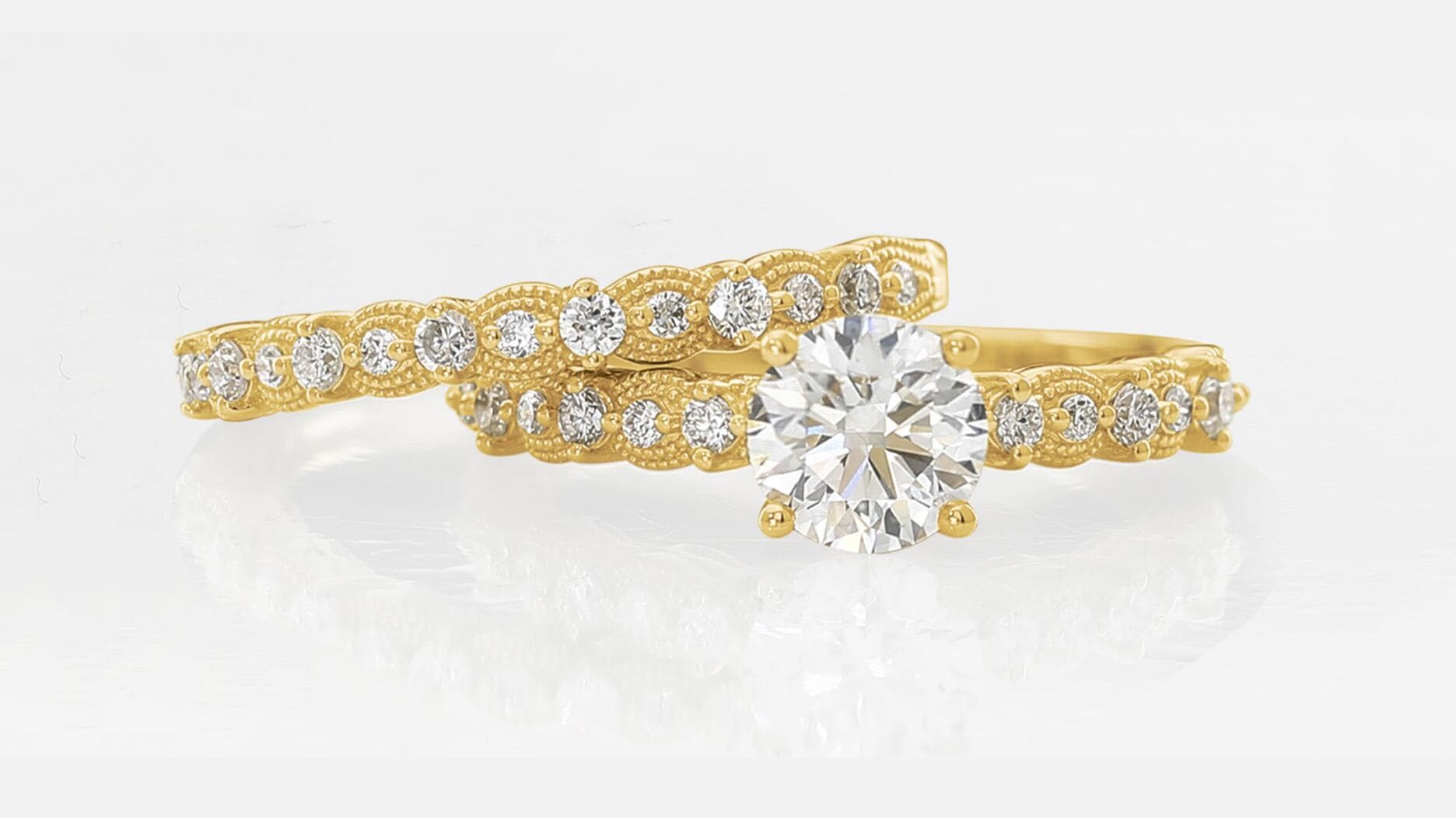
- Choose the setting with intention: a bezel setting offers a smoother, more protected edge and suits a piece meant for everyday wear, while a prong setting exposes more of the stone and can make color and light feel more immediate.
- If gold prices are pushing the design toward leaner materials, cords, beads, and leather can keep the idea tactile and wearable without losing emotional weight.
Those choices matter because they translate fashion language into a jewel a client can actually live with. A piece meant to commemorate resilience, for instance, might use an inscription hidden on the reverse, a symbolic motif on the front, and a bezel-set stone that can stand up to daily wear. That is where personalization becomes craftsmanship rather than novelty.
The awards reinforced the same standard
Couture’s 2026 Design Awards were judged by a panel of two retailers, two editors, and one fellow designer, with criteria that included design, craftsmanship, and salability. That mix is telling. It says the trade is not rewarding ideas alone, but ideas that can survive the realities of the showcase, the fitting room, and the jewelry box.
The winners across categories included Demeglio, Helena Rose, JIAHN, Chantecler Capri, Gellner, and Le Gramme. Their presence in the awards conversation reinforces the direction already visible on the floor: pieces are being judged not only on beauty, but on whether they can carry meaning and still make commercial sense. In a year when emotional storytelling held the strongest pull, the most valuable jewelry was the kind that felt as if it had been made for one life, not for every life.
This article was produced by Prism’s automated news system from verified source data, official records, and press releases, then run through automated quality and moderation checks before publishing. The system is built and supervised by the people who set the standards it runs under. Read our full AI policy.
Did this article answer your question?