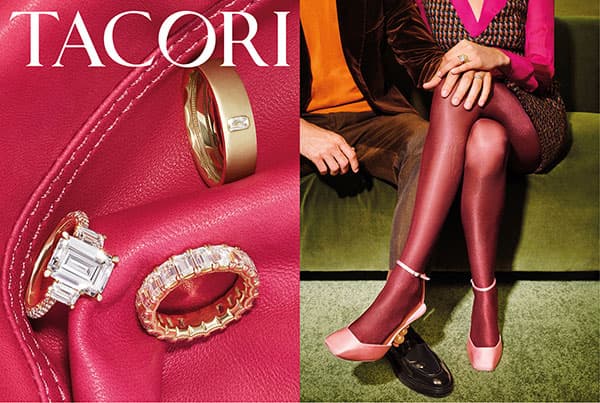
Couture buyers favor rarity and personal meaning in jewelry purchases
Couture’s sharpest jewelry is winning on two fronts: heirloom-level rarity at the high end, and intimate personalization at the entry point.

Couture has become a mirror for a market that no longer behaves politely in the middle. At the 2026 fair in Wynn Las Vegas, May 27 through May 31, with opening night on May 27 at 6:00 p.m., the conversation centered on pieces that feel either deeply collectible or immediately personal. That split explains why shoppers are stretching for jewels that carry rarity, story, and emotional charge, whether the ticket begins with a custom commission or a simple engraved charm.
A market that rewards extremes
The clearest reading of Couture 2026 is that the so-called K-shaped consumer is now shaping jewelry taste in real time. WWD described retailers seeing demand cluster around investment-level pieces on one side and accessible entry jewelry on the other, while the middle market feels tighter and less assured. That is exactly where personalization has become strategic: it gives a modest piece emotional weight, and it gives an expensive piece a reason to exist beyond carat weight alone.
The broader pricing backdrop only sharpened that instinct. A Forbes Advisor market snapshot put gold around $4,332.56 per ounce on June 16, 2026, after GoldPriceTools recorded an intraday all-time high of $5,589.38 per troy ounce in January 2026. When metal prices climb that high, designers do not simply raise prices and move on. They rethink construction, shift visual emphasis toward stones, and lean harder on design language that makes a jewel feel singular.
Why Couture still matters
The Couture organization calls the show an intimate destination for designer fine jewelry and luxury timepieces, and that intimacy is part of its power. It gathers top-tier buyers from Marissa Collections, TWIST, Reinhold Jewelers, and Borsheims, along with heritage brands, emerging designers, and award-winning media, so the fair becomes a live read on what serious jewelry clients want next. At a show like this, the strongest pieces do not scream status. They communicate judgment.
Retail coverage from the fair repeatedly pointed to creativity, individuality, personal expression, colorful gemstones, storytelling, kinetic designs, whimsical motifs, and vintage influences. That mix is telling. It suggests that the luxury client is not simply buying sparkle, but a point of view, something that feels authored rather than assembled. WWD also noted bold gold work, antique-inspired settings, colored-stone combinations, and archival references across the floor, all of which reinforced the rising appeal of estate jewelry and heirloom-worthy design.
What makes a personalized jewel worth the stretch
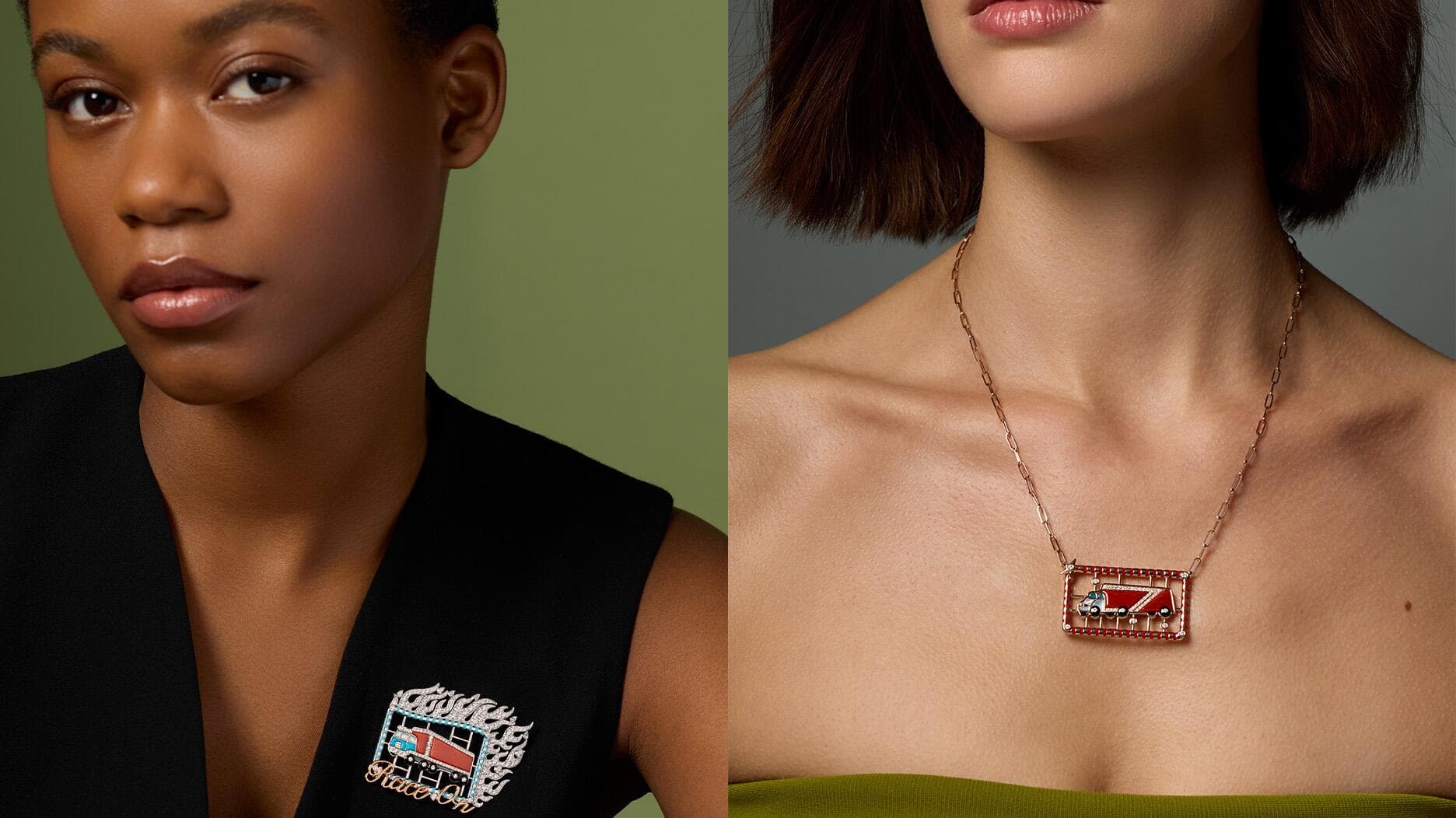
At the high end, personalization works best when it is embedded in craftsmanship rather than layered on as decoration. A nameplate can be sweet; a custom piece with a carved edge, a shaped gallery, or a stone selection tied to a specific memory feels far more substantial. The most persuasive expensive pieces at Couture were the ones that paired narrative with material authority.
That can mean a rare color pairing, a vintage-inspired setting with real structural detail, or a commission built around a milestone instead of a logo. It can also mean collector logic: limited production, unusual gemstone cuts, or archival references that signal a designer’s hand. In this tier, the shopper is not just paying for customization. She is paying for the feeling that no one else will ever wear quite the same piece.
- Colored gemstones used with intention, not as filler
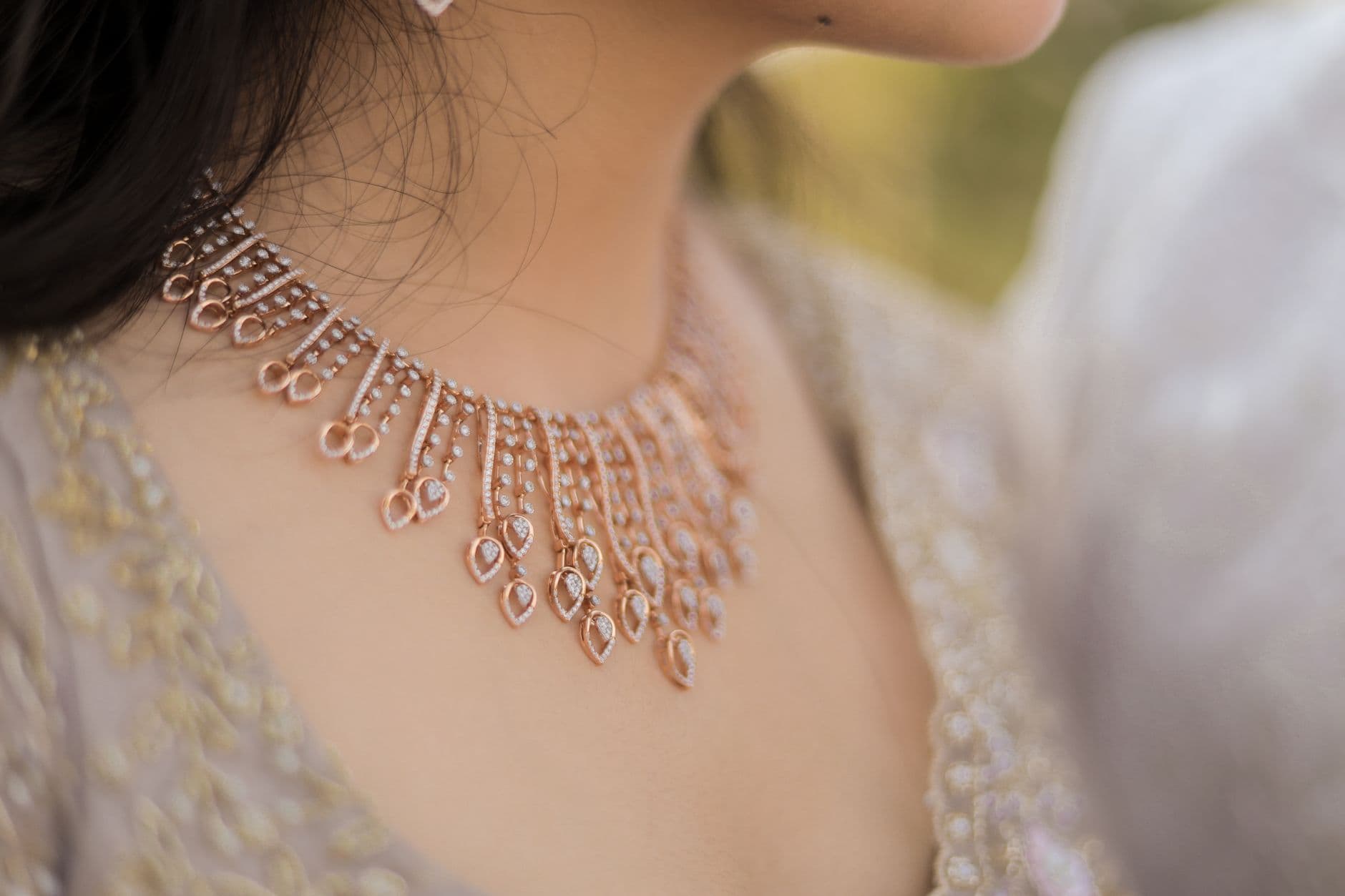
- Settings that show construction, such as antique-style bezels, sculpted prongs, or a finely finished gallery
- Design references that deepen the story, including archival motifs or vintage cues
- Evidence of rarity, such as unusual combinations, custom cuts, or limited production
- A personal link that is visible in the object itself, not just in the sales pitch
For jewelry that deserves a serious stretch, look for:
That distinction matters. A jewel with a name, date, or family reference can feel luxurious if the engraving is crisp, the proportions are balanced, and the metalwork supports the design. If the customization looks tacked on, the emotional value collapses.
The entry-level lane is just as deliberate
The lower end of the market is not about compromise so much as compression: smaller budgets, clearer intentions, less excess. Industry research around the U.S. jewelry market describes a “buying better but less” mentality, and 2026 trend reporting has pushed hard into personalized stacking, custom commissioned designs, and identity-driven pieces built around names, dates, and milestones. That is where initials, charms, and engravables thrive.
High gold prices have also nudged designers toward alternatives that still read as personal and modern. Retail coverage from Couture said stones, cords, beads, found objects, and other nontraditional materials appeared more often, which makes sense in a market where metal content is expensive and meaning has become part of the value equation. A cord bracelet with a specific bead arrangement or a charm necklace built around a single initial can feel thoughtful precisely because it is restrained.
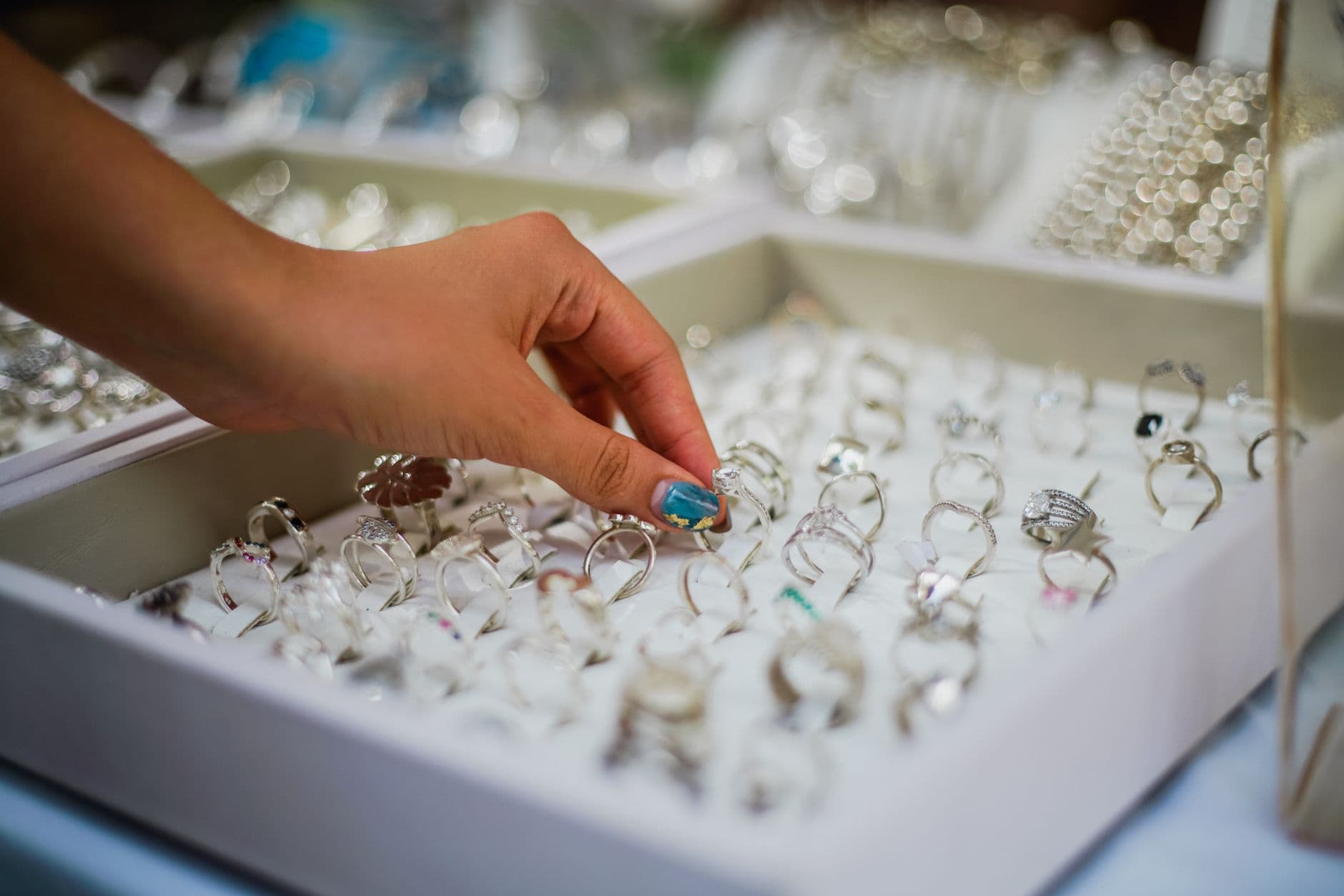
This is where personalization becomes the entry ticket to luxury behavior. The client may not yet be buying a collector stone or a bespoke suite, but she is buying identity, memory, and the ritual of wearing something that belongs to her alone. In a polarized market, that is enough to make a small piece feel worth the spend.
The new rule of personal jewelry
What Couture 2026 made plain is that personalization is no longer a niche embellishment. It is a pricing strategy, a design strategy, and a survival strategy in a market split between the collectible and the accessible. At the top, shoppers want rarity and heirloom potential. At the entry point, they want a jewel that marks a name, a date, a relationship, or a private milestone without feeling generic.
The strongest pieces on either end share the same quality: they carry meaning that cannot be bought in bulk. In a season defined by volatile gold prices and selective spending, that is the detail that turns jewelry from merchandise into something worth keeping.
This article was produced by Prism’s automated news system from verified source data, official records, and press releases, then run through automated quality and moderation checks before publishing. The system is built and supervised by the people who set the standards it runs under. Read our full AI policy.
Know something we missed? Have a correction or additional information?
Submit a Tip