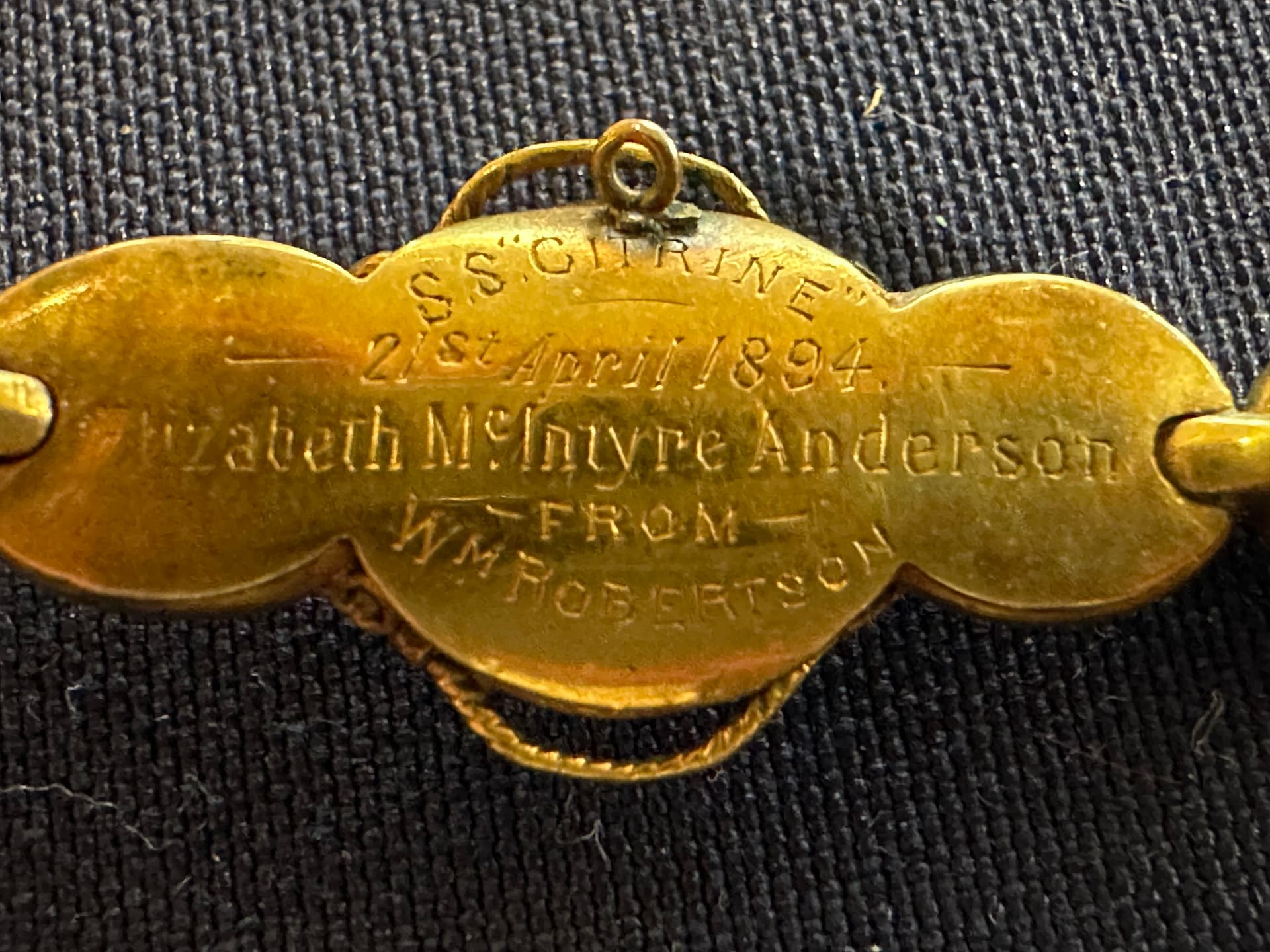
Diver finds engraved name inside lost college ring buried in river mud
A diver pulled a $1,100 college ring from river mud and found the engraved name inside, turning a lost jewel into a recoverable identity.
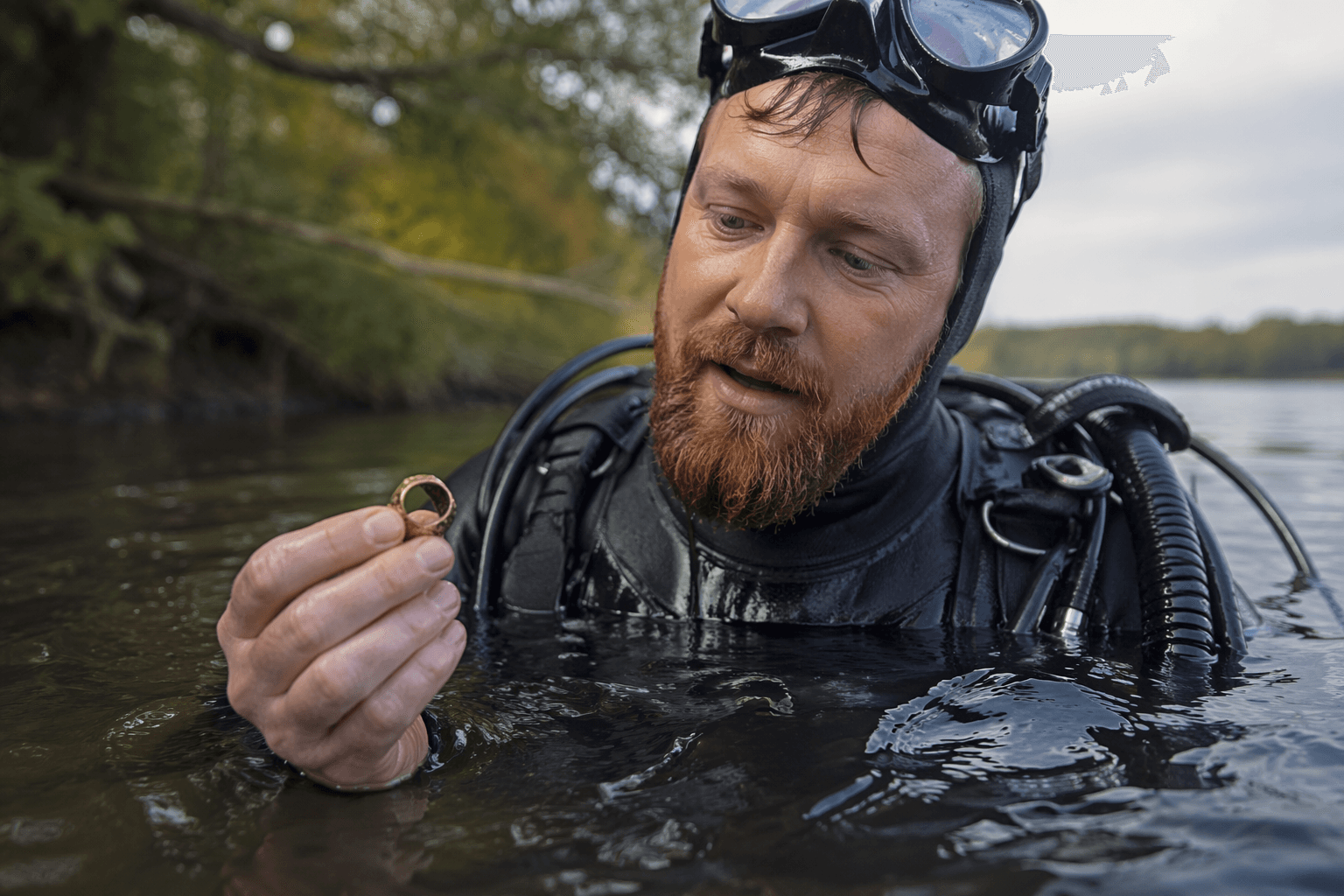
A diver brought up a $1,100 college ring from river mud and found the detail that mattered most tucked inside: an engraved name. That small inscription changed the piece from a lost object into a traceable one, and gave the recovery its emotional force.
The June 2 recovery was a reminder that personalization is not an ornament in fine jewelry. It is often the very thing that gives a ring its memory. A college ring already carries built-in meaning through its symbolism, but the engraving inside adds another layer of authorship, one that can survive long after the ring itself has vanished beneath water and silt.
That is why engraved names, initials, dates and coordinates have such unusual hold on the people who wear them. They do not simply identify a piece. They anchor it to a person, a place or a moment that cannot be replaced. A class ring marks an academic milestone. An engraved date can preserve a graduation, an anniversary or a loss. A set of coordinates can turn a stretch of coastline, a hometown street or a first apartment into a private map. In each case, the metal is only part of the story.
The ring found in the river mud carried that same logic in miniature. Its value was not only the $1,100 price tag or the tradition of a college ring. It was the engraving hidden inside that made the object legible again, as if the ring had been waiting for the right hands to translate it back into someone’s life.
That is the quiet power of custom jewelry at its best. A bezel can frame a stone, a prong setting can lift it toward the light, but an inscription does something different: it makes the piece speak. In this case, the engraving inside a lost college ring turned a recovery into recognition, and recognition is what makes jewelry endure.
This article was produced by Prism’s automated news system from verified source data, official records, and press releases, then run through automated quality and moderation checks before publishing. The system is built and supervised by the people who set the standards it runs under. Read our full AI policy.
Did this article answer your question?