Dream-driven designs fuel personalized jewelry growth at independent shops
Dreams are turning into sellable commissions at independent jewelers, where one-of-a-kind custom pieces deliver the emotional value mass retail cannot.
The dream becomes the commission
A surprising share of jewelers have made a real business decision based on a dream, and they meant it literally. One recent Brain Squad survey found 31% of respondents saying yes, which says less about whimsy than it does about how quickly an independent shop can turn a private spark into a product with commercial life.
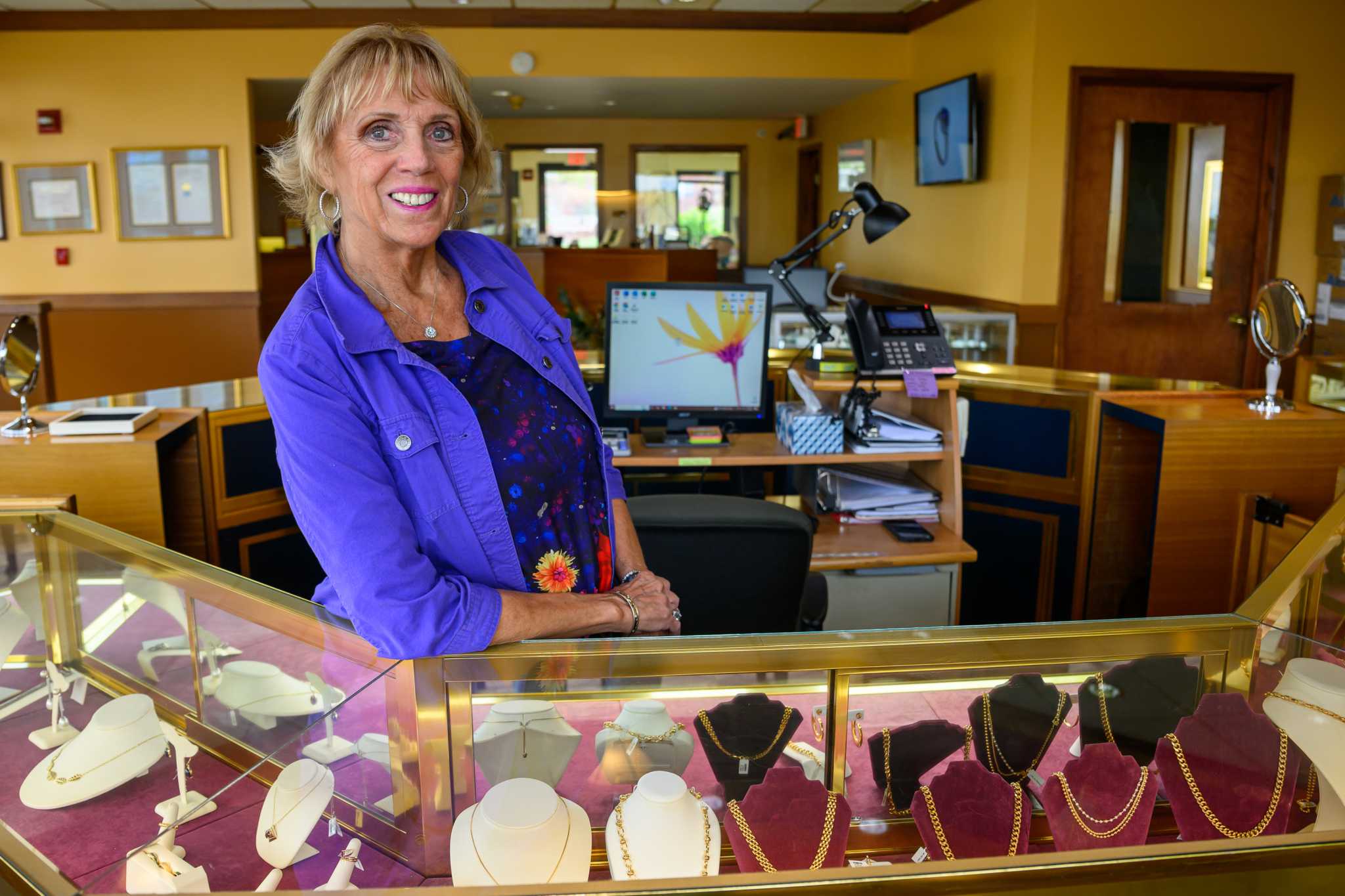
Drue Sanders Custom Jewelers is a clean example of that shift. For more than 50 years, the Albany shop has been making award-winning custom jewelry through one-on-one consultation and computer-aided design, the kind of process that lets a client arrive with a half-formed idea and leave with a piece that feels finished, wearable, and unmistakably personal.
Why personalized jewelry keeps drawing attention
The numbers around the category are large enough to explain why independent jewelers keep leaning in. One market report values the global personalized jewelry market at $38.6 billion in 2025 and projects it at $81.4 billion by 2034. Another places it at $27.64 billion in 2025 with growth to $56.84 billion by 2034. However you slice the forecast, the message is the same: personalization is no longer a side aisle in fine jewelry. It is a serious retail category with serious appetite.
That scale makes sense because the value proposition is emotional as much as visual. Buyers continue to be drawn to custom, handmade pieces because unique design and emotional meaning matter as much as carat weight or brand name. A necklace that carries a daughter’s name, a ring set with a mother’s birthstone, or a pendant built around an inherited stone does more than decorate. It marks identity, memory, and belonging in a way ready-made jewelry rarely can.
How a private idea becomes a real jewel
The best bespoke work begins with conversation, not inventory. At Drue Sanders Custom Jewelers, the process depends on direct, one-on-one interaction, then on advanced computer technology that helps translate a client’s vision into proportions, settings, and structure that can actually be made. That is the quiet sophistication of custom work: the jeweler is not simply making something pretty, but solving for scale, comfort, durability, and the emotional brief all at once.

That translation is where the premium lives. A dream of a piece may sound abstract at first, but a skilled jeweler can shape it into something concrete, whether the final answer is a name pendant, a stackable ring, a meaningful charm, or a redesign that gives new life to family stones. The most successful commissions feel intimate without becoming fussy, which is where technical choices matter. A bezel setting can make a treasured stone feel secure and modern. Prongs can open a diamond or sapphire to more light and give a piece a lifted, more traditional presence. Those details are not decorative afterthoughts. They determine how the jewel sits on the body and how gracefully it can be worn every day.
Who buys these pieces, and why they pay for them
The client for personalized jewelry is rarely shopping for novelty alone. More often, the purchase is tied to a milestone that already carries emotional weight, an engagement, an anniversary, a birthday, a birth, a memorial, or the desire to give a family story a more permanent physical form. That is what makes custom jewelry such a compelling business for independent shops: the client is not comparing one piece against a hundred nearly identical alternatives. The client is buying a specific memory, translated into precious metal and stone.
That same logic explains why independent jewelers can test bold names and one-off product ideas when they feel distinct enough to resonate. Mass retail needs broad appeal. Bespoke work can survive on specificity, which is often where the highest-margin pieces live. A custom design does not need to please everyone. It needs to feel inevitable to one person, or one family, or one celebration, and that is precisely what makes it valuable.
The independent shop advantage
The Knot lists Drue Sanders Custom Jewelers at 1675 Western Ave in Albany, New York, and the address itself hints at the appeal of this part of the market. Personalized jewelry is not only about the object. It is about access to a jeweler who will sit down, listen closely, and turn a highly personal idea into something that can be made, worn, and eventually passed on.
That is why dream-led designs keep finding an audience. They are not quirky detours from the business of fine jewelry. They are proof that emotion, when handled with skill, can become a tangible luxury good. In independent retail, the strongest custom pieces are not the loudest ones. They are the ones that make a private memory look so considered, so well made, and so naturally elegant that no mass-market version could ever replace them.
This article was produced by Prism’s automated news system from verified source data, official records, and press releases, then run through automated quality and moderation checks before publishing. The system is built and supervised by the people who set the standards it runs under. Read our full AI policy.
Did this article answer your question?