Gen Z self-purchases reshape U.S. natural diamond demand
Gen Z now drives 23% of U.S. natural-diamond demand value, and non-bridal occasions account for three-quarters of purchases as self-gifting rises.
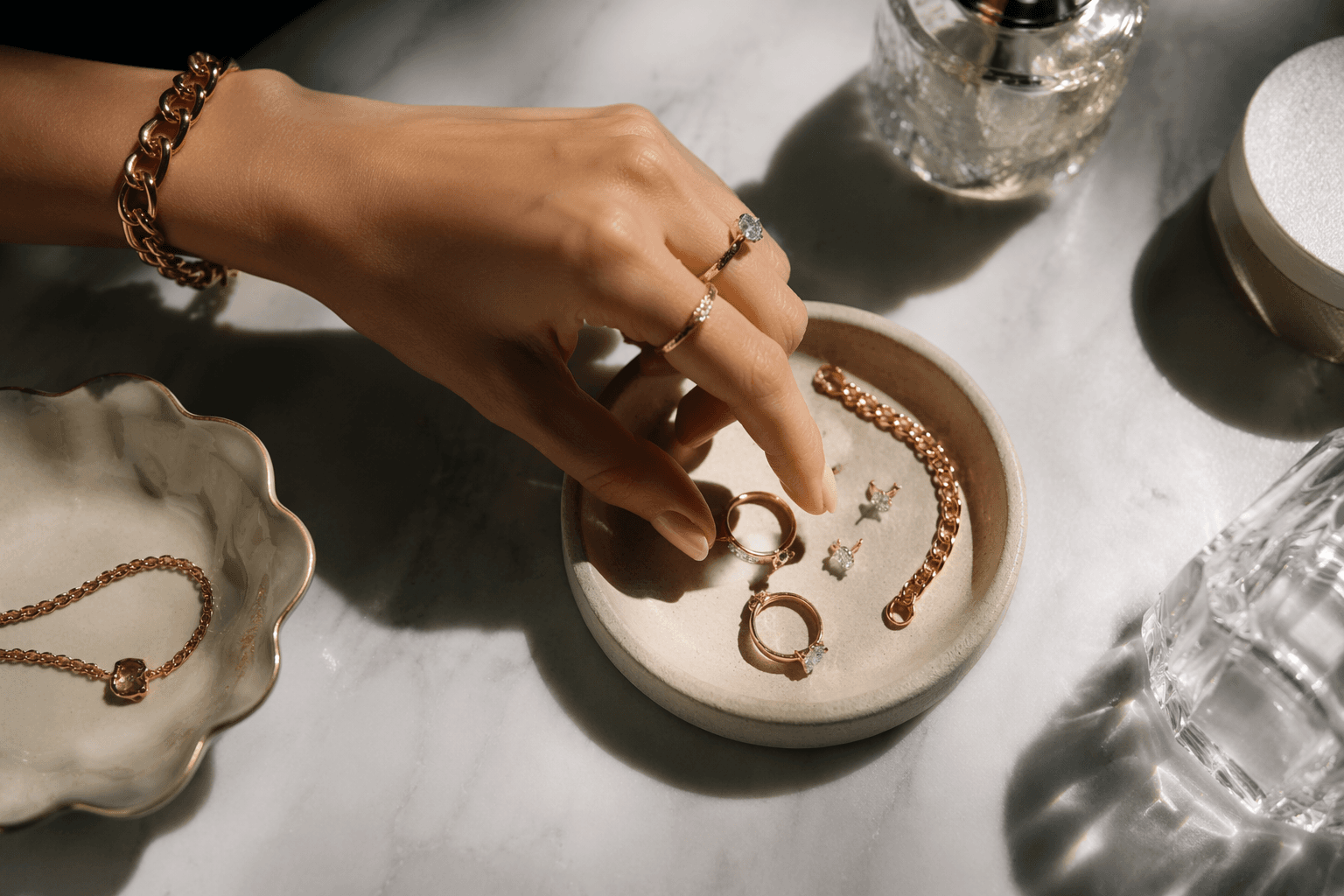
The modern diamond buyer is no longer waiting for a proposal to justify a stone. De Beers’ latest U.S. findings show that self-purchase and milestone dressing now drive three-quarters of natural-diamond demand, a shift that pushes personalized jewelry from sentimental extra to the main event.
Released June 11, The Diamond Report is based on the 2026 U.S. Diamond Acquisition Study, which surveyed 18,500 women ages 18 to 74. De Beers ranks natural diamonds as the most desired luxury jewelry product, ahead of lab-grown diamonds, other gemstones and plain gold jewelry, and says average purchase prices rose 25% in 2025 to $4,063 per piece, from $3,242 in 2023. Average total carat weight also climbed, to 1.86 carats from 1.65 carats two years earlier.
Gen Z is now the second-largest generation buying natural diamond jewelry and accounts for 23% of U.S. demand value, even though it represents 18% of the population. De Beers says that cohort spends almost twice as much as Baby Boomers, at $4,080 per piece versus $2,250, and buys or receives diamonds for 1.83 occasions a year, above the overall average of 1.7. Bridal still leads within Gen Z at 45% of purchases, but birthdays already make up 17%, and the company says promotions, new jobs, achievements and pieces bought “just because” are increasingly part of the diamond calendar.
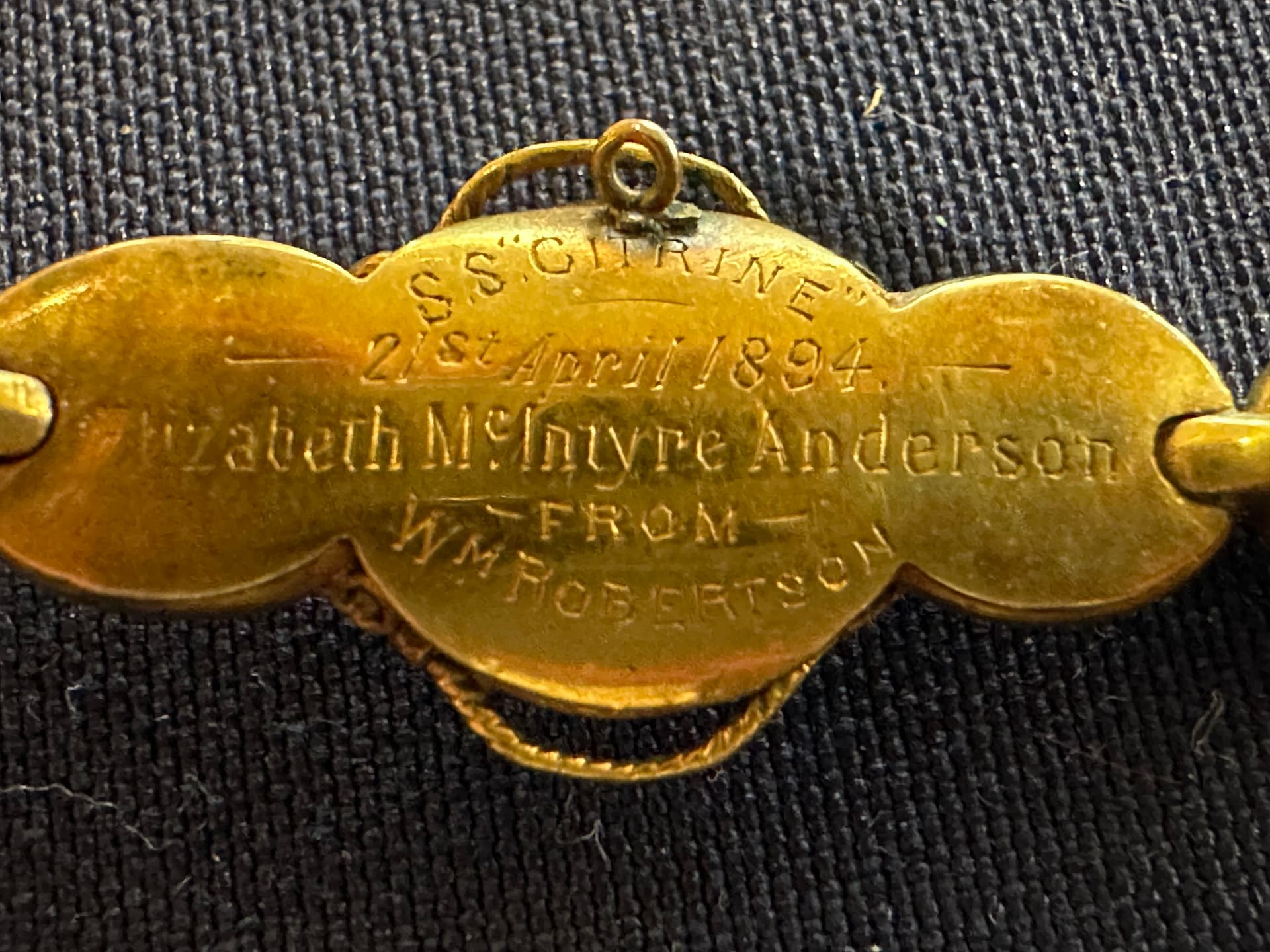
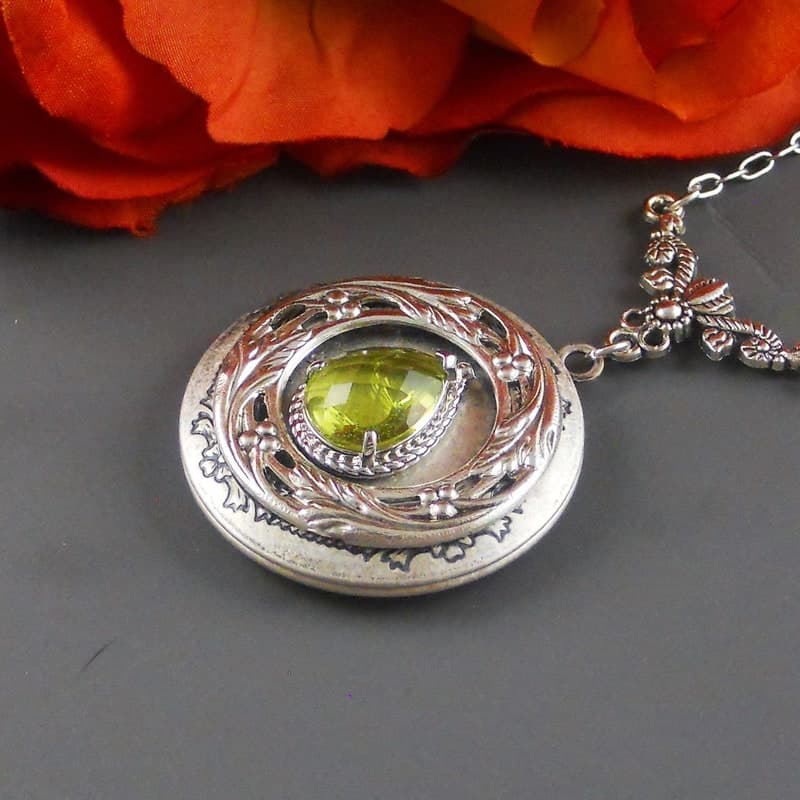
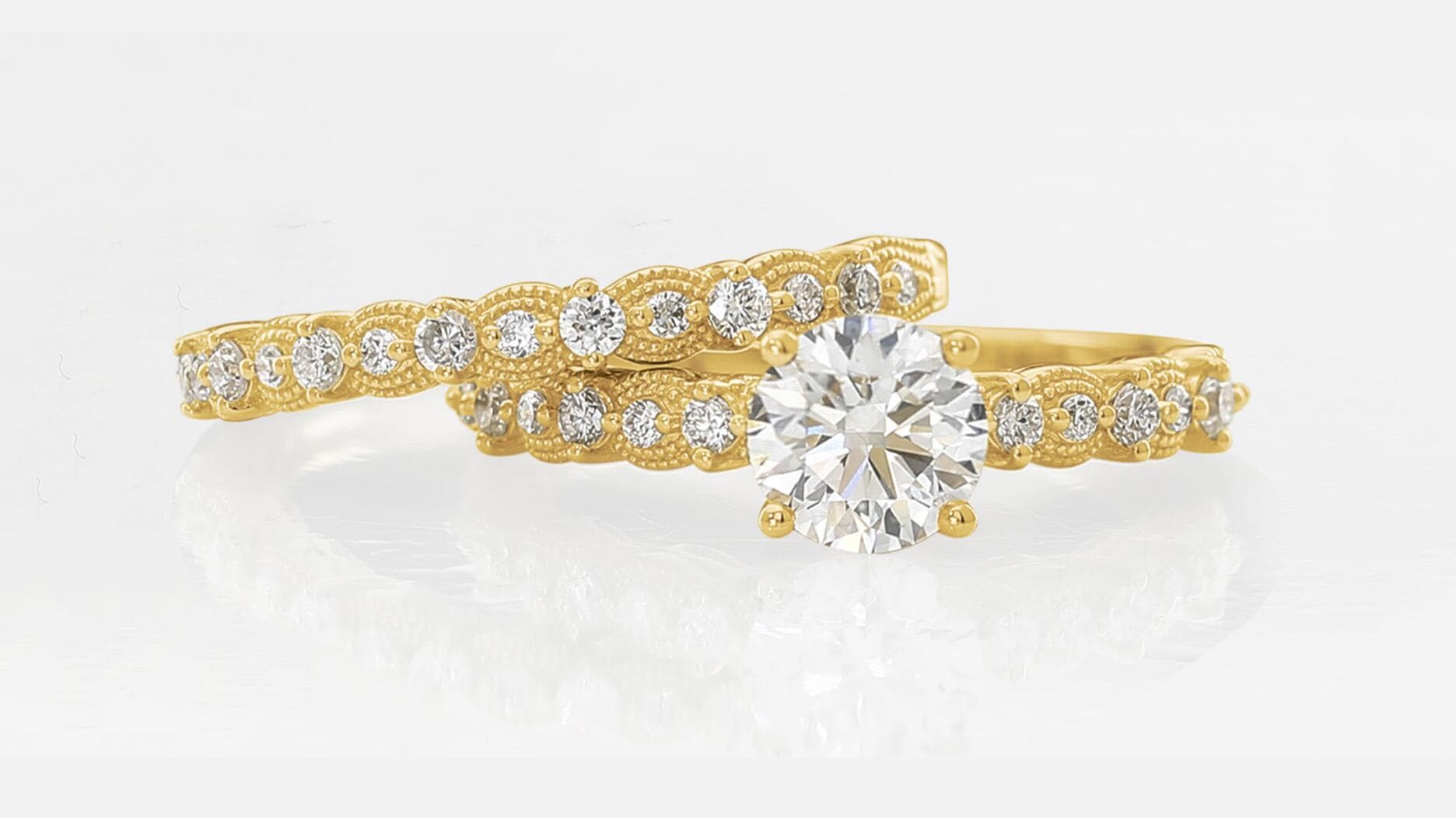
That is the logic behind the growing appeal of personalized jewelry. A ring engraved with a date, a pendant centered on an initial, or a stackable band set with a birthstone reads differently when the buyer is the wearer, not a partner. The strongest pieces in this climate are not trying to mimic bridal codes; they are built to be layered, reset and worn as a private archive of milestones, which gives small design decisions real weight, from a clean bezel that frames a stone to prongs that make a diamond feel less like a token and more like a declaration.
De Beers also places the shift in a longer history, from wartime campaigns that linked diamonds to everlasting devotion to the rise of female self-purchase in the 1970s. Diana Mitkov said the findings show consumers still aspire to own natural diamonds ahead of any other jewelry product, while chief executive Al Cook used the report to argue that the category remains deeply compelling even as society changes. A separate 2025 study found men spend 1.8 times more than women on natural-diamond jewelry and self-purchase 36% of newly acquired pieces, versus 30% for women, a reminder that the move toward self-directed buying is broadening, not narrowing. In that landscape, the most durable personalized jewels are the ones that can carry a personal story without needing a wedding to authorize it.
This article was produced by Prism’s automated news system from verified source data, official records, and press releases, then run through automated quality and moderation checks before publishing. The system is built and supervised by the people who set the standards it runs under. Read our full AI policy.
Did this article answer your question?