Global Personalized Jewelry Market Grows as E-Commerce and 3D Manufacturing Expand
Bridal custom rings now outnumber off-the-shelf purchases for nearly 7 in 10 couples, and understanding why reveals the quality divide personalization demand creates.
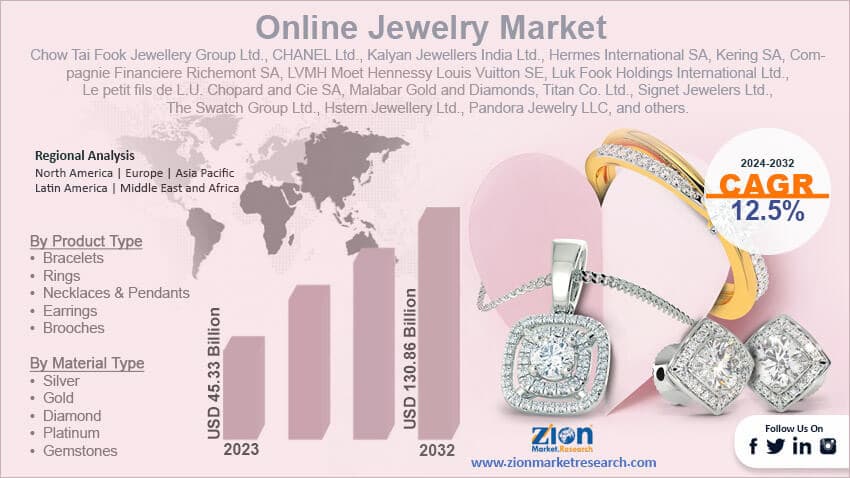
Sixty-eight percent of couples now choose customized rings over off-the-shelf designs, a figure that captures how thoroughly the generic era of fine jewelry has collapsed. What it does not show is the widening quality divide underneath: two-day turnarounds on laser-engraved pendants from e-commerce platforms sitting alongside four-to-eight-week lead times at independent bespoke studios, with complex designs involving 3D modeling or rare gemstone sourcing pushing even longer. That gap explains almost everything about where personalized jewelry is heading and who benefits from the shift.
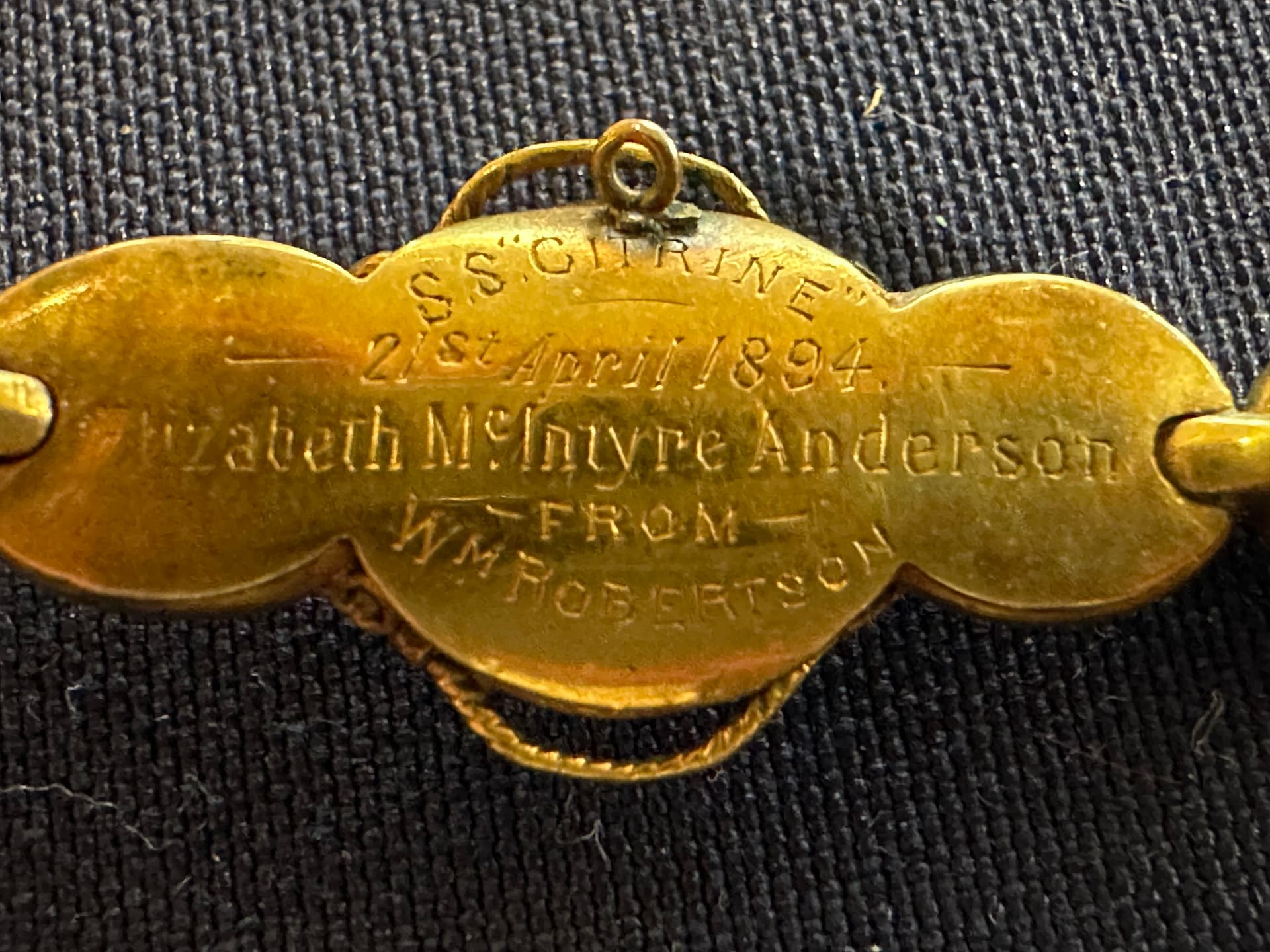
The speed difference comes down to manufacturing method. Laser engraving requires no tooling, meaning a jeweler can switch fonts, layouts, and symbols instantly, with no molds, no stamping dies, and no minimum order. Metal stamping, the older alternative, uses physical dies for each letterform, which works well for high-volume runs of a single initial but is costly to reconfigure for varied custom requests. Fast production fits gift urgency: engraving is quick, which supports next-day shipping, holiday rushes, and last-minute gifting in a way stamping simply cannot match at small volume.
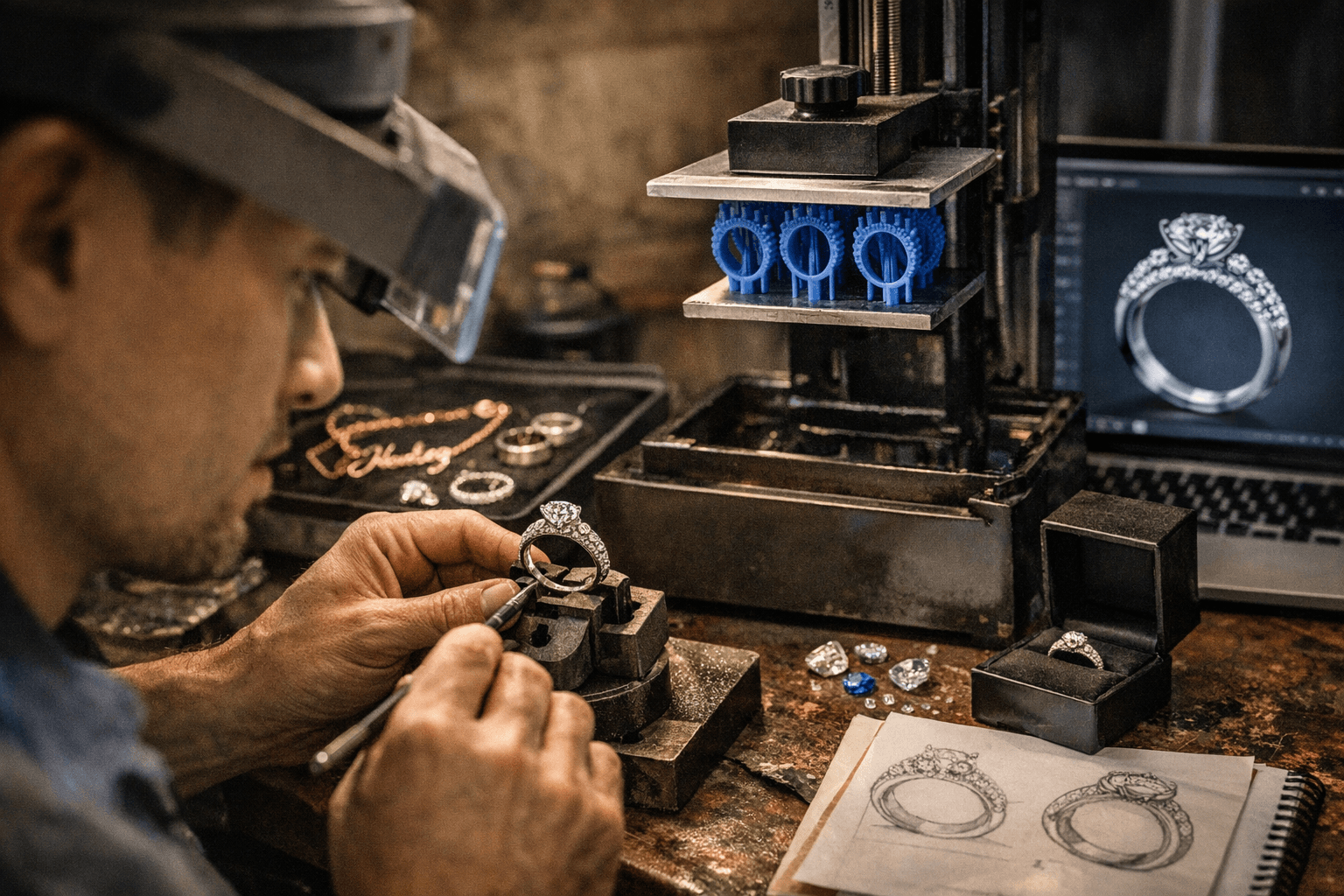
CAD software and 3D printing have reshaped ring and pendant design in similar fashion. What once required weeks of wax carving can now be rendered digitally, previewed by the client, and printed as a casting model within days. The integration of augmented reality tools by 41 percent of leading online jewelers allows customers to visualize their pieces before production, a step linked to a 34 percent decline in post-sale returns.
Speed and accessibility carry a corresponding quality risk. As personalized pieces proliferate across e-commerce, the difference between a well-made engraved necklace and a cheaply produced one is genuinely hard to spot at checkout. Plating thickness is the critical starting point. Standard gold plating runs one to three microns, covering the majority of typical gold jewelry; it is thick enough to withstand a fair amount of scratches and sweat, but not so thick that it breaks the bank. For daily-wear pieces, that range falls short. Two-and-a-half to five microns is recommended for long-term durability and premium quality, especially for vermeil jewelry, where thicker coatings offer better resistance and maintain a more lustrous look over time. Brands that do not publish micron counts are rarely the ones with the thicker plating.
Warranty language is equally diagnostic. A genuine craftsmanship warranty covers defects in the personalization itself: engraving that fades prematurely, settings that loosen, plating that lifts within normal wear. A return window is not a warranty. Asking whether a brand will re-engrave or replate a piece, and within what timeframe, separates the serious makers from the volume sellers.
Independent jewelers have felt the structural pressure acutely. Access to on-demand manufacturing pathways remains fragmented for smaller studios, while major platforms have calibrated buyer expectations around fast turnarounds and low add-on costs for engraving and birthstones, compressing the margin available to craftspeople working by hand.
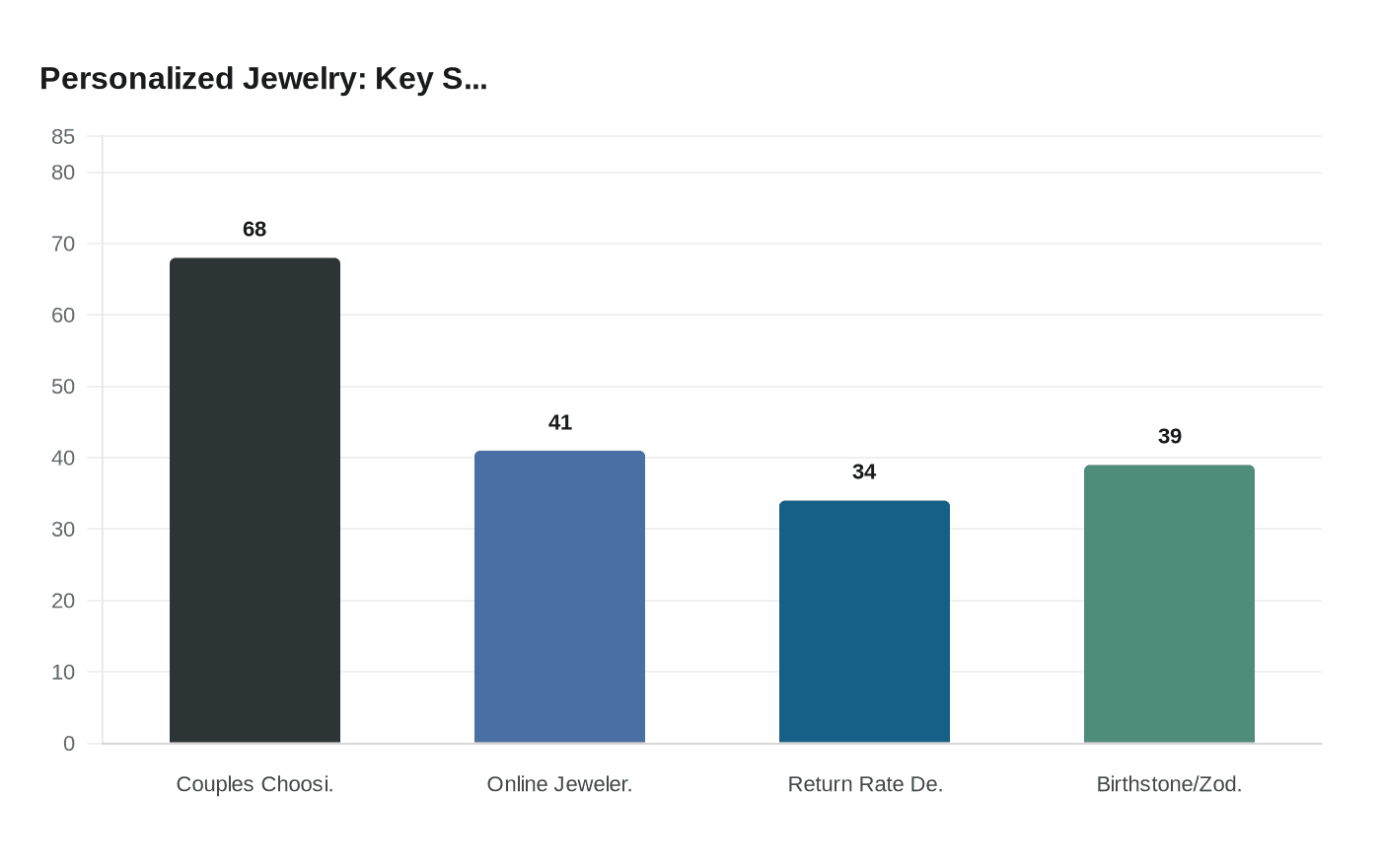
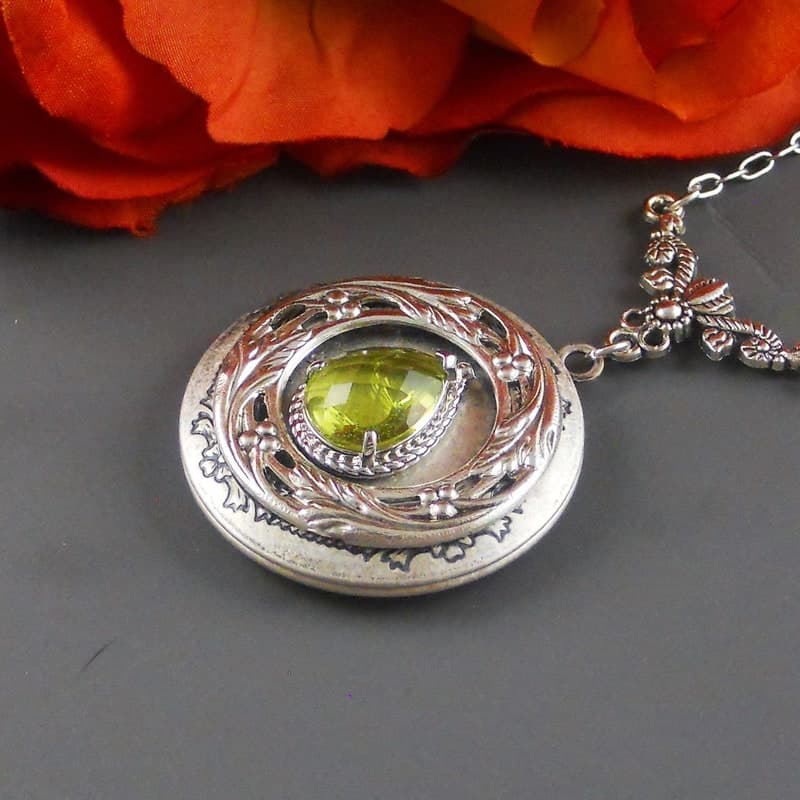
Birthstone and zodiac-based customization grew 39 percent year-over-year in 2023, and the pricing distortion that followed is visible in any category search. Once a platform offers an eight-dollar birthstone upgrade, that becomes the reference price regardless of whether the stone is a genuine garnet in a proper bezel setting or a dyed glass simulant pressed into a glued channel. The distinction is almost never visible in product photography.
The jewelers navigating this environment most effectively treat their product pages as an extension of the craft itself, disclosing base metal, engraving method, plating thickness, and stone origin alongside the price. In 2026, Etsy's handmade jewelry market is driven by personalized, minimalist pieces including initial necklaces, birthstone jewelry, and stacking rings, and top performers like CaitlynMinimalist and SilverRainSilver have shown that simple designs paired with quality craftsmanship continue to drive lasting success. That material transparency is now a competitive signal. For buyers deciding between an engraved coordinates necklace at $38 and one at $140, knowing the plating depth and base metal is the only information that actually predicts which piece will still look like itself in two years.
This article was produced by Prism’s automated news system from verified source data, official records, and press releases, then run through automated quality and moderation checks before publishing. The system is built and supervised by the people who set the standards it runs under. Read our full AI policy.
Did this article answer your question?