How hand engraving gives personalized jewelry heirloom appeal
The name matters less than the cut: hand engraving gives personalized jewelry depth, texture, and permanence that machine work cannot quite match.

A set of initials on a ring, pendant, or bracelet can look entirely different depending on how the metal is engraved. Personalized jewelry is often sold as a name, a date, or a set of initials. The more revealing choice sits underneath that message: how the piece is engraved, and what that method does to the surface. Hand engraving, machine engraving, and laser engraving each leave a different visual signature, and that difference is what gives a ring, pendant, or bracelet its everyday wearability or heirloom presence.
Why hand engraving reads as heirloom jewelry
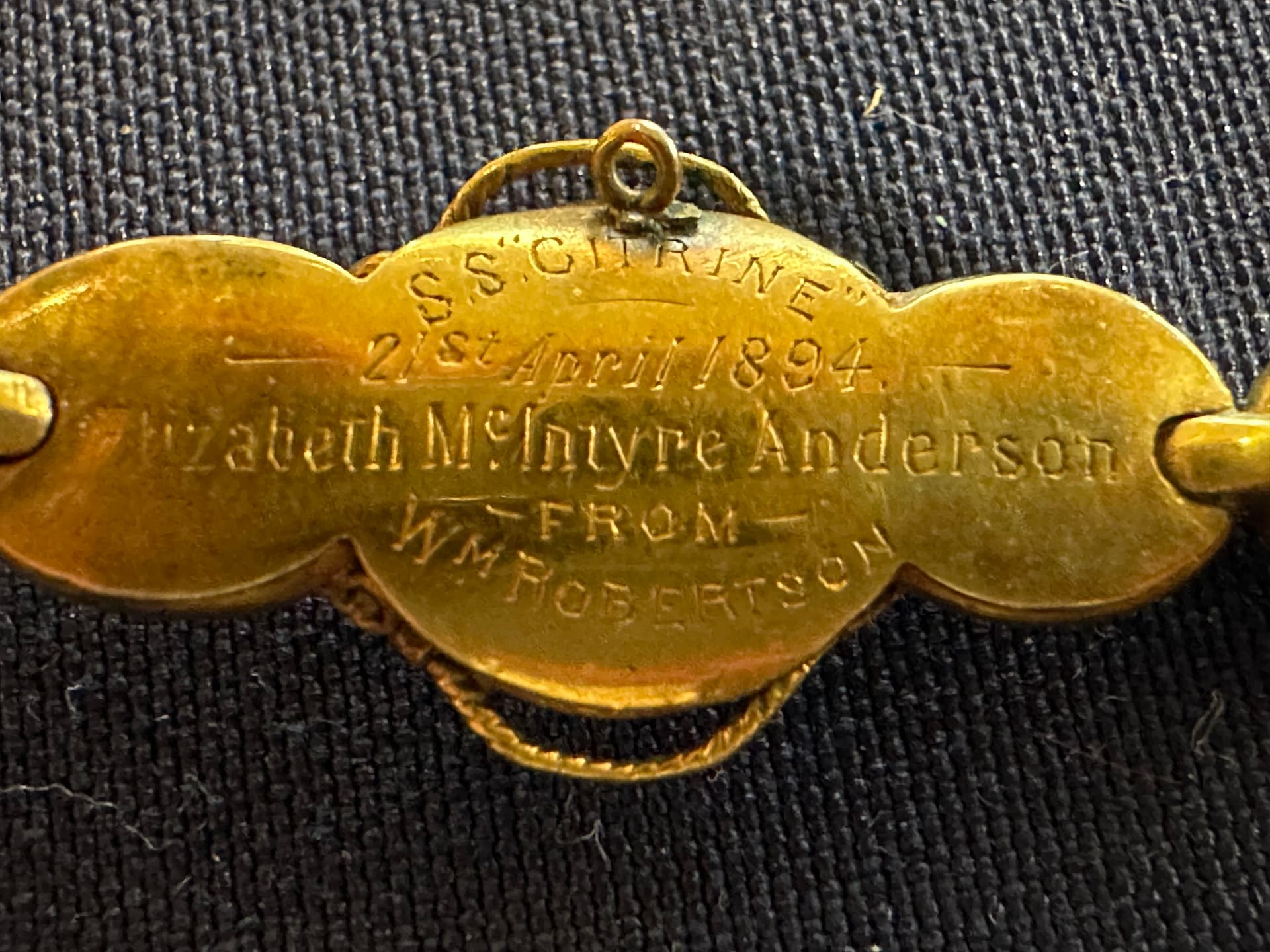
Engraving is the process of cutting or carving a permanent design into a hard surface, and hand engraving still has the most unmistakable character. Traditional hand engraving is ornamental work done with tiny steel gravers, and those tools can be pushed by the palm, struck with a chasing hammer, or driven by a pneumatic device. The graver shapes themselves are part of the look: onglette, knife, bevel, line, flat, and round all produce slightly different marks, which is why hand engraving can carry subtle shifts in line width and depth within the same design.
That variation is what shoppers see as warmth. A hand-engraved monogram does not look mechanically uniform. It has bite, texture, and small changes in pressure that catch light differently across the metal. Machine methods cannot truly replicate the look and feel of hand engraving, and the work takes skill, time, and a steady hand. Mistakes are difficult to correct.
The oldest personalization story in jewelry
The emotional appeal of engraving is older than the modern gift box. Carved gemstones and engraved ring stones were used in antiquity as signets and seals, impressed into clay or wax to establish ownership, confirm legal documents, and protect privacy. Some inscribed stones even carried writing in mirror reverse because they were meant to make an impression, not be read directly on the jewel.
What each engraving method looks like on the finished piece
The most useful shopping question is not simply what to engrave, but where the engraving will sit and which tool can handle that surface cleanly. The field falls into manual engravers, digital engravers, and laser engravers, and each one makes a different kind of object.
Manual engravers use metal templates and diamond styluses, making them the easiest and most affordable entry point into engraving. They suit flat surfaces such as nameplates and certain pendants, and they can even work on the inside of a ring. The result is practical and familiar, especially when the piece is meant for clear lettering rather than dramatic ornament.
Digital engravers expand the possibilities. They can handle flat, curved, and cylindrical surfaces, which makes them useful for rings, cuffs, and rounded pieces that would challenge simpler setups. They also support a wider range of fonts, so a buyer who wants a cleaner script or a more graphic look has more options before the cut is made.
Laser engraving is the most precise of the three for detail and speed. It is especially suited to detailed images and production-scale personalization, which matters when the design includes tiny lettering, symbols, or photo-like imagery.
How surface shape changes the result
A personalized bar necklace, a ring shank, and a curved cuff are not interchangeable canvases. Stuller’s Canova laser workflow uses SAMLIGHT for flat surfaces and Marko software for inside-ring engraving. Inside-band engravings are typically done at 70 degrees, a small technical detail that changes how the mark sits on the ring’s interior curve and how comfortably it is read later.
Stuller’s newer Best Built laser setup engraves the inside and outside of rings, bangles, and pendants on flat or curved surfaces. It can also handle circumferential engraving, deep engraving, color marking, and photo marking, along with serial numbers.
What to look for when you want a piece to last
Durability in engraved jewelry is not just about the metal. It is about how deep and legible the mark remains after years of wear, polishing, and handling. Hand engraving tends to offer the richest depth and the most tactile texture, which is why it often feels best suited to heirloom gifts, signet-style rings, and pieces meant to be passed down. Machine and laser methods can be sharper, faster, and more economical, which makes them smart for everyday wear or for designs that depend on exact lettering and repeatability.
- Choose hand engraving when you want visible craftsmanship, depth, and a softer, more individual line.
- Choose manual or digital engraving when you want dependable lettering on flatter or more standardized forms.
- Choose laser engraving when the design requires fine detail, speed, or highly controlled imagery.
For shoppers, that means the look should match the life of the piece:
Why personalization is still a serious jewelry category
De Beers Group’s June 2026 Diamond Report draws on research with 18,500 women in the United States, finds natural diamonds are the most desired luxury jewelry product, and finds average purchase prices have risen 25 percent. It also finds Gen Z is now the second-largest generation buying diamonds, while non-bridal occasions account for three-quarters of overall U.S. diamond demand.
This article was produced by Prism’s automated news system from verified source data, official records, and press releases, then run through automated quality and moderation checks before publishing. The system is built and supervised by the people who set the standards it runs under. Read our full AI policy.
Did this article answer your question?