How to Clean and Preserve Personalized Jewelry in 2026
Keep personalized pieces beautiful with gentle routines: warm water, mild soap, soft brushes, and material-specific steps for diamonds, silver, gold, pearls and plated finishes.
1. Quick cleaning method (the five-step routine)
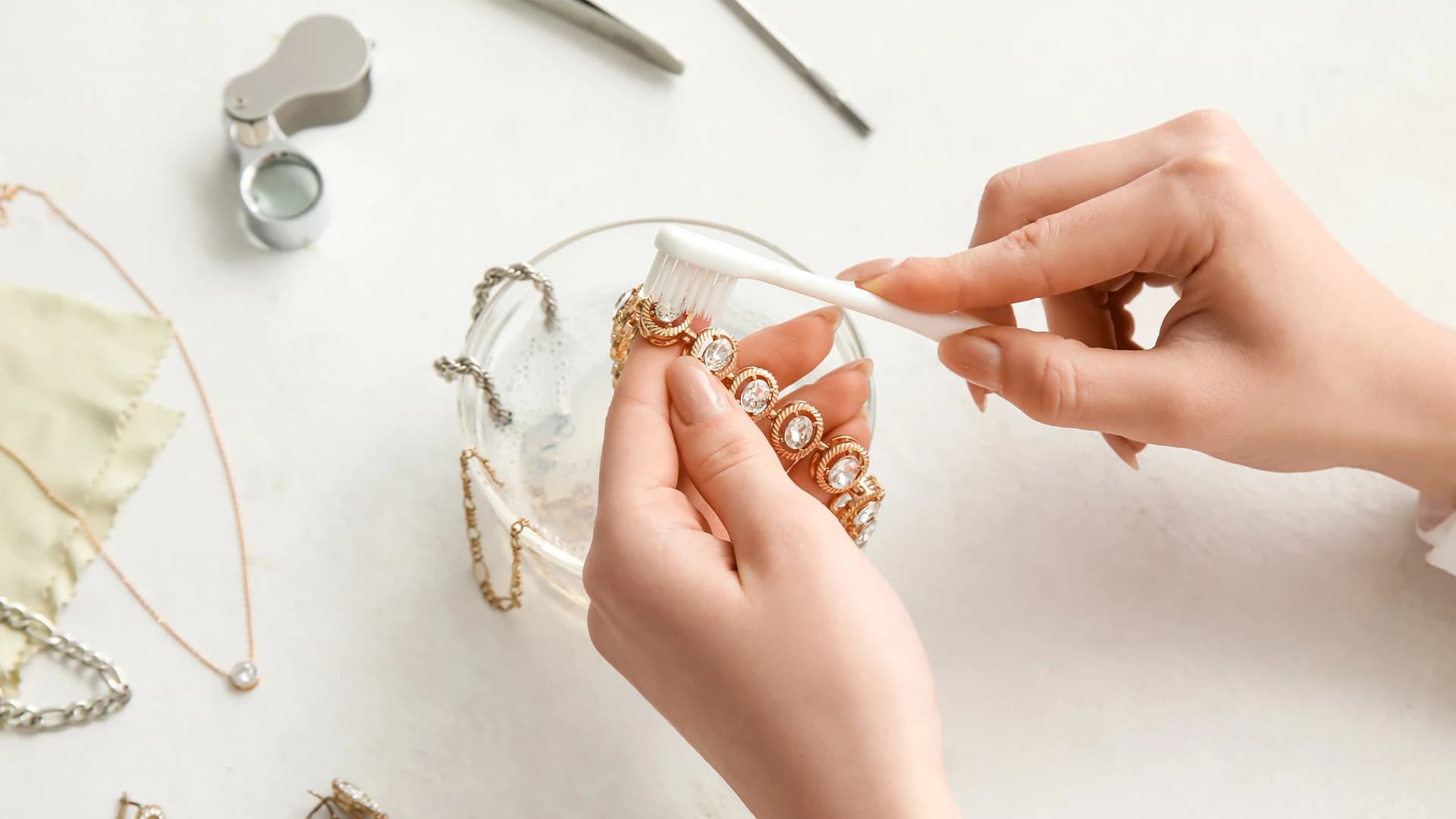
Mix warm water with a few drops of mild dish soap. Soak jewelry for 20–30 minutes (except pearls, opals, and porous stones). Gently scrub with a soft-bristled toothbrush. Rinse thoroughly under warm water and dry completely with a soft, lint-free cloth. These five steps come from a practical "Quick Answer" used by jewelers as a baseline for most non‑porous metal-and-stone pieces; treat the soak time and the pearl/opals exclusion as essential caveats.
2. Diamond care and frequency
Diamonds require routine attention because "diamonds are grease magnets by nature, making them difficult to keep clean." Rinse your diamond jewelry once or twice a week in a gentle degreasing solution such as warm water with a few drops of mild dish detergent, then use a soft, clean toothbrush to remove remaining debris. Avoid aggressive cleaning if the mount is delicate; Gabriel & Co. specifically warns that fragile settings need special handling. If your diamond sits in a tension setting or antique early-prong mount, skip vigorous scrubbing and consult a professional before attempting deeper cleaning.
3. Pearls, opals and porous stones: don’t soak
Pearls, opals and porous gems must not be soaked in cleaning solutions; the baseline routine expressly excludes these materials. Instead, wipe them gently with a soft, slightly damp cloth and dry immediately; for many delicate jewels, "a simple, soft, dry cloth may be all that's needed to restore their shine." Avoid detergents, vinegar soaks, and any abrasive paste on these stones because they absorb moisture and chemicals that can alter luster or damage the surface.
4. Silver: conflicting advice and best practice
There is split guidance on silver care. One recommended method is: "For silver jewelry that is beginning to tarnish, create a paste with baking soda and water. Gently apply to the silver with a soft cloth or sponge, then rinse and dry. Avoid this method for jewelry containing delicate stones, as bicarbonate can be too abrasive." Conversely, another authoritative source cautions: "When learning how to clean silver jewelry, avoid toothpaste or baking soda pastes that can scratch the surface. Instead, use gentle cleaning solutions and polishing cloths designed specifically for silver." Because sources disagree, treat baking-soda pastes as conditional: they can work on plain sterling pieces but avoid them on mixed‑metal or stone-set items and verify with your metalsmith. When in doubt, use a soft polishing cloth made for silver and frequent light cleaning rather than abrasive pastes.
5. Gold and gold-plated items: vinegar recipe and cautions
For gold and gold-plated jewelry, one practical recipe is to mix one part white vinegar with two parts water and leave the jewelry to soak for 10–15 minutes, then rinse thoroughly and dry. The same guidance includes an explicit caveat: "Avoid this method for jewelry with precious stones, as the acidity of vinegar can damage some stones." That 10–15 minute vinegar soak is a material-specific technique useful for plain gold surfaces; always remove any set stones first or choose a milder soap-and-water routine around gemstones.
6. Plated pieces and professional plating services
When plated finishes have worn thin, professional replating is often the safest option. Some ateliers now offer "expert plating services" that restore colour and brightness "without replacing anything." Because replating alters the surface thickness and adhesion, expect this to be a service rather than a reliable at-home fix; bringing plated heirlooms to a specialist preserves the original design and keeps engraved or personalized surfaces intact.
7. Fragile settings, repairs and servicing
If you find loose stones, broken clasps, or a warped band, seek professional repair rather than forcing at-home fixes. Services commonly offered include "tightening loose stones," "fixing clasps and chains," "polishing surfaces," and "replacing worn components." Madeyoulook reminds owners that "Many people wait until something breaks. We encourage you to give your most-loved jewellery support before that happens." Regular checkups for wedding bands, engagement rings and go-to necklaces prevent long-term damage and protect inscriptions, engraving and prongs.
8. Storage: compartments, moisture control and travel tips
Designate storage areas and compartmentalize by metal type and stone type to prevent scratches and chemical cross-reactions. Begin by setting aside staples and occasional-wear pieces, then organize to avoid letting items that tarnish contact others. For silver, "Silver jewelry stays in its best form when stored in a jewelry box lined with felt, or preferably in a soft-lined box or case, where it won't entangle, scrape, or damage other items. The fabric absorbs away moisture and prevents tarnishing." While traveling, keep chalk or silica packets in your jewelry container carrying silver jewelry to control humidity and reduce tarnish.
9. Daily-wear checklist and quick inspections
Start with the pieces you wear every day, "Wedding bands, engagement rings and go to necklaces are constantly exposed to soap, lotion, cold weather and everyday bumps." Give those items a quick visual check for loose stones, worn prongs or kinked chains before and after travel or heavy activity. Frequent light cleaning (a rinse, a soft brush and a dry cloth) is preferable to aggressive scrubbing after tarnish or grime has set in.
10. Tools, solutions and supplies to keep on hand
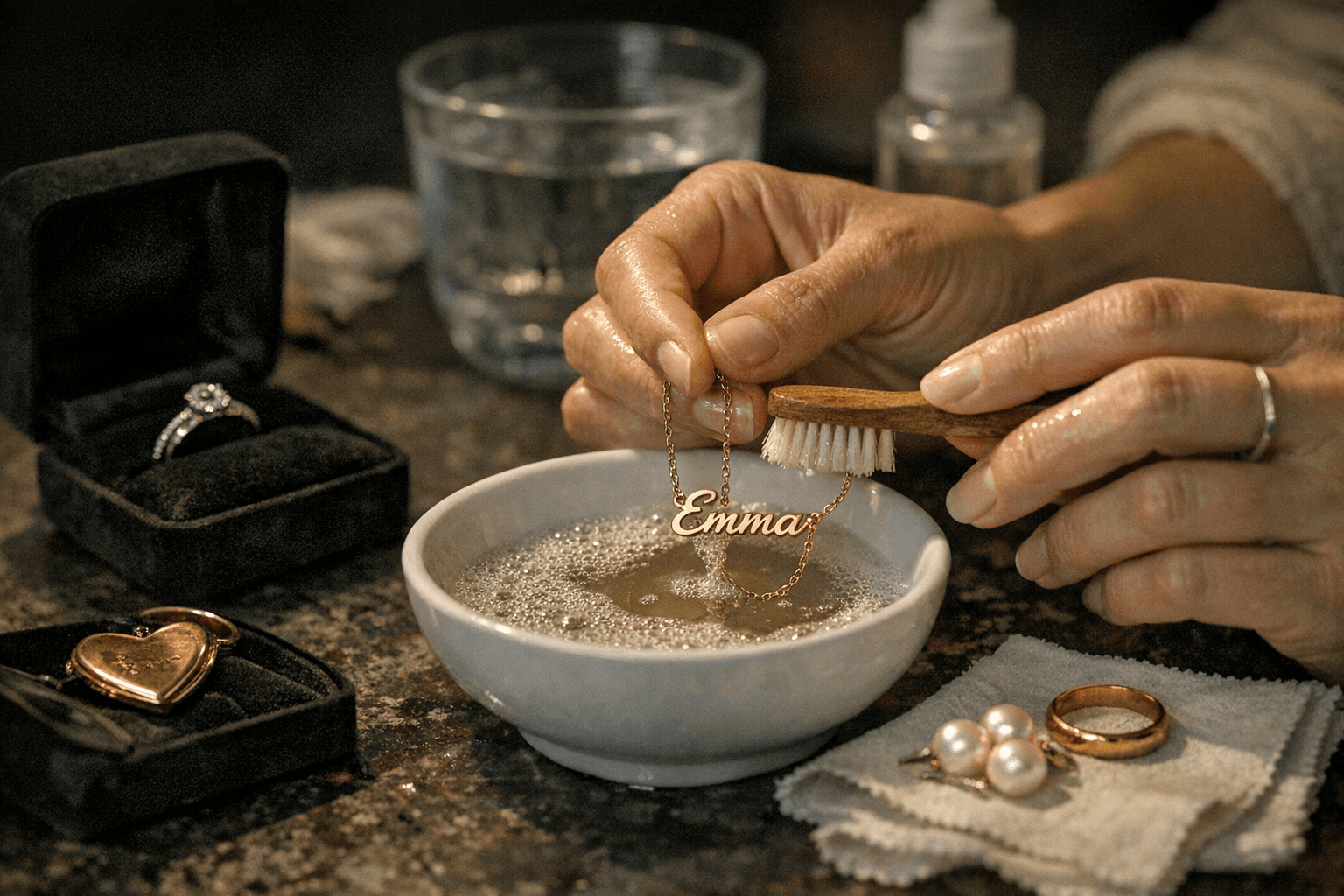
Stick to a short toolkit: warm water, mild dish soap or detergent, a soft-bristled toothbrush, a soft, lint-free cloth and polishing cloths designed for specific metals. For travel, pack small silica or chalk packets. Optional household recipes from brand guides include a baking soda-water paste for tarnished silver and a one-part-vinegar-to-two-parts-water soak for gold, but both carry material-specific caveats and should not be used near delicate or precious stones.
11. Polishing and shining: gentle technique
Polishing should restore, not remove, surface detail. Use soft cloths and light, deliberate strokes for gold and silver; avoid toothpastes or harsh abrasives that can scratch or remove plating. Madeyoulook lists "polishing surfaces" among routine services, which is a reminder that stubborn dulling or micro-scratches are often better handled by a professional polisher than with aggressive home techniques.
12. Personalization, engraving and sentimental preservation
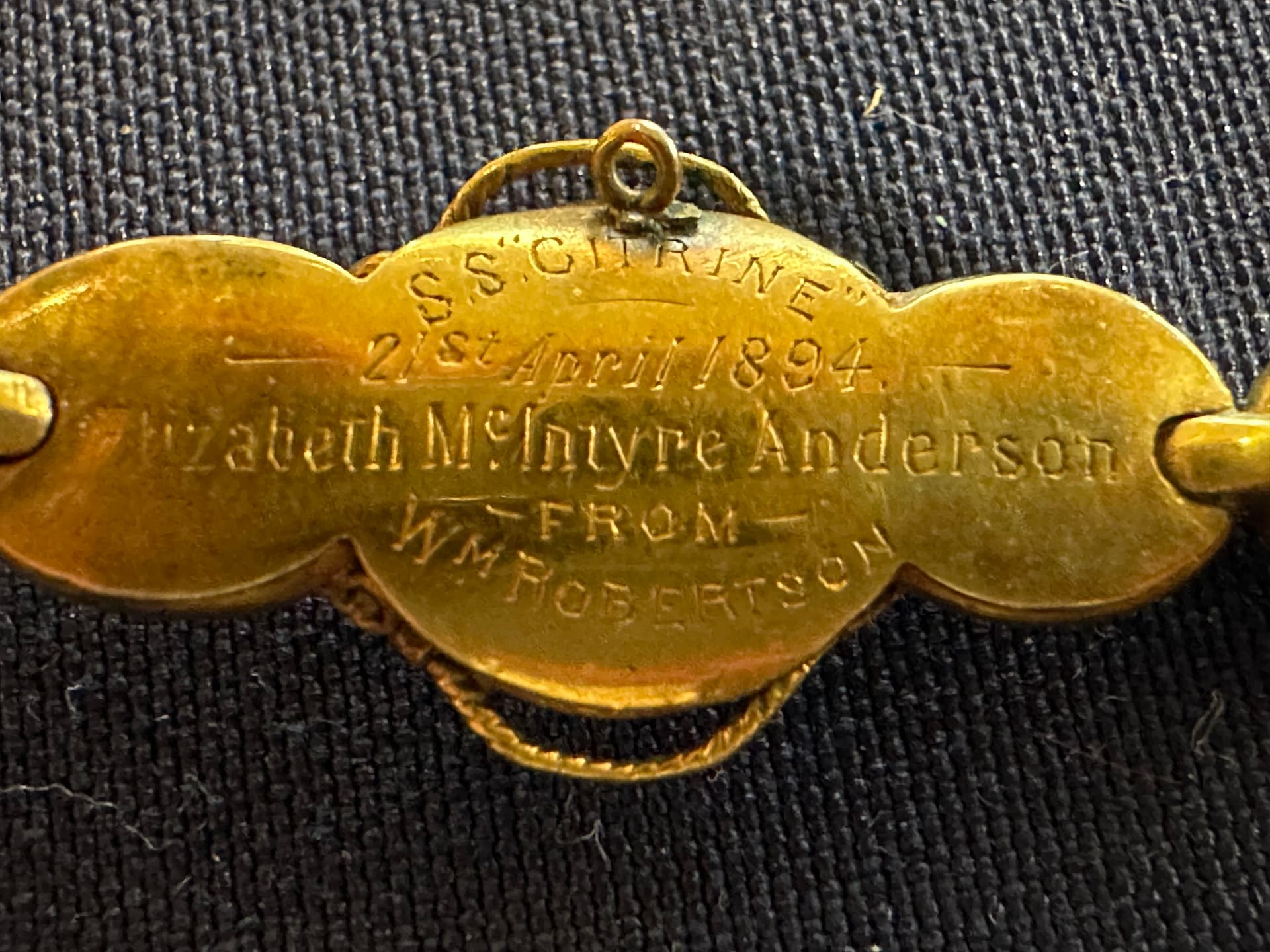
Engraved, monogrammed or otherwise personalized pieces have added emotional value and specific care needs: "Sometimes, a small detail makes the biggest impact. Engraving turns a beautiful piece into a meaningful one. It can mark a date, a name, a symbol or even a private message meant only for you." If you live in or near Toronto, some vendors note "We make that easy right here in Toronto, with services that keep your best pieces looking and feeling their best." Preserve the clarity of engravings by avoiding abrasive polishes directly over inscriptions and by asking your repair shop to protect or re-engrave worn lettering when necessary.
13. When to seek a professional and service options
If you’re unsure whether a cleaning method is safe, especially for antique mounts, tension settings or pieces with mixed materials, consult a pro. Many jewelers and ateliers provide the full suite of services: "Tightening loose stones," "Fixing clasps and chains," "Polishing surfaces," "Replacing worn components" and plating. Jewelry retailers also pose practical consumer questions such as "Should I go for Professional Jewelry Cleaners?", a reminder that professional evaluation is appropriate for valuable, sentimental or complex pieces.
14. Conflicts and red flags you should not ignore
Two clear conflicts appear in brand guidance and should change how you proceed. One is silver care: one guide recommends a baking soda paste for tarnish, while another warns "avoid toothpaste or baking soda pastes that can scratch the surface." The other is soak timing and solution specificity, general 20–30 minute soaks for many pieces versus a 10–15 minute vinegar soak recommended specifically for gold. Treat these differences as material-specific rules rather than interchangeable tips: test nothing on a visible area, avoid abrasive pastes on set stones, and when advice conflicts, confirm with a metalsmith or the original manufacturer.
15. A real-world example and what it teaches
A complex yet sophisticated design like this "14K Yellow Gold 24-inch Diamond Necklace with Diamond Cut Texture in leaf shape should follow the same suit." SKU NK7262Y45JJ illustrates how multi-element personalized pieces combine metal finishing, diamond settings and surface texture; that combination demands measured, material-aware care: mild cleaning for the gold, soft brushing around the diamonds, and professional polish or replating if the surface loses its texture or color.
Final note Personalized jewelry rewards careful routines: modest, regular cleaning and smart storage preserve metal, stones and inscriptions far better than episodic, aggressive fixes. Keep a small home kit for routine care, learn the specific rules for diamonds, pearls, silver and plated finishes, and when materials or settings are fragile, or sources disagree, bring the piece to a trained jeweler for service. In an age of bespoke detailing, thoughtful preservation is the best way to keep stories, and stones, intact for the next generation.
This article was produced by Prism’s automated news system from verified source data, official records, and press releases, then run through automated quality and moderation checks before publishing. The system is built and supervised by the people who set the standards it runs under. Read our full AI policy.
Did this article answer your question?