Jewelers turn websites into luxury experiences with personalization and story
Personalized jewelry sells best when the website feels like a private consultation, with story, customization, and trust signals guiding every click.
The website has to feel like the first consultation
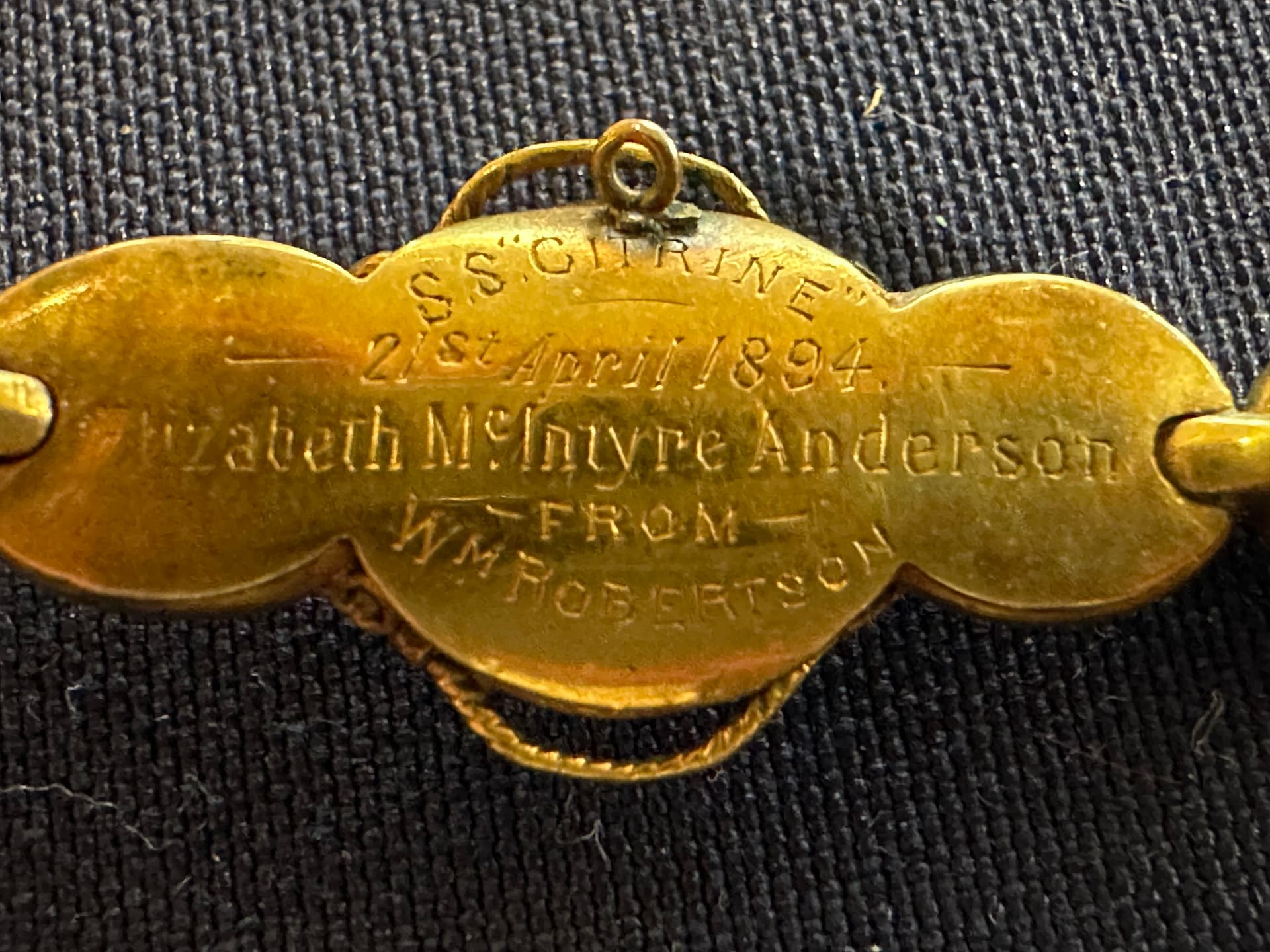
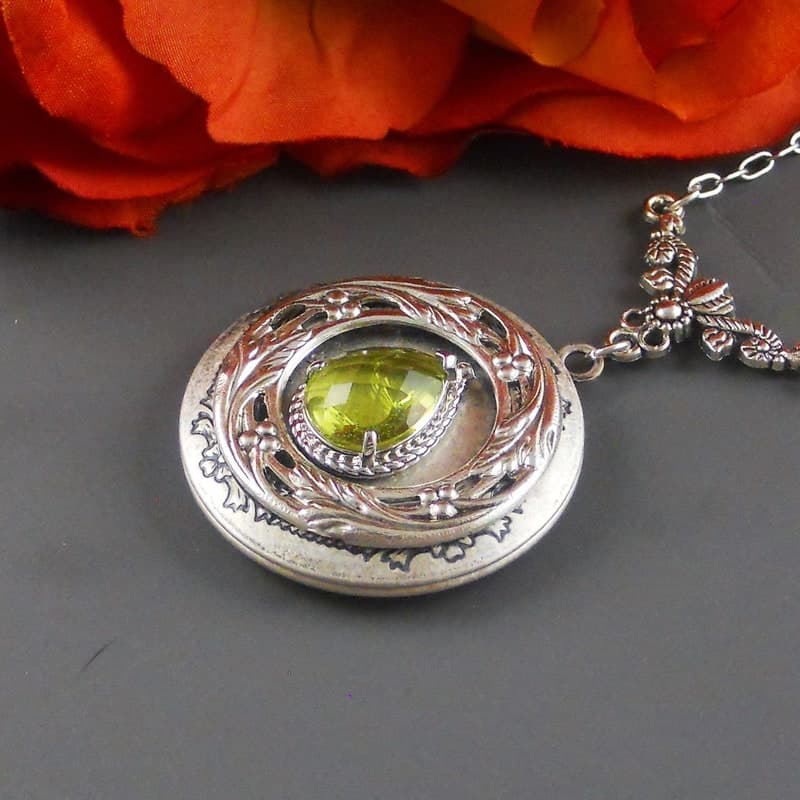
Personalized jewelry is rarely a quick add-to-cart decision. A buyer is often imagining a daughter’s name in gold, a mother’s birthstone, a wedding date, or a message that turns a ring or pendant into a keepsake, which is why National Jeweler’s Emmanuel Raheb argues that jewelers need to borrow luxury fashion’s emotional playbook online. The winning move is not a denser catalog; it is a website that feels like the first private appointment, where the piece is introduced through story, craft, and a clear path to commissioning.
That approach matters because personalized jewelry sits at the intersection of identity and investment. The shopper is not just comparing carat weights or chain lengths. She is deciding whether a piece will be worn every day, handed down, or given at a milestone, and the site needs to answer that emotional brief with the same confidence a salon associate would bring to a showroom conversation.
Why the digital moment is bigger than one category
The luxury backdrop explains the urgency. Bain & Company said global luxury spending was expected to reach nearly €1.5 trillion in 2024, roughly flat versus 2023, while the personal luxury goods market was forecast to fall 2 percent to €363 billion, its first contraction in 15 years excluding Covid. Bain also said the customer base is shrinking as price increases and economic uncertainty make luxury buyers more selective, which means every digital touchpoint has to work harder to build trust and justify desire.
That is especially true in jewelry, where Statista projects the global jewelry market will reach US$408.64 billion in 2026, and separately puts the 2024 global luxury jewelry market at about 31 billion euros. Statista also points to rising North American demand for personalized, handcrafted pieces, a sign that shoppers in the United States and across the region are looking for jewelry that feels authored rather than mass-produced.
McKinsey’s earlier digital-luxury analysis makes the online stakes even clearer. It estimated online sales accounted for 8 percent of the €254 billion global luxury market and projected online luxury sales would more than triple to about €74 billion by 2025. In other words, the website is no longer a brochure; it is where luxury is now interpreted, compared, and often commissioned.
What luxury houses are already teaching the market
The strongest luxury jewelry sites are already moving beyond static merchandising. Tiffany & Co. has a dedicated Personalized Jewelry section and describes personalization as a House tradition, with pieces that can be engraved, embossed, or etched with a monogram, date, or message. That matters because it gives the shopper both romance and precision: the site does not merely say a piece is personalizable, it names the methods.
Cartier takes a similarly clear path with official pages for personalizable jewelry and engraving, and it does something many retailers still avoid, it states that some personalized purchases are final sale and may require two additional business days for delivery. That kind of disclosure is not a footnote, it is part of the luxury experience. When a site is upfront about turnaround and policy, it signals that customization is being handled as a bespoke service rather than a vague option added at the end of checkout.
De Beers Group extends the same logic through storytelling. Its Origin platform is designed to show the journey a natural diamond takes, which is exactly the sort of transparency that can deepen trust when a buyer is weighing a personalized engagement ring, a milestone pendant, or a one-of-a-kind gift. In personalized jewelry, story is not decoration. It is part of the value proposition.
The features that actually change a buying decision
A luxury jewelry website should do three things well: show the object, explain the object, and guide the commission. That means visual customization tools that let a shopper see how an initial, gemstone, chain length, or metal choice changes the final piece, but it also means story-led product pages that describe why the design exists, who it is for, and how it is made.
The most persuasive pages are the ones that remove doubt. They clearly state materials, personalization methods, lead times, and whether the item is final sale. They also distinguish between a standard SKU and a made-to-order commission, because the buyer of a bespoke necklace or engraved bracelet is not only choosing style, she is agreeing to a process.
- clear language about natural diamonds, metals, and any engraving or embossing process
- visible lead times, shipping windows, and delivery adjustments for made-to-order pieces
- simple commissioning paths that explain how a design is confirmed before production
- provenance storytelling that names the journey, not just vague claims about craftsmanship
Trust-building cues matter just as much as imagery:
That last point is especially important for sustainability-minded shoppers. If a brand wants credit for responsible sourcing, it should say where a stone came from, how a piece is finished, and what the buyer is actually getting. Vague language about ethics or heritage does not carry the same weight as specific details.
Luxury loyalty now lives online
Deloitte’s 2024 Consumer Loyalty Survey found that consumers increasingly want personalized, flexible, digital-centric loyalty programs, and its 2026 Global Powers of Luxury report says customer experience and loyalty are the strongest growth opportunities, cited by 28.6 percent of executives. That is a powerful reminder that personalization is not only about the item being sold; it is also about how the brand remembers the customer, anticipates the next occasion, and makes the process feel continuous.
For personalized jewelry, that means the website should work like a clienteling tool. A returning buyer should be able to move from one commission to the next without starting over, while a first-time buyer should feel guided from inspiration to order confirmation. When the site gets this right, it captures the exact kind of emotional moment luxury depends on: a name, a date, a birthstone, a milestone, and the feeling that the piece was meant for one person, not the crowd.
That is the standard now. In a market where spending is flattening, the audience is shrinking, and digital sales keep climbing, the luxury jewelry website has to earn its place as the first and most persuasive consultation.
This article was produced by Prism’s automated news system from verified source data, official records, and press releases, then run through automated quality and moderation checks before publishing. The system is built and supervised by the people who set the standards it runs under. Read our full AI policy.
Did this article answer your question?