Jewelers Who Are Moms Share Meaningful Mother’s Day Jewelry Picks
The strongest Mother’s Day jewelry feels wearable first, sentimental second, with birthstones, engravings, and quiet-luxury gold leading the way.
What feels personal enough for Mother’s Day
The most convincing Mother’s Day jewelry right now is not the piece that shouts the loudest. It is the one she can wear to school drop-off, to the office, and to dinner without feeling dressed up for the occasion. That is the direction three jeweler-moms point to in American Gem Society’s Mother’s Day guide: jewelry that feels personal, effortless, and easy to live in, rather than a one-time gesture that sits in a box.
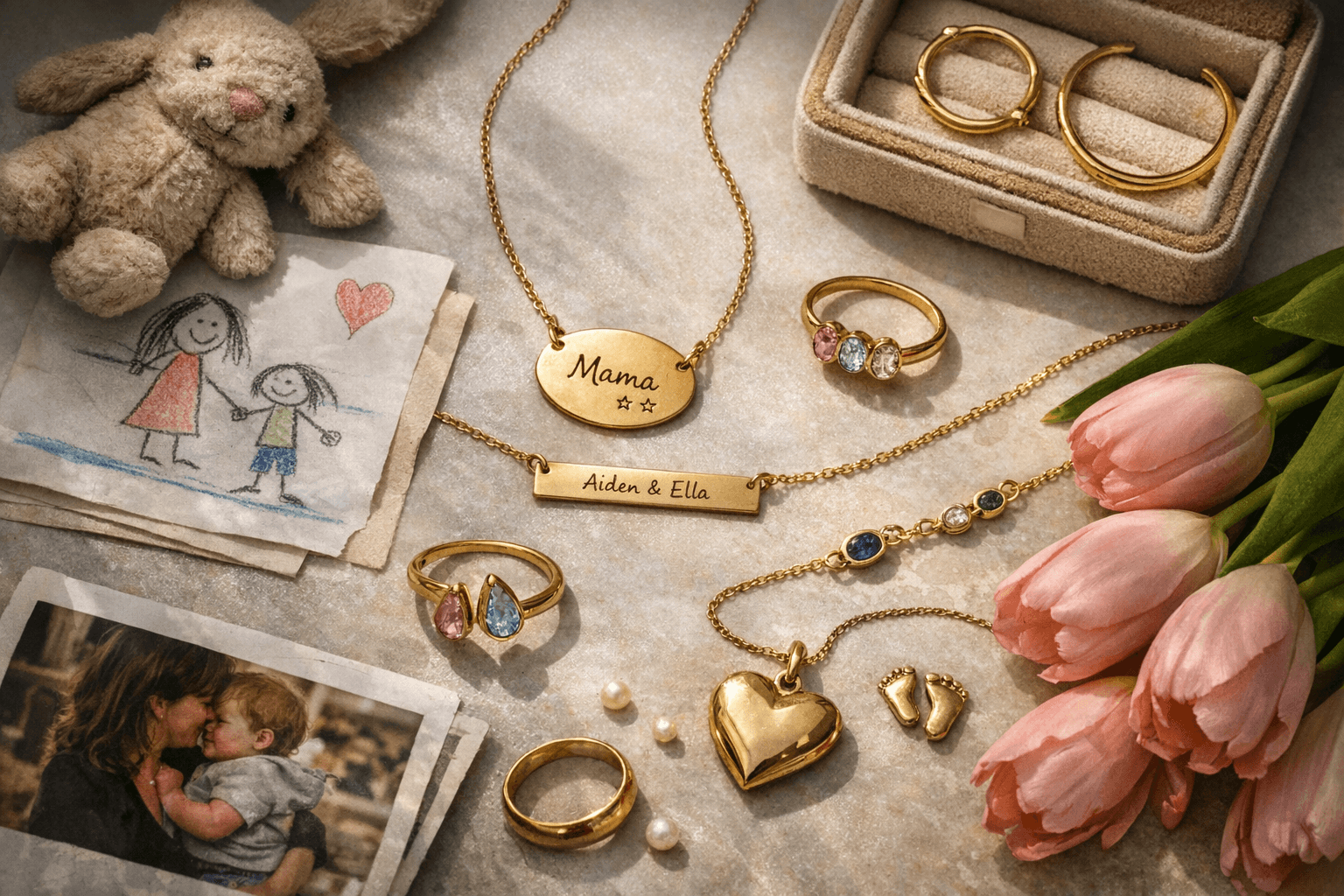
Alexis Padis, who works with clients through Padis Jewelry in San Francisco, Walnut Creek, and Napa, says buyers are gravitating toward birthstones, engravings, and symbolic designs. That preference matters because it turns a gift into a record of a life, not just a purchase. A child’s name, a meaningful date, or a stone tied to a birth month gives the piece emotional weight that flowers, candles, and other generic gifts rarely hold for long.
The same article frames the current look as a kind of quiet luxury: beautifully made gold pieces with soft, organic shapes and subtle gemstone accents. That is a useful cue for gift buyers who want the jewelry to feel intimate rather than trendy. A softly curved gold pendant, a slim bangle, or a refined ring with a single discreet stone will usually read as more enduring than anything oversized or overly literal.
The pieces moms are actually choosing
Courtney Sivard of B.C. Clark in Oklahoma City describes a shift away from overtly sentimental, one-time gifts and toward style-driven staples that become part of a daily uniform. Her list says a lot about where taste is headed: sculptural gold, modern pearls, classic dress watches, and diamond essentials. These are not novelty gifts. They are the pieces a woman can reach for without thinking, which is exactly why they tend to stay in circulation for years.
That distinction is important for shoppers trying to decide whether a gift feels personal enough. A piece can be heartfelt without being fragile or overly ornate. In practice, that often means choosing a design with enough simplicity to blend into her current wardrobe, then adding a layer of meaning through the stone choice or engraving.
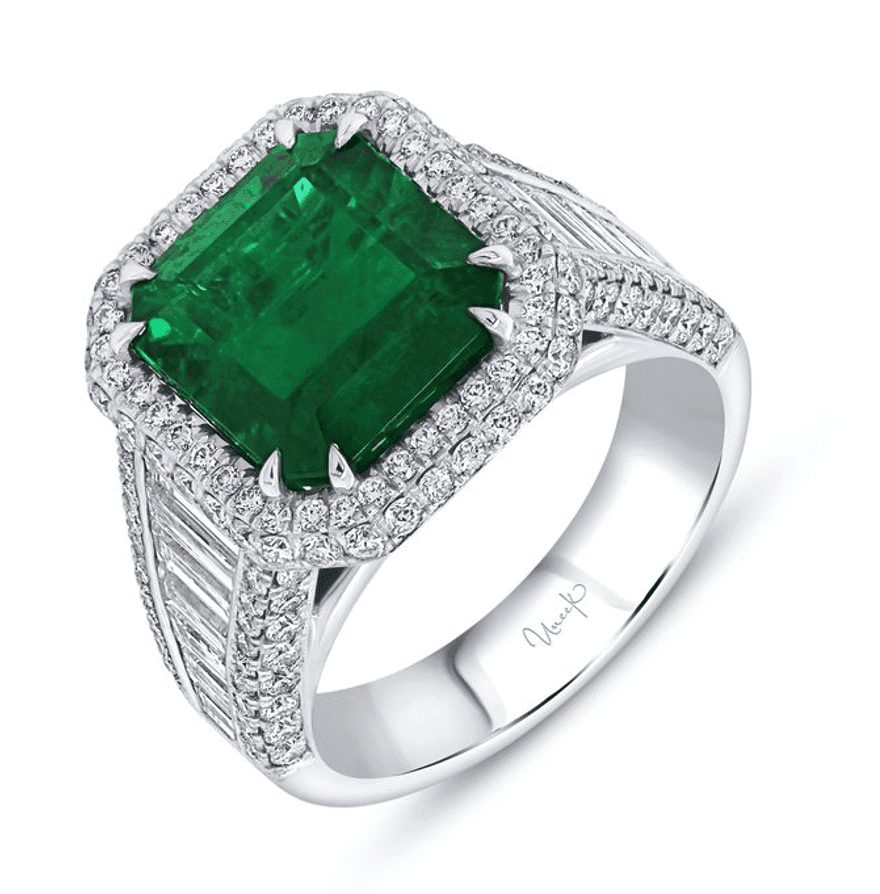
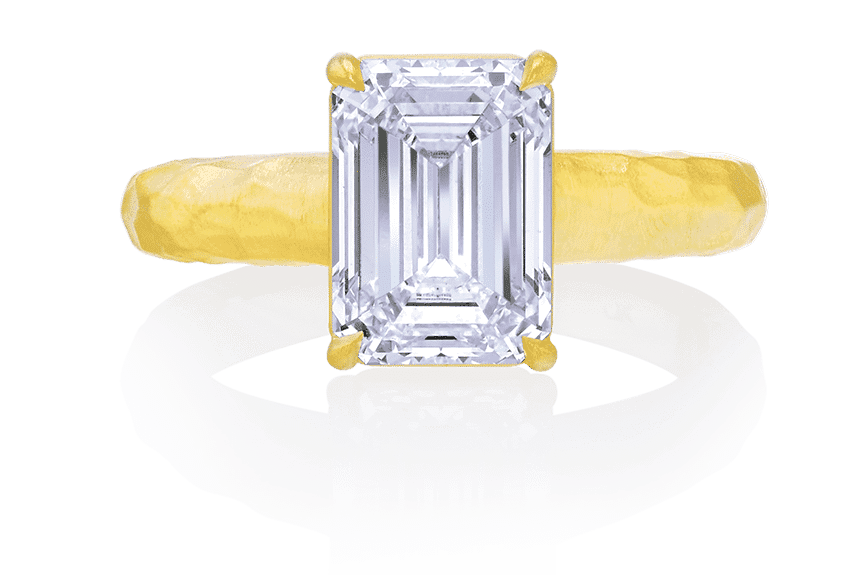
Sarah Person of Exclusively Diamonds in Mankato, Minnesota points to multi-shape diamonds and mixed bezel-and-prong settings in earrings, necklaces, and rings. That detail is especially useful because it shows personalization can live in the construction, not just the inscription. A necklace with a mix of diamond shapes or a ring that combines bezel and prong settings feels considered and modern, while still staying within the language of fine jewelry.
How to make the gift feel emotionally credible
The best personalized pieces usually carry one clear idea. A birthstone necklace with a child’s initial, a gold bracelet engraved with a date, or a ring built around family symbolism feels more credible than a piece that tries to represent everything at once. Too many motifs can push a gift into cliché; one well-chosen reference tends to feel more honest.
AGS also pushes shoppers to think long-term. That means asking whether the piece fits her daily routine, whether the metal quality will hold up, and how the gemstones are graded. Those are not minor technicalities. They are the difference between a keepsake she wears regularly and a beautiful object that becomes too delicate or impractical to leave the jewelry box.
Presentation matters too. A personalized gift lands harder when it is wrapped and introduced with care, because the emotional story begins before she opens the box. For fine jewelry, the moment of giving is part of the value, especially when the piece carries a date, a name, or a symbol that only her family would understand.
Why lasting fine jewelry wins over more generic gifts
Mother’s Day remains one of the biggest retail moments of the year. The National Retail Federation expects U.S. consumer spending to reach a record $38 billion in 2026, with an average planned spend of $284.25 per person and 84% of U.S. adults saying they plan to celebrate. That is a lot of pressure on gift buyers, and it helps explain why jewelry continues to command attention.
The appeal is not just price or prestige. The NRF says consumers are “gifting from the heart” and looking for unique gifts that create lasting memories. That aligns closely with the jewelry case: a thoughtful pendant or ring can outlast the day itself and stay tied to the person, the milestone, and the family story behind it.
The numbers from 2025 reinforce that point. NRF projected $34.1 billion in total Mother’s Day spending, with jewelry alone expected to account for $6.8 billion. The same research said shoppers cared most about finding something unique or different and creating a special memory. Jewelry answers both demands when it is chosen with specificity.
Personalization is not a passing trend
AGS has long treated personalized jewelry as a Mother’s Day staple, highlighting mother’s rings, birthstones, lockets, and engravable pieces in earlier materials. Its newer guidance on initials, engraved messages, zodiac symbols, and birthstones shows that the category has simply sharpened, not reinvented itself. The tradition remains the same: jewelry becomes more meaningful when it reflects a person’s own timeline.
That is why the smartest Mother’s Day buys this year are likely to be the least generic. A quiet gold pendant with a child’s birthstone, a bracelet engraved with a family date, or a diamond piece with a clean modern setting can feel more luxurious than something louder because it carries a story she will recognize immediately. And in a market where so many gifts are consumed and forgotten, that story is what makes fine jewelry worth keeping.
Know something we missed? Have a correction or additional information?
Submit a Tip