Tiffany Blue Book 2026 blooms with nature-inspired high jewelry designs
Tiffany’s new Blue Book turns nature into a personalization playbook, with butterfly, vine, and convertible jewel ideas that feel collectible rather than merely ornate.
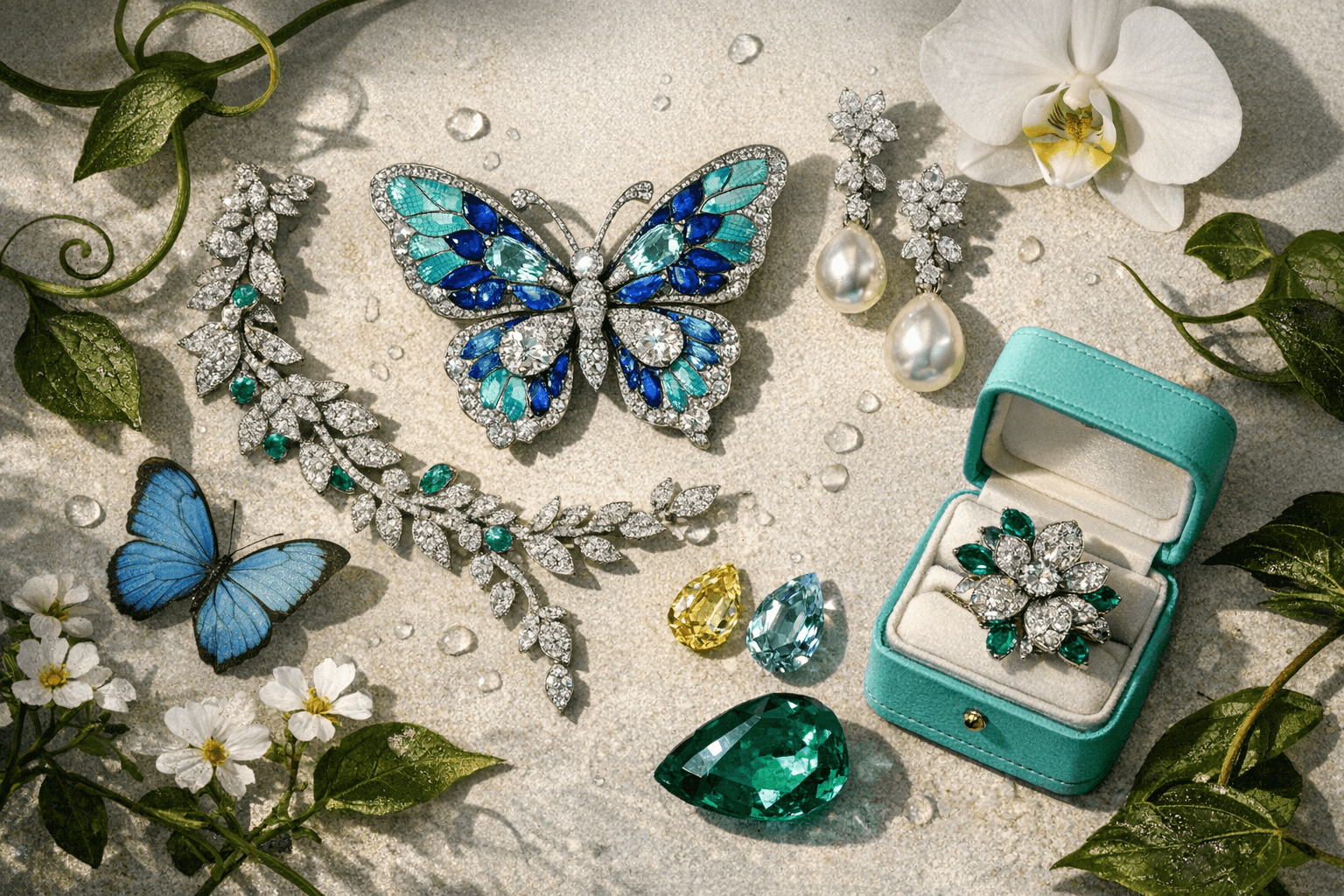
Hidden Garden is Tiffany’s clearest argument for jewelry that feels alive
Tiffany Blue Book 2026: Hidden Garden lands with the kind of recognition that stops a room, then rewards a closer look. The collection reaches back to Tiffany’s first Blue Book in 1845, the first direct-mail catalog in the United States, and reframes that legacy for a market that now prizes personalization, symbolism, and pieces that can do more than sit still in a velvet box.
The newest chapter is built around nature, transformation, and movement, but the appeal is not just poetic. Tiffany has turned those ideas into a high-jewelry vocabulary that includes custom-cut chrysoprase beads, butterfly motifs, and pendants that convert into brooches, which gives the collection a crafted, adaptable feel that reads as modern even when it references the archive.
The design language is the story
Butterfly, Monarch, and the pull of transformation
Tiffany says Blue Book 2026: Hidden Garden is a journey into a secret world of nature illuminated by the sun and guided by its rhythms. That framing matters because it explains why the collection feels less like a static set of jewels and more like a study in change, with wings, vines, leaves, and hidden forms appearing to shift as the light moves across them.
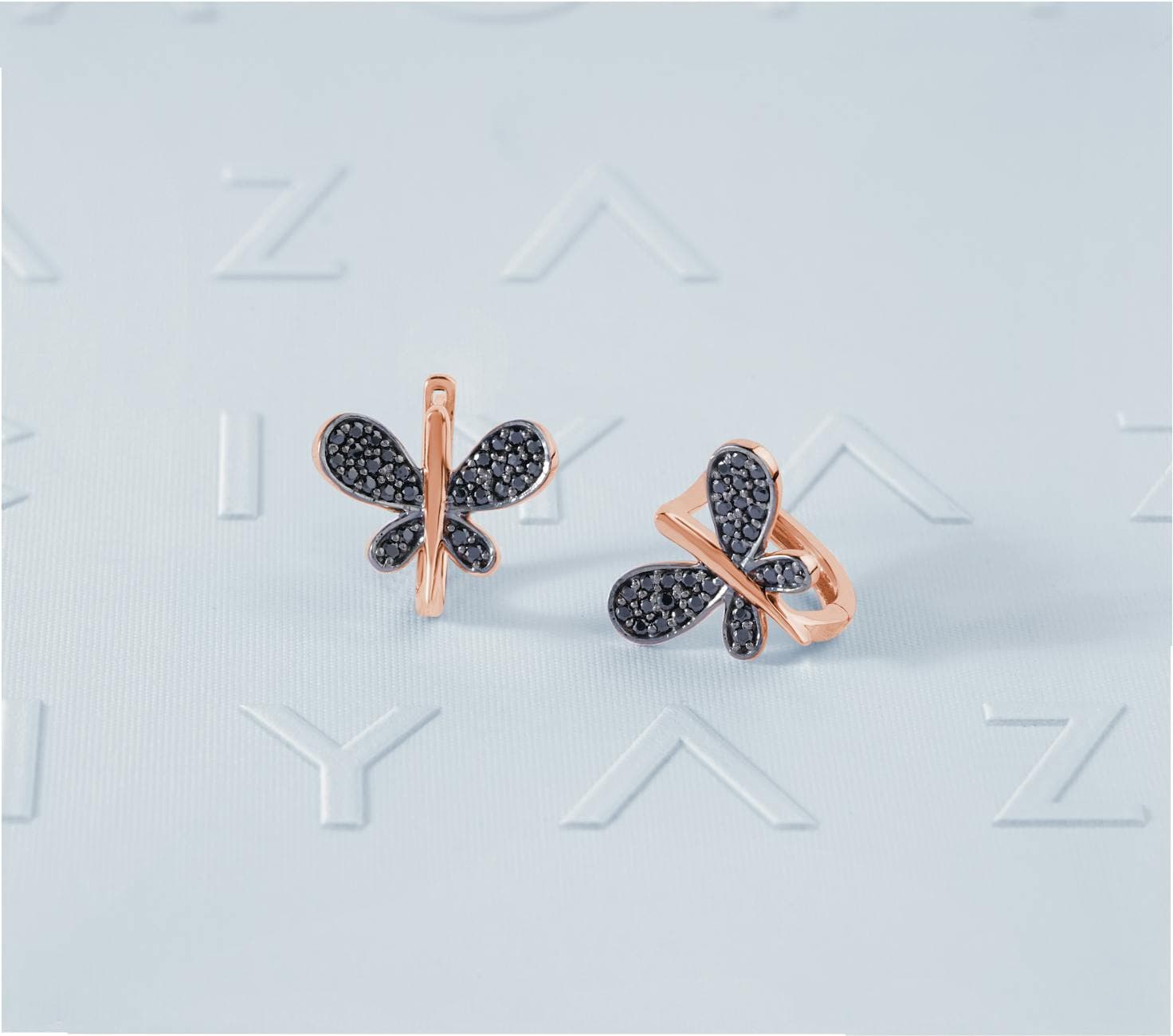
The Butterfly chapter is one of the House’s best-known motifs, and Tiffany positions it as a symbol of grace and transformative beauty. For readers thinking about personalized jewelry, that makes butterfly imagery useful precisely because it carries meaning without becoming sentimental, and it can be reduced to a refined silhouette, a concealed detail, or a stone arrangement that suggests motion rather than illustration.
Monarch goes further into the archive. Tiffany draws the design from a Jean Schlumberger necklace that featured a hidden Monarch butterfly amid twisting vines and sculpted foliage, a reminder that the strongest personalized jewels often reward a second glance. It is the kind of reference that feels intimate rather than loud, which is exactly why it translates so well into custom work.
Bird on a Rock still sets the tone
Bird on a Rock remains one of Tiffany’s most recognizable high-jewelry signatures because it is rooted in a very specific idea: a celebrated brooch Jean Schlumberger introduced in 1965. The motif has endured because it understands scale and contrast, pairing a central figure with a setting that feels like terrain, perch, or landscape rather than mere decoration.
That matters for anyone considering a custom piece today. A good personalized jewel does not just attach an initial or symbol to a setting; it creates a small world around the motif, whether that world is botanical, celestial, or architectural. Bird on a Rock shows how a single emblem can become a house language when it is treated as a scene.
Why the archive still feels current
Jean Schlumberger joined Tiffany in 1956 and became known for turning flora, fauna, and even fabric into surreal jeweled forms. That history explains why the brand keeps returning to his archive when it wants to make high jewelry feel both collectible and newly legible to a younger audience that expects meaning, movement, and design intelligence from luxury.
Nathalie Verdeille, Tiffany’s senior vice president and chief artistic officer, designed Hidden Garden with the Tiffany Design Studio, and the result is a collection that reinterprets Schlumberger’s flora-and-fauna motifs into sculptural high jewelry. The emphasis on sculpture is important: it separates the pieces from flatter, more decorative nature themes and pushes them toward form, structure, and presence.
The Blue Book itself reinforces that sense of continuity. Tiffany says it has evolved into an annual showcase for high jewelry and rare gemstones, which means each new chapter is not just a product launch but a statement about what the house believes fine jewelry should look like now. In this case, the answer is clear: tactile, symbolic, and built around transformation.
What to look for if you want the look, not the logo
The strongest takeaway from Hidden Garden is not that readers should copy Tiffany, but that the collection identifies the design cues that make personalized jewelry feel current. The best pieces will not rely on obvious branding or oversized ornament. They will use nature as structure, movement as a design principle, and a hidden detail as the emotional hook.
Watch for these elements in custom work and accessible fine jewelry alike:
- Convertible construction: pendants that can become brooches or other wearable forms give a piece more life and more reasons to be worn.
- Custom-cut stones and beads: shapes like Tiffany’s custom-cut chrysoprase beads signal intention, because the gem is being shaped for the design rather than forced into a generic mount.
- Botanical movement: twisting vines, layered leaves, and wing-like forms make a jewel feel animated instead of fixed.
- A hidden motif: the most memorable personalized pieces often contain a secret, whether it is a concealed stone, a tucked-in symbol, or an interior engraving.
- Sculptural settings: a setting that rises, curves, or frames the stone with dimension will always feel more current than a flat presentation.
That is where Tiffany’s Blue Book becomes more than a brand event. It functions as a design decoder for readers who want jewelry with provenance and personality, not just sparkle. If a piece can shift from pendant to brooch, echo a butterfly without becoming literal, or turn a vine into a structural element, it already understands the way luxury is changing.
The launch also made the message unmistakably cultural
Tiffany marked the debut of Blue Book 2026: Hidden Garden with an intimate event in New York on April 16, 2026, at the Park Avenue Armory, a venue with two rooms originally designed by Louis Comfort Tiffany in 1881. That setting was a smart reminder that Tiffany’s story is not only about products, but about the spaces, histories, and artistic families that shaped American jewelry in the first place.
The guest list added to the momentum, with Rosé, Greta Lee, and Connor Storrie in attendance, plus a performance by Mariah Carey. For a house that is trying to keep its heritage sharp rather than dusty, that mix of archive and celebrity is a useful signal: Tiffany wants Hidden Garden to feel like a living chapter, not a museum note.
In the end, the collection’s most useful lesson for personalized jewelry is simple. The pieces that feel freshest are the ones that treat nature as a design system, not a theme, and that is why Tiffany’s butterflies, vines, and convertibles are likely to influence custom jewelry well beyond the Blue Book itself.
Know something we missed? Have a correction or additional information?
Submit a Tip