Jewelry Shifts From Seasonal Gifts to Personal Investment and Identity in 2026
Personalized jewelry is redefining the category in 2026, shifting from seasonal gifting to identity-driven investment pieces built around names, dates, and milestones.
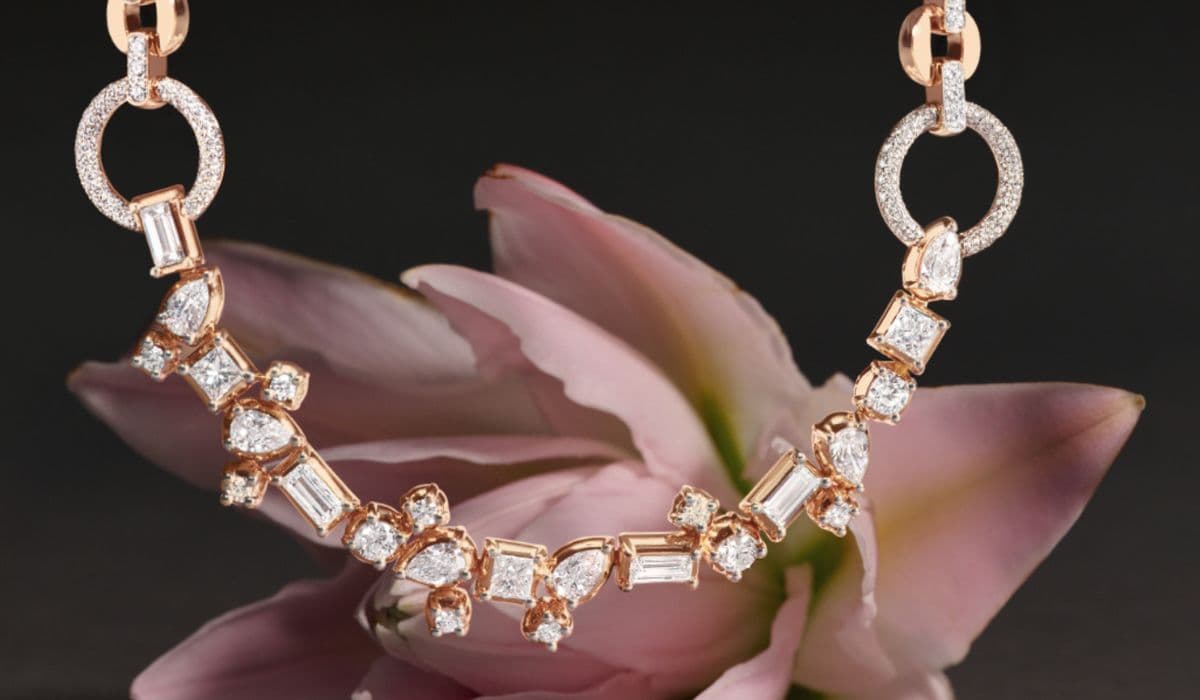
Something has quietly shifted in how people buy and wear jewelry. The purchase no longer clusters around December and February. It happens in March, in July, on an unremarkable Tuesday when someone decides a piece needs to exist because a moment demands to be marked. The jewelry sector's momentum in 2026 is moving beyond seasonal gifting into pieces that function as personal investment and self-expression, a transition observed across retail analytics and trade commentary alike. VO+, citing the BoF-McKinsey State of Fashion 2026, reports that buyers are increasingly treating jewelry as a form of identity and lasting value. The impulse is less about finding the right gift and more about finding the right story.
Meaning over mass appeal
The clearest signal in 2026 jewelry purchasing is that consumers are prioritizing intentionality. As Stuller's trade blog frames it, "Today's consumers are placing greater value on meaning over mass appeal. In an era where everything feels customizable, buyers are seeking personalization that feels intentional rather than decorative." That distinction matters. Customization in the broader consumer market has become almost ambient, a toggle you flip on a website. Jewelry buyers seem to want something more considered: a piece that encodes something real. Stuller positions jewelry explicitly as a way "to mark life chapters: relationships, self-discovery, growth, and remembrance," and that framing captures a real shift in category motivation. The jewelry case is no longer primarily a gift display; it is closer to a biographical record.
Why personalization is the dominant driver
Stuller calls personalization "one of the most powerful drivers in jewelry purchasing" in 2026, and the reasoning goes beyond sentiment. Personalized designs are, by nature, less susceptible to trend cycles. A ring engraved with a date in Roman numerals or set with the wearer's child's birthstone does not go out of style the way a particular silhouette might. As Stuller notes, these pieces are "less trend-dependent and more emotionally anchored, inspiring customers to invest in jewelry they'll wear for years to come."
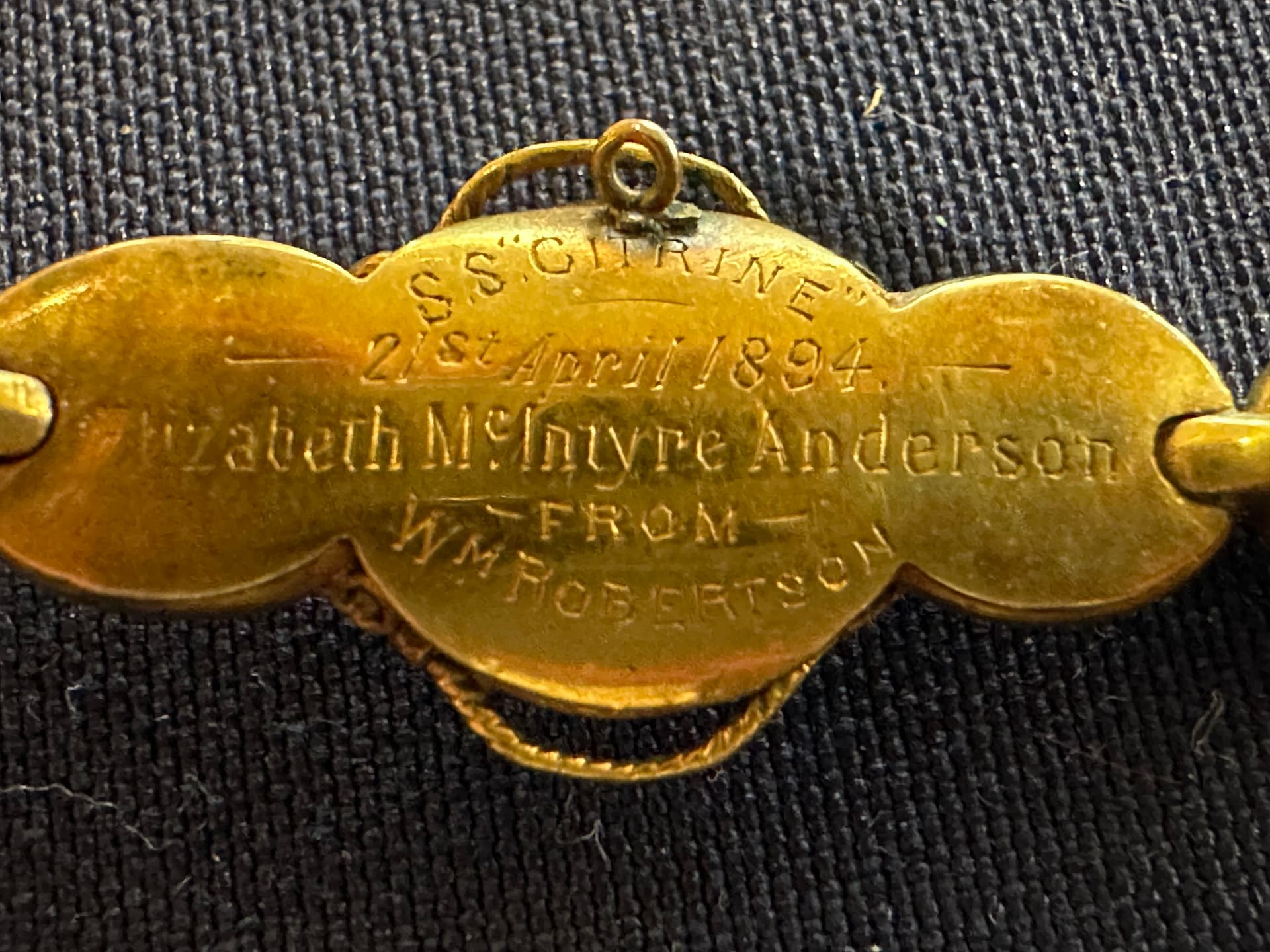
The specific vocabulary of personalization in 2026 is worth enumerating: engraved initials, meaningful dates, birthstones, symbolic shapes, and what Stuller calls "subtle design elements" that transform a piece "into deeply personal keepsakes." Whether a piece commemorates a relationship, an achievement, or simply a moment of self-definition, the design intention is the same: to reflect the wearer's unique journey rather than an abstract aesthetic trend.
For independent jewelers and larger retailers alike, this shift creates genuine commercial opportunity. Stuller observes that personalized pieces "create natural opportunities for conversation, storytelling, and repeat business, particularly around gifting, anniversaries, and milestone moments." The client who commissions an initial necklace for a first birthday returns for the graduation ring. The relationship has a narrative arc built into it.
The design language of personalization
Two distinct design registers are currently driving personalized jewelry purchasing, and they appeal to different temperaments without being mutually exclusive.
The first is sculptural and fluid. Freeform statement rings, fluid pendants, and flowing metal forms that feel organic rather than geometric are having a significant moment. Stuller's styling guidance here is straightforward: let these pieces lead. "A fluid pendant or freeform statement ring pairs beautifully with simple outfits and neutral palettes." The sculptural piece is not a supporting character; it carries the composition. For layered dressing, Stuller recommends mixing "flowing forms with smooth metal chains to enhance dimension without overwhelming the design." The negative space around the piece is part of its impact.
The second register is maximalist and declarative. Bold personalization, engraved initials scaled up, birthstones worn in stacks, symbolic shapes worn prominently rather than hidden close to the collar. This is jewelry as biography worn loudly. The impulse here is not subtlety but celebration: commemorating relationships, achievements, and self-expression in ways that are visible and intentional.
Neither approach is more valid than the other. What unites them is that the meaning is built into the object, not projected onto it.

How to wear it: a practical guide
The styling logic for personalized pieces rewards some attention. Because the meaning is internal to the design, the supporting wardrobe can afford to be quiet.
- Personalized pieces, particularly charm necklaces and engraved pendants, are ideal for everyday wear. The emotional weight does not require a special occasion.
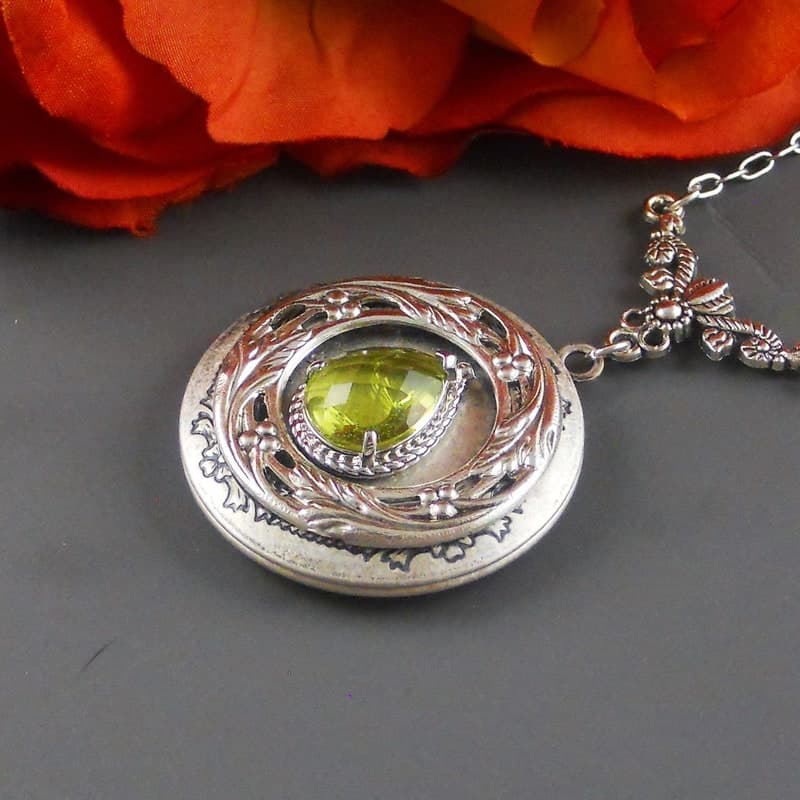
- Layer curated charm necklaces with plain chains in the same metal family; the contrast in texture draws the eye to the personalized element without competing with it.
- Stack rings featuring meaningful stones, birthstones especially, work well when paired with plain bands in yellow gold or sterling. The stack reads as intentional rather than accumulated.
- Minimalist jewelry is the most reliable pairing partner for heavily personalized pieces. When the outfit and the accompanying jewelry are restrained, the personalized piece becomes the focal point, which is exactly where it belongs.
- Sculptural pieces, freeform rings and asymmetric pendants, benefit most from a neutral backdrop. A clean white shirt or a single-color knit gives the form room to be read.
The underlying principle across all of these pairings is the same: the story in the jewelry should be audible. When everything around it is speaking at the same volume, nothing is heard.
Craftsmanship and what to ask before you buy
The emotional value of a personalized piece depends, in part, on its physical durability. A date engraved in a soft metal that wears away within a year is not a keepsake; it is a disappointment. When commissioning custom work, the production process warrants scrutiny. Dvik Jewels, a personalized jewelry brand, emphasizes that each piece undergoes quality checks before delivery and stresses finishing, durability, and quality shine as non-negotiable production standards.
What the research notes do not provide, and what any serious buyer should ask for, is specificity: Which metal alloys are used, and at what karat weight? Where is the piece produced, and by whom? Is hand-finishing genuinely part of the process, and what does that mean for the particular technique involved in your engraving or stone setting? The personalization trend, for all its sincerity, is not immune to marketing language that sounds meaningful but commits to nothing. Ask the specific questions.
The investment case
The shift from gifting to investment is not purely metaphorical. Personalized jewelry occupies an interesting position in the broader accessories market: it is harder to resell than a standard fine jewelry piece with broad aesthetic appeal, but it is also less likely to be discarded. The emotional anchor that Stuller describes is real, and it has a practical consequence. Pieces bought with meaning attached tend to be kept, repaired, and eventually passed on. That longevity changes the calculation from "what does this cost?" to "what will this be worth to me in twenty years?"
The BoF-McKinsey State of Fashion 2026, as referenced by VO+, situates this buyer behavior within a broader consumer shift toward identity and lasting value. The jewelry category, long organized around seasonal peaks and gift occasions, is catching up to a purchasing psychology that other luxury categories have navigated for years. When a piece carries a name, a date, or a stone chosen because of what it represents rather than how it looks in a trend forecast, it has already transcended the gift economy. It belongs to something more durable: the ongoing project of a life, worn on the body.
This article was produced by Prism’s automated news system from verified source data, official records, and press releases, then run through automated quality and moderation checks before publishing. The system is built and supervised by the people who set the standards it runs under. Read our full AI policy.
Did this article answer your question?