Luxury buyers embrace playful personalized jewelry at JCK, from lock charms to letters
At JCK, lock charms and puffy letters showed how personalization is becoming more intimate, more playful, and more price-aware.

The new shape of personal luxury
At JCK’s Luxury show, personalization looked less like a monogram and more like a memory with a clasp. Lock charms, puffy letters, and heirloom-coded symbols led the conversation, giving buyers a way to spend thoughtfully without surrendering to the full weight of couture pricing.
Luxury opened to invited guests on Wednesday, May 28, 2026, at the Venetian Expo in Las Vegas and welcomed all JCK attendees the next day. In a week built for trend-spotting, education, and international networking, the clearest signal was that luxury shoppers still want jewelry with personality, but they want it to feel emotionally specific and commercially intelligent.
Lock motifs, reimagined as modern heirlooms
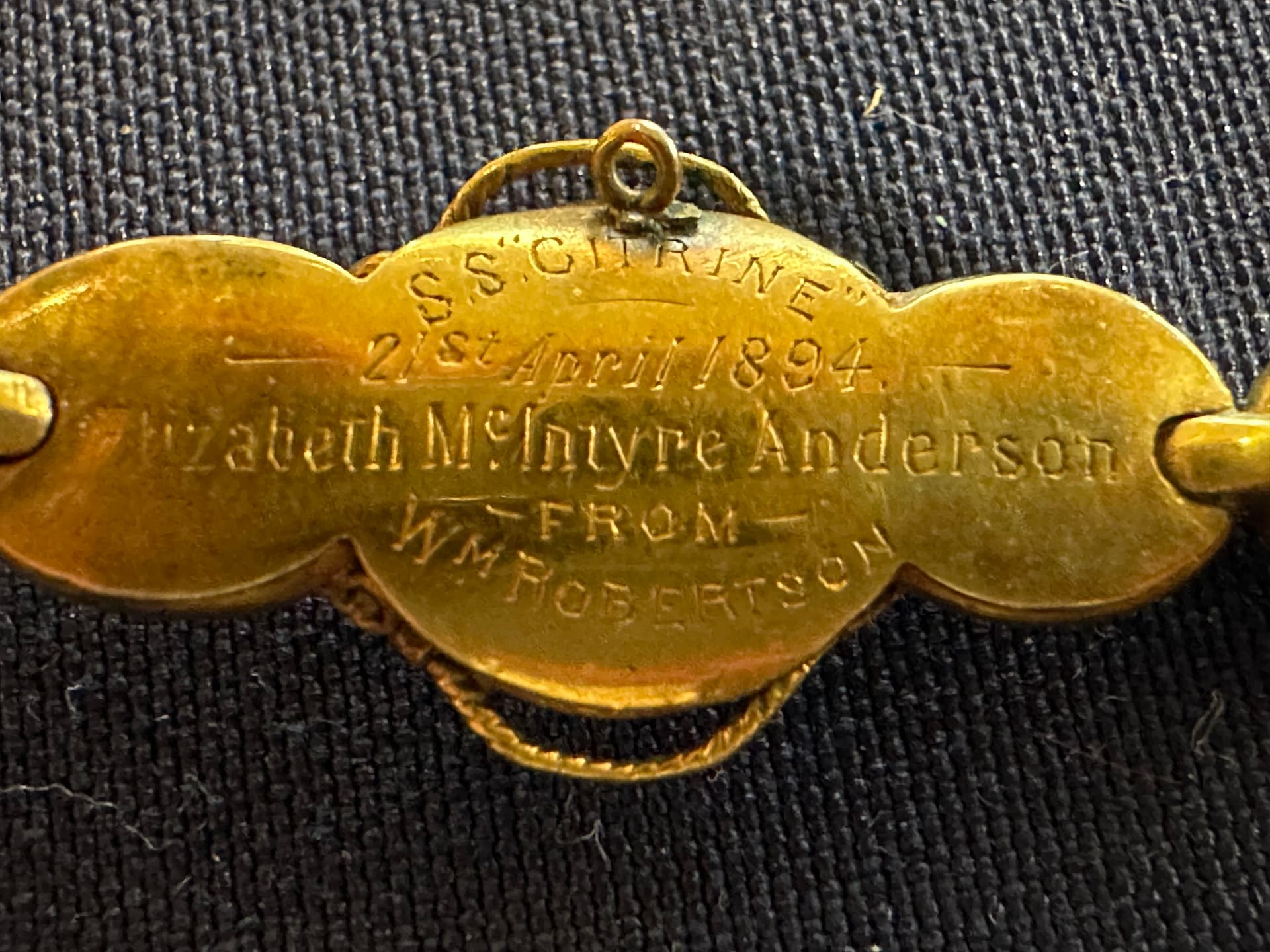
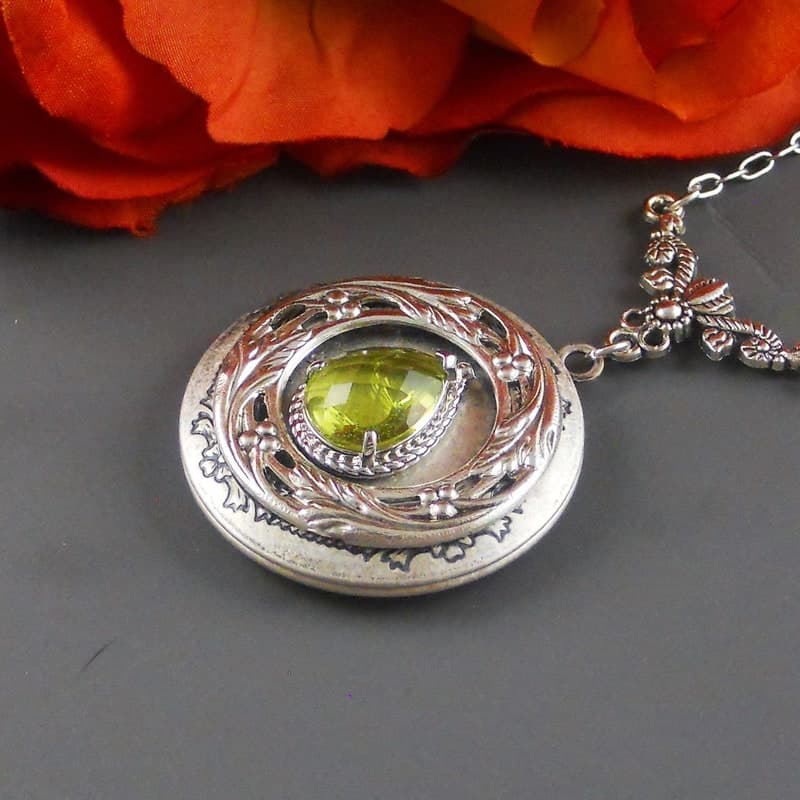
Just Jules designer Julie Romanenko treated the Love Locks line as a family story first and a product line second. She said the idea was inspired by vintage 9k gold lock pendants, along with a charm from her mother’s Sweet 16 bracelet, which gives the collection a genuine heirloom root rather than a manufactured nostalgia. Romanenko introduced the line as “the hottest new thing,” but its appeal lies in how naturally the symbol lands: a lock can suggest attachment, protection, or a private promise without saying any of it aloud.
The construction is as important as the sentiment. Love Locks pieces use 14k gold bezels and chains, a choice that gives the stones a clean, graphic frame and keeps the profile polished rather than fussy. The line starts at $3,000 retail, and one reported version featuring a 0.6-carat emerald retails for $5,200. Romanenko said she was trying hard not to make $10,000 pieces, and that price discipline is exactly what makes the collection feel sharply tuned to the market rather than removed from it.
What makes the category compelling is the blend of intimacy and restraint. Romanenko’s broader design philosophy centers family, jewelry as memory, and celebration, and her company has described the work as creating “future heirlooms.” That phrase matters. It signals jewelry meant to be worn now, then passed on later, with enough personality to feel beloved and enough craft to survive the passage of time.
Letters that feel playful, not logo-driven
Tacit takes a different path into personalization, and that difference is what makes it interesting. Michelle Fantaci’s 2-year-old New York brand is built around colorful ceramic-coated silver as the main ingredient in a 14k gold and diamond collection created expressly for gift-givers and self-purchasers. Where many letter jewels lean on polished minimalism, Tacit’s alphabet is deliberately buoyant, with puffy charms that resemble miniature helium balloons.
The Bodega Pool Party collection takes that idea further, layering in beach balls, lollipops, and playful motifs that make the line feel almost surreal in the best sense. These are not dainty initials meant to disappear against the skin. They are charms that declare themselves, which is exactly why they read as gifts with personality and as self-purchase pieces with a sense of fun.
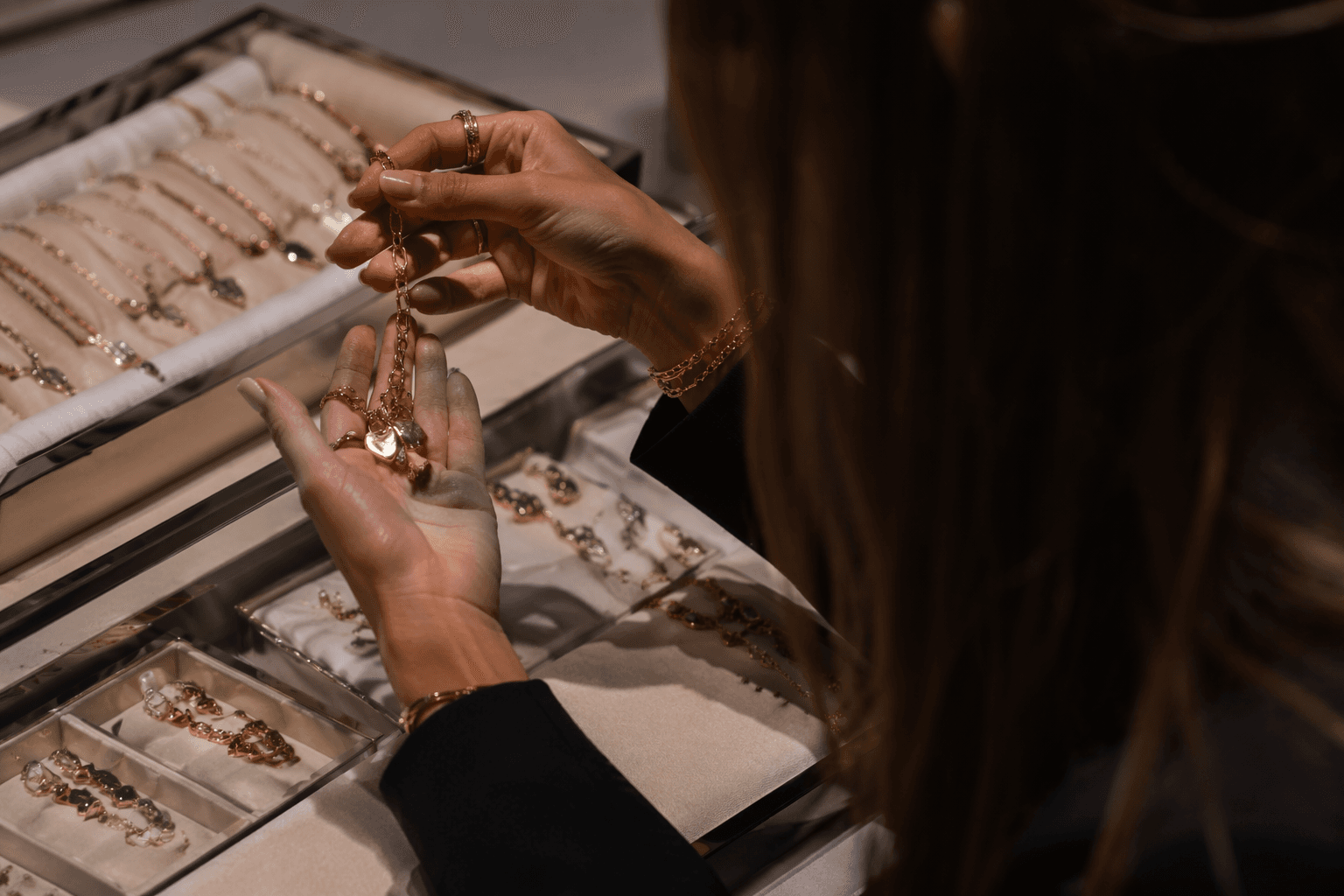
The pricing helps position the line as accessible luxury rather than entry-level costume. Tacit’s core range runs from $1,000 to $2,800, a bracket that sits in the middle ground for shoppers looking for something meaningful without crossing into the four-figure sprawl of many gold-heavy statements. Tacit’s own site describes the brand as inspired by helium balloons and notes materials including 18k gold, ceramic color-coated silver, and traceable diamonds, reinforcing the idea that playfulness does not have to come at the expense of material seriousness.
Fantaci’s background explains the balance. She began experimenting with jewelry at 15 and later studied metal-smithing and old-world jewelry techniques in Florence, Italy. That training shows in the polish beneath the whimsy. The charm may look light, but the work behind it is grounded in real craft.
Why price is shaping the new personalization
Gold prices were the quiet force behind much of the show-floor conversation. JCK’s pre-show coverage said gold remained a central topic for 2026 because of high prices, and by the time buyers reached the booths, that pressure had already translated into design choices. Some exhibitors moved toward black-coated stainless steel, white ceramic, wood, and ceramic-coated silver. Others doubled down on large natural stones and 18k-gold luxury, creating a split between material experimentation and unapologetic opulence.
That divide explains why the personalized pieces resonated so strongly. Lisa Vinicur of Diane Glynn Jewelry put the pricing reality plainly: “$4,000 is the new $2,000.” She also identified about $2,500 as the customer sweet spot, a target that is increasingly hard to hit. In that context, a $3,000 lock necklace or a letter charm in the $1,000 to $2,800 range is not just a product choice. It is a response to how buyers now calibrate value.
RX Global senior vice-president Sarin Bachmann has said designers are responding to current conditions with jewels at a range of price points, and that consumers continue to buy gold jewelry despite elevated prices. The show floor backed that up. Buyers are not rejecting gold; they are asking it to carry more meaning, more storytelling, and more design intelligence per gram.
What the next wave of personalized jewelry looks like
The strongest personalized jewelry right now shares a common language. It uses symbols that feel emotionally legible, like locks, letters, and charms rooted in family memory or private humor. It also pays attention to construction: bezels that frame stones cleanly, chains that let a charm move with the body, and material pairings that make the piece feel considered rather than generic.
Just as important, the best pieces do not overstate their own luxury. A lock pendant inspired by a mother’s bracelet feels intimate because it arrives with an authentic origin story. A puffy letter that looks like a helium balloon feels joyful because it turns a name, a nickname, or a secret into something wearable. In a market where gold is expensive and buyers are more selective, that combination of symbolism, craftsmanship, and price discipline is what gives personalized jewelry its staying power.
This article was produced by Prism’s automated news system from verified source data, official records, and press releases, then run through automated quality and moderation checks before publishing. The system is built and supervised by the people who set the standards it runs under. Read our full AI policy.
Did this article answer your question?