Meta tests AI pendant, blurring jewelry and wearable tech
Meta’s AI pendant could turn voice capture into a necklace rather than a gadget. The real test is whether people will wear surveillance as personal style.
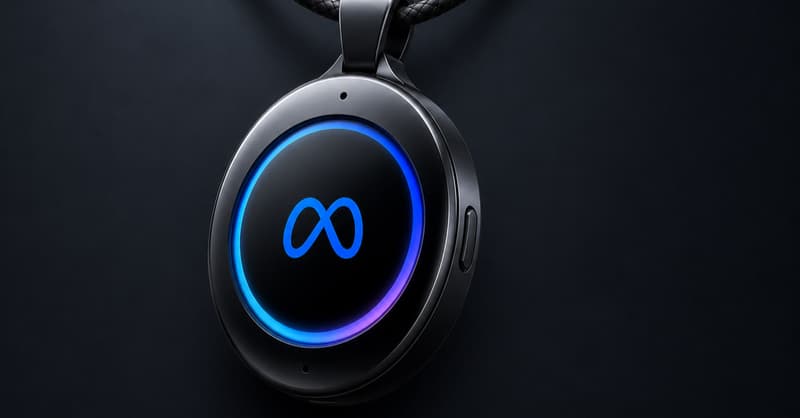
Meta’s next hardware gamble may hang at the collarbone, not the wrist or temple. The company was said to be testing an AI pendant within the next year, a small but telling move that pushes its wearable strategy into the most intimate territory yet: jewelry as interface, and ornament as data device.
That matters because the pendant is not just another accessory. Meta’s wearables team, led by Alex Himel, has been chasing a form factor that feels natural on the body, and the pendant sits squarely between a necklace and a recorder. The concept echoes Limitless, the startup Meta acquired at the end of 2025, which built an AI pendant that could be worn as a necklace or clipped to clothing to record conversations and later turn them into transcripts and summaries. A device like that can be giftable, personal, even charming, but only if it avoids the look and feel of a surveillance badge.
The business logic is clear enough. Reality Labs, Meta’s hardware arm, posted a $4.03 billion operating loss in the first quarter of 2026 on just $402 million in revenue, and its losses have topped $80 billion since late 2020. Meta needs a wearable that can do more than signal ambition. It needs something people might actually choose to wear every day, and that is where design becomes destiny.

The field is already crowded with lessons. Bee sold an AI wearable for $49.99 before Amazon acquired the company in July 2025, calling it an important and lovable experience. Limitless had already treated the pendant as a real object rather than a speculative sketch, finalizing its design and planning shipments. Meta’s Ray-Ban smart glasses also showed that the company can win consumers when the hardware feels familiar, but the category has been shadowed by privacy concerns and competition, even after those glasses delivered a meaningful revenue boost for EssilorLuxottica.
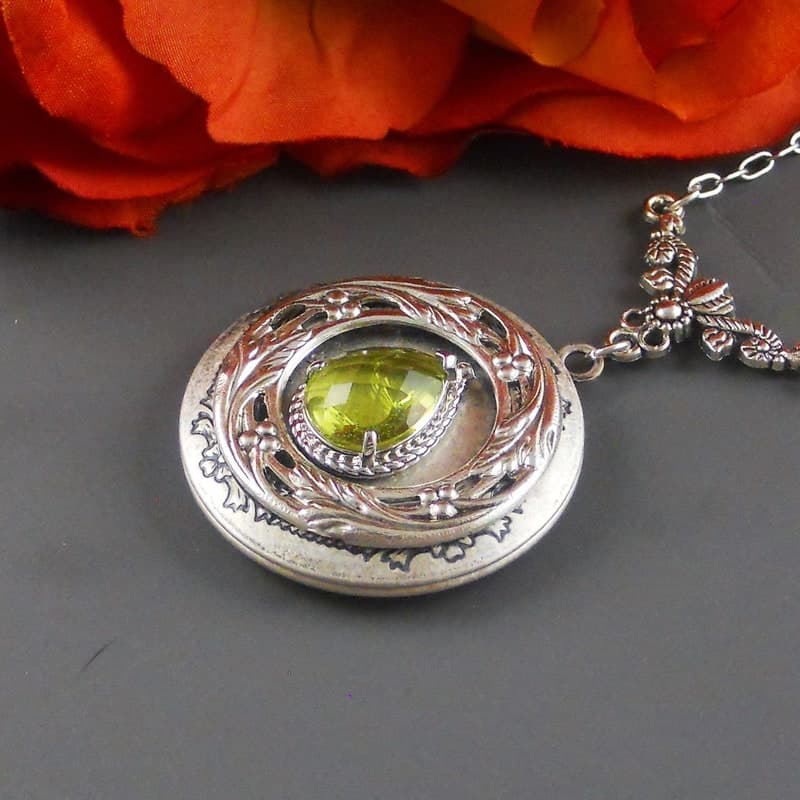
That tension is the pendant’s biggest obstacle and its most interesting design challenge. A successful AI necklace would need the polish of fine jewelry, not the bluntness of consumer electronics. It would have to read as something you might receive as a gift, perhaps with customizable metal finishes, a discreet clasp, or a stone-like face that softens the idea of recording. Anything too clinical risks looking like a bug rather than a bauble.

Meta has already made its grandest claim about ambient computing. At Meta Connect 2024, Mark Zuckerberg said Orion smart glasses were a glimpse of a future that could replace the smartphone. The pendant suggests that future may arrive first as an object people must decide whether to wear as identity. In jewelry, that decision has always been the point.
This article was produced by Prism’s automated news system from verified source data, official records, and press releases, then run through automated quality and moderation checks before publishing. The system is built and supervised by the people who set the standards it runs under. Read our full AI policy.
Did this article answer your question?