Mourning lockets made personalized jewelry a wearable family record
A mourning locket could hold hair, dates, and initials in one glance, turning private grief into a public keepsake. That same code still shapes personalized jewelry today.

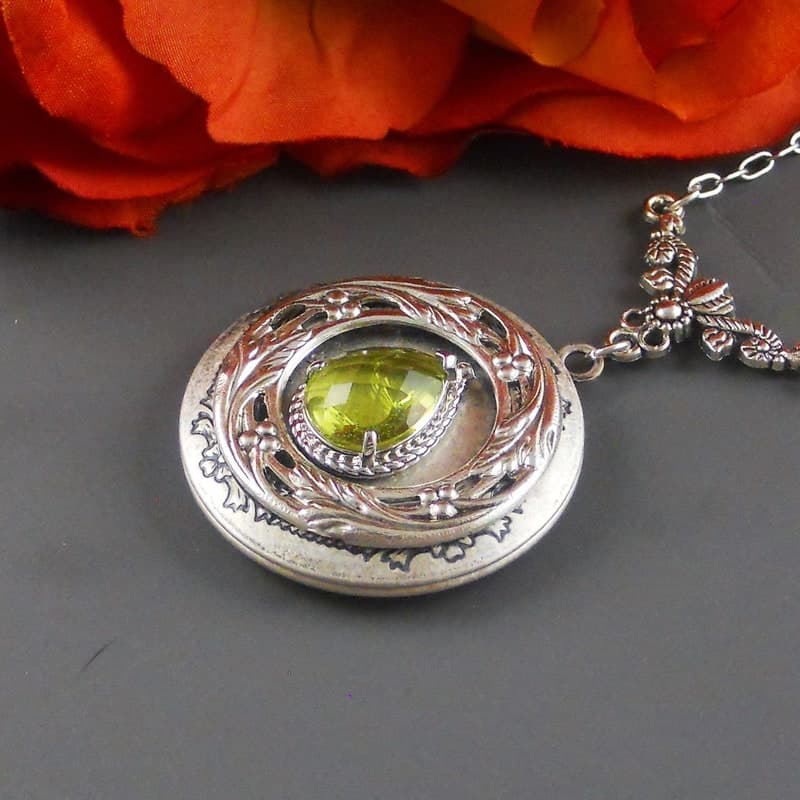
A locket could hold a lock of hair, a monogram, a date, and a family story in a single piece of gold. That is why mourning jewelry still reads as modern: it made memory visible, portable, and intimate at once. The Victoria and Albert Museum’s 19th-century examples show how the format worked as both ornament and archive, and why it still feels so legible now.
A family record worn at the throat
The most compelling mourning lockets function like miniature documents. One V&A example is built from gold, onyx, and diamonds set in silver, with glazed interior compartments containing hair, and its face carries a diamond monogram reading JE and EE alongside engraved memorial text naming Jarvis Empson and Elizth. Empson, complete with birth and death dates. Nothing about that design is accidental: the front announces identity, while the hidden compartments preserve a literal trace of the person remembered.
That combination is what makes mourning jewelry so useful as a guide to personalized jewelry today. It shows that personalization has never been only about decoration. It has also been about legibility, the ability to read a relationship, a loss, or a promise in a glance, then uncover a second layer close to the skin.
Why black stones, hair, and inscriptions mattered
Mourning jewelry relied on a vocabulary of materials that carried social meaning. The V&A notes that onyx stained black was considered appropriate for mourning jewelry, alongside jet, bog oak, and black enamel. In Victorian Britain, where mourning was observed with unusual strictness during Queen Victoria’s reign, those dark materials were not just tasteful. They were coded, visible signs of ritual and restraint.
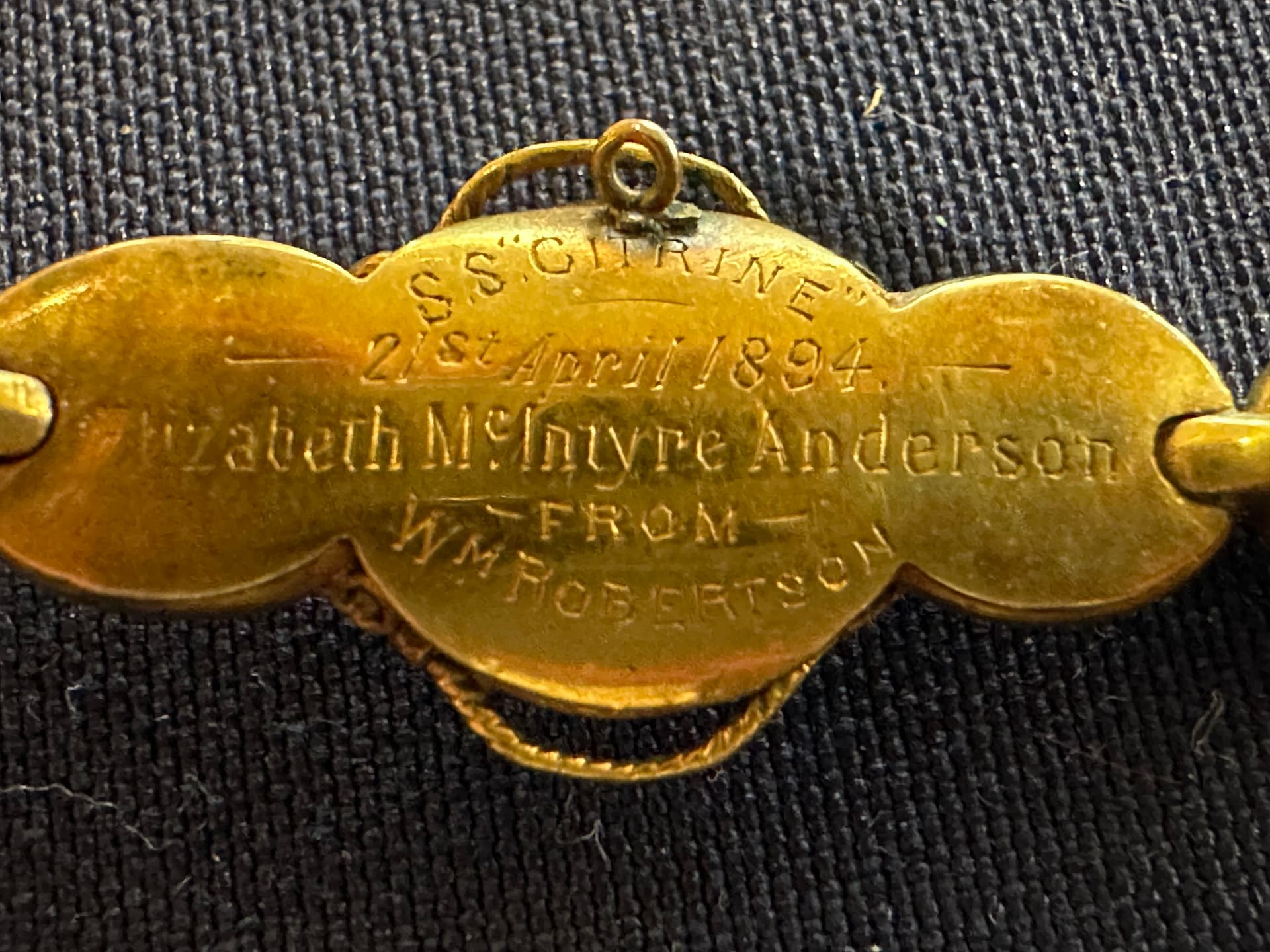
The contents mattered as much as the casing. The same V&A records explain that hair could be preserved as curls inside a locket or cut up and arranged into designs, and that mourning jewelry often included initials and the date of death. In practical terms, that gave a jewel the function of a tiny memorial plaque, except it could be carried to a dinner, a church service, or a drawing room without breaking the rules of dress. The emotional force comes from that contrast: something so public on the outside, so private within.
From memento mori to memorial medallions
Mourning lockets did not appear fully formed in the 19th century. The V&A traces them back to earlier memento mori objects, and says that memorial pieces for specific people became more common by the mid-17th century. By around 1750 to 1800, coffin-shaped lockets were already being made as mourning jewelry, often with a special compartment for hair. From 1760, there was a new vogue for memorial medallions and lockets, especially in Britain, though similar work was made throughout Europe.
That earlier history matters because it explains why the format feels so natural to the eye. These pieces were often bought ready made, with standardized designs that used neo-classical motifs such as urns, plinths, obelisks, cherubs, angels, and weeping willows. Even when mass-produced, they carried a strong emotional signal. The design language was stable enough to be recognized immediately, yet flexible enough to hold a personal name or date that changed the meaning completely.
Queen Victoria made the look unforgettable
Royal mourning set the tone for the age. In March 1861, Queen Victoria ordered a number of mourning jewels after the death of her mother, Victoria, Duchess of Kent, and ordered more after Prince Albert’s death in December 1861. That precedent gave black jewelry a cultural authority that spread far beyond the palace, helping turn mourning pieces into a recognizable Victorian style.
By then, lockets were at the height of their popularity from the 1860s to the 1880s, and magazines described them as indispensable in 1870 and 1871. That is the shareable hook in the story: a format often thought of as antique was, in its own moment, a mainstream must-have. The appeal was not abstract. It was easy to see, easy to wear, and easy to adapt to a specific person or event, whether the occasion was death or, as the V&A notes, even a wedding.
What this history says about personalized jewelry now
The modern appetite for heirloom-inspired jewelry follows the same logic. Today’s strongest personalized pieces work when they give you more than a nameplate effect. They need to carry a readable identity on the outside and a more intimate story inside, whether that is an inscription, a hidden compartment, or a symbol only the wearer understands.
Mourning lockets also show why initials remain so potent. A diamond monogram, a tiny engraving, or a concealed message does not just decorate a jewel. It gives the piece provenance inside the design itself. The Met’s overview of 19th-century American jewelry makes the same point from another angle: jewelry was both utilitarian and a marker of social status, and it was often personalized with inscriptions or monograms that helped tell its story. In other words, personalization has long been the device that turns a beautiful object into a specific one.
The best contemporary pieces borrow that discipline. A well-made personalized jewel should feel considered in its materials, not merely customized in theory. Black stones, polished gold, a crisp engraving, a compartment, or a monogram all do different work, but the principle is the same: the object should carry meaning without losing clarity. That is why mourning lockets still look current. They understood that a jewel can be wearable art and a family record at the same time.
This article was produced by Prism’s automated news system from verified source data, official records, and press releases, then run through automated quality and moderation checks before publishing. The system is built and supervised by the people who set the standards it runs under. Read our full AI policy.
Did this article answer your question?