Name, Initial, and Engraved Necklaces: Choosing Silver, Vermeil, or Gold
Choose the metal that tells the story you want: silver for economy, vermeil for the best look-to-price ratio, and 14k/18k gold for permanence and resale.
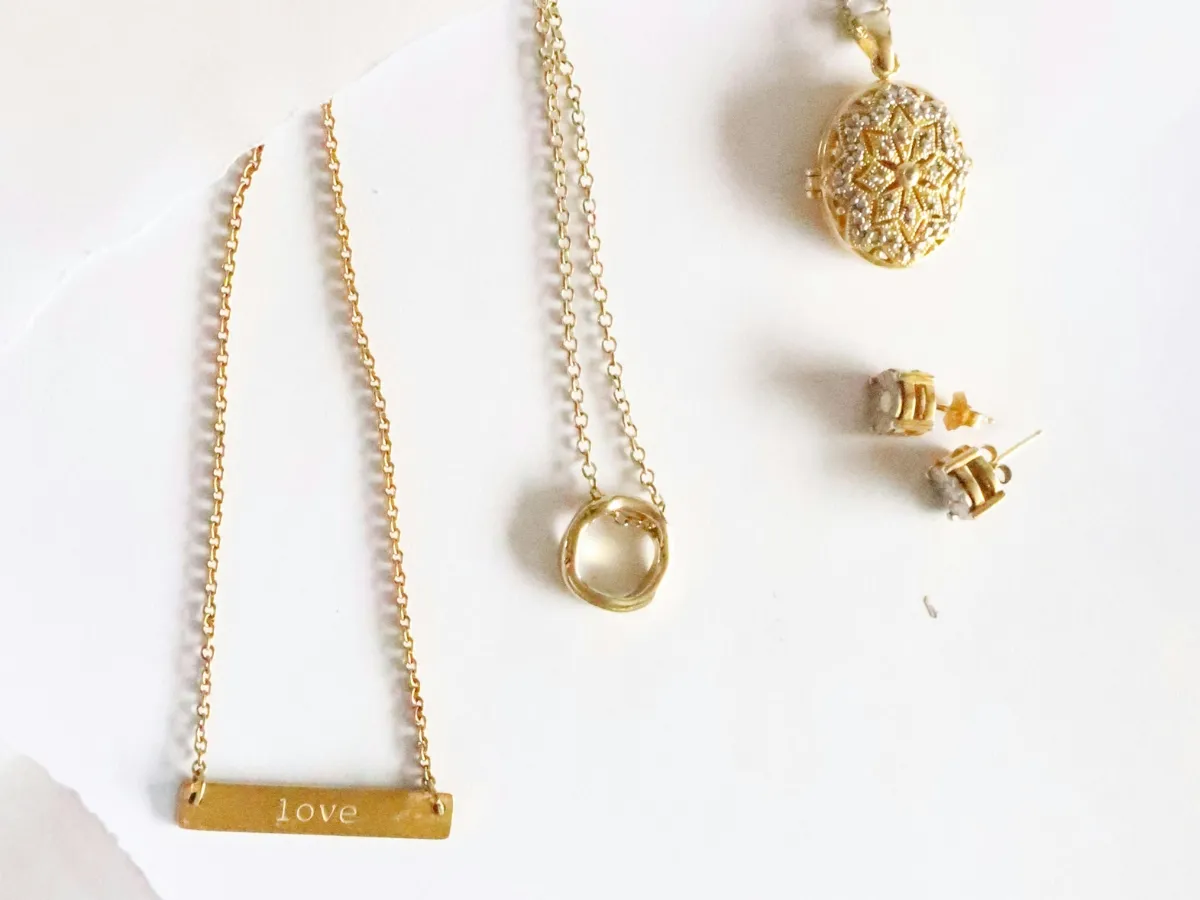
Personalized necklaces, whether a full name, a single initial, or a small engraved plate, are intimate jewelry choices that live against skin and in rituals. The primary decision that determines longevity, maintenance, and value is metal: sterling silver, gold vermeil, or 14k/18k solid gold. Below are three focused dossiers, name, initial, and engraved necklaces, each paired with practical advice about metal, craftsmanship, and day-to-day wear.
1. Name necklaces
A name necklace is usually the largest of the three formats, often worked in script or block letters and intended to be read at a glance; that scale makes metal choice highly visible and consequential. Sterling silver offers the most affordable entry point for a flowing name script and can be cast and finished with crisp detail, but it will oxidize and require periodic polishing if you wear it daily. Gold vermeil gives you the warm color of gold at a lower price than solid gold; for name necklaces with many fine loops and openwork, vermeil hides casting seams and provides richer color, though the gold layer on high-contact edges will wear over years of friction. Solid 14k or 18k gold is the investment if the piece is intended as an heirloom: the metal resists wear, retains its color without plating, and preserves fine letterforms and soldered joins for decades, but expect a material premium and higher repair costs if resizing or reshaping is needed.
- Practical choices: choose a heavier gauge for a name plate or script to avoid bending; look for soldered jump rings and a solid clasp on larger pendants to prevent stress failures.
- Care note: sterling silver benefits from a weekly polish if worn every day; vermeil should avoid routine exposure to perfumes and chlorinated water to extend plating life; solid gold needs the least aggressive maintenance but will show surface scratches over time.
2. Initial necklaces
Initial pendants are compact, often geometric, and designed to layer; their small size concentrates wear at edges and the bail. For an initial that will be worn in rotation, sleeping, showering, layered under clothing, solid 14k/18k gold is the most durable option: the thicker sections hold up to rubbing and polishing, and any engraved or cut-through detailing remains sharp. Sterling silver is a charming and budget-friendly choice for initial pieces, but its tendency to tarnish means the bright contrast between polished and shadowed recesses will change with age; if you like an intentionally lived-in look, that patina can be desirable. Vermeil is a sensible middle ground for initials: it achieves the gold aesthetic at a lower price point, but because initials are small and frequently handled, expect the plated surface to thin sooner than on larger, less-contact pieces, replating is possible but will alter the original finish.
- Setting considerations: if you plan to set a small diamond or gemstone in an initial, prefer bezel settings for everyday wear; bezels protect the stone’s girdle and are less likely to catch on fabric than prongs.
- Sizing and chain: initial pendants read best on short to mid-length chains (16–18 inches) so the letter remains visible; choose a lightweight but sturdy chain, box or cable with a lobster clasp, to balance comfort and security.
3. Engraved necklaces
An engraved necklace is about message rather than form: a plate, bar, or even the reverse of a pendant can be inscribed with names, dates, or coordinates. The permanence of an inscription depends on metal choice and engraving technique; hand engraving on 14k or 18k gold yields crisp, tactile channels that resist surface wear and can be re-polished without losing depth, making solid gold the top choice for pieces meant to be passed down. Sterling silver receives engraving cleanly and economically, but oxidation and polishing will change the visual contrast of shallow incisions, deep engraving lasts longer but costs more. With vermeil, consider that the visible layer is gold over silver: if heavy re-polishing or replating becomes necessary, the visual relationship between engraved recesses and the plated surface can shift, so engraving depth and the decision to engrave before or after plating are important technical considerations.

- Font and legibility: choose bolder, slightly wider letterforms for very small bars; script engraving looks romantic on longer plates but requires more surface area to remain legible.
- Placement and longevity: engraving on the reverse of a pendant protects the inscription from abrasion; on small curved surfaces, ask whether the engraver will deepen strokes to compensate for wear.
How to decide, three practical steps 1. Match the metal to intended wear: choose sterling silver for occasional, fashion-driven pieces; choose vermeil to get a gold look for frequent wear when budget is limited; choose 14k/18k solid gold for daily-worn heirlooms and pieces you expect to keep for decades. 2. Factor in the work: complex openwork name scripts and delicate letters hold up better in heavier gauges and solid gold; engraved plates should be sized to allow at least 2–3 mm of letter height for clarity, tiny engraving on soft metals will become illegible faster. 3. Think about lifecycle costs: initial outlay is only part of the equation, repairs, re-plating, and polishing add future expense. Vermeil offers mid-term value because it avoids the high entry cost of gold, but solid gold reduces repeated maintenance and retains higher resale value.
- Sterling silver: most economical purchase price, higher maintenance due to oxidation; good for trend pieces and gifts that may be replaced.
- Gold vermeil: delivers the look of gold with moderate care needs; plating life varies with contact and skin chemistry, so plan for periodic replating if you intend daily wear.
- 14k/18k solid gold: most expensive initially but lowest maintenance and highest preservation of engraving and structural details; a true heirloom metal.
Maintenance and long-term value
Final word Personalized necklaces are more than accessories; they are carriers of names and stories. Choose sterling silver if you want an accessible, changeable expression; choose vermeil if you want the warmth of gold without the full investment; choose 14k or 18k solid gold when permanence, minimal maintenance, and future value matter most. The right metal should answer three questions at once: how often will you wear it, how long do you want it to last, and what meaning do you want it to carry across years?
Know something we missed? Have a correction or additional information?
Submit a Tip

