Nameplate and Personalized Necklaces for Every Budget and Style
Personalized necklaces span Etsy enamel to bespoke fine jewelry — here's how to find one worth wearing for decades.

Few jewelry categories carry as much emotional weight as the nameplate necklace. Whether it's your own name arched in gold script, a child's initials set in diamonds, or a word that means something only to you, personalized pieces occupy a singular place in a collection: they're chosen, not inherited. But the market for them is vast and uneven, ranging from mass-produced charms that tarnish after a season to hand-engraved heirlooms built to outlast their owners. Knowing where your piece falls on that spectrum requires asking sharper questions than most brands encourage you to ask.
What "personalized" actually means at different price points
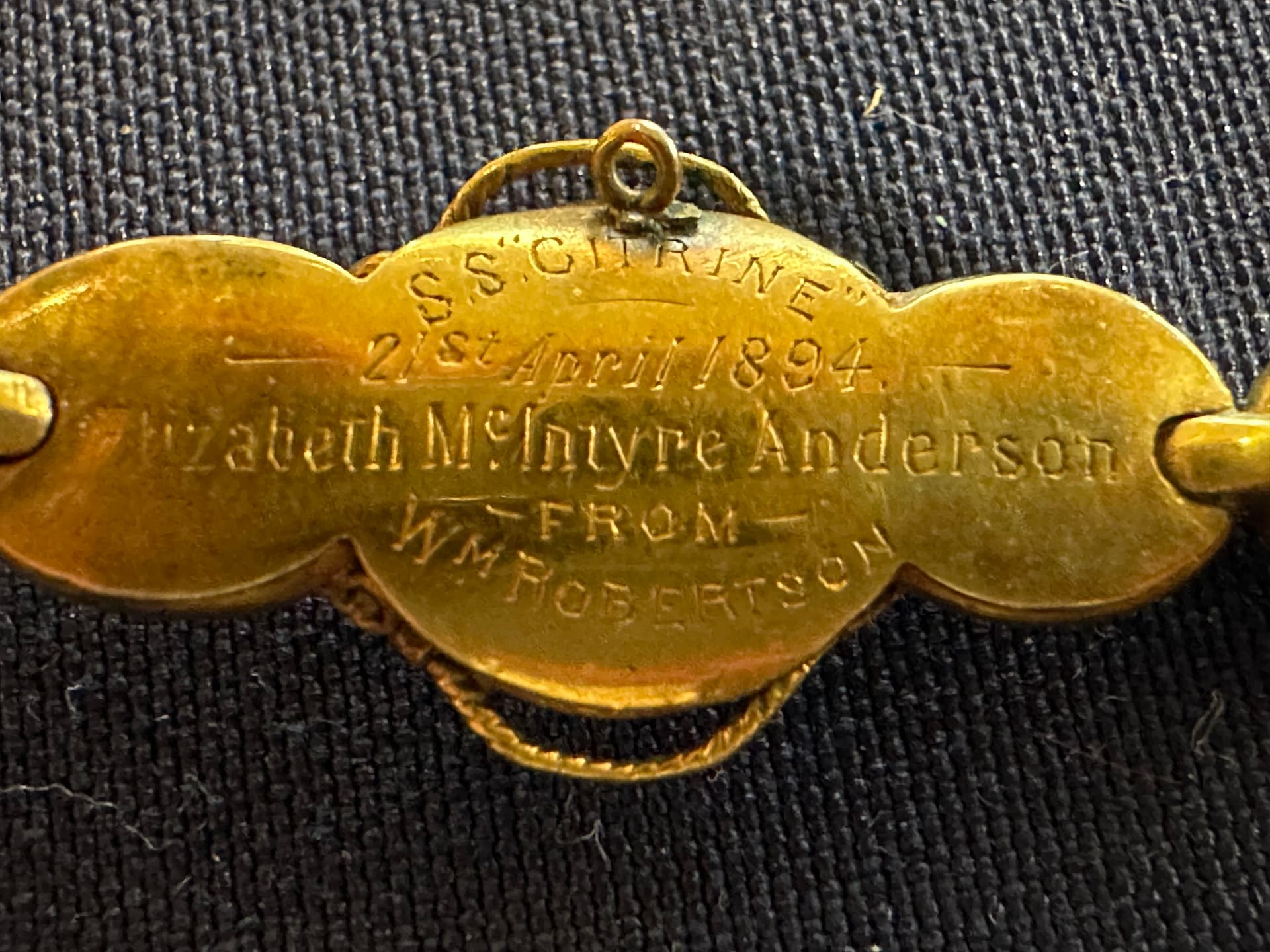
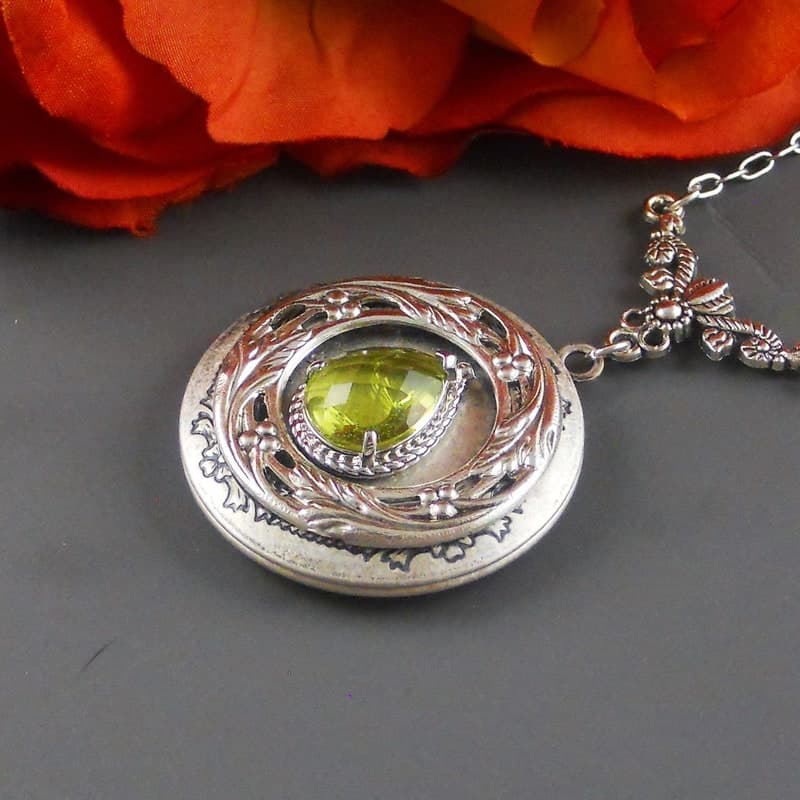
The term covers a lot of ground. At the most accessible end, you'll find laser-engraved pendants on brass or zinc alloy bases, often plated in gold or silver. These can be beautiful for what they are, and Etsy in particular hosts independent makers who produce enamel-accented nameplates with genuine craft and character. The critical variable at this tier is plating thickness: a 14-karat gold-filled piece (where gold is pressure-bonded to a base metal in a legally defined ratio) will outlast a gold-plated one by years under everyday wear. Always ask the seller to specify which they're using, because "gold-toned" and "gold-filled" are not the same thing.
Mid-tier independent brands, typically priced between $100 and $500, often work in sterling silver or vermeil, which is sterling silver plated with at least 2.5 microns of gold. Vermeil is a meaningful step up from simple gold plate, though it still requires care: chlorine, perfume, and daily abrasion will eventually wear the surface. At this level, the craftsmanship conversation shifts toward letter style, weight, and finish. A well-made block-letter nameplate has clean solder points, consistent depth, and enough heft that it sits flat against the collarbone rather than folding or curling.
At the splurge end of the spectrum, bespoke fine jewelry ateliers work in solid 14-karat or 18-karat gold, sometimes with stone-set letters or pavé detailing. Here, the investment is justified not just by material value but by construction: solid gold doesn't plate off, develops a patina that polishes back to brilliance, and can be resized, repaired, and passed down. If a brand at this price point isn't specifying karat weight, that's worth pressing on.
Understanding the design vocabulary
Nameplate necklaces have a rich cultural history, from the Bronx-born gold script styles of the 1980s and 90s that became fashion icons, to the delicate cursive pendants popularized by contemporary fine jewelry designers. Today's market reflects that breadth. You'll find:
- Script fonts, which tend to feel romantic and personal, especially in thin gold wire forms
- Block or sans-serif letters, which read as bolder and more graphic, often favored in thicker gauge metals
- Bubble letters, which carry a nostalgic, streetwear-adjacent sensibility and look striking in chunky gold
- Mixed-media designs, where enamel fills letter forms in unexpected colors, adding a playful dimension to an otherwise classic format
Beyond name necklaces strictly defined, the personalized category now encompasses coordinate pendants, birthstone initials, signet-style discs with engraved dates, and layered charm combinations that spell out phrases or commemorate milestones. The design choice matters less than whether the execution suits the material: a fine-wire script in thin-gauge silver will feel flimsy, while the same letter form in 14-karat gold wire carries convincingly.
What to look for in construction
The clasp is an underrated indicator of overall quality. A lobster claw clasp on a lightweight chain is appropriate for most styles, but on a heavier nameplate, you want a clasp with real resistance, one that doesn't spring open under minimal pressure. Spring ring clasps, common on cheaper chains, are the first point of failure on a piece you wear daily.
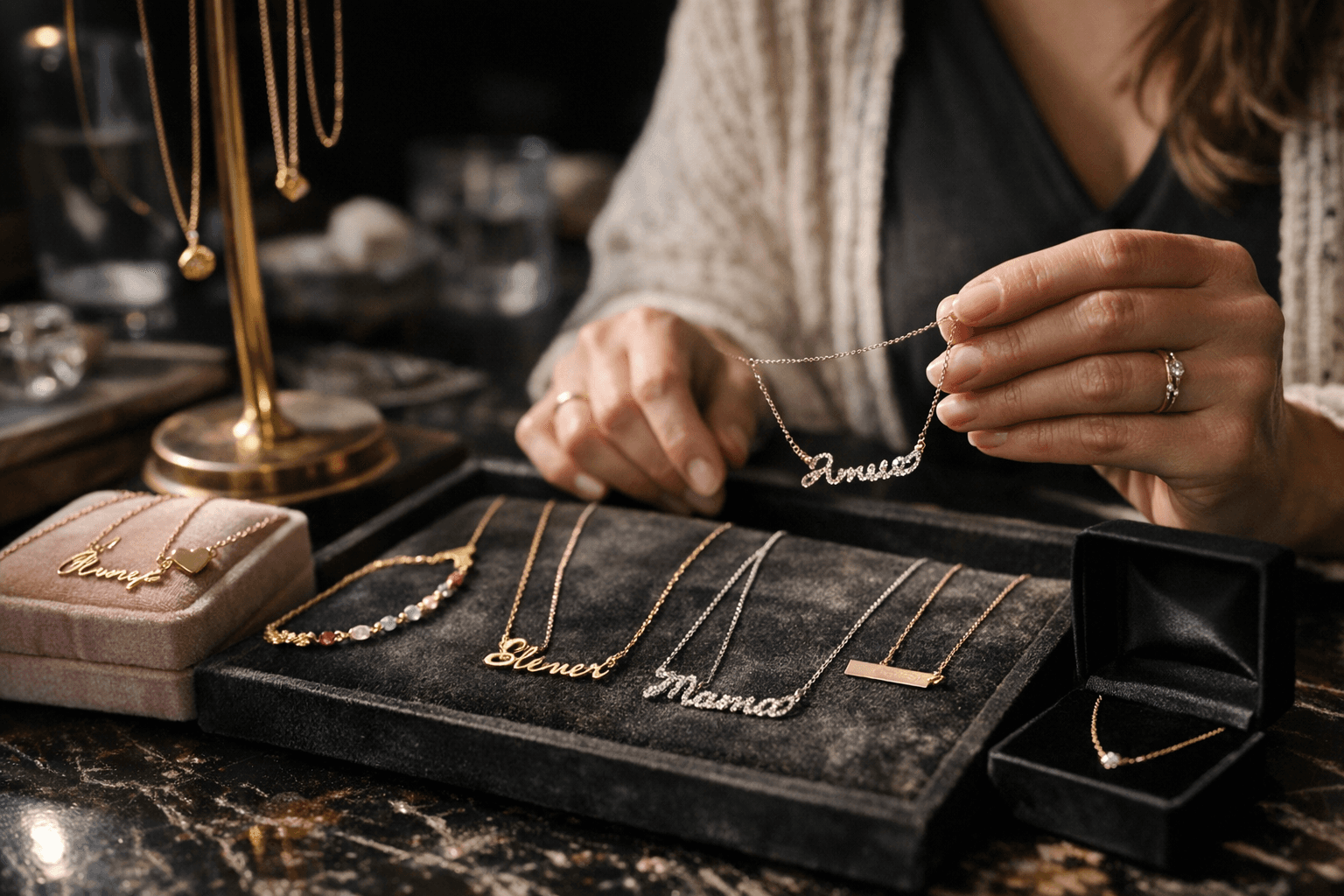
Chain length and style affect both aesthetics and wear. A nameplate on a 16-inch chain sits at the collarbone, which suits most designs. An 18-inch chain falls just below, giving more layering flexibility. Box chains and cable chains both suit nameplate pendants well; a delicate trace chain risks looking visually overwhelmed by a larger pendant.
If the piece includes stones, ask whether they are set by hand or glued. Prong and bezel settings in fine jewelry are structural; adhesive-set stones in fashion jewelry will loosen. For birthstone initials or pavé accents, confirm the stone type: cubic zirconia, white topaz, and diamonds occupy very different categories of durability and value, and they are not interchangeable in a piece you intend to wear for decades.
Personalization and provenance together
One question that often goes unasked in the personalized jewelry market is where the materials come from. Gold and silver sourcing matters even at the mid-tier level. Recycled gold, used by a growing number of independent jewelers, carries the same metallurgical properties as newly mined gold but without the environmental and human rights complications associated with artisanal and small-scale mining. The Responsible Jewellery Council certifies members on responsible sourcing practices; if a brand making solid gold nameplates doesn't mention their supply chain at all, that silence is informative.
For enamel pieces, the production country matters too. Hand-applied enamel from a small studio operates very differently from mass-produced enamel work at scale, and the price difference usually reflects that. A maker who photographs their own bench and names their process is offering a kind of transparency that a faceless dropshipper cannot.
Layering and styling considerations
Personalized necklaces are inherently personal, but they also layer exceptionally well. A nameplate at 16 inches pairs cleanly with a longer pendant at 20 inches and a delicate chain at 18. When mixing metals, coherence comes from keeping scale consistent: a chunky gold nameplate needs equally substantial companions, not whisper-thin silver chains that disappear against it.
If you're buying a personalized piece as a gift, the most practical consideration is adjustability. A chain with multiple length options, or an extender link included, accounts for the fact that necklines and personal preference vary. A piece that fits perfectly in the giver's imagination but sits awkwardly on the recipient's collarbone rarely gets worn, and that's the one outcome a personalized piece should never suffer.
The nameplate necklace has outlasted every trend cycle it has been caught in because it answers a desire more fundamental than fashion: the wish to wear something that is genuinely, specifically yours. Getting that right is worth the time it takes to ask the right questions before you buy.
This article was produced by Prism’s automated news system from verified source data, official records, and press releases, then run through automated quality and moderation checks before publishing. The system is built and supervised by the people who set the standards it runs under. Read our full AI policy.
Did this article answer your question?