New Jewelry Launches and Editor-Tested Accessories to Shop in Early 2026
Early 2026's most compelling jewelry launches blend personalization with intentional craftsmanship, and the editors have already done the testing.
The first weeks of a new year tend to separate the considered launches from the noise. Early 2026 has delivered a stronger-than-expected crop of jewelry introductions, with editors putting pieces through their paces before recommending them to buyers who expect more than a pretty photograph on a white background.
What follows is drawn from a close look at what's arriving in the jewelry and accessories space this season: pieces worth examining for their materials, their making, and the questions any informed buyer should ask before committing.
Why Early 2026 Feels Different for Jewelry
The conversation around jewelry has shifted noticeably. Buyers who once accepted vague language about "ethically sourced" materials are now asking for specifics: which mine, which certification body, which supply chain audit. That pressure is producing a more honest marketplace, and the launches arriving this spring reflect it. Brands that can answer those questions directly are earning attention. Those that can't are finding the silence harder to hide behind.
Personalized jewelry sits at an interesting intersection of that trend. A piece made to order, with a name, a date, or a stone chosen deliberately, carries an implicit promise of care. But the personalization itself means nothing if the base materials don't hold up to scrutiny. The question isn't just "can you engrave my initials?" It's "what are you engraving them into, and where did that material come from?"
What Editors Are Actually Testing
Editor-tested recommendations carry weight precisely because the testing process surfaces details that product descriptions omit. Does the clasp hold after daily wear? Does the gold vermeil begin to show the base metal at stress points after a month? Does the chain lie flat, or does it twist? These are the details that separate a piece worth wearing for a decade from one that photographs beautifully and disappoints in person.
For early 2026, the categories drawing the most editorial attention include:
- Layering necklaces in mixed metals, where the challenge is maintaining finish consistency across gold, silver, and oxidized options worn together
- Signet rings with personalized engravings, where the depth and precision of the engraving determines whether the detail reads clearly or blurs with wear
- Birthstone pieces that name the stone specifically rather than relying on color alone, distinguishing, for instance, between a natural aquamarine and a synthetic blue topaz marketed without clarification
- Initial and name pendants where letter legibility at small scales depends on the quality of the casting or die-striking process
Materials: The Questions Worth Asking
Spring launches often lean into lighter-weight pieces, and 2026 is no exception. But lighter weight shouldn't mean lower standards. There are a few material distinctions that matter when evaluating anything in the personalized category.
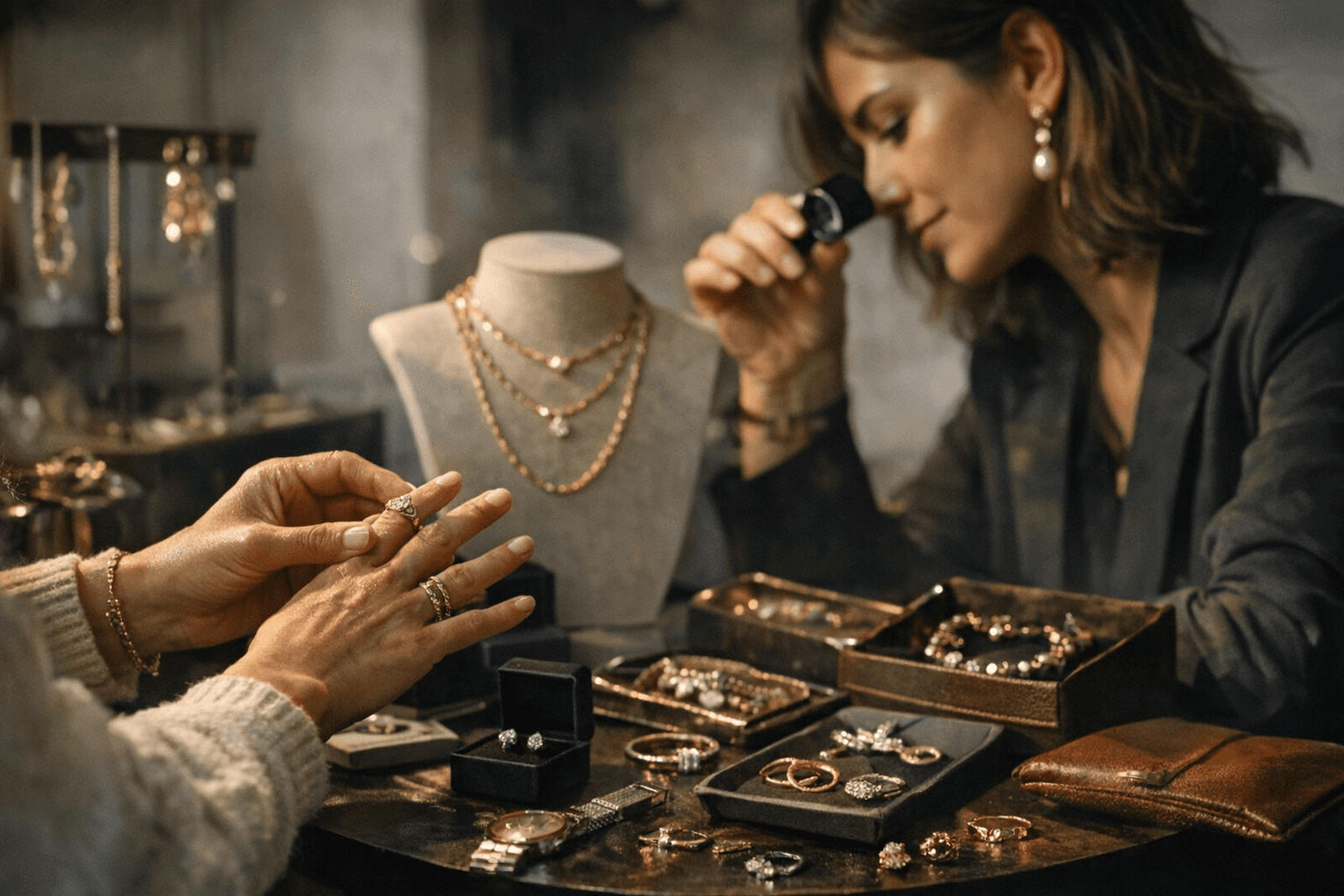
Gold fill versus gold vermeil versus solid gold represents the most consequential spectrum for anyone buying a piece they intend to wear regularly. Gold fill, which bonds a layer of gold to a base metal through heat and pressure, typically offers greater durability than vermeil, which is gold-plated sterling silver. Solid gold, whether 14 karat or 18 karat, remains the benchmark for longevity, though the price reflects that accordingly. A personalized necklace in solid 14-karat gold at a reputable maker will cost more than its vermeil counterpart, but the math changes when you factor in replating costs or the emotional cost of watching a meaningful piece degrade.
Recycled metals have become a standard talking point, but the certification behind that claim varies considerably. Look for brands that reference Fairmined or Fairtrade Gold certification for newly mined material, or that cite the Responsible Jewellery Council's chain-of-custody standards for recycled content. Vague references to "sustainably sourced metals" without a named standard deserve a follow-up question.
For stones, the distinction between laboratory-grown and natural matters less than the transparency around which you're getting. A laboratory-grown diamond or sapphire is a legitimate, beautiful choice; what's not acceptable is ambiguity about whether a stone is natural or created. Any reputable maker in the personalized space should be able to tell you immediately.
The Personalization Process: What Craftsmanship Actually Looks Like
Engraving methods are not created equal. Machine engraving produces consistent letterforms but lacks the slight variation that gives hand engraving its character. Laser engraving offers precision at fine scales but can produce a shallower mark that wears differently over time. The best makers are transparent about which method they use and why, and they can show you examples of how the finish holds after extended wear.
For pieces built around a specific stone, the setting style carries as much narrative weight as the stone itself. A bezel setting, which wraps a rim of metal around the stone's perimeter, offers security and a clean modern line. A prong setting lifts the stone higher, maximizing light entry and brilliance but requiring periodic checking to ensure prongs haven't shifted. Pavé settings, where small stones are set closely together across a surface, require particularly careful quality assessment: the craftsmanship of the millgrain or bead work between stones determines whether the piece looks refined or simply busy.
What to Prioritize This Season
The strongest personalized pieces arriving in early 2026 share a few characteristics worth holding as a standard.
First, specificity: the maker can name the metal alloy, the stone variety, and the country of origin for materials. Second, process transparency: there is clear information about whether engraving is hand-done, machine-done, or laser-cut, and what that means for the depth and permanence of the mark. Third, honest lead times: personalized work takes time, and brands compressing that timeline to unrealistic lengths are often cutting corners somewhere in production.
A well-made personalized piece, at its best, is a document. It records a name, a date, a place, a relationship. The craftsmanship behind it should be equal to that responsibility. The launches worth watching this spring are the ones where the makers understand that the personalization is not a marketing feature; it is the entire point.
Know something we missed? Have a correction or additional information?
Submit a Tip

